
Changing your car’s oil might seem like a simple task, but having the right tools makes all the difference. If you want to save money and keep your car running smoothly, knowing exactly what you need is key.
You’ll discover the essential tools that make oil changes faster, cleaner, and easier. By the end, you’ll feel confident and ready to tackle this important maintenance step on your own. Keep reading to find out what tools you really need to get the job done right.

Credit: blog.acmetools.com
Basic Tools For Oil Change
Changing your car’s oil is a simple task with the right tools. You do not need many items to get the job done. Having the basic tools ready makes the process smooth and safe.
This guide covers the main tools you will use: the oil drain pan, wrenches and sockets, and the oil filter wrench. Each tool has a specific role in the oil change process.
Oil Drain Pan
The oil drain pan catches old oil as it drains from your car. It must be large enough to hold all the used oil. A pan with a wide opening helps avoid spills.
- Choose a pan with a capacity of at least 5 quarts.
- Look for a pan with a spout for easy pouring.
- Use a pan with a flat bottom to keep it stable.
Wrenches And Sockets
Wrenches and sockets are needed to loosen the drain plug. Using the right size prevents damage to the plug or bolt. A ratchet wrench speeds up the process.
| Tool | Use | Tip |
| Socket Wrench | Remove drain plug | Use correct socket size |
| Box-End Wrench | Alternative for tight spaces | Good grip on bolts |
| Ratchet | Speed up loosening and tightening | Use with sockets |
Oil Filter Wrench
The oil filter wrench helps remove the old oil filter. Filters can be tight and hard to reach. This tool grips the filter firmly without slipping.
- Strap wrenches wrap around the filter for grip.
- Cap wrenches fit over the end of the filter.
- Pliers-style wrenches clamp the filter tightly.
Choosing The Right Oil
Changing your car’s oil keeps the engine running well. Choosing the right oil is key to good car care.
This guide covers types of motor oil, viscosity, and the difference between synthetic and conventional oils.
Types Of Motor Oil
Motor oils come in different types to fit your car’s needs. Each type offers unique features for engine protection.
- Conventional oil: Common and affordable, good for simple engines.
- Synthetic oil: Made for better performance and longer engine life.
- Synthetic blend: Mix of synthetic and conventional, balances cost and benefits.
- High-mileage oil: Designed for older cars with many miles.
Oil Viscosity Guide
Viscosity means how thick or thin the oil is. It affects how well the oil flows in your engine.
| Viscosity Grade | Cold Temperature | Hot Temperature |
| 5W-30 | Flows well in cold | Thicker at high heat |
| 10W-40 | Thicker in cold | Thicker at high heat |
| 0W-20 | Very thin in cold | Thin at high heat |
Synthetic Vs Conventional
Synthetic oil is made in labs for a pure, clean product. Conventional oil comes from crude oil.
- Synthetic oil lasts longer and protects better.
- Conventional oil is cheaper but changes needed more often.
- Synthetic helps engines start easier in cold weather.
- Conventional oil suits older cars with simple engines.
Additional Essential Gear
Changing your car oil needs more than just the oil and filter. Some extra tools make the job easier and cleaner.
These tools help you work safely and keep your workspace tidy. They also prevent spills and injuries.
Funnel And Gloves
A funnel helps pour oil without spilling. It guides the oil into the engine smoothly.
Gloves protect your hands from hot oil and dirt. They keep your skin clean and safe from chemicals.
- Use a funnel with a wide mouth for easy pouring
- Wear disposable or reusable gloves
- Choose gloves that fit well for better control
Rags And Cleaning Supplies
Rags help wipe off oil drips and dirty parts. Cleaning supplies keep your tools and hands clean.
Use absorbent rags and safe cleaners to remove oil stains. This prevents slips and messes.
- Keep plenty of rags nearby
- Use brake cleaner or degreaser for tough spots
- Dispose of oily rags properly to avoid fire hazards
Car Jack And Stands
A car jack lifts the vehicle so you can reach the oil drain plug. Stands hold the car safely in place.
Never rely on just the jack. Use jack stands to support the car while you work under it.
- Check the jack’s weight limit before use
- Place jack stands on a flat surface
- Secure the vehicle firmly on stands before starting
Optional Tools For Convenience
Changing car oil is easier with the right tools. Some tools are not required but make the job faster and cleaner.
These optional tools help you avoid mess and ensure proper tightening of parts. They add comfort and safety to the oil change process.
Oil Extractor Pump
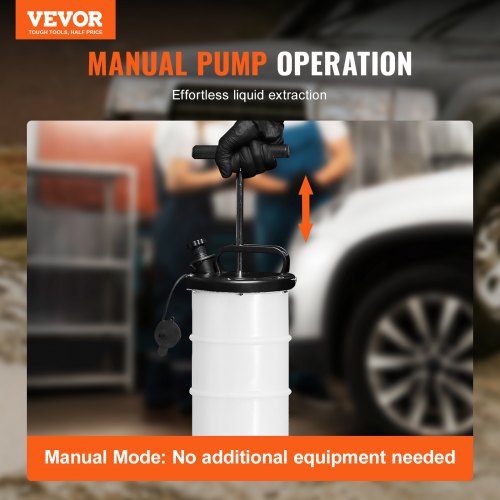
An oil extractor pump removes old oil through the dipstick tube. You do not need to crawl under the car.
This tool helps save time and keeps your workspace clean. It is useful if you have limited space or no access to the drain plug.
Torque Wrench
A torque wrench tightens bolts to the exact pressure needed. It prevents over-tightening or under-tightening the drain plug.
Using this wrench protects your car’s parts from damage. It helps keep the oil seal tight and stops leaks.
Magnetic Drain Plug
A magnetic drain plug collects metal particles from the oil. It helps keep the engine cleaner for longer.
This plug is easy to install and remove. It adds a small extra step that improves your car’s health.
Safety And Preparation Tips
Changing your car’s oil needs some tools and safety steps. Taking care of safety keeps you safe and your car in good shape.
Before starting, prepare your workspace and tools. This helps you work faster and avoid accidents.
Proper Vehicle Positioning
Park your car on a flat, hard surface. This stops the car from moving while you work.
Use wheel chocks behind the tires. This adds extra safety by keeping the car still.
- Flat, level ground prevents rolling
- Parking brake should be on
- Wheel chocks block tire movement
- Lift car with jack stands if needed
Handling Hot Engine Components
Let your engine cool down before changing the oil. Hot parts can burn your skin.
Wear gloves to protect your hands from heat and oil. Use tools with long handles to keep distance.
- Wait at least 30 minutes after driving
- Wear heat-resistant gloves
- Use tools that keep your hands safe
- Be careful when opening oil cap
Disposing Of Used Oil
Used oil is harmful to the environment. Do not throw it in trash or on the ground.
Collect oil in a clean container with a tight lid. Take it to a recycling center or auto shop.
- Use a leak-proof container
- Label the container as “Used Oil”
- Recycle at authorized centers
- Never mix oil with other liquids
Credit: www.vevor.ca

Credit: dycoventures.com
Frequently Asked Questions
What Tools Are Essential For Changing Car Oil?
Essential tools include a wrench, oil filter wrench, oil drain pan, funnel, and new oil filter. These help safely remove old oil and install new oil efficiently.
How Do I Choose The Right Oil Filter Wrench?
Select an oil filter wrench that fits your car’s filter size. Common types are strap, cap, and claw wrenches, each offering different grip styles.
Can I Change Car Oil Without A Drain Pan?
A drain pan is necessary to catch old oil and avoid spills. Using a container prevents mess and helps dispose of oil properly.
What Type Of Wrench Do I Need For Oil Drain Plug?
A socket wrench or adjustable wrench is best for loosening the oil drain plug. Ensure it matches the plug size to avoid damage.
Conclusion
Changing car oil needs a few simple tools. A wrench, oil filter wrench, drain pan, and funnel work best. These tools help you remove old oil and add new oil safely. Using the right tools saves time and avoids mess.
Keep tools clean and ready for your next oil change. Regular oil changes keep your car running smooth and long. Start with these basic tools to do the job yourself easily.







