
Your car’s paint is more than just a color—it’s the first thing people notice and a big part of your car’s value. But daily wear and tear, weather, and dirt can slowly damage that shiny finish.
If you want your car to look fresh and new for years, you need to know how to protect its paint properly. You’ll discover simple, effective ways to keep your car’s paint safe and vibrant. By the end, you’ll have easy tips that save you money and keep your car turning heads wherever you go.
Ready to give your car the care it deserves? Let’s dive in.
Choose The Right Car Wash Method
Protecting your car’s paint starts with how you wash it. Choosing the right wash method keeps your paint safe from scratches and damage.
Different wash methods affect your car’s finish in different ways. Learn which one works best for your vehicle.
Hand Wash Vs. Automatic Wash
Hand washing lets you control how gentle you are with your car’s paint. It reduces the risk of scratches from brushes or dirt.
Automatic washes are faster but may use harsh brushes that can harm your paint. Some newer touchless systems are safer but still not perfect.
- Hand wash: More control, less risk of damage
- Automatic wash: Faster but may cause scratches
- Touchless automatic wash: Safer but not always thorough
Best Soaps And Cleaners
Use soaps made for cars. They clean dirt without stripping protective wax or paint.
Avoid household soaps like dish detergent. They can dry out and damage your car’s paint.
- Choose pH-balanced car wash soaps
- Avoid harsh chemicals and detergents
- Look for soaps that add shine or protection
Tools For Gentle Cleaning
Use soft tools to avoid scratching the paint. Microfiber cloths and mitts work well to lift dirt gently.
Rinse your tools often to keep dirt from rubbing back onto the car surface.
- Soft microfiber wash mitts or sponges
- Two-bucket wash method to keep dirt away
- Gentle drying towels, like microfiber cloths
Regular Waxing And Polishing
Protecting your car’s paint keeps it looking new longer. Regular waxing and polishing help maintain the shine and guard against damage.
These simple steps create a barrier on the paint, stopping dirt and moisture from causing harm. Let’s look at why waxing matters and how to do it right.
Benefits Of Waxing
Waxing your car offers many benefits beyond just a glossy finish. It protects paint and makes cleaning easier.
- Shields paint from UV rays that cause fading
- Repels water and reduces water spots
- Prevents dirt and dust from sticking tightly
- Minimizes minor scratches and swirl marks
- Keeps the surface smooth and shiny
Types Of Wax
You can choose from several wax types. Each has its pros and cons based on how you want to protect your car.
| Wax Type | Description | Durability |
| Carnauba Wax | Natural wax that gives deep shine | Lasts 4-6 weeks |
| Synthetic Wax | Man-made, easier to apply and longer-lasting | Lasts 2-3 months |
| Liquid Wax | Easy to apply, good for quick jobs | Lasts 1-2 months |
| Paste Wax | Traditional wax, requires more effort | Lasts 4-6 weeks |
How Often To Wax
The frequency of waxing depends on your car’s exposure to the elements and the wax type you use.
- Wax every 6 to 8 weeks for best protection
- If parked indoors, waxing every 3 months can be enough
- Use synthetic waxes for longer intervals between waxing
- Reapply after heavy rain or washing for extra protection
Use Paint Sealants And Coatings
Protecting your car’s paint keeps it looking new and shiny. Paint sealants and coatings add a strong layer that guards against dirt and weather.
Choosing the right product helps maintain your car’s appearance longer and makes cleaning easier.
Difference Between Sealants And Waxes
Sealants and waxes both protect car paint but work differently. Sealants are synthetic and last longer. Waxes are natural and give a warm shine.
- Sealants create a hard, durable layer that can last months.
- Waxes offer a deep, glossy finish but fade faster.
- Sealants resist water and dirt better than waxes.
- Waxes are easier to apply by hand.
- Sealants often need special tools or machines for best results.
Ceramic Coatings Explained
Ceramic coatings are advanced paint protectors. They bond with the paint to form a tough shield. This shield resists scratches, chemicals, and UV rays.
| Feature | Benefit |
| Durability | Lasts 2 to 5 years |
| Protection | Shields from scratches and stains |
| Water Repellency | Helps water bead and roll off |
| Gloss | Gives a deep, shiny finish |
| Cleaning | Makes washing easier |
Application Tips
Applying sealants and coatings correctly gives the best results. Clean the car fully before starting. Work in a shaded, dust-free area.
- Wash and dry the car completely.
- Remove old wax or sealant with a clay bar or cleaner.
- Apply the product in small sections using a foam applicator.
- Follow the product’s instructions on curing time.
- Buff off any residue with a clean microfiber cloth.
- Let the coating cure without getting wet for at least 24 hours.

Credit: www.youtube.com
Protect From Environmental Damage
Car paint faces many dangers outside. Sunlight, dirt, and chemicals can harm its surface. Protecting your car keeps it looking new and strong.
Simple habits and care can stop damage from the environment. Learn how to shield your car paint from common threats.
Shielding From Uv Rays
Sunlight causes car paint to fade and crack. UV rays break down the paint’s surface over time. Park your car in shade or use a cover to reduce sun exposure.
Applying a good wax or paint sealant adds a layer that blocks UV rays. This layer helps keep the paint shiny and strong longer.
Avoiding Bird Droppings And Tree Sap
Bird droppings and tree sap have acids that can eat into car paint. Clean these off quickly to avoid stains and damage.
- Check your car daily for droppings or sap spots.
- Use a mild soap and water to clean the affected area.
- Apply a quick detailer spray to remove sticky residues.
- Wax your car regularly to create a protective barrier.
Handling Road Salt And Pollution
Road salt and pollution cause corrosion and dull paint. Salt is common in winter and can eat away at the paint and metal.
| Problem | Effect on Car Paint | Protection Tips |
| Road Salt | Rust and corrosion | Wash car often in winter |
| Pollution | Paint dullness and stains | Use wax or sealant regularly |
| Acid Rain | Paint erosion | Park under cover when possible |
Safe Parking And Storage
Protecting your car’s paint is important. Safe parking and storage can help keep your car looking new. Learn how to choose the best parking options and storage methods.
Consider different methods to protect your car’s paint. These include parking options, car covers, and garage maintenance.
Indoor Vs. Outdoor Parking
Indoor parking offers more protection than outdoor parking. It shields your car from weather and debris.
Outdoor parking exposes your car to sun, rain, and dirt. This can damage the paint over time.
- Indoor parking prevents sun damage
- Outdoor parking increases risk of scratches
- Choose a covered area if indoor parking is unavailable
Car Covers And Their Benefits
Car covers protect your car when parked outdoors. They block harmful UV rays and keep dust away.
They are easy to use and can fit most car models. Investing in a good car cover can save you from paint damage.
- Protects from weather elements
- Prevents scratches and dings
- Reduces fading of paint
Garage Maintenance Tips
Maintaining your garage can help protect your car’s paint. Keep the garage clean and free of clutter.
Regularly check for leaks and repair them quickly. A well-maintained garage can offer better protection for your vehicle.
- Keep floors clean to avoid dirt transfer
- Ensure proper ventilation to reduce moisture
- Fix any roof leaks immediately
Fixing Minor Paint Damage
Minor paint damage on cars is common. It’s important to fix it quickly to prevent rust and further damage.
Simple repairs can be done at home. This guide will help you learn how to fix scratches and chips.
Scratch And Chip Repair
Scratches and chips in car paint are ugly. They can also lead to rust if not fixed.
To fix them, clean the area with soap and water. Use a microfiber cloth to avoid more scratches.
- Use fine-grit sandpaper to smooth the edges
- Apply primer if the scratch is deep
- Use touch-up paint that matches your car’s color
- Finish with a clear coat for shine and protection
Touch-up Paint Guide
Touch-up paint is a great tool for small paint damage. It’s easy to use and can match your car’s color.
Before applying, test the paint on a hidden area. This ensures it matches your car’s paint.
- Shake the touch-up paint bottle well
- Use a fine brush for precise application
- Apply thin layers, letting each dry fully
- Finish with a clear coat for durability
When To Seek Professional Help
Some paint damage needs professional repair. This includes deep scratches, large areas, or damage to metal.
Professionals have tools and experience to restore your car’s paint. They ensure a perfect color match and finish.
- Consult a professional for large, deep scratches
- Seek help if rust is present
- Ask for a quote before starting repairs
- Choose a reputable repair shop for quality work
Routine Maintenance Habits
Keeping your car paint looking new needs regular care. Small habits protect the paint from damage.
Routine maintenance helps avoid costly repairs and keeps your car shiny for years.
Regular Inspections
Check your car’s paint often for scratches, chips, or fading. Early spotting stops bigger problems.
Look closely at areas near the wheels and door edges. These spots get dirty and damaged quickly.
Cleaning After Harsh Weather
Wash your car soon after heavy rain, snow, or dust storms. Dirt and salt can harm the paint.
Use gentle cleaning products and rinse well to remove all residue. Dry the car to avoid water spots.
Avoiding Abrasive Materials
Do not use rough cloths or brushes that can scratch the paint. Soft microfiber towels work best.
Use mild soap made for cars. Avoid household cleaners that can strip the paint’s protective layer.
- Use soft sponges or microfiber cloths
- Choose car-specific cleaning products
- Wash with gentle, circular motions
- Rinse thoroughly to remove dirt and soap
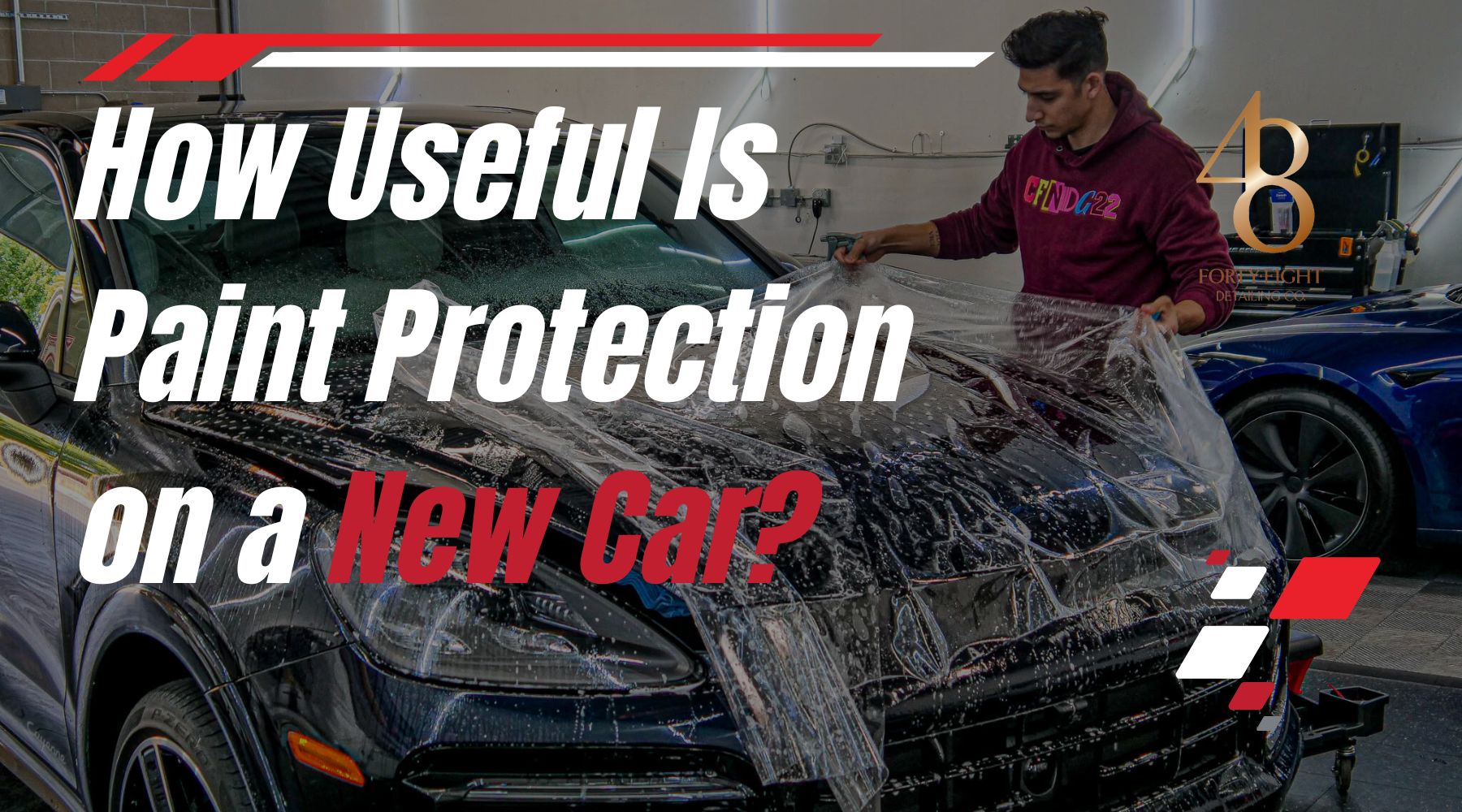
Credit: 48detailing.com
Credit: carheroz.com
Frequently Asked Questions
How Often Should I Wax My Car To Protect Paint?
Wax your car every 3 to 4 months to maintain paint protection. Wax adds a protective layer that shields paint from UV rays and contaminants. Regular waxing also enhances shine and helps prevent fading or oxidation.
What Car Wash Method Best Protects Paint?
Use a two-bucket hand wash method with a microfiber mitt. This reduces swirl marks and scratches caused by dirt particles. Avoid automatic brushes as they can damage paint over time. Always use car-specific soap for gentle cleaning.
Can Clear Coat Protect My Car’s Paint Effectively?
Yes, clear coat provides a protective barrier over the paint. It guards against UV damage, minor scratches, and chemical stains. Maintaining the clear coat with proper washing and polishing is essential for long-term paint protection.
Is Parking Location Important For Paint Protection?
Parking in shaded or covered areas protects paint from sun and weather damage. Avoid parking under trees to prevent sap and bird droppings that can harm the paint. Proper parking reduces fading and keeps your car looking new longer.
Conclusion
Protecting your car paint keeps your vehicle looking fresh and new. Regular washing removes dirt and harmful substances. Waxing adds a strong layer against scratches and sun damage. Parking in shade reduces fading caused by sunlight. Avoid harsh chemicals that can damage the paint.
Small steps make a big difference over time. Taking care of your car paint saves money on repairs. Easy habits keep your car shiny and bright for years. Simple care equals long-lasting beauty.







