
Your car engine works hard every day, but when was the last time you gave it the attention it deserves? Detailing a car engine isn’t just about making it look clean—it can improve performance and help you spot problems early.
Imagine opening your hood to a shiny, spotless engine that runs smoother and lasts longer. You’ll discover simple steps to detail your engine like a pro, saving you time and money. Ready to boost your car’s health and wow anyone who lifts the hood?
Let’s get started.
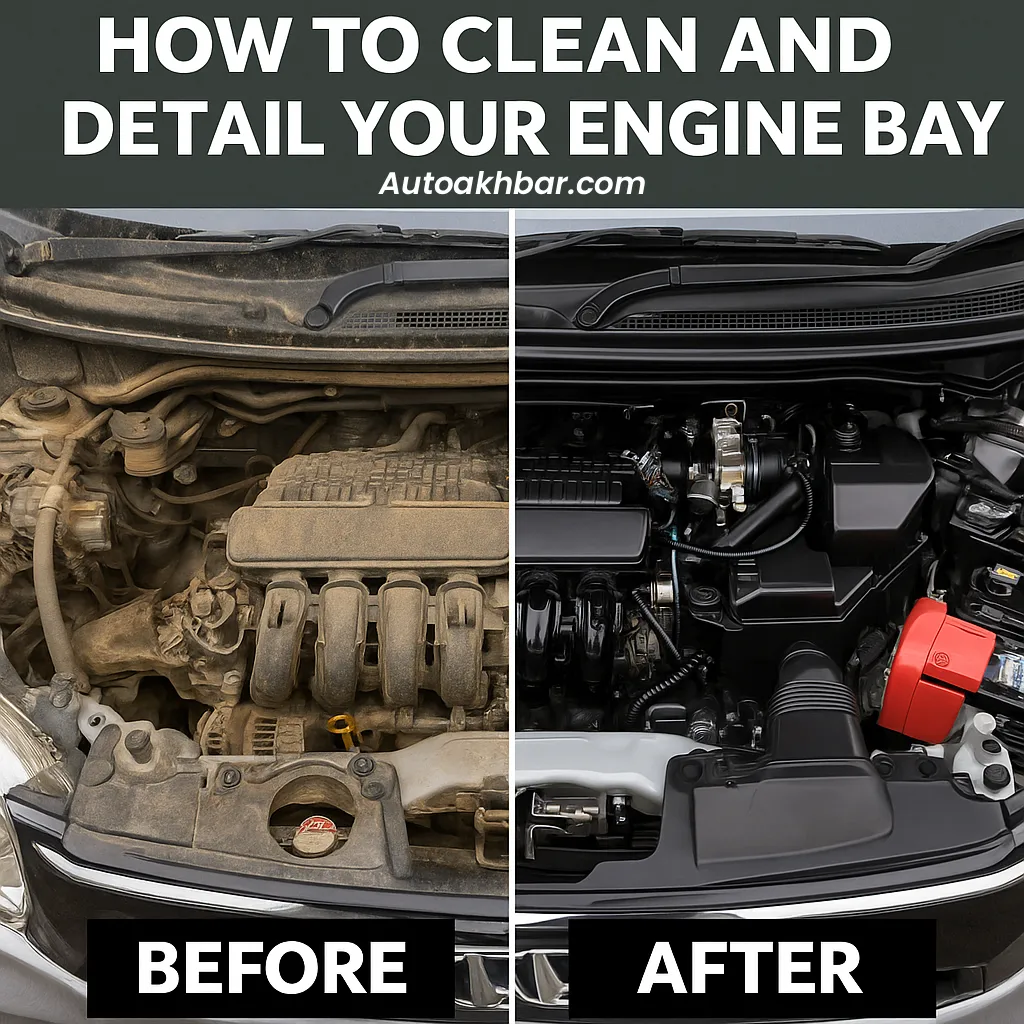
Credit: autoakhbar.com
Preparing The Engine Bay
Cleaning a car engine requires careful preparation. Proper steps protect the engine parts and make cleaning easier.
This guide covers the main tasks needed before detailing the engine bay.
Gathering Essential Tools
Having the right tools makes engine cleaning safer and more effective. You should collect everything before starting.
- Plastic bags and tape to cover parts
- Soft brushes for gentle cleaning
- Microfiber cloths for wiping
- Degreaser or engine cleaner
- Water hose or spray bottle
- Protective gloves and goggles
Protecting Sensitive Components
Some engine parts can get damaged by water or cleaning products. Cover them well before you start.
| Component | Protection Method |
|---|---|
| Battery terminals | Wrap with plastic bags and secure with tape |
| Air intake | Cover with plastic or a cloth |
| Electrical connections | Seal with plastic wrap or bags |
| Distributor cap | Cover tightly to keep moisture out |
Removing Loose Dirt And Debris
Before using any cleaner, remove loose dirt. This step avoids scratches and helps cleaners work better.
- Use a soft brush to sweep away dust
- Blow out leaves and debris with compressed air
- Wipe surfaces with a dry microfiber cloth
- Check hard-to-reach areas carefully
Choosing The Right Cleaning Products
Cleaning a car engine needs the right products to work well. Using proper cleaners keeps the engine safe and clean.
Picking the right product helps remove grease and dirt without causing damage. Learn about different cleaning tools and agents.
Degreasers And Engine Cleaners
Degreasers break down oil and grime on the engine parts. Choose one made for car engines to avoid harm. Some are water-based, others solvent-based.
- Water-based degreasers are safe and easy to rinse.
- Solvent-based ones remove tough grease but need careful use.
- Engine cleaners often combine degreasers with other cleaning agents.
- Check if the product is safe for plastics and rubber parts.
Brushes And Applicators
Brushes help scrub dirt in hard-to-reach areas. Use soft to medium bristles to avoid scratching. Foam applicators spread cleaners evenly on surfaces.
| Type | Use | Material |
| Soft Brush | Delicate parts | Nylon |
| Stiff Brush | Heavy dirt | Plastic or wire |
| Foam Applicator | Even cleaner spread | Foam |
| Spray Bottle | Apply liquid cleaners | Plastic |
Rinsing Agents And Drying Aids
Rinsing agents remove cleaner residue without harming parts. Drying aids help water to evaporate fast, reducing spots and rust risks.
- Use water that will not leave mineral deposits.
- Choose rinsing agents designed for automotive use.
- Apply drying aids to speed up drying and protect metal.
- Avoid harsh chemicals that can damage engine seals.
Step-by-step Cleaning Process
Cleaning a car engine is important for maintenance and looks. A clean engine runs cooler and lasts longer. Follow these simple steps to clean your engine safely and well.
Use the right tools and cleaners to avoid damage. Protect electrical parts before you start. Let’s begin with the cleaning process.
Initial Spray And Soak
Start by spraying the engine with a special engine degreaser. This helps to loosen dirt and oil. Make sure to cover all dirty areas evenly.
- Choose a water-based degreaser for safety.
- Spray from top to bottom for full coverage.
- Let the degreaser soak for 5 to 10 minutes.
- Avoid spraying hot engine parts directly.
Agitating Stubborn Grime
Some grime and grease need extra effort. Use a soft brush or sponge to scrub these spots. Be gentle to avoid breaking wires or hoses.
| Tool | Use |
|---|---|
| Soft brush | Scrub small, hard-to-reach areas |
| Sponges | Clean flat surfaces and panels |
| Toothbrush | Detail tight spots around bolts |
Rinsing And Drying Techniques
After cleaning, rinse the engine with low-pressure water. High pressure can damage parts or force water inside. Dry the engine carefully to avoid rust.
- Use a garden hose with gentle spray.
- Avoid spraying electrical components directly.
- Wipe excess water with a microfiber cloth.
- Let the engine air dry or use compressed air for quick drying.
Detailing And Dressing The Engine
Cleaning and dressing a car engine makes it look neat and fresh. It also helps protect engine parts from dirt and grime. Using the right products and methods is important for a good finish.
In this guide, we will cover how to select engine dressings, tips for a natural shine, and how to avoid over-application. Following these steps can keep your engine bay clean and stylish.
Selecting Engine Dressings
Choose engine dressings that protect and shine without causing damage. Some dressings add gloss, while others give a matte finish. Pick one that matches your style and engine needs.
- Water-based dressings are safe and easy to clean.
- Silicone-based dressings give a shiny, wet look.
- Matte dressings create a clean, natural finish.
- Check if the product resists heat and dirt.
- Read labels to avoid harmful chemicals.
Application Tips For A Natural Shine
Apply engine dressing carefully to get a fresh but natural look. Use small amounts and spread evenly to avoid spots or streaks. Always work on a cool engine to prevent quick drying.
| Tip | Reason |
|---|---|
| Use a foam applicator | Spreads product evenly without waste |
| Apply in thin layers | Prevents buildup and streaks |
| Work on a cool engine | Avoids fast drying and uneven finish |
| Wipe off excess | Keeps shine natural, not greasy |
Avoiding Over-application
Too much dressing can cause dirt to stick and make the engine look fake. It can also harm rubber and plastic parts. Use just enough to cover surfaces with a light shine.
- Apply small amounts at a time.
- Check surfaces after each layer.
- Remove extra product with a clean cloth.
- Do not spray directly onto electrical parts.
- Allow dressing to dry fully before closing the hood.
Maintaining A Clean Engine Bay
A clean engine bay helps your car run better. It makes it easier to spot problems early. Regular cleaning keeps your engine in top shape.
This guide will show you how to keep your engine bay clean. Follow these steps for a cleaner, healthier engine.
Regular Cleaning Schedule
Set a schedule for regular engine cleaning. This prevents dirt and grime from building up. It also keeps your engine parts from wearing out.
| Task | Frequency |
| Full engine bay wash | Every 3 months |
| Inspect for leaks | Monthly |
| Check fluid levels | Weekly |
Spot Cleaning Between Details
Spot cleaning helps maintain cleanliness between full washes. Focus on areas that get dirty faster. Use a soft cloth to wipe away dirt.
- Check the battery area for corrosion
- Wipe down the air filter cover
- Clean around the oil cap and dipstick
Preventing Future Build-up
Preventing dirt build-up is key to a clean engine bay. Use protective sprays to keep surfaces clean. They help repel dust and grime.

Credit: www.youtube.com
Safety Tips And Precautions
Detailing a car engine requires care and attention. Safety should be your top priority.
Using the right safety steps helps avoid accidents and damage to your vehicle.
Handling Chemicals Safely
Car engine cleaners and degreasers contain strong chemicals. These chemicals can harm your skin and eyes.
Always wear gloves and eye protection. Avoid breathing in the fumes from these products.
- Wear rubber or nitrile gloves
- Use safety goggles to protect your eyes
- Read labels and follow instructions carefully
- Keep chemicals away from children and pets
- Store chemicals in a cool, dry place
Protecting Electrical Components
Water and cleaning solutions can damage electrical parts in the engine. Take care to keep these parts dry.
Cover sensitive parts like the battery, alternator, and fuse box with plastic bags before cleaning.
- Disconnect the battery before starting
- Use plastic covers on electrical parts
- Use a low-pressure water spray to clean
- Avoid spraying water directly on wires
Working In A Well-ventilated Area
Engine cleaning chemicals release fumes that can be harmful. Work outside or in a garage with open doors.
Good airflow helps reduce the risk of breathing problems and fire hazards.
- Open garage doors and windows
- Use fans to increase air circulation
- Do not smoke or use open flames nearby
- Take breaks to get fresh air

Credit: www.youtube.com
Frequently Asked Questions
What Is The Best Way To Clean A Car Engine?
The best way to clean a car engine is by using a gentle degreaser. Avoid high-pressure water to prevent damage. Cover sensitive parts like the alternator. Rinse carefully and dry thoroughly. This method removes dirt without harming engine components.
How Often Should I Detail My Car Engine?
Detail your car engine every 6 to 12 months. Regular cleaning prevents buildup of grime and oil. It also helps spot leaks early. Frequent detailing keeps the engine running cooler and extends its lifespan.
Can Detailing Improve Engine Performance?
Detailing alone does not improve engine performance directly. However, a clean engine runs cooler and is easier to inspect. Removing dirt prevents overheating and corrosion, indirectly supporting better performance and reliability.
Is It Safe To Use Water On An Engine?
Using water on an engine requires caution. Avoid spraying directly on electrical parts or air intakes. Use minimal water with a spray bottle or low-pressure hose. Always cover sensitive components to prevent damage.
Conclusion
Detailing a car engine keeps it clean and working well. Dirt and grime can cause problems if left too long. Regular cleaning helps spot leaks or damage early. Use the right tools and cleaners for best results. Take your time to avoid harming parts.
A clean engine also looks nice and can raise car value. Start with small steps and build your skills. Keep your engine fresh, and your car will run smoother. Simple care makes a big difference over time.







