
Have you ever noticed a yellow warning light glowing on your car’s dashboard and wondered what it means? These little lights are trying to tell you something important about your vehicle’s health.
Understanding what each yellow warning light means can help you avoid costly repairs and keep you safe on the road. You’ll discover the most common yellow car warning lights and exactly what you should do when they appear. Keep reading—your car (and your wallet) will thank you.
Credit: www.streettrucksmag.com
Common Yellow Warning Lights
Yellow warning lights on your car’s dashboard mean you should check something soon. They are not as urgent as red lights but need attention.
Knowing what these lights mean helps you keep your car safe and avoid costly repairs. Here are some common yellow warning lights explained.
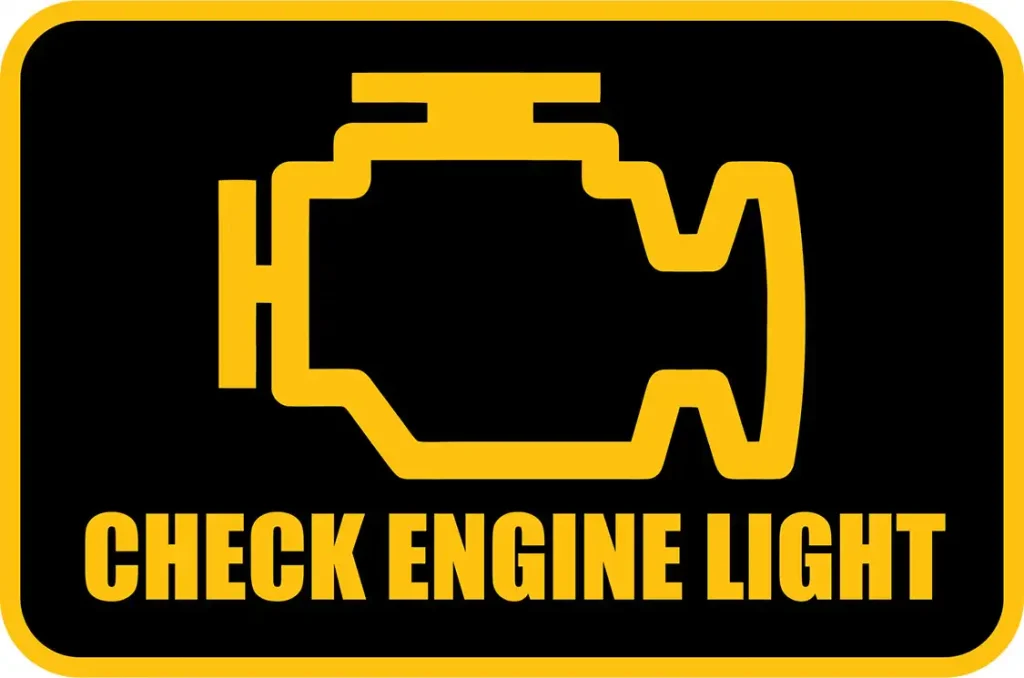
Check Engine Light
The check engine light shows when the car’s computer finds a problem. It can be about the engine, emissions, or other systems.
This light can blink or stay on. A blinking light means a serious problem. If it stays on, get the car checked soon.
Tire Pressure Warning
This light comes on when one or more tires have low air pressure. Proper tire pressure is important for safety and fuel efficiency.
Check your tire pressures with a gauge and inflate them to the recommended level. This light may go off after you fix the pressure.
Traction Control Indicator
The traction control light shows when the system is active. It helps keep your car from sliding on slippery roads.
If this light stays on, it could mean a problem with the traction control system. Get it checked to keep your car stable.
Battery Alert
The battery alert light means there is an issue with the car’s charging system. The battery might not be charging properly.
This can cause your car to lose power and stall. Check the battery and alternator as soon as possible to avoid being stranded.
Causes Behind Yellow Lights
Yellow warning lights on your car dashboard mean there is a problem. These lights warn you to check your vehicle soon. They are not as urgent as red lights but should not be ignored.
Many different issues can cause yellow warning lights. Understanding the common causes helps you decide when to visit a mechanic.
Engine And Emission Issues
Yellow engine warning lights often signal problems with the engine or emissions system. This includes issues like a loose gas cap or faulty sensors. These problems can reduce fuel efficiency and increase pollution.
Ignoring these lights can lead to bigger engine troubles and costly repairs. It is best to have the engine checked if the light stays on.
Low Tire Pressure
A yellow tire pressure warning means one or more tires have low air. Low pressure affects how the car handles and can cause uneven tire wear. It also lowers fuel economy.
Check your tire pressure with a gauge. Inflate tires to the recommended level shown in the owner’s manual or on the door sticker.
- Low pressure reduces safety and control
- Causes include leaks or temperature changes
- Check tires regularly to avoid problems
Electrical System Problems
Yellow warning lights can also indicate electrical issues. These may involve the battery, alternator, or wiring. Electrical problems can cause other systems to fail.
It is important to have the electrical system tested. Fixing it early can prevent the car from breaking down unexpectedly.
Brake System Alerts
Yellow brake warning lights show there is an issue with the brake system. This can be low brake fluid or worn brake pads. The brakes may still work but need service soon.
Driving with brake problems is unsafe. Have a mechanic inspect your brakes to keep driving safely.
Immediate Actions To Take
Yellow car warning lights signal a problem that needs attention soon. You should act quickly to avoid damage.
Knowing what to do helps keep you safe and your car running well. Follow these steps after seeing a yellow warning light.
When To Pull Over
If the yellow light flashes or stays on, find a safe place to stop. Pull over if you notice strange noises or smells.
Stopping allows you to check the issue without risking more damage or danger on the road.
Basic Troubleshooting Steps
- Check the gas cap to make sure it is tight.
- Look under the hood for loose or damaged wires.
- Inspect fluid levels like oil and coolant.
- Listen for unusual sounds from the engine.
- Make sure the dashboard lights return to normal after restarting.
Using An Obd-ii Scanner
An OBD-II scanner reads error codes from your car’s computer. This helps find the cause of the yellow warning light.
| Code Type | Description |
| P0171 | System Too Lean (Bank 1) |
| P0420 | Catalyst System Efficiency Below Threshold |
| P0300 | Random/Multiple Cylinder Misfire Detected |
| P0455 | Evaporative Emission System Leak Detected |
Use the code to look up the problem and decide what to fix next.
When To Call For Help
- Call roadside assistance if the car won’t start or drive safely.
- Contact a mechanic if you do not understand the warning or how to fix it.
- Seek emergency help if you smell burning or see smoke.
- Ask for help if the warning light stays on after basic checks and scanning.
Credit: www.streettrucksmag.com
Preventing Warning Lights
Yellow car warning lights alert you to possible issues. Preventing these lights saves time and money.
Regular care keeps your car running well and avoids warning signals. Simple habits help stop problems early.
Regular Vehicle Maintenance
Check your car often to keep it healthy. Follow the service schedule in your owner’s manual.
Oil changes, brake checks, and fluid top-ups prevent many warning lights from showing up.
- Change engine oil every 5,000 to 7,500 miles
- Inspect brakes for wear and tear
- Check coolant and transmission fluids
- Replace air filters regularly
Tire Care Tips
Proper tire care keeps your car safe and avoids warning alerts. Check tire pressure monthly.
Uneven or low tire pressure can cause warning lights and harm your car’s performance.
- Use a tire gauge to check pressure
- Inflate tires to the recommended level
- Rotate tires every 6,000 to 8,000 miles
- Look for signs of tire damage or wear
Battery Health Checks
A weak battery triggers warning lights and can leave you stranded. Test your battery regularly.
Clean battery terminals and secure connections help maintain good power flow.
- Inspect battery terminals for corrosion
- Ensure battery cables are tight
- Test battery voltage with a multimeter
- Replace battery if it shows signs of failing
Software Updates
Modern cars use software to control many systems. Update software to avoid warning lights.
Software updates fix bugs and improve system functions in your vehicle.
- Visit your dealer for software updates
- Check for updates during regular service
- Use manufacturer apps if available
- Keep your car’s system current to prevent errors
Yellow Vs. Red Warning Lights
Cars use warning lights to tell drivers about problems. Yellow and red lights show different levels of trouble.
Understanding the difference helps you know what to do next. Yellow lights warn you to check soon. Red lights mean stop immediately.
Severity Comparison
Yellow warning lights mean a minor problem or maintenance is needed. You can usually keep driving but should fix it soon.
Red warning lights mean a serious issue. The car may be unsafe to drive. You should stop and get help right away.
- Yellow lights: low to medium severity
- Red lights: high severity, urgent attention
Response Time Expectations
When a yellow light appears, check your car’s manual. Schedule a service soon to avoid bigger problems.
For red lights, stop driving as soon as it is safe. Call for roadside assistance or visit a mechanic immediately.
- Yellow light: respond within days or weeks
- Red light: respond immediately, do not ignore
Examples Of Red Warning Lights
Red warning lights signal serious car issues. Learn these common red lights to stay safe on the road.
- Engine temperature warning – engine is too hot
- Oil pressure warning – low oil pressure
- Brake system warning – brake problem detected
- Battery charge warning – charging system failure
.png?t=1510869631279&width=684&height=1711&name=Vehicle%20Warning%20Lights%20(1).png)
Credit: noelins.com
When To Visit A Mechanic
Yellow car warning lights can signal different issues with your vehicle. Understanding when to visit a mechanic can save you time and money. Let’s explore common scenarios.
Persistent Warning Lights
If a warning light stays on, it might indicate a problem that needs attention. These lights can signal engine, brake, or battery issues.
- Engine light
- Brake warning light
- Battery alert
Unusual Noises Or Smells
Strange noises or smells can be signs of trouble. These can range from burning odors to loud clunks while driving.
| Noise/Smell | Possible Cause |
| Burning smell | Overheated brakes |
| Grinding noise | Worn out brake pads |
| Hissing sound | Engine overheating |
Performance Issues
Performance issues like stalling or poor acceleration require a mechanic’s expertise. Ignoring these can lead to bigger problems.
Safety Concerns
Your safety is a top priority. If your car feels unsafe, such as unsteady steering or braking problems, see a mechanic immediately.
Frequently Asked Questions
What Do Yellow Car Warning Lights Indicate?
Yellow car warning lights signal a caution or maintenance issue. They alert drivers to potential problems needing attention but usually not immediate danger.
Should I Stop Driving When A Yellow Warning Light Appears?
No, yellow warning lights mean you should check the issue soon. It’s safe to drive but avoid ignoring the warning for long.
Can Yellow Warning Lights Affect Car Performance?
Yes, yellow lights can indicate issues that may reduce performance. Addressing them early helps maintain your car’s efficiency and safety.
How Do I Identify Specific Yellow Warning Lights?
Refer to your car’s manual or onboard display for yellow light meanings. Each icon represents different systems like engine, brakes, or emissions.
Conclusion
Yellow car warning lights signal your vehicle needs attention soon. They do not always mean danger, but should not be ignored. Understanding these lights helps keep you safe and your car running well. Check your owner’s manual to learn each symbol’s meaning.
Take action early to avoid costly repairs later. Stay calm and respond promptly to keep your journey smooth. Knowing these warnings can give you peace of mind on the road.







