
Have you ever grabbed a can of WD-40 to fix a squeaky door or loosen a stuck bolt and wondered, “Is it safe to use on my car’s paint?” You’re not alone. Many car owners worry that this handy spray might harm their vehicle’s finish.
You want to keep your car looking great, but you also want quick, effective solutions for everyday problems. You’ll discover the truth about WD-40 and car paint. By the end, you’ll know exactly when it’s safe to use and how to protect your car’s shine.
Keep reading—you’ll be glad you did.

Credit: onemanandhismustang.com
What Is Wd-40?
WD-40 is a popular spray used for many tasks. It helps stop rust, cleans, and protects metal parts.
People use WD-40 on bikes, cars, tools, and household items. It works as a lubricant and water repellent.
Basic Composition Of Wd-40
WD-40 is made from oils, solvents, and other ingredients. These help it clean and protect surfaces.
The exact formula is a secret, but it mainly contains mineral oil and some chemicals to prevent rust.
Common Uses Of Wd-40
Many people use WD-40 to stop squeaks, loosen stuck parts, and remove sticky residue.
- Lubricating door hinges and locks
- Removing gum or adhesive from surfaces
- Protecting metal from moisture and rust
- Cleaning grease and grime
Is Wd-40 Safe For Car Paint?
WD-40 is generally safe for car paint if used carefully. It can remove bugs, tar, and sap without damage.
Still, avoid leaving WD-40 on paint for long. Wipe it off quickly to prevent buildup or dullness.
Common Uses Of Wd-40 On Cars
WD-40 is a popular product used by many car owners. It helps fix small problems and keeps parts working well.
This product can clean, protect, and loosen stuck parts in your car. Let’s look at some common uses of WD-40 on cars.
Removing Stickers And Decals
WD-40 softens glue on stickers and decals. This makes it easier to peel them off without leaving residue.
Spray WD-40 on the sticker, wait a few minutes, then gently remove it with a cloth or plastic scraper.
Protecting Metal Parts From Rust
WD-40 forms a thin layer that stops rust on metal parts. It helps keep bolts, hinges, and screws from corroding.
Regular use on exposed metal can extend the life of these parts and make them easier to remove later.
Loosening Stuck Or Rusted Parts
WD-40 works well to loosen bolts, nuts, and screws that are stuck from rust or dirt. It penetrates tight spaces to free them.
Spray the product, wait a few minutes, then try to turn or unscrew the part carefully.
Cleaning And Protecting Car Doors And Locks
WD-40 cleans dirt and grime from car door hinges and locks. It also lubricates these parts for smooth operation.
Use it to stop squeaky doors and prevent locks from freezing in cold weather.
Removing Sap And Bug Residue
Car sap and bug residue can be hard to remove. WD-40 helps dissolve these sticky substances without harsh scrubbing.
Spray on the affected area, wait a moment, then wipe clean with a soft cloth.
Chemical Composition And Its Effects
WD-40 is a popular spray used for many tasks, including loosening rusted parts and stopping squeaks. It contains a mix of chemicals that help it work well on metal and other surfaces.
Understanding what is inside WD-40 helps to know if it can harm car paint or not. Some chemicals may react with the paint and cause damage over time.
Main Ingredients In Wd-40
WD-40 contains several ingredients, each with a specific role. The main parts include:
- Mineral oil: helps to lubricate and protect metal parts
- Aliphatic hydrocarbons: act as solvents to dissolve grime
- Lubricants: reduce friction and wear
- Corrosion inhibitors: prevent rust and corrosion
- Propellants: help spray the product out
How Wd-40 Chemicals Affect Car Paint
Car paint has layers that protect the metal body and give color. Some chemicals in WD-40 can affect these layers.
| Chemical | Effect on Paint |
| Mineral oil | Usually safe, can leave oily residue |
| Aliphatic hydrocarbons | May soften or dull clear coat if left long |
| Corrosion inhibitors | No damage, protect metal beneath paint |
| Propellants | Evaporate quickly, no lasting effect |
Precautions When Using Wd-40 On Painted Surfaces
WD-40 can be safe if used correctly. Follow these tips to avoid paint damage:
- Apply a small amount first on a hidden spot
- Do not leave WD-40 on the paint for a long time
- Wipe off excess spray quickly with a clean cloth
- Avoid spraying directly on car paint when possible
- Use products made for car paint for cleaning and polishing
Impact On Car Paint
WD-40 is a popular product used for many tasks. Some people wonder if it can harm car paint.
It is important to know how WD-40 affects car paint in both short and long terms.
Short-term Effects
In the short term, WD-40 usually does not damage car paint. It acts as a lubricant and water repellent.
Many use WD-40 to remove bugs, tar, or bird droppings safely without hurting the paint.
- Removes sticky substances easily
- Leaves a thin protective layer
- Does not cause immediate paint fading
Long-term Effects
Long-term use of WD-40 on car paint can cause issues. It may weaken the clear coat over time.
Repeated applications can remove wax and protective layers. This makes paint more vulnerable to damage.
- Can strip wax coatings
- May dull paint finish if overused
- Leaves paint less protected from sun and rain
Myths About Wd-40 And Paint Damage
WD-40 is a popular product used for lubrication and cleaning. Many people worry if it can harm car paint. Let’s explore some common myths about WD-40 and paint damage.
Understanding these myths can help you make informed choices. We will look into various claims and see what is true and what is not.
Wd-40 Eats Through Paint
Some believe WD-40 can eat through car paint. This is not entirely true. WD-40 is safe for use on painted surfaces. It may cause slight dullness over time but does not eat through paint.
Wd-40 Leaves Permanent Stains
Another myth is that WD-40 leaves permanent stains on car paint. This is not true. WD-40 can be easily washed off. It is recommended to clean the surface after use to avoid any residue.
Wd-40 As A Long-term Solution
Some think WD-40 is a long-term solution for car maintenance. It is not intended for this purpose. WD-40 is a short-term fix and should not replace regular car care products.
- Use WD-40 for temporary lubrication
- Clean the surface after application
- Follow up with proper car care products
Wd-40 And Sun Exposure
There is a belief that WD-40 makes paint more vulnerable to sun damage. WD-40 itself does not cause harm, but it is always good to wash it off and apply proper wax or sealant for sun protection.
Safe Alternatives For Car Paint Care
WD-40 is a popular spray for many uses. Some people wonder if it will harm car paint. It can damage the paint if used often.
There are safer options to clean and protect your car’s paint. These alternatives keep the paint shiny and safe.
Car Wash Soap
Use car wash soap to clean your car paint gently. It removes dirt without harming the surface.
Always use soap made for cars, not household detergents. Household soaps can dry out the paint.
Microfiber Cloths
Use soft microfiber cloths to dry and clean the paint. They do not scratch the surface.
Avoid rough towels or sponges. They can leave marks or damage the clear coat.
Car Wax
Car wax adds a protective layer to the paint. It keeps the paint shiny and guards against dirt.
Apply wax after washing and drying your car. Use a soft cloth to spread it evenly.
Clay Bar Treatment
Clay bars remove tough dirt and contaminants from the paint. They leave a smooth, clean surface.
Use clay bars carefully and with lubricant. This prevents scratching the paint during cleaning.
Paint Sealants
Paint sealants provide long-lasting protection. They form a strong barrier against weather and dirt.
Sealants last longer than wax and keep your car looking new. Apply them as directed on the product label.
Tips For Using Wd-40 On Your Car
WD-40 is useful for many car tasks. It’s important to use it correctly to avoid issues.
Knowing how to apply WD-40 can help protect your car’s paint. Follow these simple tips for safe use.
Test On A Small Area
Before using WD-40 on your car, test it on a small area first. This ensures it won’t harm the paint.
Check the spot after a few minutes to see any changes. If there is no damage, it’s safe to use.
Avoid Using In Direct Sunlight
WD-40 can dry quickly in sunlight, making it less effective. Use it in the shade or a garage.
This helps the product work better and reduces the risk of paint damage.
Clean The Area Before Application
Make sure the area is clean before applying WD-40. Dirt or grime can cause scratches.
Use a soft cloth to wipe away any particles. This will protect your car’s paint.
Use A Soft Cloth For Application
Apply WD-40 with a soft cloth to avoid scratches. Spray it on the cloth, not directly on the car.
Gently rub the cloth over the area needing treatment. This method is safer for the paint.
Wipe Off Excess Product
After applying, wipe off any excess WD-40 with a clean cloth. This prevents residue build-up.
Excess product can attract dust and dirt, affecting the appearance of your car.
Store Wd-40 Properly
Store WD-40 in a cool, dry place. Keep it away from heat sources to maintain effectiveness.
Proper storage ensures the product remains safe to use on your car’s paint.

Credit: www.youtube.com
Credit: www.rd.com
Frequently Asked Questions
Will Wd-40 Harm My Car’s Paint Finish?
WD-40 generally does not harm car paint if used sparingly. It can remove dirt and grime without stripping wax. Avoid prolonged exposure and always wipe off excess to protect the paint’s integrity and shine.
Can Wd-40 Remove Paint Scratches On Cars?
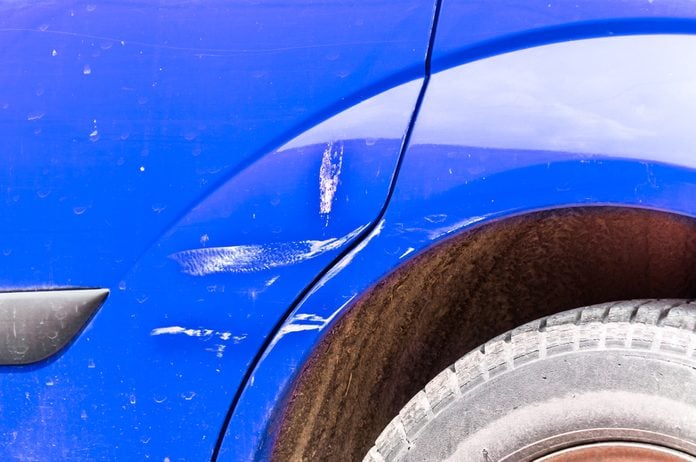
WD-40 does not fix paint scratches. It can mask minor blemishes temporarily by cleaning the area. For real scratch repair, use proper car scratch remover products designed for automotive paint.
Is Wd-40 Safe For Car Exterior Cleaning?
WD-40 is safe for spot cleaning on car exteriors. It helps loosen stubborn grime and adhesives. However, it should not replace regular car wash soaps or wax treatments.
How To Protect Car Paint After Using Wd-40?
After using WD-40, wash the area with soap and water. Apply a quality car wax or sealant to restore protection. This prevents any potential drying or dulling effects on the paint.
Conclusion
WD-40 usually does not harm car paint if used carefully. Avoid leaving it on the surface for too long. Always wipe it off with a clean cloth right away. Test on a small area before full use. Use WD-40 only for its intended purposes on your car.
Taking these simple steps helps keep your paint safe and shiny. Choose safer products if you want extra protection. Caring for your car paint means using the right products wisely. Keep your car looking good with careful maintenance.







