
Have you ever noticed small scratches on your car and wondered if they could just disappear? You’re not alone.
Those little marks can be frustrating, making your car look older and less cared for. But here’s the question: can a car detail actually remove scratches? If you want to restore your car’s shine and feel proud every time you drive, understanding what car detailing can do is key.
Keep reading, because we’re about to clear up the mystery and help you decide the best way to bring your car back to its smooth, flawless look.
How Car Detailing Works
Car detailing cleans and restores a vehicle’s appearance. It goes beyond a normal car wash.
Detailing removes dirt, polish scratches, and protects surfaces. It improves how the car looks and feels.
Steps Involved In Detailing
Detailing starts with washing the car to remove dirt and grime. Next, the surfaces are clayed to clear stuck particles.
The next step is polishing. Polishing helps reduce scratches and swirl marks on the paint. After polishing, a protective wax or sealant is applied.
- Wash the car inside and out
- Clay bar treatment to remove contaminants
- Polish to smooth the paint surface
- Apply wax or sealant for protection
- Clean and condition interior surfaces
- Detail wheels and tires
Products Used In Detailing
Detailers use special products to clean, polish, and protect. Each product has a specific purpose to improve the car’s look.
Some products help remove scratches while others protect the paint. Interior cleaners keep the cabin fresh and neat.
- Car shampoo for washing
- Clay bar for removing embedded dirt
- Polishing compounds to reduce scratches
- Wax or paint sealants for shine and protection
- Glass cleaner for windows and mirrors
- Leather and fabric cleaners for seats
- Tire and wheel cleaner for rims and rubber
Types Of Scratches On Cars
Car scratches vary in depth and damage. Knowing their types helps decide if they can be fixed.
Some scratches only affect the top layer. Others go deeper and need more care.
Surface Scratches
Surface scratches are light marks on the paint. They do not cut through the paint layers.
- Appear as fine lines or swirls
- Usually caused by dirt or debris rubbing
- Easily fixed with polishing or rubbing compounds
Clear Coat Scratches
Clear coat scratches affect the clear protective layer on the paint. They make the surface look dull.
| Scratch Depth | Damage | Repair Method |
| Shallow | Only clear coat | Buffing and polishing |
| Moderate | Clear coat and slight paint damage | Touch-up paint and polishing |
| Deep | Clear coat and paint layer | Professional repair needed |
Deep Scratches
Deep scratches cut through the paint and primer. They may expose the metal underneath.
Deep scratches can cause rust if not fixed. Repair steps include:
- Cleaning the area
- Applying primer
- Using matching paint
- Sealing with clear coat
Effectiveness Of Detailing On Scratches
Car detailing can improve the look of scratches on your vehicle. It involves cleaning, polishing, and protecting the car’s surface. The results depend on the scratch depth and type.
This guide explains how detailing works on light, moderate, and deep scratches. It helps you understand what to expect from the process.
Removing Light Scratches
Light scratches affect only the clear coat of the paint. These scratches are usually shallow and can be fixed with polishing. Detailers use fine abrasives to smooth the surface.
- Clean the area thoroughly
- Apply a polishing compound
- Buff the surface with a soft cloth or machine
- Apply a protective wax layer
Dealing With Moderate Scratches
Moderate scratches go deeper and may reach the base paint. Detailing can reduce their visibility but may not remove them completely. Professionals use more aggressive polishing and sometimes touch-up paint.
| Scratch Depth | Detailing Result |
| Clear Coat Only | Scratch removed or hidden |
| Base Paint Affected | Scratch reduced, some visible |
| Primer or Metal Exposed | Detailing has little effect |
Limitations On Deep Scratches
Deep scratches reach the primer or metal layers. Detailing cannot fix these scratches because the damage is too severe. Repair requires sanding, filling, and repainting.
- Professional bodywork
- Sanding and smoothing the damaged area
- Applying filler or primer
- Repainting and clear coating
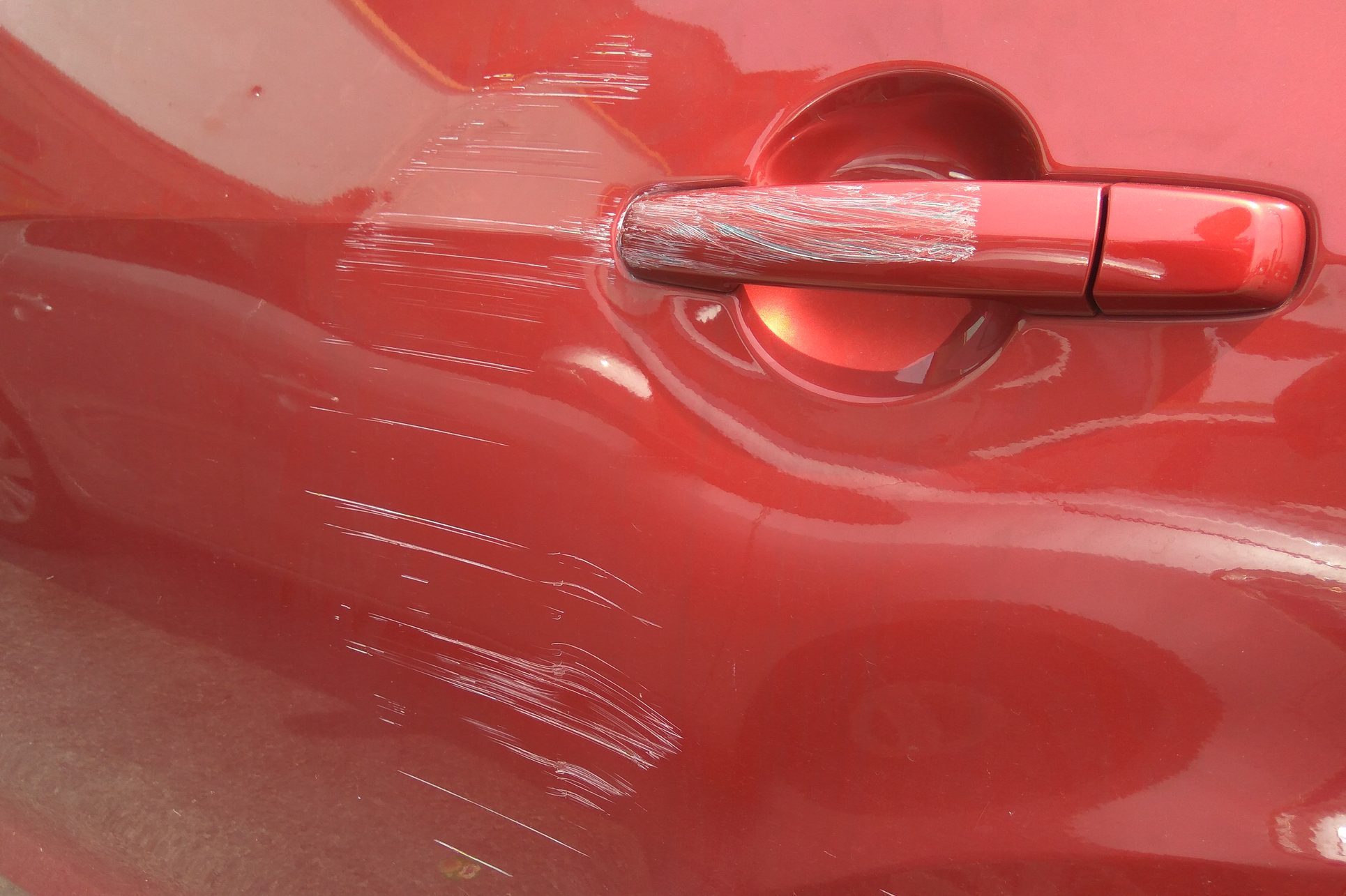
Credit: www.familyhandyman.com
Techniques To Remove Scratches
Scratches on a car can be annoying and spoil its look. Many ways exist to fix these scratches. Some methods work better on small scratches, while others suit deeper ones.
Knowing the right technique helps protect your car’s paint. This guide explains three popular ways to remove scratches from your car’s surface.
Polishing And Buffing
Polishing and buffing use special compounds to smooth out the car’s paint. They work well on light scratches and swirl marks.
The process removes a thin layer of clear coat, which hides the scratch. A polishing machine or hand applicator can be used for this task.
- Apply polish on a soft cloth or pad
- Rub gently on the scratched area in circles
- Wipe off residue with a clean microfiber cloth
- Repeat if needed, but avoid over-polishing
Using Scratch Removers
Scratch removers are products made to fill or hide scratches. They are easy to use and work best on minor surface scratches.
These products often come as liquids or creams. They fill the scratch and blend it with the car’s paint for a smoother look.
- Clean the scratched area first
- Apply a small amount of scratch remover
- Use a cloth to rub it into the scratch
- Let it dry, then buff gently
- Repeat if the scratch is still visible
Wet Sanding Method
Wet sanding uses very fine sandpaper to remove deeper scratches. It is a careful process and best done by someone with experience.
Water keeps the surface wet while sanding. This stops the paint from getting damaged and reduces dust.
- Use 1500 to 3000 grit wet sandpaper
- Soak the sandpaper in water before use
- Sand the scratched area gently in one direction
- Keep the surface wet during sanding
- After sanding, polish the area to restore shine
When To Seek Professional Help
Minor scratches on a car can often be fixed with simple detailing. But some scratches need expert care. Knowing when to get help saves time and money.
Professionals use special tools and skills to repair deep or complex damage. This keeps your car’s paint safe and looking good.
Complex Scratch Repairs
Deep scratches that reach the car’s metal or primer need complex repairs. These scratches cannot be removed by regular detailing. They may cause rust if left untreated.
Professional repair includes sanding, filling, and repainting the damaged area. This process restores the paint and protects the car from further damage.
Paint Touch-ups Vs Detailing
Paint touch-ups fix small chips and scratches by applying matching paint. This helps cover up damage that is too deep for polishing.
Detailing cleans and polishes the car’s surface. It removes light scratches and swirl marks but does not repair deep paint damage.
- Paint touch-ups fix color loss and deep chips
- Detailing restores shine and removes mild scratches
- Choose touch-ups for paint damage
- Choose detailing for surface scratches and cleanliness

Credit: lambencydetailing.com
Tips To Prevent Future Scratches
Scratches on a car can ruin its appearance. It’s important to prevent them before they happen. Here are some easy tips to keep your car looking new.
Protective Coatings
Applying protective coatings can shield your car from scratches. These coatings add a layer of protection that resists light damage.
- Use ceramic coatings for long-lasting protection
- Consider wax for a quick and easy solution
- Sealants provide a balance between ease and durability
Regular Maintenance
Regular maintenance is key to preventing scratches. Check your car often and address any issues quickly.
- Inspect your car for signs of damage weekly
- Touch up minor scratches before they worsen
- Keep your car clean to avoid dirt buildup
Safe Washing Practices
Washing your car the right way prevents scratches. Use gentle methods to keep the paint safe.
| Use a soft sponge or microfiber cloth |
| Wash in a shaded area to avoid sun spots |
| Rinse thoroughly to remove all soap |

Credit: ricksreflections.com
Frequently Asked Questions
Can Car Detailing Remove All Types Of Scratches?
Car detailing can remove minor surface scratches and swirl marks. Deep scratches that penetrate the paint require professional repair or repainting. Detailing improves appearance but may not fix severe damage.
How Does A Car Detail Fix Light Scratches?
Detailing uses polishing compounds and buffers to smooth out light scratches. This process blends scratches into the paint, making them less visible. It restores shine and surface smoothness effectively.
Will Waxing After Detailing Protect Against Scratches?
Waxing adds a protective layer that shields the paint from minor scratches. It also enhances shine and repels dirt and water. Regular waxing helps maintain the car’s finish longer.
How Long Does Scratch Removal Last After Detailing?
Scratch removal effects from detailing can last several months with proper care. Exposure to harsh elements may reduce longevity. Regular washing and waxing help maintain the results.
Conclusion
Car detailing can help reduce light scratches on your car’s surface. It uses polishing and buffing to smooth out minor marks. Deep or large scratches may need professional repair. Regular detailing keeps your car’s paint looking fresh and shiny. Always check the detailer’s experience before starting the work.
Remember, proper care helps maintain your car’s value and beauty. Small scratches don’t have to stay forever. A good detail can make a big difference.







