
Are you thinking about using a radar detector on your next drive? Before you do, it’s crucial to know where these devices are actually allowed.
Using a radar detector might seem like a smart way to avoid speeding tickets, but in some states, it’s illegal—and the penalties can be serious. If you don’t want to risk fines or even losing your device, you need to understand exactly which states ban radar detectors.
Keep reading to find out where you can safely use your radar detector and where you should leave it at home. This knowledge could save you money and stress on the road.
Radar Detector Basics
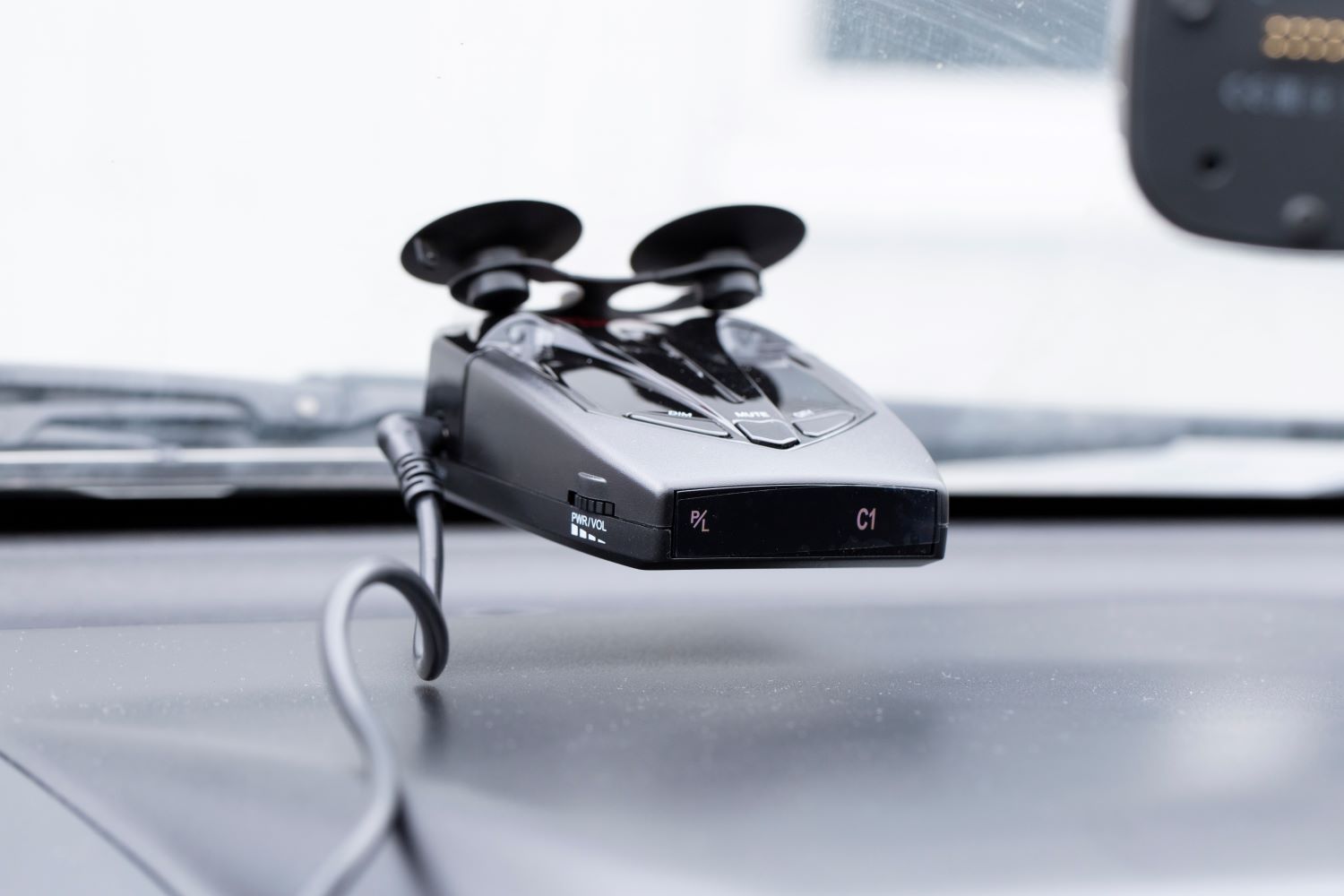
Radar detectors are devices used by drivers to detect radar signals from speed enforcement tools. They alert drivers about nearby speed detection, helping them adjust their speed in time.
Understanding how these devices work and their benefits can help drivers use them wisely and legally.
How Radar Detectors Work
Radar detectors scan the environment for radio waves emitted by police radar guns. When they sense these waves, they send a warning signal to the driver.
- The detector receives radar signals from different bands like X, K, and Ka.
- It processes the signal strength to estimate the distance to the radar source.
- A visual or audio alert warns the driver about the radar’s presence.
- Some detectors include GPS to remember speed camera locations.
Common Uses And Benefits
Many drivers use radar detectors to avoid speeding tickets. These devices also help improve safety by encouraging more careful driving.
| Benefit | Description |
| Speed Awareness | Alerts drivers to slow down before radar zones. |
| Accident Reduction | Encourages safer driving habits. |
| Cost Savings | Helps avoid costly speeding tickets. |
| Route Planning | GPS features warn of fixed speed cameras. |
Credit: www.carparts.com
Federal Radar Detector Laws
Radar detectors are devices that alert drivers about police speed monitoring. Laws about using these devices vary across the country. Federal laws set some rules but states often have their own regulations.
Understanding federal rules can help you know where radar detectors are allowed or illegal. This guide explains federal regulations and special cases.
Overview Of Federal Regulations
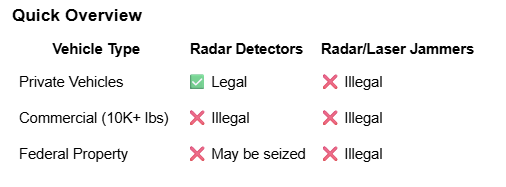
At the federal level, radar detectors are generally legal in private vehicles. The law protects drivers’ rights to use these devices in most cases. However, there are exceptions to this rule.
- Radar detectors are illegal in commercial vehicles weighing more than 10,000 pounds.
- Use of radar detectors is banned on military bases and federal property.
- Devices that detect police laser speed guns are legal under federal law.
Exceptions And Special Cases
Some states and situations have special rules that affect radar detector use. It is important to check these before using a device.
| Location | Radar Detector Rule |
|---|---|
| Virginia | Radar detectors are illegal in all vehicles. |
| Washington D.C. | Radar detectors are banned. |
| Commercial Vehicles | Federal law bans detectors in vehicles over 10,000 pounds. |
| Military Bases | Radar detector use is prohibited. |
| Private Cars in Most States | Radar detectors are legal. |
States Where Radar Detectors Are Illegal
Radar detectors help drivers find police speed traps. But they are illegal in some states. Knowing where you cannot use them is important.
This article shows which states ban radar detectors completely. It also explains rules for commercial vehicles.
Complete Bans
Some states do not allow radar detectors at all. Using one in these states can lead to fines or penalties. The ban often applies to all vehicles.
- Virginia
- Washington D.C.
- California (on commercial trucks)
- New York (on commercial trucks)
Restrictions For Commercial Vehicles
Many states allow radar detectors for cars but ban them in commercial trucks. These rules aim to keep large vehicles safer on roads.
- California: Illegal in trucks over 10,000 pounds
- New York: Commercial vehicles cannot use radar detectors
- New Jersey: Banned for commercial vehicles
- Washington: No radar detectors in commercial trucks
Penalties For Radar Detector Use
Radar detectors are devices that alert drivers about speed monitoring. Some states ban their use completely. Knowing the penalties helps drivers avoid trouble.
This guide covers fines and other legal issues for using radar detectors. It also explains how insurance can be affected by these devices.
Fines And Legal Consequences
Using radar detectors in banned states can lead to serious fines. Some states also impose additional legal penalties.
- Fines range from $100 to over $500, depending on the state.
- Confiscation of the radar detector may occur.
- Repeat offenses can lead to higher fines or court appearances.
- In some states, using these devices can add points to your driving record.
- Commercial vehicles often face stricter rules and penalties.
Impact On Insurance
Insurance companies may view radar detector use as risky driving behavior. This can increase your insurance premiums.
| State | Radar Detector Use | Potential Insurance Impact |
| Virginia | Illegal | Higher premiums possible |
| Washington, D.C. | Illegal | Insurance may increase rates |
| New York | Illegal in commercial vehicles | Risk of premium hikes |
| California | Legal | Usually no effect |
| Texas | Legal | No insurance impact reported |
Radar Detector Use In Military Zones
Radar detectors help drivers spot speed monitoring devices. Some states ban their use in military zones. These rules protect security and safety near these areas.
Understanding where and why these restrictions exist is important. This guide covers key reasons and places to avoid using radar detectors.
Why Restrictions Exist
Military zones often have sensitive equipment. Radar detectors can interfere with this gear. This can cause security risks or disrupt communication.
- Protect military communications from interference
- Prevent detection of military speed enforcement tools
- Ensure driver safety in high-security areas
- Maintain operational secrecy in military zones
Areas To Watch Out For
Radar detectors are illegal in many states near military bases or testing grounds. Signs usually mark these zones clearly.
| State | Military Zone Restrictions |
| Virginia | Radar detectors banned near military bases |
| California | Use prohibited in designated military testing areas |
| Texas | Restrictions apply near certain military installations |
| Florida | Radar detectors illegal on military property |
Credit: www.roadspy.com
Alternatives To Radar Detectors
Radar detectors are not allowed in some states. Knowing alternatives can keep you safe and legal.
Exploring new technology and safe driving tips can help you avoid speeding tickets.
Apps And Technology
Smartphone apps can alert you about speed limits and traffic changes. They are easy to use and often free.
- Waze: Provides real-time alerts from other drivers.
- Google Maps: Shows speed limits and traffic conditions.
- Speed Camera Radar: Alerts you of speed cameras ahead.
Safe Driving Practices
Driving safely is the best way to avoid tickets. Follow speed limits and stay alert on the road.
| Practice | Benefit |
| Keep a safe distance | Prevents collisions |
| Use cruise control | Maintains steady speed |
| Plan your route | Avoids traffic jams |
Tips For Staying Legal With Radar Detectors
Radar detectors help drivers avoid speeding tickets. But, they are not legal in every state. Knowing the laws can keep you out of trouble.
Some states have strict rules about radar detectors. Be informed and cautious to use them legally.
Checking State Laws Regularly
State laws can change over time. Always check the latest regulations for radar detectors.
Some states, like Virginia and Washington D.C., ban radar detectors completely. Know the rules where you drive.
- Virginia: Radar detectors are illegal.
- Washington D.C.: Radar detectors are illegal.
- California: Windshield-mounted detectors are not allowed.
Proper Installation And Use
Install your radar detector correctly to avoid issues. Follow the manufacturer’s instructions carefully.
Use your radar detector wisely. Do not rely solely on it to avoid speeding tickets.
- Place the detector in a legal, visible spot.
- Ensure it is securely mounted.
- Regularly check its functionality.
Credit: www.vortexradar.com
Frequently Asked Questions
Which States Ban Radar Detectors Completely?
Radar detectors are illegal in Virginia, Washington D. C. , and military bases nationwide. Using them there can result in fines or equipment confiscation. Always check local laws before use to avoid penalties.
Are Radar Detectors Illegal In Commercial Vehicles?
Yes, radar detectors are illegal in commercial vehicles over 10,000 pounds in all U. S. states. This restriction aims to ensure safety and compliance with federal regulations for large vehicles.
Can Police Use Radar Detectors Legally In Any State?
Police officers are generally exempt from radar detector laws. They often use radar detection equipment for law enforcement and may not be subject to the same restrictions.
Are Radar Detectors Allowed In Rental Cars?
Radar detector legality in rental cars depends on state laws. Some states prohibit usage regardless of ownership, so always verify local regulations before using one in a rental vehicle.
Conclusion
Knowing which states ban radar detectors helps you stay safe and legal. Laws vary widely across the country, so check local rules before driving. Avoid fines and trouble by respecting these restrictions. Drive smart, follow the law, and use technology wisely.
Stay informed to protect yourself and others on the road. Safety and legality go hand in hand. Keep these points in mind for a smooth, worry-free drive.







