
Have you ever wondered what it really means to detail a car? It’s more than just a quick wash or a simple vacuum.
Detailing your car is about giving it a deep, thorough clean that restores its shine and makes it feel like new again. Imagine stepping into your car and being greeted by a spotless interior and a gleaming exterior that turns heads wherever you go.
You’ll discover exactly what car detailing involves, why it matters, and how it can protect your investment while boosting your pride every time you get behind the wheel. Keep reading to unlock the secrets of car detailing and learn how to make your vehicle look its absolute best.
Car Detailing Basics
Car detailing is the process of cleaning and restoring a car’s appearance. It covers both the outside and inside of the vehicle.
Detailing removes dirt, grime, and stains to keep the car looking new and protected.
Exterior Cleaning Essentials
Cleaning the car’s exterior means washing, drying, and protecting the paint, windows, wheels, and trim.
- Wash the car using a gentle soap and soft sponge
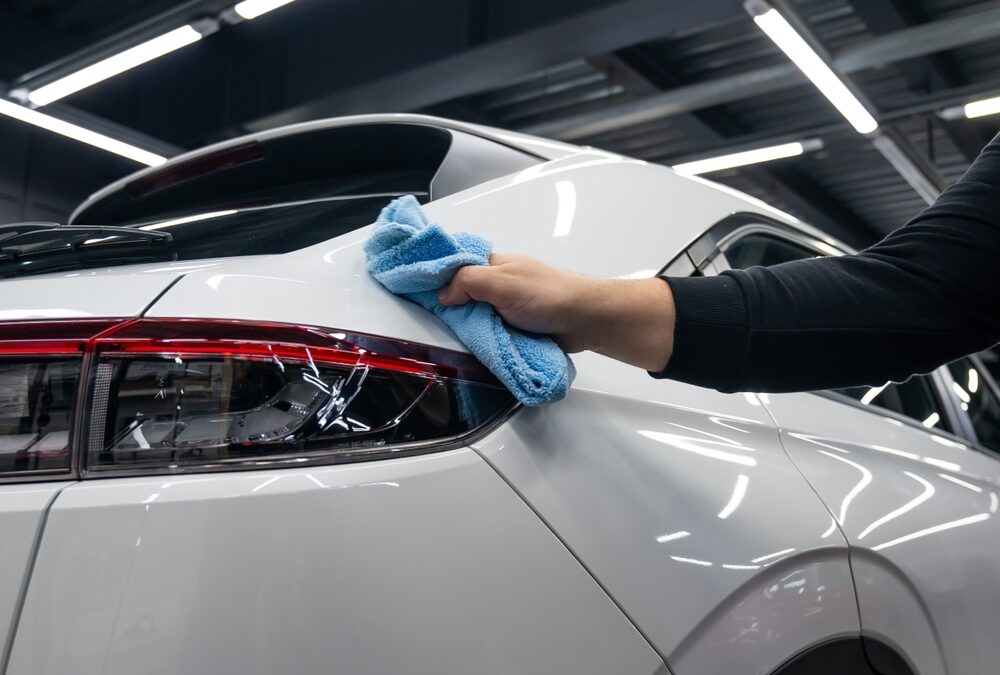
- Dry with a microfiber towel to avoid scratches
- Clean wheels with a brush and wheel cleaner
- Apply wax or sealant to protect the paint
- Clean windows inside and out for clear visibility
Interior Cleaning Essentials
Interior detailing removes dust, stains, and odors from seats, carpets, and surfaces.
- Vacuum seats, carpets, and floor mats thoroughly
- Wipe dashboard, console, and door panels with a damp cloth
- Use a brush to clean air vents and tight spots
- Apply fabric cleaner or leather conditioner where needed
- Remove trash and clutter from the car
Common Detailing Terms
| Term | Meaning |
| Clay Bar | Tool to remove surface contaminants from paint |
| Polishing | Process to smooth paint and remove minor scratches |
| Waxing | Applying a protective layer to the paint |
| Vacuuming | Removing dirt and debris from interior surfaces |
| Shampooing | Cleaning fabric or carpet with a special cleaner |
Credit: tempeautospa.com
Tools And Products
Detailing a car means cleaning it inside and out with care. Using the right tools and products makes the job easier. It also helps protect the car’s surfaces.
This guide covers the main tools and products you need. It includes must-have tools, best cleaning products, and protective coatings.
Must-have Detailing Tools
Good tools help you clean every part of the car well. You need brushes, cloths, and more to reach all areas and avoid damage.
- Microfiber towels for gentle drying and wiping
- Soft-bristle brushes for tires and rims
- Foam applicators for applying wax and polish
- Vacuum cleaner for removing dust and dirt inside
- Spray bottles for water and cleaning solutions
- Clay bar to remove surface contaminants
Best Cleaning Products
Choosing the right cleaning products keeps your car safe and shining. Each product has a special use to clean different surfaces.
| Product | Use | Surface |
| Car shampoo | Wash dirt and grime | Paint |
| Glass cleaner | Remove smudges and dirt | Windows and mirrors |
| All-purpose cleaner | Clean dashboards and plastic | Interior |
| Tire cleaner | Remove brake dust and dirt | Tires and wheels |
| Leather conditioner | Keep leather soft and protected | Seats and trim |
Protective Coatings And Sealants
After cleaning, protective coatings keep the car looking new. They protect paint from dirt, water, and sun damage.
- Wax: Adds shine and basic protection
- Sealant: Lasts longer than wax, stronger protection
- Ceramic coating: Creates a hard layer for long-term defense
- Glass sealant: Repels water on windows for better visibility
Step-by-step Exterior Detailing
Detailing a car means cleaning and restoring its outside parts carefully. This process helps keep the car looking new and protects it from damage.
Exterior detailing has several important steps. Each step cleans and protects the car’s surface in a special way.
Washing Techniques
Start by rinsing the car to remove loose dirt. Use a bucket with water and car shampoo. Wash the car from top to bottom with a soft sponge or mitt.
- Rinse car with water
- Use car shampoo and sponge
- Wash top to bottom
- Rinse off shampoo
- Dry with a microfiber towel
Claying For Smooth Finish
Claying removes tiny particles stuck on the paint. Use a clay bar with lubricant and gently rub over the surface. This leaves the paint smooth and clean.
| Material | Purpose |
|---|---|
| Clay Bar | Remove embedded dirt and contaminants |
| Lubricant Spray | Help clay glide over paint without scratching |
Polishing And Buffing
Polishing removes small scratches and dull spots. Apply polish with a soft cloth or machine polisher. Buff the surface to restore shine and smoothness.
- Choose polish for your paint type
- Apply polish evenly
- Buff with a clean cloth
- Check for even shine
Applying Wax And Sealants
Wax and sealants protect the paint from dirt and weather. Apply in thin layers using a foam applicator. Let it dry, then buff to a glossy finish.
Step-by-step Interior Detailing
Cleaning the inside of a car is important to keep it fresh and neat. Interior detailing means cleaning every part inside the car carefully.
This guide shows how to clean your car’s interior step-by-step. Follow these simple tasks to make your car look like new.
Vacuuming And Dust Removal
Start by vacuuming the seats, floor mats, and carpets. Remove all dirt, crumbs, and dust from these areas.
Use a soft brush attachment to clean vents and small spaces. Dust can hide in hard-to-reach places.
- Vacuum seats, floors, and mats
- Use brush attachment for vents and crevices
- Don’t forget under the seats
- Empty vacuum bag or container often
Cleaning Upholstery And Carpets
Use a gentle cleaner designed for your car’s upholstery type. Spray the cleaner lightly and scrub with a soft brush.
Wipe away excess moisture with a clean cloth. Let the fabric dry well to avoid bad smells or mold.
- Choose cleaner for cloth, leather, or vinyl
- Test cleaner on a small hidden spot first
- Scrub gently with a soft brush
- Dry upholstery with a clean towel
Dashboard And Console Care
Use a microfiber cloth and a mild cleaner to wipe the dashboard and console. Avoid harsh chemicals that can damage surfaces.
Clean buttons, knobs, and screen areas carefully. Use cotton swabs for tight spots to remove dust and dirt.
- Use gentle cleaner and microfiber cloth
- Wipe dashboard, console, and controls
- Use cotton swabs for small spaces
- Avoid spraying cleaner directly on electronics
Glass And Mirror Cleaning
Spray glass cleaner on a soft cloth, not directly on glass. Wipe all windows and mirrors until they are clear and streak-free.
Pay attention to edges and corners to remove all smudges. Clean both inside and outside of glass surfaces for best results.
- Use soft cloth and glass cleaner
- Wipe inside and outside of windows
- Clean mirrors carefully
- Remove all streaks and smudges
Engine Bay Cleaning
Detailing a car includes cleaning the engine bay. This keeps the engine looking good and running well. Regular cleaning also helps to spot leaks and wear early.
Engine bay cleaning involves a few steps. It requires care to avoid damage to components. This guide will help you clean safely and effectively.
Safety Precautions
Safety is important during engine bay cleaning. Take steps to protect yourself and the car’s components.
- Make sure the engine is cool before starting.
- Disconnect the battery to avoid short circuits.
- Wear gloves and goggles to protect your skin and eyes.
- Use a plastic sheet to cover sensitive parts.
Cleaning Process
Cleaning the engine bay is a step-by-step process. Follow these steps for best results.
- Start by removing dust and debris with a brush.
- Apply a degreaser to oily areas and let it sit for a few minutes.
- Use a water hose with low pressure to rinse the bay.
- Dry the area with microfiber towels to prevent water spots.
Protecting Engine Components
Protecting the engine components after cleaning is crucial. This ensures they remain in good condition.
- Use a silicone spray to protect rubber hoses and belts.
- Apply a plastic protectant on plastic parts to keep them shiny.
- Reconnect the battery securely after the cleaning is done.

Credit: www.heightsdetailing.com
Maintaining Your Detail
Keeping your car detailed helps it look good longer. Regular care protects the paint and interior.
Small daily efforts add up to big results. Clean your car often and fix spots quickly.
Regular Washing Tips
Wash your car every two weeks to remove dirt and grime. Use gentle soap made for cars.
- Rinse the car first to remove loose dirt.
- Use a soft sponge or wash mitt to avoid scratches.
- Wash from top to bottom for best results.
- Dry with a clean microfiber cloth to stop water spots.
- Clean wheels separately with a wheel cleaner.
Quick Interior Touch-ups
Keep your car’s inside fresh with small, quick cleanings. Wipe surfaces and vacuum often.
| Task | Frequency |
| Vacuum seats and floors | Once a week |
| Wipe dashboard and door panels | Twice a week |
| Clean windows inside | Once every two weeks |
| Remove trash and clutter | Daily |
When To Reapply Protection
Car protection like wax or sealant fades over time. Check your car’s shine and water beading.
Signs it’s time to reapply:
- Water stops beading on the surface
- Paint looks dull or faded
- Surface feels rough or chalky
- It has been 3-6 months since last application
Professional Vs Diy Detailing
Detailing a car means cleaning it deeply, inside and out. It helps keep the car looking new and protects its value.
People can choose to detail their cars themselves or hire a professional. Both options have good and bad points.
Cost Comparison
DIY detailing usually costs less because you buy your own supplies. You only pay once for products like wax and cleaners.
Professional detailing costs more since experts charge for their time and use special tools. Prices vary by service and location.
- DIY: Buy supplies, no extra fees
- Professional: Pay for service and materials
- DIY is cheaper upfront
- Professional may cost more but save effort
Time And Effort
Doing your own detailing takes time and work. You clean, polish, and dry every part carefully.
Professionals do the job faster because they have experience and special tools. You save your time and energy.
- DIY needs several hours per session
- Professionals finish in less time
- DIY requires physical effort and skill
- Professional service is less tiring for you
Quality And Results
DIY work can look good if you follow steps well. Mistakes may happen without experience or tools.
Professionals usually deliver higher quality results. They know how to handle tough stains and scratches.
- DIY may miss small details
- Professionals clean hard spots better
- DIY can improve with practice
- Professional results are often more polished

Credit: autospa360.com
Common Mistakes To Avoid
Detailing a car requires attention to detail and proper techniques. Mistakes can damage your car’s finish. Avoid these errors to keep your vehicle looking its best.
By understanding these common mistakes, you can protect your car and make it shine. Let’s explore what to avoid during car detailing.
Using Wrong Products
Using the wrong cleaning products can harm your car’s surface. Not all products are safe for every material. Always check labels before use.
Choose products made for your car’s paint and interior. Avoid household cleaners that can cause damage.
- Read product labels carefully
- Test on a small area first
- Use car-specific cleaners
Skipping Steps
Detailing involves multiple steps for a reason. Skipping steps can lead to an incomplete clean. Each step plays a vital role in the overall process.
Follow a sequence to ensure thorough cleaning. Missing steps can leave dirt and grime behind.
- Wash and dry thoroughly
- Polish before waxing
- Inspect all areas afterward
Overlooking Hidden Areas
Hidden areas often collect dirt and debris. Failing to clean these spots can lead to future problems. Pay attention to these overlooked parts.
Use tools to reach tight spaces. Clean under seats, inside vents, and in corners.
- Check under car seats
- Clean air vents
- Wipe door jambs
Frequently Asked Questions
What Is Car Detailing And Why Is It Important?
Car detailing is thorough cleaning, restoration, and finishing of a vehicle. It improves appearance, protects paint, and maintains value. Detailing removes dirt, grime, and minor imperfections. It extends your car’s lifespan and keeps it looking new.
How Often Should You Detail Your Car?
Detailing frequency depends on usage and environment. Generally, every 4 to 6 months is ideal. Regular detailing prevents paint damage and interior wear. It keeps your car fresh, clean, and protected from harsh elements.
What Are The Main Steps In Car Detailing?
Car detailing includes washing, claying, polishing, and waxing the exterior. Interior cleaning involves vacuuming, shampooing, and conditioning surfaces. Professionals also clean windows, tires, and engine bays. Each step enhances the car’s appearance and longevity.
Can Car Detailing Remove Scratches And Stains?
Detailing can reduce minor scratches and stains through polishing and cleaning. Deep scratches may require professional repair. Stains on upholstery often improve with steam cleaning and conditioners. Detailing refreshes surfaces, making imperfections less visible.
Conclusion
Detailing a car keeps it clean and protects its surface. It removes dirt, dust, and stains carefully. This process helps the car look new for longer. Regular detailing can also keep the paint shiny and strong. It saves money by avoiding costly repairs later.
Anyone who cares about their car should consider detailing. Simple steps make a big difference in car care. A clean car feels better to drive every day. Try detailing to enjoy a fresh and neat vehicle.







