
Have you ever wondered what it really means to get a detail on your car? You might think it’s just a fancy wash, but it’s so much more than that.
When your car is detailed, every inch of it is carefully cleaned, polished, and protected to make it look and feel like new. Imagine driving a car that shines, smells fresh, and turns heads wherever you go. You’ll discover exactly what a car detail involves, why it matters, and how it can save you time and money in the long run.
Keep reading to unlock the secrets of car detailing and learn how to keep your ride in top shape.

Credit: www.subarucity.ca
Car Detailing Basics
Car detailing is a thorough cleaning and restoration process. It keeps a vehicle looking new and well-maintained.
Detailing involves cleaning inside and outside the car with special tools and products.
Purpose Of Car Detailing
The main goal is to protect the car’s paint and surfaces from damage. It also improves the vehicle’s appearance and value.
Detailing removes dirt, grime, and small scratches that normal washing cannot fix.
Difference Between Washing And Detailing
Car washing cleans the surface dirt and mud. It is a quick and basic cleaning.
- Washing uses water, soap, and a cloth or sponge.
- Detailing uses many products and tools for deep cleaning.
- Detailing cleans inside the car, like seats and carpets.
- Detailing also polishes and protects paint and trim.
Key Areas Covered In Detailing
| Area | Detailing Tasks |
| Exterior | Washing, polishing, waxing, paint correction |
| Wheels & Tires | Cleaning, tire dressing, brake dust removal |
| Interior | Vacuuming, shampooing carpets, cleaning windows, conditioning leather |
| Engine Bay | Degreasing, wiping, and dressing |
Essential Tools And Products
Detailing a car means cleaning and protecting it carefully. Using the right tools and products makes the job easier. It also helps the car look its best.
This guide covers the main supplies you need. These include cleaning items, polishing and waxing materials, and protective coatings.
Cleaning Supplies
Cleaning removes dirt, dust, and grime from the car’s surface. Good cleaning supplies help avoid scratches and damage.
Basic cleaning products include car wash soap, microfiber cloths, and brushes. A bucket and hose are also needed.
- Car wash soap: gentle and safe for paint
- Microfiber cloths: soft and absorbent
- Foam or soft brushes: for wheels and grills
- Buckets: one for soapy water, one for rinsing
- Hose or pressure washer: to rinse off dirt
Polishing And Waxing Materials
Polishing removes small scratches and smooths the paint. Waxing adds a shiny finish and protects the surface.
Use polish, wax, applicator pads, and soft towels. Polishing machines can help but are not required.
- Car polish: removes swirl marks and fine scratches
- Car wax: creates shine and protects paint
- Applicator pads: apply polish and wax evenly
- Soft microfiber towels: buff and remove excess
Protective Coatings And Sealants
Protective coatings help keep the car clean longer. Sealants form a strong barrier against water and dirt.
These products last longer than wax and give extra protection. Use a clean applicator and follow instructions carefully.
- Paint sealants: synthetic protection for paint
- Ceramic coatings: durable and glossy layer
- Glass sealants: repel water on windows
- Tire and trim protectants: restore and protect rubber and plastic
Step-by-step Detailing Process
Car detailing is a thorough cleaning and restoring process. It improves the vehicle’s appearance inside and out. This guide explains each step of detailing clearly.
Following these steps helps protect your car’s surfaces and keep it looking like new. Let’s start with the outside.
Exterior Cleaning And Preparation
Begin by rinsing the car to remove loose dirt. Use a car shampoo to wash all surfaces gently. Avoid dish soap as it can harm the paint.
Next, clean the wheels and tires with special brushes and cleaners. This removes brake dust and grime. Dry the car with a microfiber towel to avoid water spots.
- Rinse the car with water
- Use car-specific shampoo
- Clean wheels and tires separately
- Dry with a soft microfiber cloth
Paint Correction Techniques
Paint correction fixes surface defects like scratches and swirl marks. Start by inspecting the paint under good light. Use clay bars to remove bonded dirt.
Apply polishing compounds with a machine polisher or by hand. This step smooths the paint and brings back shine. Use finer polish to finish and remove haze.
- Inspect paint for defects
- Use clay bar to clean surface
- Apply polishing compound
- Finish with fine polish
Interior Deep Cleaning
Start interior cleaning by vacuuming seats, carpets, and floor mats. Use brushes to loosen dirt in hard-to-reach areas. Wipe all surfaces with a gentle cleaner.
Clean windows from the inside with a streak-free glass cleaner. Treat leather or fabric seats with appropriate conditioners or cleaners. Remove odors with air fresheners or ozone treatments.
- Vacuum all interior surfaces
- Use brushes for tight spots
- Wipe surfaces with mild cleaner
- Clean interior windows
- Condition seats if needed
Final Protection And Shine
Apply wax or sealant to the paint for protection. This adds shine and shields against dirt and UV rays. Use a foam applicator and work in small sections.
Finish by dressing tires and trim to restore their color. Buff the paint lightly with a microfiber cloth to remove residues and boost gloss.
- Apply wax or paint sealant
- Use foam applicator pads
- Dress tires and trim
- Buff paint with microfiber cloth

Credit: www.reddit.com
Tips For Long-lasting Shine
Keeping your car shiny takes work but is worth the effort. A clean, glossy car looks newer and keeps its value.
Use simple methods often to keep the shine strong. Small steps help protect the car’s paint and surface.
Regular Maintenance Routines
Wash your car every two weeks to remove dirt and grime. Use a gentle soap made for cars to avoid damage.
- Dry the car with a soft microfiber towel to prevent water spots
- Apply wax or sealant every 3 to 4 months for extra protection
- Clean wheels and tires to keep the whole car looking good
- Check and clean windows for clear visibility and shine
Avoiding Common Mistakes
Many people use household cleaners that harm the car’s paint. Avoid this to keep the shine bright.
| Mistake | Effect |
| Using dish soap | Strips wax and dulls paint |
| Washing in direct sun | Leaves water spots and streaks |
| Skipping drying | Causes mineral marks on paint |
| Using rough cloths | Scratches the surface |
Protecting Against Environmental Damage
Sun, rain, and dirt can harm your car’s shine. Use covers or park in shade to reduce damage.
- Use a car cover when parked for long times
- Park in shaded areas to reduce UV damage
- Clean bird droppings and tree sap quickly
- Apply paint protection film for extra defense
Professional Vs. Diy Detailing
Car detailing means cleaning and restoring your vehicle. It helps keep your car looking new. You can choose professional services or do it yourself.
This guide explains the benefits of each option. It covers when to choose DIY and compares costs.
Benefits Of Professional Services
Professional detailers use special tools and products. They clean hard-to-reach areas well. Their work lasts longer and protects your car’s paint.
- Use high-quality cleaning materials
- Offer deep cleaning inside and outside
- Save time and effort
- Provide protective coatings
- Have experience with all car types
When To Choose Diy Detailing
DIY detailing is good if you want to save money. It works well for light cleaning and regular maintenance. You need patience and some basic tools.
- You enjoy hands-on work
- Have time to clean carefully
- Want to detail your car often
- Have access to DIY products
- Need only minor cleaning
Cost Comparison
| Type | Average Cost | Time Needed | Skill Level |
| Professional Detailing | $100 – $300 | 2 – 6 hours | Expert |
| DIY Detailing | $20 – $70 | 3 – 8 hours | Beginner to Intermediate |
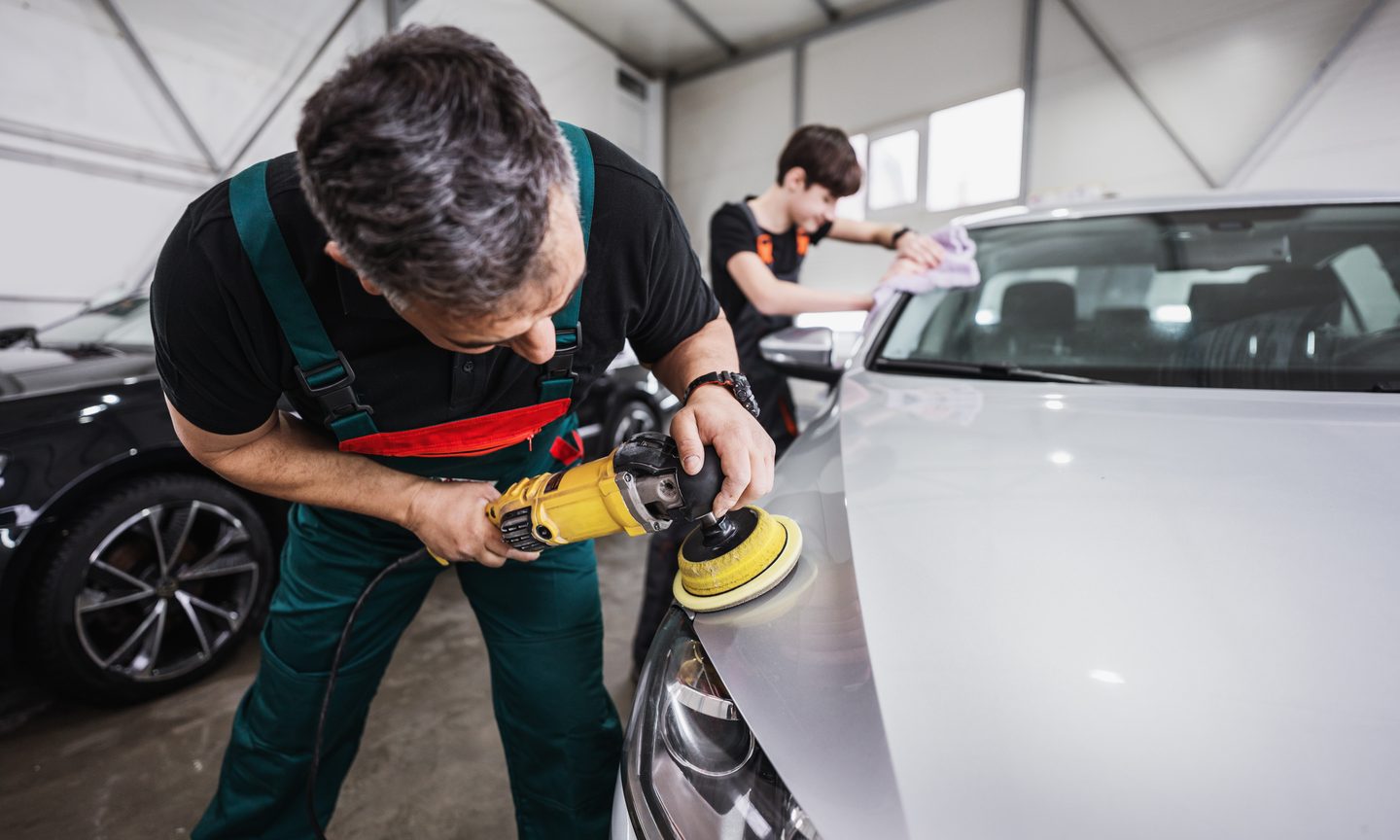
Credit: www.nerdwallet.com
Frequently Asked Questions
What Is Car Detailing Exactly?
Car detailing is a thorough cleaning and restoration process. It enhances both the exterior and interior of a vehicle. This includes washing, polishing, waxing, and deep cleaning surfaces to restore the car’s appearance and protect its value over time.
How Often Should I Detail My Car?
Detailing frequency depends on use and environment. Generally, every 4 to 6 months is ideal. Regular detailing maintains cleanliness, protects paint, and extends the car’s lifespan. More frequent detailing may be needed in harsh weather or dusty conditions.
What Are The Main Types Of Car Detailing?
The two main types are exterior and interior detailing. Exterior focuses on washing, polishing, and waxing the car’s body. Interior detailing cleans and conditions seats, carpets, and dashboard. Both types work together to keep the car looking and feeling new.
Is Professional Car Detailing Worth It?
Professional detailing offers expert care and superior results. Experts use advanced tools and products for deep cleaning and protection. It saves time and ensures the job is done right. This service can increase your car’s resale value and longevity.
Conclusion
Car detailing keeps your vehicle clean and protected. It helps your car look newer and last longer. Regular detailing removes dirt, dust, and grime from every part. It also protects the paint and interior materials. Detailing improves your car’s value and driving experience.
A clean car feels better to drive and shows you care. Simple steps can make a big difference. Taking care of your car with detailing is smart and easy.







