
Have you ever wondered what a car detail really is? Maybe you’ve heard the term but aren’t quite sure what it involves or why it matters for your vehicle.
Imagine your car looking and feeling like new again, inside and out. That’s exactly what a professional car detail can do for you. You’ll discover what car detailing means, why it’s important, and how it can protect your investment. Keep reading to learn how a simple service can make a huge difference for your car’s appearance and value.
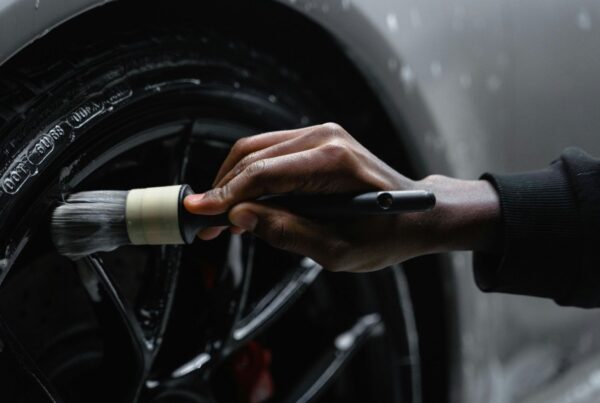
Credit: ceramicpro.com
Car Detailing Basics
Car detailing means cleaning and restoring a vehicle to its best look. It covers all parts, inside and outside. This care helps keep the car nice and protects its value.
Detailing involves many steps. It uses special tools and products. Understanding the basics helps you keep your car clean and fresh for a long time.
Exterior Cleaning Techniques
Cleaning the outside of your car removes dirt, dust, and grime. It also protects the paint from damage. Use gentle soap and soft cloths to avoid scratches.
- Rinse the car with water before washing
- Use car-specific soap for washing
- Wash from top to bottom to avoid dirt spread
- Dry with a microfiber towel to prevent water spots
- Apply wax to protect the paint surface
Interior Care Essentials
The inside of a car needs regular cleaning to stay fresh. Remove trash and vacuum seats and carpets. Use the right cleaners for surfaces like leather or plastic.
| Area | Cleaning Tip |
| Seats | Vacuum and use fabric cleaner for cloth or leather conditioner for leather |
| Dashboard | Wipe with a damp cloth and use protectant to avoid cracking |
| Carpets | Vacuum well and shampoo to remove stains |
| Windows | Use glass cleaner for a clear finish |
Engine Bay Maintenance
Cleaning the engine bay removes grease and dirt that can harm parts. Be careful to avoid sensitive areas like the battery and electrical components. Use a brush and cleaner made for engines.
- Cover electrical parts before cleaning
- Use a degreaser to break down grime
- Rinse lightly with water, avoiding direct sprays
- Dry with a cloth and let the engine cool before starting
Tools And Products Needed
Car detailing needs the right tools and products. These help clean and protect the car well.
Using proper supplies makes the job easier and gives better results. Here are the main items you need.
Cleaning Supplies
Cleaning supplies remove dirt, dust, and grime from the car’s surface. They prepare the car for polishing and protection.
Common cleaning tools include brushes, sponges, and microfiber towels. Use car wash soap to avoid damage.
- Car wash soap
- Microfiber towels
- Soft brushes
- Sponges
- Bucket with grit guard
- Vacuum cleaner
Polishes And Waxes
Polishes fix small scratches and swirl marks on the paint. They make the surface smooth and shiny.
Waxes protect the paint by creating a layer over it. They add shine and help keep dirt away.
- Compound polish for scratches
- Finishing polish for shine
- Carnauba wax for deep shine
- Synthetic wax for longer protection
- Applicator pads
Protective Coatings
Protective coatings guard the car’s paint from weather and chemicals. They last longer than wax.
These coatings need careful application and curing time. They keep the car looking new for many months.
- Ceramic coating
- Paint sealant
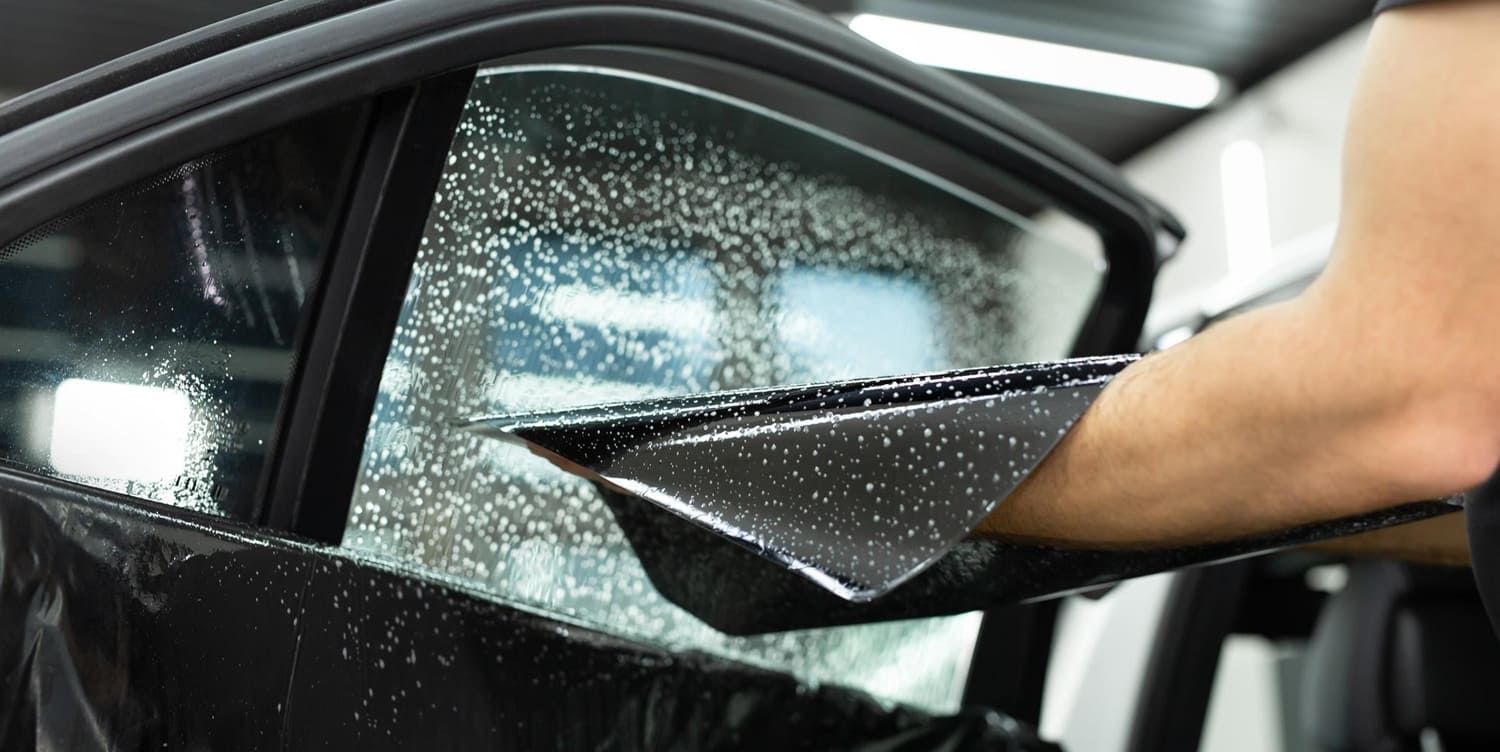
- Glass coating for windows
- Application cloths
- Gloves for safe handling
Step-by-step Detailing Process
Car detailing is a thorough cleaning and reconditioning of your vehicle. It enhances the look and extends the life of the car.
Detailing involves several steps, each focusing on specific parts of the car. Let’s explore each stage in this detailed process.
Pre-wash Preparation
Preparation is crucial for a successful detailing. Gather all necessary supplies and ensure the car is parked in a shaded area.
- Check all cleaning products and tools
- Inspect the car for any damages
- Remove personal items from the interior
Washing And Drying
Washing removes dirt and grime from the car’s surface. Use proper techniques to avoid scratches.
Drying helps prevent water spots. Use microfiber towels for the best results.
Claying And Polishing
Claying removes embedded contaminants. This step is vital for a smooth finish.
Polishing restores shine and removes minor scratches. It prepares the surface for waxing.
Waxing And Sealing
Waxing adds a protective layer to the car’s paint. It enhances gloss and shields against elements.
Sealing provides longer-lasting protection. Choose a high-quality sealant for the best results.
Interior Deep Clean
Deep cleaning the interior involves more than a simple vacuum. It includes cleaning seats, dashboard, and other surfaces.
Freshen the interior with a pleasant scent to complete the detailing.
Common Mistakes To Avoid
Car detailing keeps your vehicle clean and protected. Many people make simple errors that reduce the quality of their work. Avoiding these mistakes helps your car look its best.
Knowing what to skip and what to do right is important. Here are some common errors to watch out for during car detailing.
Using Wrong Products
Using the wrong cleaning products can damage your car’s paint and interior. Some products are too harsh or not made for cars. This can cause fading, scratches, or stains.
- Avoid household cleaners not meant for cars.
- Use pH-balanced soaps for washing the exterior.
- Choose microfiber cloths to prevent scratches.
- Pick interior cleaners made for your car’s materials.
Skipping Surface Prep
Skipping prep steps before detailing leads to poor results. Dirt and grime left on surfaces make polishing and waxing less effective. Proper prep ensures a smooth and shiny finish.
| Prep Step | Why It Matters |
| Washing | Removes loose dirt and dust |
| Claying | Removes embedded contaminants |
| Drying | Prevents water spots and streaks |
| Surface Inspection | Identifies scratches or damage |
Neglecting Interior Details
Many detailers focus on the outside but forget the inside. Dirt and dust build up inside and cause wear. Cleaning interior parts keeps your car fresh and comfortable.
- Vacuum seats, carpets, and floor mats thoroughly.
- Wipe dashboard, door panels, and console with appropriate cleaners.
- Clean vents and small crevices with brushes or compressed air.
- Condition leather seats to keep them soft and prevent cracks.
Benefits Of Regular Detailing
Regular car detailing keeps your vehicle looking its best. It involves thorough cleaning and restoration, enhancing the car’s appearance.
Detailing also protects your investment, ensuring the vehicle remains in top condition for years. Let’s explore the benefits in detail.
Enhancing Appearance
A well-detailed car looks shiny and clean. It turns heads on the road and gives a good impression.
- Removes dirt and grime from the surface
- Polishes the exterior for a glossy finish
- Clears the interior of dust and stains
Protecting Vehicle Value
Detailing can help maintain your car’s value. A clean, well-maintained car is more attractive to buyers.
| Detailing Task | Value Benefit |
| Waxing | Protects paint from wear |
| Interior cleaning | Prevents upholstery damage |
| Engine cleaning | Reduces corrosion risks |
Improving Longevity
Detailing can extend the life of your vehicle. It prevents damage that can lead to costly repairs.
Professional Vs Diy Detailing
Car detailing cleans and restores a vehicle to like-new condition. You can do it yourself or hire a professional service.
Both ways have pros and cons. Let’s look at cost, time, and results to help you decide.
Cost Comparison
Professional detailing costs more upfront. DIY is cheaper but needs buying supplies.
| Type | Average Cost | Additional Costs |
| Professional | $100 – $250 | None |
| DIY | $20 – $80 | Cleaning products, tools |
Time And Effort
Professionals finish detailing quickly. DIY takes more time and work.
- Professional: 1 to 3 hours
- DIY: 4 to 8 hours depending on experience
- Professional: No effort from you
- DIY: You do all cleaning and polishing
Quality Outcomes
Professionals use high-grade tools and products. DIY results vary with skill and gear.
Here are key differences in quality:
- Professional detailers remove deep stains and scratches better.
- DIY may miss spots or leave residues.
- Professionals can protect paint with sealants and waxes.
- DIY protection depends on products used and application method.
Maintaining Your Shine
Car detailing means cleaning and protecting every part of your vehicle. It keeps your car looking bright and fresh for longer.
Regular care helps maintain your car’s shine and value. Small habits can make a big difference.
Routine Cleaning Tips
Wash your car often to remove dirt and dust. Use gentle soap made for cars to avoid damage.
Dry your car with a soft cloth to stop water spots. Clean the wheels and tires regularly too.
- Use a microfiber cloth for washing and drying
- Clean wheels with a separate brush
- Wash in shade to prevent soap drying too fast
- Remove bird droppings quickly to avoid stains
Seasonal Care Advice
Change your cleaning routine with the seasons. Each season brings different challenges for your car’s shine.
In winter, remove salt and grime to stop rust. In summer, protect paint from strong sun rays.
- Use wax in spring to protect against pollen and sap
- Apply sealant in summer for sun and heat protection
- Wash salt off in winter to avoid corrosion
- Check tire pressure regularly in cold weather
Quick Touch-up Tricks
Keep a small kit for quick fixes. This helps your car look clean between full washes.
Use spray wax or detailer sprays for fast shine. Wipe away dust and fingerprints with a soft cloth.
- Carry a microfiber cloth in your car
- Use quick detailer spray after rain or dust
- Remove bug splatters as soon as possible
- Keep small touch-up paint for scratches

Credit: www.detailingdelights.com
Credit: www.rightondetail.com
Frequently Asked Questions
What Is Car Detailing Exactly?
Car detailing is a thorough cleaning and restoration process. It improves both the interior and exterior. The goal is to make the car look like new. It involves washing, polishing, waxing, and deep cleaning.
How Often Should I Get Car Detailing?
Most experts recommend detailing every 4 to 6 months. This keeps your car protected and looking fresh. Frequency depends on weather, usage, and personal preference. Regular detailing preserves paint and interior condition.
What’s The Difference Between Car Wash And Detailing?
A car wash is a basic exterior cleaning. Detailing is more comprehensive, covering interior and exterior. Detailing removes dirt, stains, and minor scratches. It uses special tools and products for deep cleaning.
Does Car Detailing Protect My Vehicle’s Paint?
Yes, detailing protects paint by removing contaminants and applying wax or sealant. This creates a protective barrier against dirt and UV damage. It helps maintain the car’s shine and prevents fading.
Conclusion
Car detailing cleans your vehicle inside and out. It protects your car’s paint and keeps it shiny. Detailing also cleans the seats, carpets, and windows. It helps your car look new for longer. Regular detailing can save money on repairs later.
A clean car feels nicer to drive. Try car detailing to keep your vehicle fresh and cared for. It’s a smart choice for any car owner. Simple care goes a long way.







