
Your leather car seats add a touch of luxury and comfort to every drive. But keeping them clean can feel tricky.
You want to protect your investment without damaging the leather or leaving stubborn stains behind. What if you knew the simple, effective steps to make your seats look fresh and new again? You’ll discover exactly what to clean leather car seats with, so you can keep your ride looking its best—without stress or guesswork.
Ready to bring your leather back to life? Let’s dive in.
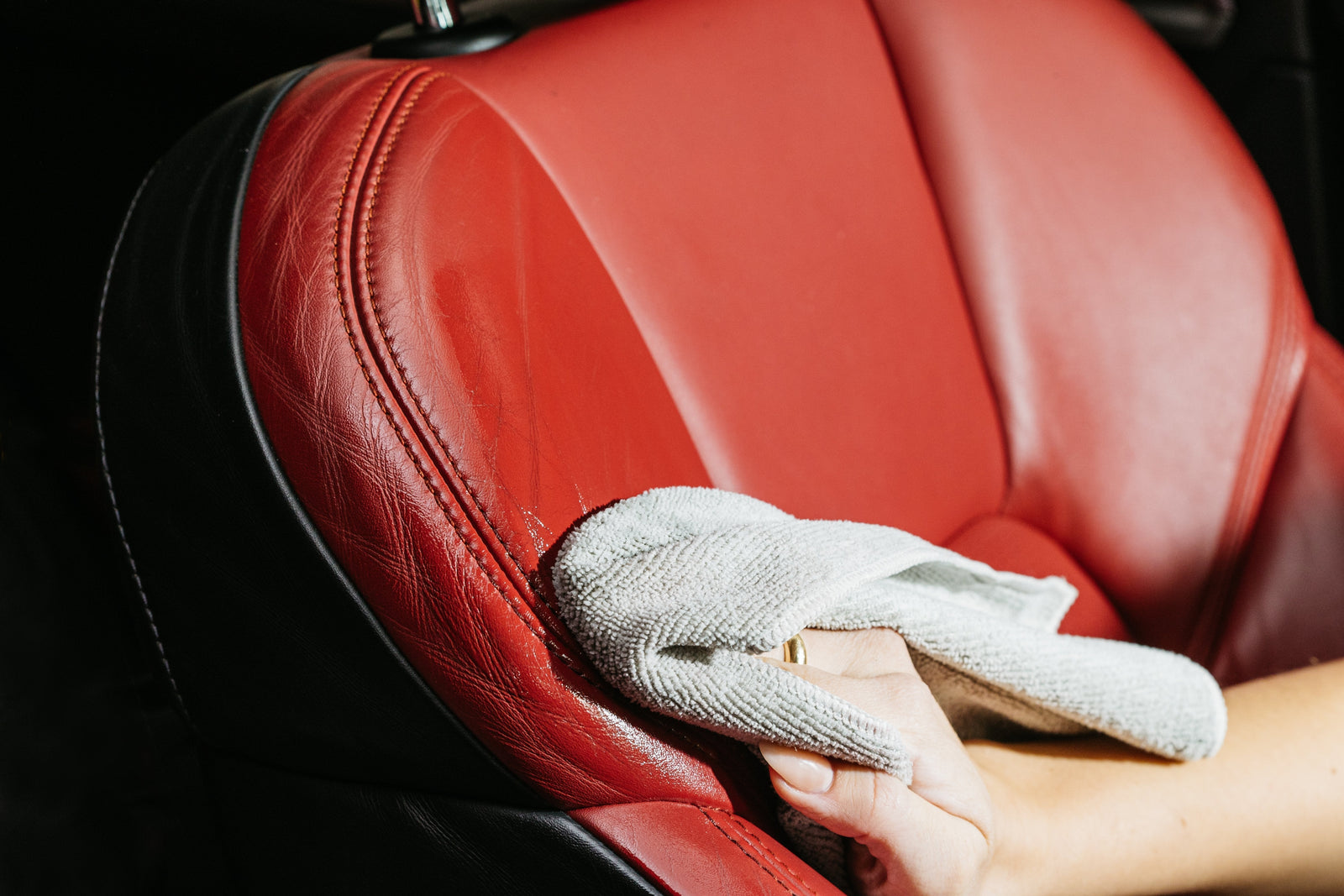
Credit: www.leatherhoney.com
Choosing The Right Cleaner
Cleaning leather car seats keeps them looking fresh and lasts longer. Using the right cleaner protects the leather’s texture and color. Some cleaners work better on certain types of leather.
Pick a cleaner that is safe and gentle. Test it on a small spot before full use. This helps avoid damage or discoloration.
Commercial Leather Cleaners
Commercial leather cleaners are made for car seats. They have ingredients that clean dirt without harming leather. Most are easy to use and come with instructions.
Look for cleaners that say “pH-balanced” or “for leather.” These keep the leather soft and stop cracks.
- Use a soft cloth to apply the cleaner
- Follow product instructions carefully
- Test on a hidden area first
Diy Cleaning Solutions
You can make your own cleaner with simple ingredients. Mild soap mixed with water works well. Vinegar and water can clean but use sparingly.
Always mix cleaners with water to keep them gentle. Too strong solutions can dry out leather.
- Mix a few drops of mild soap with warm water
- Use a soft cloth to wipe the seats
- Dry the leather with a clean towel
Avoiding Harsh Chemicals
Avoid cleaners with alcohol, bleach, or ammonia. These can damage leather and cause it to crack. Strong chemicals remove natural oils from the leather.
Read labels carefully. Choose products made for leather to keep your seats soft and safe.
- Do not use household cleaners with harsh chemicals
- Stay away from abrasive scrubs or brushes
- Keep leather moisturized after cleaning
Tools For Cleaning
Cleaning leather car seats needs the right tools to keep them safe. Using proper items helps avoid damage and keeps seats looking good.
Different tools work best for different cleaning steps. Choosing the right ones makes the job easier and more effective.
Soft Cloths And Microfiber Towels
Soft cloths and microfiber towels are gentle on leather surfaces. They clean dirt without scratching or causing wear.
Microfiber towels hold dust and dirt well. They also absorb cleaning liquids without leaving streaks.
- Use clean, dry microfiber towels for wiping
- Soft cotton cloths work for light dusting
- Avoid rough fabrics that might scratch leather
Soft-bristled Brushes
Soft-bristled brushes help remove dirt from leather seams and crevices. They reach spots cloths cannot clean well.
Choose brushes with gentle bristles to avoid damaging the leather. Use light pressure to lift dirt without rubbing hard.
- Brush seats gently to loosen dirt
- Focus on stitching and folds
- Clean brush after use to avoid spreading dirt
Vacuuming Accessories
Vacuuming accessories like soft nozzles and crevice tools remove loose dirt. They prepare leather seats before deep cleaning.
Use vacuum attachments that are safe for leather. Avoid brushes with hard bristles that can scratch the surface.
- Soft brush vacuum heads prevent damage
- Crevice tools reach narrow spaces between seats
- Vacuum seats before using liquids to remove dust
Pre-cleaning Preparation
Cleaning leather car seats needs careful preparation. This helps protect the leather and keep it looking good.
Start by getting rid of loose dirt and testing cleaners safely. These steps prevent damage during cleaning.
Removing Loose Dirt And Debris
Use a soft brush or vacuum to remove dirt and crumbs. This stops dirt from scratching the leather while cleaning.
Pay attention to seat creases and seams. Dirt often hides in these tight spaces.
- Use a vacuum with a soft brush attachment
- Brush gently along the seams and edges
- Remove all loose debris before applying cleaners
Testing Cleaners On Hidden Areas
Try any cleaner on a small hidden spot first. This shows if the cleaner will harm the leather.
Look for color changes or damage after testing. If safe, you can clean the whole seat.
- Choose a less visible area like under the seat
- Apply a small amount of cleaner
- Wait 10 minutes and check for any changes
- Do not use cleaners that cause fading or cracking
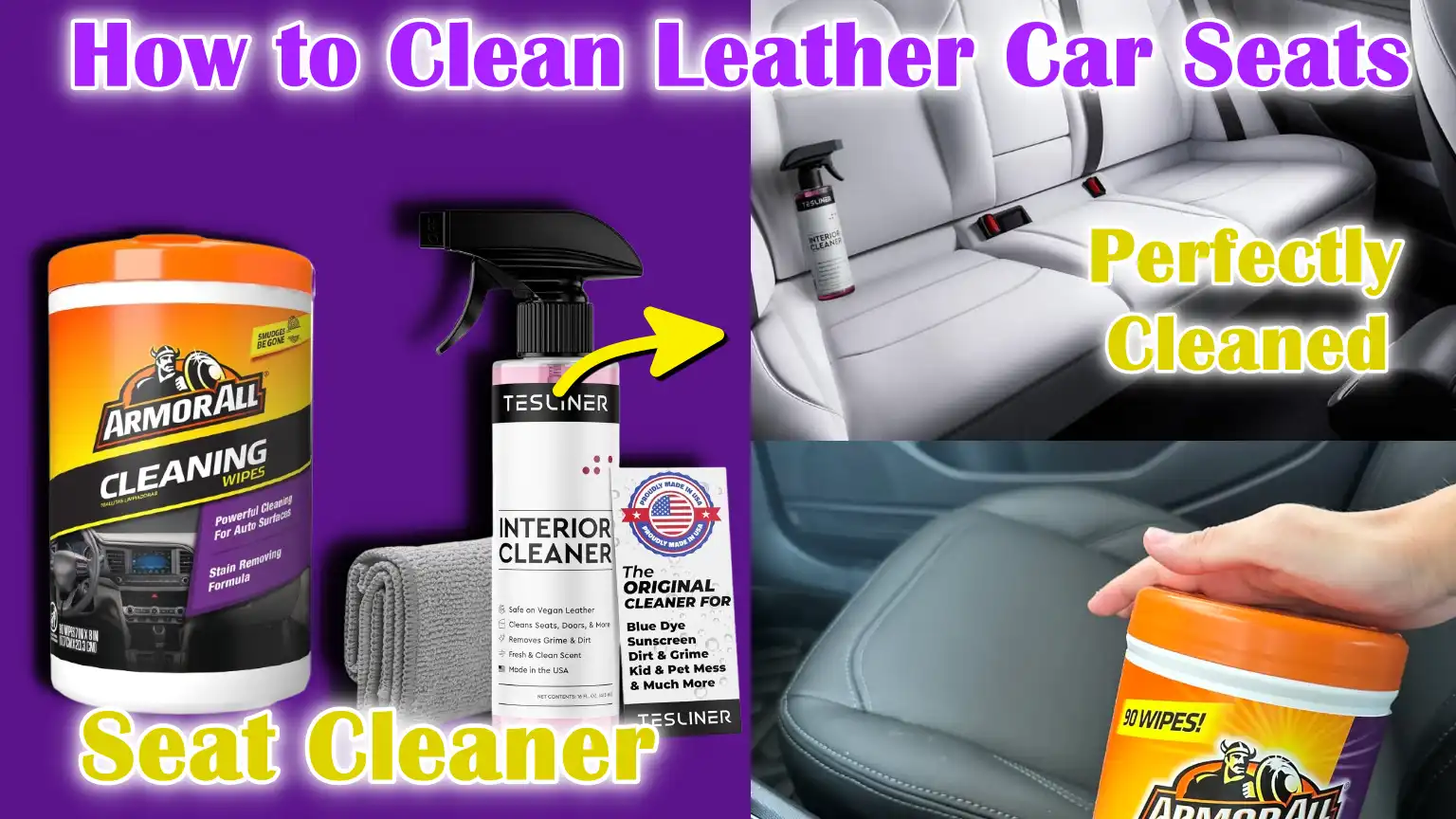
Credit: dondodicarcustoms.com
Step-by-step Cleaning Process
Cleaning leather car seats can keep them looking new. Follow these steps to clean them easily and safely.
You will need a leather cleaner, soft brush, and microfiber cloths. Make sure to test the cleaner on a small area first.
Applying Cleaner Properly
Start by applying the leather cleaner to a soft cloth. Never apply the cleaner directly to the seats. This helps to avoid stains and damage.
Work in small sections to ensure even coverage. This method allows you to focus on cleaning without missing any spots.
Gentle Scrubbing Techniques
Use a soft brush to gently scrub the leather. Move the brush in circular motions. This helps to lift dirt without scratching the surface.
Be careful not to press too hard. Gentle pressure protects the leather and keeps it soft.
Wiping And Drying
After scrubbing, use a clean microfiber cloth to wipe off the cleaner. Make sure all residue is removed to prevent streaks.
Allow the seats to air dry completely. Avoid sitting on them until they are fully dry to maintain their condition.
Conditioning Leather Seats
Leather car seats need care to stay soft and look good. Conditioning helps protect leather from drying out and cracking.
Using the right conditioner keeps your seats smooth and extends their life. Learn how to choose and apply conditioners properly.
Benefits Of Conditioning
Conditioning leather seats adds moisture to the leather. It helps prevent cracks and fading caused by sun and wear.
- Restores softness and flexibility
- Protects against dirt and spills
- Maintains the leather’s color and shine
- Extends the life of the seats
Choosing The Right Conditioner
Pick a conditioner made for automotive leather. Some formulas work better for smooth leather, others for suede.
| Conditioner Type | Best For | Key Feature |
| Oil-based | Smooth leather | Deep moisture and shine |
| Water-based | All leather types | Light and quick drying |
| Wax-based | Older leather | Strong protection and gloss |
Application Tips
Clean seats before conditioning. Use a soft cloth to apply the product in small amounts.
- Test conditioner on a hidden spot first
- Apply evenly with a microfiber cloth
- Let it absorb for 10 to 15 minutes
- Buff gently to remove excess product
- Repeat every 3 to 6 months for best care
Maintaining Leather Seats
Leather car seats need special care to keep them looking good. Cleaning them regularly helps protect the leather.
Proper care stops cracks, stains, and fading. Use gentle methods to keep your seats soft and shiny.
Regular Cleaning Schedule
Clean your leather seats every two weeks to remove dirt and dust. Use a soft cloth and mild cleaner made for leather.
Wipe seats gently and avoid harsh chemicals. This keeps the leather smooth and prevents damage.
- Vacuum seats first to remove loose dirt
- Use leather cleaner or mild soap with water
- Wipe with a soft, damp cloth
- Dry seats with a clean towel
Protecting From Sun Damage
Sunlight can dry out leather and cause fading. Use sunshades or park in the shade to protect your seats.
Apply leather conditioner every few months. This keeps the leather soft and stops cracks from forming.
- Use window sunshades during parking
- Park in shaded areas when possible
- Apply leather conditioner regularly
Handling Spills And Stains Quickly
Clean spills as soon as they happen. Blot liquids with a dry cloth instead of rubbing to avoid spreading.
For stains, use a leather cleaner made for cars. Test it on a small area first to prevent damage.
- Blot spills immediately with a clean cloth
- Use a soft brush to gently remove dirt
- Apply leather cleaner carefully on stains
- Do not use harsh chemicals or bleach
Common Mistakes To Avoid
Cleaning leather car seats can be tricky. Many people make mistakes that damage their seats over time. Let’s look at common errors and how to avoid them.
Protect your leather seats by understanding what not to do. This will keep them looking great for years.
Using Too Much Water
Water can harm leather seats if used excessively. It may cause stains or damage the material.
- Always use a damp cloth, not soaking wet.
- Dry the seats immediately after cleaning.
- Avoid using water near seams and stitching.
Ignoring Manufacturer Instructions
Each car seat may have specific cleaning guidelines. Ignoring these can lead to damage.
Check the car manual or manufacturer website for cleaning tips. Use only recommended products.
Overlooking Seat Crevices
Seat crevices can collect dirt and debris. These areas are often missed during cleaning.
| Tool | Purpose |
| Soft brush | Remove dirt from tight spaces |
| Vacuum | Clear loose debris |
| Microfiber cloth | Wipe away dust |

Credit: detailsupreme.com
Frequently Asked Questions
How Do I Clean Leather Car Seats Safely?
Use a mild leather cleaner and a soft cloth. Avoid harsh chemicals that damage leather. Test cleaner on a small area first. Gently wipe the seats in circular motions. Dry with a clean microfiber towel to prevent moisture damage.
What Household Items Can Clean Leather Car Seats?
Mild soap mixed with water works well for light cleaning. Avoid bleach or ammonia-based cleaners as they harm leather. Use a soft cloth to apply the solution. Always condition leather seats after cleaning to maintain softness and prevent cracking.
How Often Should Leather Car Seats Be Cleaned?
Clean leather seats every 3 months for regular maintenance. Wipe spills immediately to avoid stains. Condition the leather every 6 months to keep it supple and prevent drying or cracking over time.
Can I Use Conditioner On Leather Car Seats?
Yes, use a leather conditioner designed for car seats. It nourishes and protects the leather, preventing cracks and fading. Apply conditioner after cleaning and buff lightly for best results. Avoid over-conditioning, which can cause sticky surfaces.
Conclusion
Cleaning leather car seats keeps them soft and looking new. Use gentle cleaners made for leather. Avoid harsh chemicals that can dry or crack the seats. Regular cleaning removes dirt and prevents stains. Wipe seats with a soft cloth to protect the surface.
Conditioning the leather helps keep it smooth and flexible. Small efforts now save big repair costs later. Take care of your leather seats to enjoy a fresh, comfortable ride every day. Simple steps make a big difference. Your car deserves this kind of care.







