
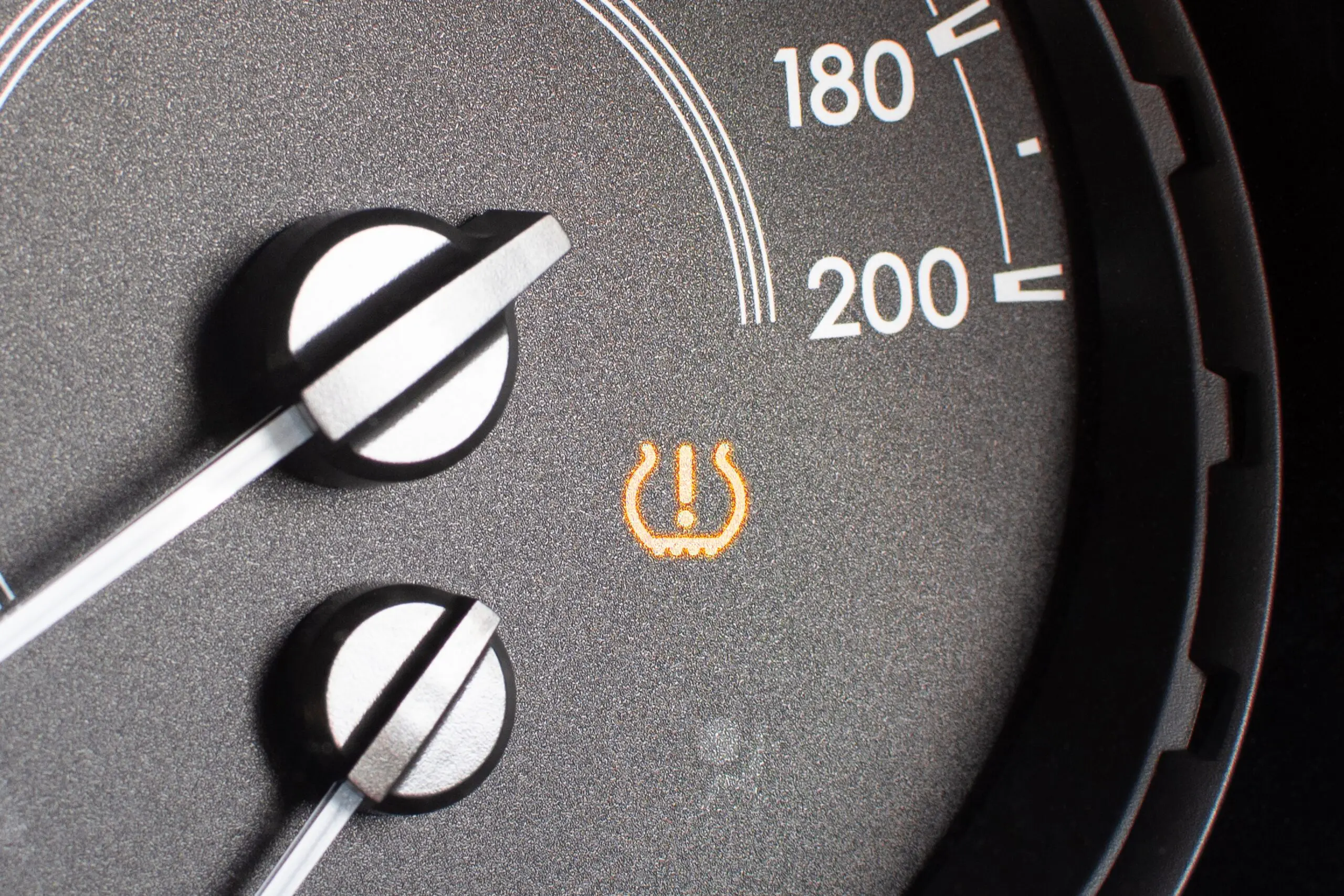
Have you ever noticed that little warning light on your dashboard that looks like a flat tire? That’s your TPMS sensor at work.
But what exactly is a TPMS sensor, and how does it keep you safe on the road? Understanding this small device can save you from unexpected tire trouble, improve your car’s performance, and even save fuel. Keep reading, and you’ll discover how this smart sensor works and why it’s so important for your vehicle’s health.
Tpms Sensor Basics
A TPMS sensor checks the air pressure inside a vehicle’s tires. It helps keep tires safe and working well.
This sensor sends data to the car’s computer. Drivers get alerts if tire pressure is too low or high.
Purpose Of Tpms Sensors
TPMS sensors help prevent tire problems. They improve safety by warning about air pressure changes.
Proper tire pressure saves fuel and extends tire life. TPMS sensors support better driving and handling.
Types Of Tpms Sensors
There are two main types of TPMS sensors. They work in different ways to monitor tire pressure.
Direct TPMS sensors measure pressure inside each tire. Indirect TPMS uses the vehicle’s ABS system to check tire rotation.
- Direct TPMS:Sensors inside tires send exact air pressure data.
- Indirect TPMS:Uses wheel speed sensors to detect pressure changes.
How Tpms Sensors Function
TPMS sensors help monitor the air pressure inside vehicle tires. They send real-time data to the car’s computer system. This helps keep tires at the right pressure for safety and efficiency.
These sensors work using small electronic parts and wireless signals. Understanding their components and how they send data shows how they keep drivers informed.
Sensor Components
Each TPMS sensor includes several key parts that work together to measure tire pressure and temperature. These parts collect and send the needed information.
- Pressure Sensor:Detects the air pressure inside the tire.
- Temperature Sensor:Measures the tire’s temperature, which affects pressure.
- Battery:Powers the sensor to work continuously.
- Microcontroller:Processes the sensor data and controls signals.
- Transmitter:Sends the data wirelessly to the vehicle’s receiver.
- Valve Stem:Connects the sensor to the tire and allows air filling.
Data Transmission Process
The TPMS sensor sends pressure and temperature data through a wireless signal. This data reaches the car’s central computer, which shows alerts if pressure is low or high.
| Step | Action |
|---|---|
| 1 | Sensor measures tire pressure and temperature. |
| 2 | Microcontroller processes the data. |
| 3 | Transmitter sends data wirelessly to the vehicle receiver. |
| 4 | Vehicle computer analyzes data and alerts driver if needed. |
Benefits Of Using Tpms Sensors
TPMS sensors help monitor your tire pressure. They send alerts if pressure is low or high.
Using TPMS sensors keeps your driving safer and can save money on fuel. They are useful for all drivers.
Safety Advantages
TPMS sensors warn you about tire problems early. This helps prevent accidents caused by tire blowouts.
Maintaining proper tire pressure improves car control and braking. It also reduces tire wear and tear.
- Alerts for low or high tire pressure
- Prevents sudden tire failures
- Improves vehicle handling and braking
- Reduces risk of accidents
Fuel Efficiency Improvements
Proper tire pressure lowers rolling resistance. This means your car uses less fuel to move.
TPMS sensors help keep tires inflated correctly. This saves money and reduces pollution from extra fuel use.
- Maintains correct tire pressure
- Reduces fuel consumption
- Saves money on gas
- Decreases harmful emissions

Credit: www.amazon.com
Common Tpms Sensor Issues
TPMS sensors keep track of tire pressure in your car. They help ensure safe driving conditions. Understanding common issues can help maintain your system.
Learn about common problems like sensor malfunctions and battery life concerns. Being aware helps in taking timely action.
Sensor Malfunctions
Sensor malfunctions can occur due to various reasons. They affect accurate tire pressure readings. Dust, dirt, or impact can cause these issues.
- Incorrect tire pressure readings
- Frequent warning light activations
- False alarms
Battery Life Concerns
Battery life in TPMS sensors is crucial for consistent operation. Most sensors have a battery life of 5 to 10 years. When the battery dies, the sensor stops working.
| Battery Life (Years) | Action Required |
| 5 | Check battery status |
| 7 | Consider replacement |
| 10 | Replace battery |
Maintenance And Replacement
TPMS sensors monitor your tire pressure and help keep you safe. Proper maintenance ensures they work well.
Knowing when to replace sensors avoids unexpected problems on the road. Regular checks are important.
Sensor Calibration
Calibration adjusts the sensor to the correct tire pressure settings. It helps the sensor give accurate readings.
Some sensors calibrate automatically after driving a short distance. Others need manual calibration using a tool or your car’s system.
- Check your vehicle manual for calibration instructions.
- Calibrate after changing or rotating tires.
- Recalibrate if the tire pressure warning light stays on.
When To Replace Tpms Sensors
TPMS sensors have batteries that last about 5 to 10 years. Replace sensors when batteries die or sensors break.
Replace sensors if you see warning lights that do not go off after calibration. Damaged sensors can give wrong pressure info.
- Replace sensors after 5 to 10 years of use.
- Replace if sensors stop sending signals.
- Change sensors if you buy new tires and sensors are old.
- Replace damaged sensors after accidents or tire repairs.

Credit: www.youtube.com
Tpms Sensor Installation
The Tire Pressure Monitoring System (TPMS) sensor is vital for vehicle safety. It alerts drivers to changes in tire pressure. Proper installation ensures accurate readings.
Understanding installation can help maintain your vehicle’s performance. Whether you do it yourself or hire a professional, knowing the steps is important.
Installation Steps
Installing a TPMS sensor involves several key steps. Following these ensures the sensor functions correctly.
- Remove the tire from the vehicle.
- Deflate the tire completely.
- Detach the old TPMS sensor.
- Install the new sensor on the valve stem.
- Reinflate the tire to recommended pressure.
- Reattach the tire to the vehicle.
- Perform system reset to recognize new sensor.
Professional Vs Diy Installation
Choosing between professional and DIY installation depends on your skills. Each option has pros and cons.
| Professional Installation | DIY Installation |
| Expertise and experience | Cost-effective if skilled |
| Warranty on work | Requires tools and knowledge |
| Time-saving | Can be time-consuming |
Understanding your comfort level with car repairs can help you decide. Professionals offer convenience, while DIY saves money.
Legal Requirements And Regulations
TPMS sensors help monitor tire pressure and improve vehicle safety. Many countries require vehicles to have working TPMS sensors by law.
This section explains TPMS laws by region and offers tips to stay compliant with regulations.
Tpms Laws By Region
In the United States, all cars made after 2007 must have TPMS sensors. This rule helps reduce accidents caused by low tire pressure.
In the European Union, TPMS became mandatory for new passenger cars from 2014. The system must alert drivers if tire pressure drops below safe levels.
Some Asian countries require TPMS on certain vehicle types or model years. The rules vary depending on the region and vehicle class.
Compliance Tips
Meeting TPMS legal requirements keeps your vehicle safe and avoids fines. Follow these tips to stay compliant:
- Check if your vehicle needs TPMS by law in your region.
- Use OEM or certified TPMS sensors for replacements.
- Test the TPMS system regularly to ensure it works properly.
- Keep TPMS sensor batteries charged or replaced on time.
- Follow local regulations on tire pressure and sensor maintenance.
| Region | TPMS Requirement | Effective Year |
| United States | Mandatory on new cars | 2007 |
| European Union | Mandatory on new passenger cars | 2014 |
| Japan | Required on some vehicles | Varies by model |
| China | Increasing TPMS adoption | Ongoing |
Credit: www.telletire.com
Frequently Asked Questions
What Is A Tpms Sensor In Vehicles?
A TPMS sensor monitors tire pressure in real-time. It alerts drivers if pressure falls below safety levels. This helps prevent accidents and improves fuel efficiency.
How Does A Tpms Sensor Work?
The sensor measures tire pressure using internal gauges. It sends data wirelessly to the vehicle’s computer. The system alerts the driver when pressure is low.
Why Is A Tpms Sensor Important For Safety?
Proper tire pressure ensures better vehicle control and braking. TPMS sensors prevent tire blowouts by warning early. This enhances driver safety and road performance.
Can Tpms Sensors Detect Slow Leaks?
Yes, TPMS sensors can identify gradual pressure drops. They alert drivers before a flat tire occurs. This allows timely tire maintenance and prevents damage.
Conclusion
A TPMS sensor helps keep your tires safe and properly inflated. It sends real-time information to your car’s system. This alerts you if tire pressure is too low or too high. Proper tire pressure improves safety and fuel efficiency. Understanding how the sensor works helps you maintain your vehicle better.
Regularly checking your TPMS can prevent accidents and save money. This small device plays a big role in safe driving. Knowing its function makes you a smarter driver.







