
Have you ever wondered why your car’s speedometer might sometimes show a different speed than what you expect? Or why changing your tires could affect your vehicle’s performance and fuel efficiency?
The answer often lies in something called the tire rolling circumference. Understanding this simple yet crucial measurement can help you make smarter choices for your tires and improve your driving experience. You’ll discover exactly what tire rolling circumference is, why it matters, and how it impacts your vehicle every time you hit the road.
Keep reading to unlock the key to smoother, safer, and more efficient driving.

Credit: bndtechsource.wixsite.com
Tire Rolling Circumference Basics
Tire rolling circumference is the distance a tire travels in one full rotation. It is important for vehicles to measure speed and distance accurately.
Understanding this concept helps improve vehicle performance and safety systems like ABS and traction control.
Definition And Key Concepts
Tire rolling circumference is the length around the outer edge of a tire. It shows how far the tire moves when it rolls once on the road.
The size of the tire, tire pressure, and load affect the rolling circumference. It is not the same as the tire’s diameter or width.
- Rolling circumference:Distance traveled in one full tire turn
- Diameter:Distance across the tire through the center
- Tire pressure:Air pressure inside the tire
- Load:Weight the tire carries
Why It Matters For Accuracy
Correct rolling circumference ensures the speedometer shows the right speed. It also helps the odometer count the right distance.
Vehicles use rolling circumference for safety features like ABS and stability control. Wrong data can cause these systems to work poorly.
- Improves speedometer accuracy
- Ensures correct distance tracking
- Helps safety systems function properly
- Supports better fuel efficiency monitoring
Factors Influencing Rolling Circumference
The rolling circumference of a tire is the distance it covers in one full rotation. It affects speedometer accuracy and vehicle performance. Several factors can change this measurement from the tire’s nominal size.
Understanding these factors helps in choosing the right tires and maintaining vehicle safety and efficiency.
Tire Size And Width
Tire size includes the diameter, width, and aspect ratio. Larger tires have a bigger rolling circumference. Wider tires may also slightly change the circumference due to shape and contact with the road.
Even small changes in size affect the rolling distance per rotation. This impacts speedometer readings and fuel economy.
Tire Pressure Effects
Tire pressure changes the shape of the tire and its contact patch. Lower pressure causes the tire to flatten more, reducing the rolling circumference. Higher pressure keeps the tire rounder, increasing it.
- Low pressure reduces rolling circumference
- High pressure increases rolling circumference
- Incorrect pressure can cause uneven wear
- Proper pressure keeps readings accurate
Load And Weight Impact
When a tire carries heavy loads, it compresses more. This compression lowers the tire’s height and rolling circumference. The more weight on the tire, the more it squashes.
| Load Condition | Effect on Rolling Circumference |
|---|---|
| Light Load | Minimal compression, near standard circumference |
| Medium Load | Moderate compression, slight reduction |
| Heavy Load | Significant compression, noticeable reduction |
Tread Wear Considerations
Tread wears down over time, reducing tire diameter. This wear shortens the rolling circumference. Tires with worn tread cover less distance per rotation than new tires.
Regularly checking tread depth helps keep rolling circumference consistent and maintains accurate speed and distance measurements.
Measuring Rolling Circumference
Rolling circumference is the distance a tire covers in one full turn. It helps to understand tire size and vehicle speed. Measuring it accurately is important for correct speedometer and odometer readings.
You can measure rolling circumference manually or use tools and technology. It is also important to avoid common mistakes during measurement.
Manual Measurement Techniques
One simple way to measure is by marking the tire and ground. Roll the tire one full turn and measure the distance between the marks. This method needs a flat surface and care.
- Mark a point on the tire tread.
- Mark the ground where the tire touches.
- Roll the tire exactly one full revolution.
- Measure the distance between the two marks.
Using Technology And Tools
Technology can make measuring rolling circumference easier and more accurate. Tools like measuring wheels, tape measures, and smartphone apps help in this task.
| Tool | Use | Accuracy |
| Measuring wheel | Roll alongside tire | High |
| Tape measure | Measure tire circumference directly | Medium |
| Smartphone app | Calculate using sensors | Varies |
Common Measurement Errors
Errors can happen if the tire is not fully inflated or if the surface is uneven. Other mistakes include inaccurate marking or rolling the tire less than one full turn.
- Measuring on a sloped or rough surface.
- Incorrectly marking the starting point.
- Not rolling the tire exactly one full rotation.
- Ignoring tire pressure changes.

Credit: autos.maxabout.com
Applications In Cycling And Vehicles
Tire rolling circumference is the distance a tire covers in one full turn. This measurement helps in cycling and vehicles. It affects devices that measure speed and distance.
Using the correct tire rolling circumference makes devices more accurate. It helps riders and drivers monitor their performance well.
Speedometer Calibration
Speedometers use tire rolling circumference to show the correct speed. If the tire size is wrong, the speed shown will be off.
Calibrating the speedometer with the right tire size ensures safe driving. It helps drivers follow speed limits better.
Cycling Computer Accuracy
Cycling computers use tire rolling circumference to track distance and speed. An accurate number helps cyclists train better.
If the tire size is wrong, the computer will give wrong data. Setting the right circumference improves ride tracking and planning.
Vehicle Performance Monitoring
Vehicles use tire rolling circumference to monitor fuel use and performance. It helps in calculating real travel distance.
Correct tire size data helps in better maintenance and efficiency checks. It also helps in analyzing tire wear and replacements.
Adjusting For Accurate Results
Tire rolling circumference is the distance a tire covers in one complete revolution. It is crucial for accurate vehicle performance. Adjusting this measurement ensures better fuel efficiency and tire lifespan.
To get accurate results, consider factors like tire pressure, regular measurements, and wear. These factors affect your tire’s rolling circumference over time.
Correcting Tire Pressure
Correct tire pressure is vital for maintaining the right rolling circumference. Underinflated or overinflated tires alter the measurement. This affects your car’s performance and safety.
Check your tire pressure regularly. Use a reliable gauge and follow the manufacturer’s recommendations for optimal results.
- Check pressure monthly
- Adjust for temperature changes
- Use a quality pressure gauge
Regular Measurement Updates
Regularly updating your tire’s rolling circumference is important. Tires can change over time due to various factors. Consistent measurements help detect changes early.
Keep a record of your measurements. Compare them over time to notice any significant changes that may require attention.
| Month | Measured Circumference |
| January | 2.05 meters |
| July | 2.03 meters |
Accounting For Wear And Conditions
Tire wear affects rolling circumference. As tires wear down, their circumference decreases. Road conditions also play a role in this change.
Monitor your tire’s tread depth. Replace tires when necessary to ensure accurate rolling circumference and maintain vehicle performance.
- Check tread depth regularly
- Consider road conditions
- Replace worn-out tires timely
Tips For Maintaining Accuracy
Tire rolling circumference is the distance a tire covers in one full rotation. Accurate measurement helps with speed and distance readings.
Maintaining accuracy is important for vehicle performance and safety. Here are some tips to keep your tire measurements correct.
Routine Tire Inspections
Check your tires regularly for wear and damage. Worn tires can change the rolling circumference.
Look for cracks, cuts, or uneven tread. These issues affect tire size and accuracy.
- Measure tread depth often
- Inspect tire sidewalls for damage
- Check for uneven wear patterns
- Replace tires before excessive wear
Choosing The Right Tires
Select tires that match your vehicle’s specifications. The wrong size affects the rolling circumference.
Use tires with consistent sizes on all wheels. This keeps speed and distance readings accurate.
- Check tire size printed on the sidewall
- Match tire size with vehicle manual
- Avoid mixing tire brands and types
- Choose tires suited for your driving needs
Impact Of Environmental Factors
Temperature changes can cause tires to expand or contract. This affects the rolling circumference size.
Road conditions like rough surfaces can wear tires faster. Keep this in mind to maintain accuracy.
- Check tire pressure regularly
- Avoid driving on very rough roads
- Store tires in a cool, dry place
- Monitor tire condition after harsh weather
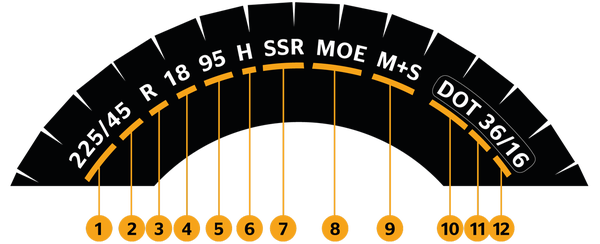
Credit: www.continental-tires.com
Frequently Asked Questions
What Is Tire Rolling Circumference?
Tire rolling circumference is the distance a tire covers in one full rotation. It affects speedometer accuracy and vehicle performance. This measurement helps in calibrating speed and distance on vehicles.
Why Is Tire Rolling Circumference Important?
It ensures accurate speed and mileage readings. Incorrect circumference leads to faulty speedometer data. It also impacts vehicle safety and fuel efficiency.
How To Measure Tire Rolling Circumference?
Mark a tire point touching the ground. Roll the tire one full rotation. Measure the distance between start and end marks for circumference.
Does Tire Size Affect Rolling Circumference?
Yes, larger or smaller tires change rolling circumference. Different tire sizes alter vehicle speed and odometer accuracy. Always use recommended tire sizes for precision.
Conclusion
Tire rolling circumference affects how your vehicle reads speed and distance. It depends on tire size and shape. Knowing this helps keep your speedometer accurate. It also improves fuel efficiency and safety. Small changes can cause big differences. Always check your tire specs before driving.
Understanding this concept makes maintenance easier. It keeps your car running smoothly. Simple but important for every driver. Keep it in mind for better performance.







