
When it comes to your vehicle’s tires, understanding the numbers and codes on their sidewalls can feel confusing. One important number you’ll often see is the Tire Load Index.
But what exactly does it mean, and why should you care? Knowing your tire’s load index isn’t just a detail for mechanics—it directly affects your safety, performance, and how much weight your tires can handle. You’ll discover what the Tire Load Index is, how to read it, and why it matters for your driving experience.
Keep reading to make sure your tires are up to the task every time you hit the road.
Tire Load Index Basics
The tire load index tells you how much weight a tire can safely hold. It is a number found on the tire’s sidewall. This number helps drivers choose the right tires for their vehicles.
Understanding the load index is important for safety and vehicle performance. It ensures tires can carry the vehicle’s weight without problems.
What Load Index Means
The load index is a number code that shows the tire’s maximum load capacity. Each number matches a specific weight in pounds or kilograms. The higher the number, the more weight the tire can hold.
- A load index of 85 means the tire can carry 1,135 pounds (515 kg).
- A load index of 95 means the tire can carry 1,521 pounds (690 kg).
- A load index of 100 means the tire can carry 1,764 pounds (800 kg).
How Load Index Is Measured
Tire makers test tires to find the maximum load they can hold. They inflate the tire to a set pressure and add weight until the tire reaches its limit. This data creates the load index number.
| Load Index | Maximum Load (lbs) | Maximum Load (kg) |
| 80 | 992 | 450 |
| 90 | 1,323 | 600 |
| 100 | 1,764 | 800 |
| 110 | 2,337 | 1,060 |
Importance For Vehicle Safety
Choosing tires with the right load index keeps you safe on the road. Tires with too low a load index can fail under weight. This can cause accidents or tire damage.
- Supports vehicle weight properly
- Prevents tire blowouts
- Improves handling and braking
- Extends tire life
Reading Tire Load Index
The tire load index is a crucial number on your tires. It tells you how much weight your tires can safely carry. Understanding this helps keep your vehicle safe.
Knowing how to read the tire load index is important for picking the right tires. This guide will help you find and interpret these numbers effectively.
Locating The Load Index On Tires
Finding the load index is easy when you know where to look. It’s usually on the sidewall of the tire. Look for a series of numbers and letters.
- Check near the tire size information
- Look for a number between 70 and 126
- This number follows the tire size and speed rating
Interpreting Load Index Numbers
Each load index number corresponds to a specific weight. A higher number means the tire can carry more weight. Here is a simple way to understand these numbers.
| Load Index | Weight Capacity (lbs) |
| 75 | 853 |
| 85 | 1,135 |
| 95 | 1,521 |
Comparing Load Index Across Tires
Different tires have different load indexes. Comparing these numbers helps you choose the right tires for your needs. Always ensure your tires match your vehicle’s load requirements.
Impact On Performance
The tire load index shows the maximum weight a tire can carry safely. This number affects many parts of your vehicle’s performance. Understanding it helps you pick the right tires for your needs.
Choosing tires with the correct load index keeps your ride safe and smooth. It also protects your tires from early wear and damage.
Load Index And Tire Durability
Tires with a higher load index are built stronger. They have thicker sidewalls and tougher materials. This improves durability and helps prevent tire failure under heavy loads.
- High load index tires resist punctures better.
- They last longer under heavy use.
- Proper load rating stops uneven tire wear.
- Using tires with too low a load index can cause tire damage.
Effects On Handling And Ride Quality
The load index affects how your vehicle handles. Tires with the right load index keep the car stable and balanced. They also provide a comfortable ride by absorbing road shocks well.
| Load Index | Handling | Ride Quality |
| Low | Less stable at heavy loads | Can feel bouncy or soft |
| Correct | Stable and responsive | Smooth and comfortable |
| High | Very stable, firmer feel | May feel stiff on rough roads |
Fuel Efficiency Considerations
Tire load index can change rolling resistance. Rolling resistance is how hard tires push back on the road. Higher load index tires often have more rolling resistance.
Here are some fuel efficiency points related to load index:
- Higher load index tires may reduce fuel economy.
- Lower rolling resistance tires save more fuel.
- Choosing the right load index helps balance safety and fuel use.

Credit: www.bfgoodrichtires.com
Choosing The Right Load Index
The tire load index shows how much weight a tire can safely carry. Choosing the right load index is important for safety and vehicle performance.
Using tires with the correct load index helps prevent damage to tires and avoids accidents caused by tire failure.
Matching Load Index To Vehicle Weight
The load index number corresponds to a specific weight limit in pounds or kilograms. It must match or exceed your vehicle’s weight.
Check your vehicle’s weight rating on the door sticker or in the owner’s manual. Choose tires with a load index that supports this weight.
- Find your vehicle’s maximum load capacity
- Look up the load index chart for tire load limits
- Pick tires with a load index equal or higher than the vehicle weight
Consequences Of Incorrect Load Index
Using tires with a lower load index than needed can cause tire failure. The tire may overheat or wear out faster.
Overloading tires can lead to poor handling, longer stopping distances, and increased risk of accidents.
- Premature tire wear and damage
- Reduced vehicle control and safety
- Possible tire blowouts while driving
Consulting Manufacturer Recommendations
Tire manufacturers and vehicle makers provide load index guidelines. Follow these to keep your vehicle safe.
Always check the owner’s manual or the tire information placard on your vehicle. Use recommended load indexes for best results.
- Refer to the vehicle’s tire placard
- Use load index values listed in the owner’s manual
- Ask a professional if unsure about the right load index
Load Index And Tire Maintenance
The tire load index shows how much weight a tire can carry safely. It is a number found on the tire sidewall.
Understanding the load index helps keep your tires in good condition and your vehicle safe on the road.
Checking Load Index During Inspections
Always check the load index when inspecting your tires. It helps ensure the tires match your vehicle’s weight needs.
Look at the tire sidewall to find the load index number. It is usually right after the tire size.
- Compare the load index to your vehicle’s recommended value.
- Do not use tires with a lower load index than needed.
- Replace tires if the load index does not match vehicle specifications.
Load Index Influence On Tire Wear
Tires with the correct load index wear evenly and last longer. Using tires with a lower load index can cause fast wear.
Overloading tires beyond their load index causes heat build-up. This damages the tire and reduces its lifespan.
- Correct load index supports proper tire pressure.
- Proper pressure reduces uneven wear and tear.
- Lower load index tires risk sidewall damage and blowouts.
When To Replace Tires Based On Load Index
Replace tires if the load index is too low for your vehicle. Low load index tires cannot carry the weight safely.
Also, change tires if you notice unusual wear or damage. These signs mean the tires might not handle the load properly.
- Tire shows cracks or bulges on the sidewall.
- Uneven tread wear appears quickly.
- Load index number is lower than vehicle requirements.
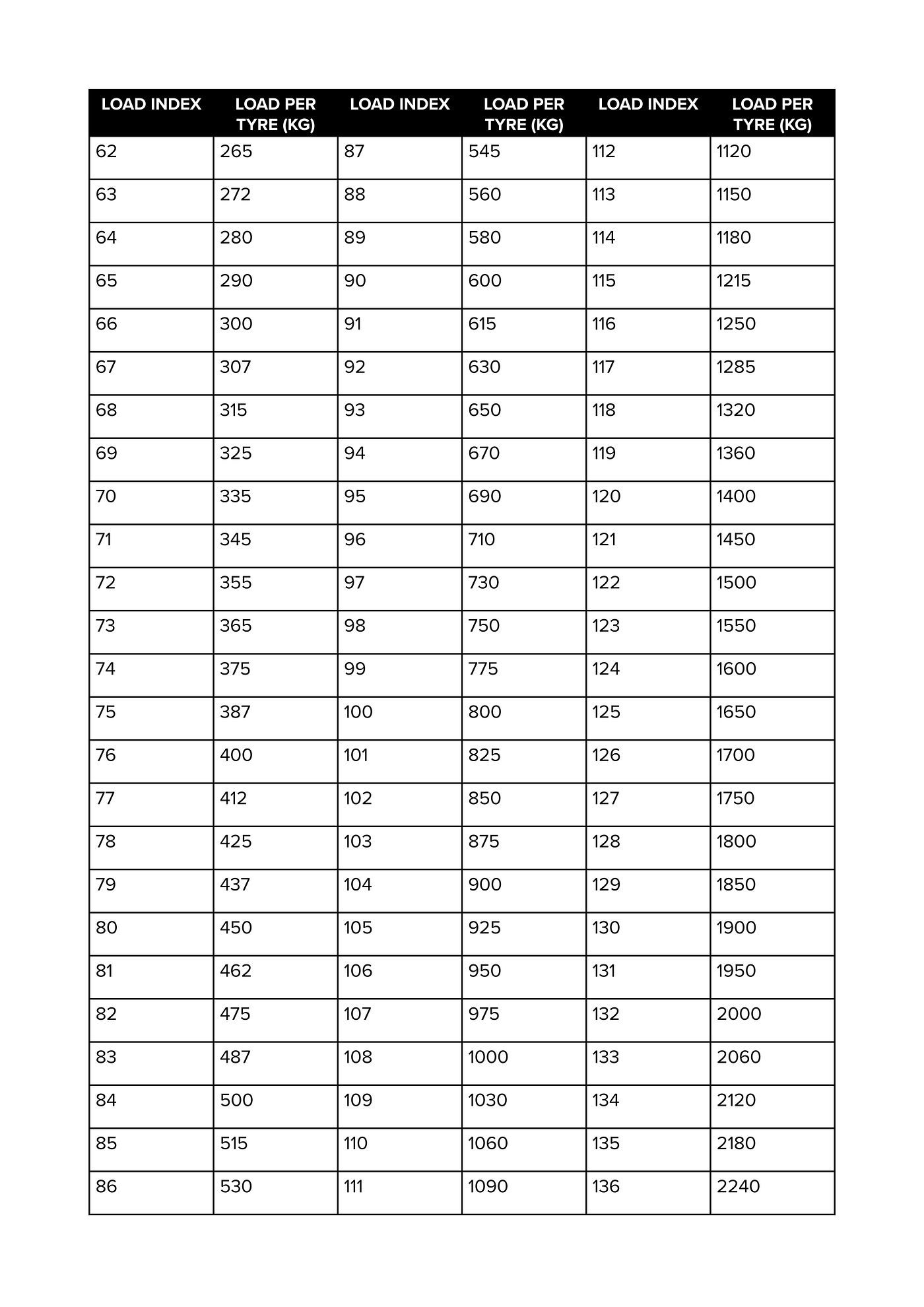
Credit: medium.com
Advanced Load Index Topics
The tire load index shows the maximum weight a tire can carry. It is important for safety and performance.
Advanced topics explore how load index applies to special tires and international rules.
Load Index In High-performance Tires
High-performance tires need precise load ratings. They handle higher speeds and forces.
Load index affects tire structure and materials used in these tires.
- Higher load index means stronger tire build
- Ensures tire can handle fast driving stresses
- Prevents tire damage under heavy loads
Load Index For Off-road Vehicles
Off-road tires face rough conditions and uneven loads. Load index helps match tires to vehicle weight.
Choosing the right load index improves tire durability and vehicle control off-road.
- Higher load index supports rugged terrain stress
- Prevents tire failure on rocks and mud
- Matches heavy off-road vehicle weights
International Load Index Standards
Load index numbers follow international standards for consistency. This helps drivers worldwide.
Standards ensure tire labels show the same load capacity everywhere.
| Region | Standard Body | Load Index Use |
|---|---|---|
| Europe | ECE (Economic Commission for Europe) | Load index codes on tire sidewalls |
| United States | DOT (Department of Transportation) | Load index linked with tire codes |
| Asia | JATMA (Japan Automobile Tire Manufacturers Association) | Follows global load index rules |

Credit: www.michelin.ca
Frequently Asked Questions
What Does Tire Load Index Mean?
Tire load index indicates the maximum weight a tire can safely carry. It is a numerical code found on tire sidewalls, essential for vehicle safety and performance.
How To Find Tire Load Index On Tires?
The tire load index is a two or three-digit number next to the tire size on the sidewall. Check your tire’s sidewall markings to locate it.
Why Is Tire Load Index Important?
It ensures your tires support your vehicle’s weight. Using the correct load index prevents tire damage, improves safety, and maintains optimal driving conditions.
Can I Use Tires With A Lower Load Index?
No, using tires with a lower load index than recommended risks tire failure and unsafe driving. Always choose tires meeting or exceeding manufacturer specifications.
Conclusion
Tire load index shows how much weight a tire can carry safely. Knowing this number helps you choose the right tires for your vehicle. It keeps you safe on the road and avoids tire damage. Always check the load index when buying new tires.
This small detail makes a big difference in performance and safety. Understanding tire load index is simple but important. It protects your car and passengers every time you drive. Keep this in mind for safer and smoother trips.







