
Have you noticed uneven wear on your car’s tires and wondered why it’s happening? Tire camber wear might be the hidden culprit affecting your vehicle’s performance and safety.
Understanding what tire camber wear is can help you spot problems early and save money on costly repairs. You’ll discover how camber angles affect your tires, why uneven wear occurs, and what you can do to fix it. Keep reading to protect your tires and enjoy a smoother, safer ride.
Credit: simpletire.com
Tire Camber Basics
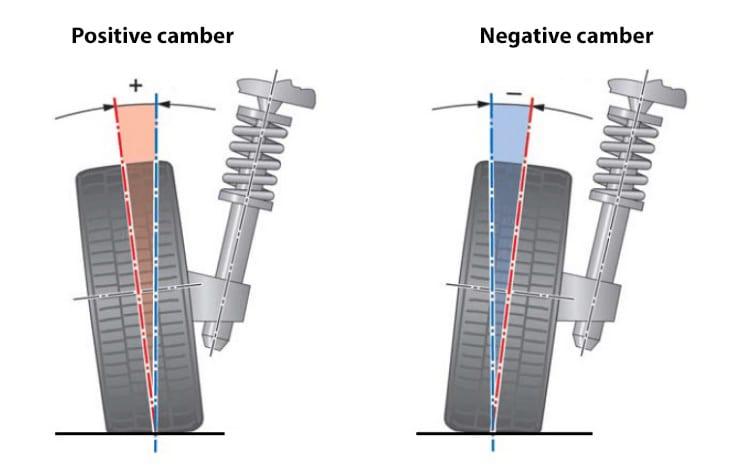
Tire camber is the angle of a tire compared to the road. It affects how the tire touches the ground. This angle plays a role in tire wear and vehicle handling.
Understanding camber helps keep tires in good shape. It also improves driving safety and car control.
What Is Camber Angle
Camber angle is the tilt of a tire from vertical. If the top of the tire leans inward or outward, that is camber.
This angle changes how the tire grips the road. It also affects tire wear patterns. Proper camber keeps the tire flat on the road.
Types Of Camber
There are three main types of camber. Each type changes the tire angle in a different way.
- Positive Camber:The top of the tire leans outward from the car.
- Negative Camber:The top of the tire leans inward toward the car.
- Zero Camber:The tire stands straight up, with no tilt.
Each camber type affects tire wear and vehicle handling differently. Correct camber helps tires last longer and improves safety.

Credit: thewheelshopinc.com
Causes Of Camber Wear
Tire camber wear happens when the tire edges wear unevenly. This wear affects driving safety and tire life.
Several factors cause camber wear. These relate to the wheel alignment, suspension, and how the vehicle is used.
Improper Wheel Alignment
When wheels are not aligned correctly, tires tilt inward or outward. This tilt is called camber. It causes uneven tire wear.
- Incorrect camber angle leads to edge wear.
- Misaligned wheels cause poor handling.
- Uneven pressure on tires shortens tire life.
Suspension Damage
Damaged suspension parts can change the camber angle. Bent or worn parts affect how tires touch the road.
| Suspension Issue | Effect on Camber |
| Worn ball joints | Increase negative camber |
| Broken control arms | Unstable camber angle |
| Damaged springs | Uneven tire contact |
Load And Driving Habits
Heavy loads and rough driving change the tire’s angle and cause camber wear. Sharp turns and potholes add stress.
- Avoid carrying uneven heavy loads
- Drive smoothly, avoid sharp turns
- Slow down on rough roads
Effects Of Camber Wear
Tire camber wear happens when the tire tilts inward or outward. This causes uneven pressure on the tire’s surface.
Camber wear affects how your tires perform and how your vehicle handles on the road.
Uneven Tire Tread
Camber wear causes the tire tread to wear more on one edge than the other. This uneven tread reduces grip on the road.
- Inner edge wears faster if camber is negative
- Outer edge wears faster if camber is positive
- Uneven tread can lead to slipping and poor traction
Reduced Tire Life
Uneven wear shortens the lifespan of your tires. You may need to replace them sooner than normal.
| Cause | Effect on Tire Life |
| Camber Wear | Tire wears unevenly and faster |
| Normal Wear | Tire wears evenly and lasts longer |
Impact On Vehicle Handling
Camber wear affects how your vehicle steers and handles corners. It can make driving less safe.
- Vehicle may pull to one side
- Steering can feel loose or uneven
- Reduced control during turns and stops
Diagnosing Camber Wear
Tire camber wear happens when tires tilt inward or outward. This causes uneven tire wear on one side.
Checking for camber wear helps keep tires safe and lasting longer. It also improves driving control.
Visual Inspection Tips
Look closely at your tires to spot camber wear signs. Uneven wear on the inside or outside edges is a main clue.
Check all tires in good light. Compare tread wear patterns on both sides of each tire.
- Uneven wear on the inner edge means negative camber.
- Uneven wear on the outer edge means positive camber.
- Normal wear looks even across the tire surface.
- Look for feathering or scalloping on tire edges.
Using Alignment Tools
Alignment tools measure the angle of your tires relative to the road. These tools show if camber is out of range.
Professional shops use special machines to check camber precisely. Some handheld tools can help at home but are less exact.
- Use a camber gauge to get the tire angle in degrees.
- Compare readings to the manufacturer’s recommended camber specs.
- Adjust suspension parts if camber angles are off.
- Regular checks keep tires wearing evenly and improve handling.
Simple Fixes For Camber Wear
Tire camber wear occurs when the angle of your tires is off. This causes uneven tire wear. Fixing camber wear can extend the life of your tires.
Here are some simple solutions. These can help you address camber wear effectively.
Adjusting Camber Angle
Camber angle adjustments can correct tire alignment. This helps in reducing uneven tire wear.
- Check the camber angle regularly
- Use a professional alignment service
- Ensure tires are aligned to the manufacturer’s specifications
Suspension Repairs
Suspension components can affect tire camber. Repairing them can help fix camber wear.
Common suspension repairs include:
- Replacing worn-out shocks
- Fixing bent control arms
- Aligning the suspension system
Regular Maintenance
Regular maintenance is crucial for preventing camber wear. Keep your vehicle in good condition.
| Maintenance Task | Frequency |
| Check tire pressure | Monthly |
| Inspect tire tread | Every 5,000 miles |
| Wheel alignment | Annually |
Preventing Future Camber Wear
Tire camber wear happens when tires wear unevenly due to the angle of the wheels. This can cause poor handling and shorten tire life. Preventing camber wear helps save money and keeps your car safe.
Simple actions can stop camber wear from getting worse. Checking your car regularly and changing driving habits are key steps.
Routine Alignment Checks
Wheel alignment affects tire camber. Misaligned wheels cause uneven wear. Check alignment often, especially after hitting bumps or potholes.
Regular alignment keeps wheels straight and tires wearing evenly. Ask a mechanic to inspect your alignment at least once a year.
Driving Style Adjustments
Aggressive driving can increase camber wear. Fast turns and hard braking put stress on tires and suspension parts.
Drive smoothly and avoid sharp corners at high speeds. This reduces uneven tire wear and protects your suspension.
- Slow down before turns
- Brake gently
- Accelerate smoothly
- Avoid potholes and rough roads
Proper Tire Rotation
Rotating tires balances wear across all tires. It helps prevent camber wear from affecting just one side.
Follow your car maker’s tire rotation schedule. Usually, this means rotating tires every 5,000 to 8,000 miles.
- Front tires move to the rear
- Rear tires move to the front
- Check tire pressure during rotation
Credit: www.lotustalk.com
Frequently Asked Questions
What Causes Tire Camber Wear?
Tire camber wear happens due to improper camber angle. When wheels tilt inward or outward, tires wear unevenly. This affects traction and tire life. Poor suspension or misaligned wheels are common causes. Regular alignment checks prevent camber wear and ensure even tire wear.
How Can I Identify Tire Camber Wear?
Look for uneven tire tread wear, especially on one edge. Tires may wear more on the inner or outer side. Noticeable pulling to one side while driving also indicates camber wear. Regular tire inspection helps detect camber issues early and avoid costly repairs.
Does Tire Camber Wear Affect Vehicle Handling?
Yes, tire camber wear negatively impacts vehicle handling. Uneven tire wear reduces grip and stability. It can cause pulling, vibrations, and poor steering response. Proper camber alignment improves handling and tire performance. Fixing camber wear enhances safety and driving comfort.
Can I Fix Tire Camber Wear Myself?
Fixing tire camber wear requires professional wheel alignment. DIY adjustments can be inaccurate and unsafe. Visit a certified mechanic for precise camber angle correction. Regular maintenance prevents camber-related tire damage and ensures optimal driving conditions.
Conclusion
Tire camber wear affects how your tires touch the road. It can cause uneven tire wear and reduce tire life. Keeping proper camber angles helps your tires wear evenly. Regular checks and adjustments can improve driving safety. Notice unusual tire wear?
It might be time for an alignment. Proper maintenance saves money and keeps your ride smooth. Understanding camber wear helps you care for your vehicle better. Stay alert to signs of tire camber issues. Your tires and wallet will thank you.







