
Have you ever worried about getting a flat tire while driving? Imagine being stuck on the side of the road, unsure if you can make it to a safe spot.
What if your tires could keep you moving, even after a puncture? That’s exactly what run flat tire technology offers. It changes the way you handle tire troubles, giving you peace of mind and safety on every trip. Keep reading to discover how this smart tire innovation works and why it might be the best upgrade for your vehicle.

Credit: tyrentyres.com
Run Flat Tire Basics
Run flat tires let you drive after a puncture. They keep your car moving safely without air pressure.
These tires have special designs to support the vehicle weight. You can avoid sudden stops and tire changes on busy roads.
How Run Flat Tires Work
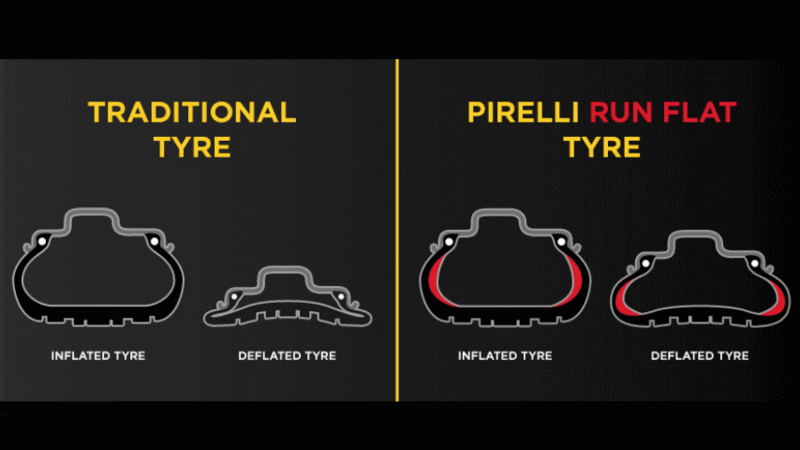
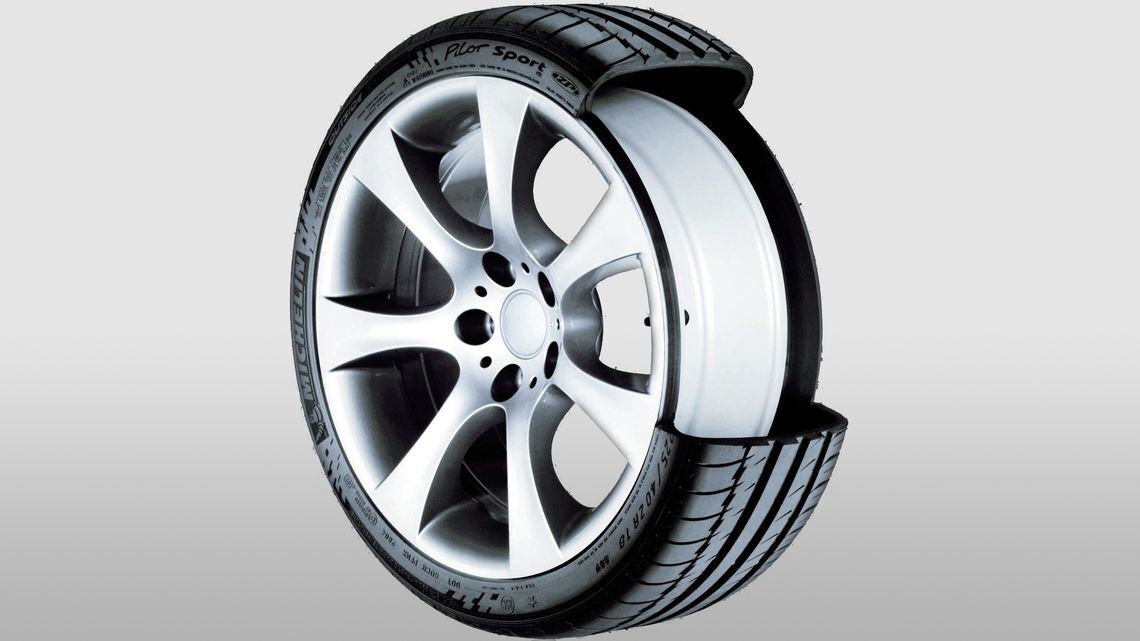
Run flat tires use strong sidewalls to hold the car up. This lets you drive even if the tire loses air.
- The tire sidewall is reinforced with extra rubber or stiff materials.
- The wheel rim may have a support ring to hold the tire in place.
- If the tire loses air, the stiff sidewall stops the tire from collapsing.
- You can drive at lower speeds and limited distances to reach a safe place.
- These tires reduce the risk of accidents caused by sudden tire failure.
Types Of Run Flat Tires
There are several kinds of run flat tires. Each type uses a different method to support the tire.
| Type | Description | Advantages | Limitations |
| Self-Supporting | Reinforced sidewalls carry the load. | Works on most cars; no rim needed. | Stiffer ride; limited distance at low speed. |
| Support Ring | Special ring attached to the rim supports the tire. | Comfortable ride; good for heavy vehicles. | Requires special wheel rims. |
| Internal Sealant | Sealant inside the tire seals small punctures automatically. | Stops air leaks quickly. | Only works on minor punctures. |
Benefits Of Run Flat Tires
Run flat tire technology allows tires to keep working after a puncture. This helps drivers avoid sudden stops or dangerous situations on the road.
These tires have special designs that support the vehicle even without air pressure. Drivers get more control and safety in case of tire damage.
Enhanced Safety Features
Run flat tires reduce the risk of accidents caused by sudden tire failure. They keep the car stable and easy to control after a puncture.
- Prevent sudden loss of control during tire puncture
- Allow safe driving at reduced speed for limited distance
- Reduce chances of accidents on busy roads or highways
- Support the vehicle weight even without air pressure
Improved Convenience
Run flat tires let drivers continue driving to a safe place or repair shop without changing the tire immediately. This saves time and effort.
| Benefit | Details |
| No immediate tire change | Drive up to 50 miles at 50 mph after a puncture |
| Less risk on roadside | Avoid changing tires in unsafe or busy locations |
| Eliminates need for spare tire | More trunk space and less vehicle weight |
Performance On The Road
Run flat tires offer steady performance even after losing air. They keep the ride smooth and help maintain steering control.
Advantages include:
- Stable handling during tire failure
- Reduced tire blowout risk
- Consistent traction on different road surfaces
- Improved confidence in driving long distances
Drawbacks To Consider
Run flat tire technology helps drivers keep going after a puncture. It gives extra safety and convenience. Still, there are some drawbacks to think about before choosing these tires.
These downsides can affect your ride and cost. Knowing them helps you make a smart choice for your car and needs.
Ride Comfort And Handling
Run flat tires have stiffer sidewalls to support the car without air. This design can make the ride feel harder than regular tires.
The extra stiffness may cause less smoothness on rough roads. Handling might feel different, especially in turns or sharp moves.
- Harsher ride on bumpy roads
- Less cushioning effect
- Possible changes in steering feel
Cost And Availability
Run flat tires usually cost more than regular tires. The special build and materials raise the price.
Finding replacement tires can be harder. Not all tire shops keep run flats in stock. This can mean waiting or paying extra for delivery.
- Higher purchase price
- Limited tire options
- Possible longer wait for replacements
Tire Longevity
Run flat tires often wear out faster than regular ones. Their stiff sidewalls and special design can cause quicker tread wear.
They may need replacement sooner, which adds to the overall cost. Proper care can help, but lifespan is usually shorter.
- Faster tread wear
- Shorter overall tire life
- More frequent replacements
Credit: www.protyre.co.uk
Comparing Run Flat To Regular Tires
Run flat tires allow you to drive after a puncture. Regular tires go flat quickly. This technology can help you avoid roadside emergencies.
Understanding the differences can help you make an informed choice. Let’s explore how they compare in safety, performance, and maintenance.
Safety Differences
Run flat tires let you drive safely for a short distance after a puncture. They give you time to reach a repair shop.
Regular tires can be dangerous when they go flat. You might lose control if a tire blows out suddenly.
- Run flat tires reduce the need for immediate roadside assistance
- Regular tires require a spare tire or quick repair
Performance Variations
Run flat tires are often heavier. They can affect your car’s fuel efficiency and handling.
Regular tires are lighter. They may offer better fuel economy and smoother rides.
- Run flat tires may reduce fuel efficiency slightly
- Regular tires can offer a smoother driving experience
Maintenance Needs
Run flat tires need regular pressure checks. They can wear out faster if not maintained properly.
Regular tires also need pressure checks. They may last longer with proper care.
- Run flat tires require more frequent inspections
- Regular tires need routine checks to ensure longevity
Choosing The Right Run Flat Tire
Run flat tires let you drive for a short distance even if they are punctured. Choosing the right tire is important for safety and performance.
Consider your vehicle type, how you drive, and the climate you live in when selecting run flat tires.
Vehicle Compatibility
Not all vehicles are suited for run flat tires. Check your car’s manual or consult a professional to see if run flat tires are recommended for your vehicle model.
| Vehicle Type | Run Flat Suitability |
| Sedan | Often Compatible |
| SUV | Check Specifications |
| Truck | Less Common |
Driving Habits
Your driving habits can affect the choice of run flat tires. Consider your usual driving speed, the distance you travel, and road conditions.
- Frequent long-distance trips may require durable tires.
- City driving might benefit from comfort-focused models.
- Off-road driving needs robust and rugged tires.
Climate Considerations
The climate in your area can affect tire performance. Choose tires that match the weather conditions you frequently encounter.
In snowy areas, look for run flat tires with good winter traction. In hot climates, ensure they resist heat build-up.
Maintaining Run Flat Tires
Run flat tires let you drive safely after a puncture. They have strong sidewalls to support the car without air. Proper care keeps them working well.
Knowing how to check and maintain run flat tires helps avoid problems. It also ensures your safety on the road.
Pressure Monitoring Tips
Run flat tires need regular pressure checks. Low pressure can damage the tire or affect driving. Use the tire pressure monitoring system (TPMS) if your car has one.
- Check tire pressure at least once a month.
- Use a reliable pressure gauge for accuracy.
- Check pressure when tires are cold.
- Keep pressure at the vehicle manufacturer’s recommended level.
- Look for any warning lights on your dashboard.
When To Replace
Run flat tires wear differently than regular tires. Replace them on time to keep driving safe and smooth.
| Condition | Replacement Advice |
|---|---|
| Sidewall Damage | Replace immediately to avoid failure. |
| Tread Depth Below 2/32 inch | Replace the tire for proper grip. |
| Visible Cracks or Bulges | Replace to prevent blowouts. |
| More Than 6 Years Old | Consider replacing due to rubber aging. |
Repair Guidelines
Repairing run flat tires is different from normal tires. Not all damages can be fixed safely.
Follow these repair rules for run flat tires:
- Only fix punctures in the tread area, not the sidewalls.
- Do not repair cuts larger than 1/4 inch (6 mm).
- Use a plug and patch from inside the tire.
- Check for internal damage before repair.
- Replace the tire if the sidewall is damaged or the tire lost air for a long time.
Future Of Run Flat Technology
Run flat tire technology lets cars keep moving after a tire loses air. This helps drivers avoid sudden stops on busy roads.
The future holds new ideas to make run flat tires safer and easier to use. These changes will improve how cars handle emergencies.
Innovations On The Horizon
New materials will make run flat tires lighter and stronger. Engineers work on designs that reduce heat buildup during use.
Smart sensors may be added to monitor tire pressure and alert drivers early. This helps prevent damage and improves safety.
- Use of flexible sidewalls with better support
- Integration of pressure sensors and wireless alerts
- Improved rubber compounds for longer life
- Advanced cooling systems to avoid overheating
Impact On Automotive Safety
Run flat tires reduce the chance of accidents after a puncture. They let drivers keep control and reach safe spots to stop.
With future upgrades, these tires will better support emergency braking and handling. This will lower crash risks on highways.
- Less chance of sudden tire blowouts
- More time for drivers to react safely
- Better vehicle control during tire failures
- Lower risk of accidents from tire damage
Credit: www.michelin.ca
Frequently Asked Questions
What Are Run Flat Tires?
Run flat tires are specially designed to support a vehicle’s weight after a puncture. They allow limited driving without air pressure, improving safety and convenience.
How Do Run Flat Tires Work?
Run flat tires have reinforced sidewalls that support the car’s weight when deflated. This design prevents tire collapse, enabling continued driving for 50-100 miles at reduced speeds.
Are Run Flat Tires Safe?
Yes, run flat tires enhance safety by reducing the risk of sudden blowouts. They allow drivers to maintain control and reach repair shops without immediate tire changes.
Can I Repair Run Flat Tires?
Many run flat tires can be repaired if the damage is minor and in the tread area. Always consult a professional to ensure safe and proper repair.
Conclusion
Run flat tire technology helps drivers stay safe after a puncture. It lets you keep driving for a short distance without changing the tire immediately. This can save time and reduce stress during emergencies. While they may cost more, the added safety and convenience often make them worth it.
Knowing how these tires work helps you decide if they suit your needs. Choose wisely and drive with confidence, knowing your tires offer extra support when you need it most.







