
Are you sure your tires and rims are a perfect match? Understanding rim width compatibility with tires is key to keeping your ride smooth, safe, and efficient.
If your tires don’t fit your rims properly, you could face problems like poor handling, faster wear, or even blowouts. But don’t worry—this guide will help you learn exactly what rim width compatibility means and how to choose the right combination for your vehicle.
Keep reading to make sure your wheels work together perfectly and boost your driving experience.

Credit: www.reddit.com
Rim Width Basics
Rim width is the distance between the inside edges of a wheel rim. It affects how a tire fits and performs on a wheel.
Choosing the right rim width helps tires sit properly and improves safety and handling.
Standard Rim Width Sizes
Rim widths come in many sizes. Most car rims range from 5 to 12 inches wide.
Each tire size works best with a range of rim widths. Using the right width helps the tire keep its shape and grip the road well.
- 5 to 6 inches: Small cars and compact vehicles
- 6 to 7.5 inches: Standard passenger cars
- 7.5 to 9 inches: Sports cars and larger sedans
- 9 inches and above: Trucks and SUVs
Measuring Rim Width
Rim width is measured between the inner edges where the tire sits. It does not include the outer lips of the rim.
To measure rim width, use a ruler or tape measure across the inside of the rim from bead seat to bead seat.
- Remove the tire from the rim for an accurate measure
- Measure only the flat inner surface where the tire bead rests
- Do not include the rim lips or outer edges

Credit: www.reddit.com
Tire Width And Rim Width Relationship
Tire width and rim width must match for safe driving. The rim holds the tire, so the sizes must fit well together. A wrong fit can cause poor handling and tire wear.
Understanding how tire size affects rim fit helps you choose the right parts. This guide explains the connection between tire and rim widths.
How Tire Size Affects Rim Fit
Tire width impacts the rim width needed for a proper fit. If the rim is too narrow, the tire may pinch and wear out fast. If the rim is too wide, the tire sidewall can stretch too much.
- Narrow rims can cause tire sidewalls to fold and crack.
- Wide rims may make tires look flat and reduce comfort.
- Correct rim width improves tire performance and safety.
- Manufacturers provide size ranges for rims and tires.
Recommended Rim Width For Tire Sizes
| Tire Width (mm) | Recommended Rim Width (inches) |
| 155 – 175 | 4.5 – 5.5 |
| 185 – 205 | 5.5 – 7.0 |
| 215 – 235 | 7.0 – 8.5 |
| 245 – 265 | 8.5 – 10.0 |
| 275 – 295 | 9.0 – 11.0 |
Effects Of Incorrect Rim Width
Choosing the right rim width for your tires is important. Incorrect rim width can cause many problems. These problems affect how your car handles, its safety, and how tires wear out.
Understanding these effects helps you keep your vehicle safe and working well. Below are key areas affected by wrong rim width.
Handling And Performance Issues
Rims that are too wide or too narrow change how tires grip the road. This affects steering and stability. Your car may feel less responsive or harder to control.
- Reduced traction on corners
- Increased risk of skidding
- Poor ride comfort due to tire deformation
- Lower fuel efficiency from extra rolling resistance
Safety Concerns
Incorrect rim width can lead to tire failure and accidents. Tires may not seat properly on the rim. This causes air leaks or sudden blowouts. It also raises the chance of rim damage.
| Risk | Cause | Effect |
| Air Leak | Tire bead not sealing well | Low tire pressure, poor control |
| Blowout | Excessive sidewall flex | Sudden loss of control |
| Rim Damage | Improper tire fit | Costly repairs, unsafe driving |
Tire Wear Patterns
Using the wrong rim width changes tire shape and pressure points. This causes uneven tire wear. Tires wear out faster and need replacing sooner.
Common tire wear issues from incorrect rim width include:
- Wear on the edges if the rim is too narrow
- Center wear if the rim is too wide
- Sidewall damage from excessive flexing
Choosing The Right Rim Width
Rim width compatibility with tires is important for safe driving. The right rim width helps tires fit properly and perform well.
Picking the correct rim width depends on your vehicle and the tire specifications. This guide explains key points to consider.
Manufacturer Guidelines
Tire and rim makers provide recommended rim widths for each tire size. Following these guides ensures the tire fits well.
- Check the tire sidewall for rim width range
- Use rims within the recommended width for proper tire shape
- Do not use rims narrower or wider than suggested
- Consult the vehicle manual for any specific rim size rules
Considerations For Vehicle Type
Different vehicles need different rim widths to match their tires and use. Sports cars, trucks, and sedans vary in rim needs.
| Vehicle Type | Typical Rim Width Range (inches) | Reason |
| Sedan | 6 to 8 | Balance of comfort and performance |
| SUV | 7 to 9 | Support heavier weight and wider tires |
| Sports Car | 8 to 11 | Better grip and handling with wider tires |
| Truck | 7 to 10 | Durability and tire strength for loads |
Off-road Vs On-road Rim Widths
Off-road and on-road driving require different rim widths to match tire types. This affects traction and tire wear.
- Off-road rims are often wider to fit larger, tougher tires
- On-road rims tend to be narrower for smoother rides
- Wider rims can improve off-road grip by shaping the tire sidewall
- Using the right rim width reduces tire damage in rough terrain
Tools And Methods For Checking Compatibility
Rim width compatibility with tires is important for safe driving. Using the right tools helps you find the perfect fit.
There are simple ways to check if your tire matches your rim size. This guide covers useful tools and methods.
Using Tire And Rim Size Charts
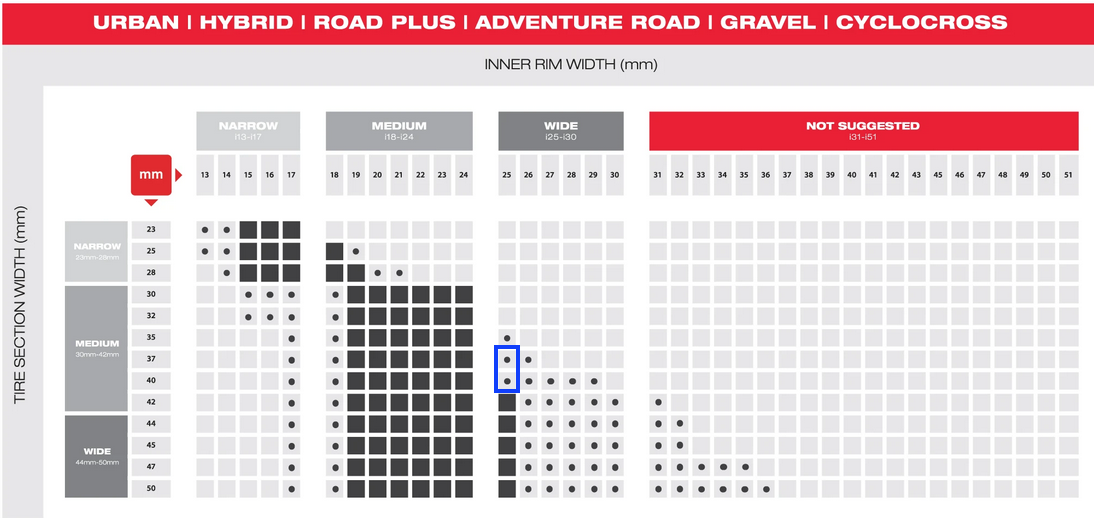
Tire and rim size charts show which tire widths fit specific rim widths. These charts help you avoid mismatches.
You can find charts from tire makers or car manuals. They list recommended tire widths for each rim size.
- Check the rim width in inches on the chart
- Find the tire widths that fit that rim width
- Choose a tire size within the recommended range
Online Calculators And Resources
Online calculators help you quickly check rim and tire compatibility. You enter rim width and tire size details.
These tools show if the tire fits your rim or if you need a different size. Many websites offer free calculators.
- Input rim width and tire width
- Review the fit result and suggestions
- Use additional tips for tire pressure and safety
Upgrading Rim Width
Rim width is important for tire performance. Upgrading rim width can change how your vehicle drives.
Wider rims can offer different benefits and challenges. It’s vital to understand these before making a change.
Benefits Of Wider Rims
Wider rims can improve vehicle handling. They provide better stability on the road.
These rims also enhance the tire’s contact with the surface. This means better traction.
- Improved cornering ability
- Increased road grip
- Better overall stability
Potential Drawbacks
Wider rims can be heavier. This may reduce fuel efficiency.
They might also lead to a harsher ride. The tires can wear out faster.
- Increased weight affects fuel economy
- Possible decrease in ride comfort
- Faster tire wear
Special Cases And Exceptions
Rim width compatibility with tires is important for safe driving. Some special cases and exceptions exist.
These involve specific tire types and custom or aftermarket options. Knowing these can help you make informed choices.
Run-flat Tires
Run-flat tires allow you to drive a short distance after a puncture. They have unique compatibility needs.
- Check your car’s manual for run-flat tire compatibility.
- Run-flat tires usually need specific rim designs.
- Consult with a professional for installation.
Custom And Aftermarket Tires
Custom and aftermarket tires offer personalization options. They may not fit standard rim sizes.
| Tire Type | Rim Requirement |
| Low Profile | Wider Rims |
| Off-road | Heavy-duty Rims |
| Performance | Enhanced Rims |
Always consult with tire and rim experts to ensure compatibility. This is crucial for both safety and performance.
Credit: www.bikeforums.net
Frequently Asked Questions
What Is Rim Width Compatibility With Tires?
Rim width compatibility means matching tire sizes to rim widths for safe performance. Proper fit ensures better handling, safety, and tire longevity.
How Do I Find The Right Rim Width For Tires?
Check the tire manufacturer’s recommended rim width range. Use tire size charts or consult experts to ensure proper fit.
Can Wrong Rim Width Damage My Tires?
Yes, incorrect rim width can cause uneven wear, poor handling, and potential tire failure. Always match tire and rim widths correctly.
Why Does Rim Width Affect Tire Performance?
Rim width influences tire shape and contact patch. Proper width improves grip, stability, and ride comfort while preventing premature wear.
Conclusion
Choosing the right rim width keeps your tires safe and working well. Tires fit best when rims and tires match in size. Wrong sizes can cause uneven wear and poor driving. Always check rim width before buying new tires. Proper fit helps your car drive smoothly and saves money.
Keep your ride safe by knowing rim width rules. Simple steps make a big difference for your vehicle.







