
Have you ever noticed a small ridge on your tire near the edge of the rim and wondered what it’s for? That little feature is called a rim protector, and it plays a bigger role than you might think.
Your tires face constant challenges—from rough roads to sharp curbs—that can damage both the tire and the wheel. Understanding what a rim protector is and how it works can save you money, keep your ride smoother, and protect your wheels from unexpected harm.
Keep reading to discover how this simple design element can make a big difference for your tires and your driving experience.
Rim Protector Basics
A rim protector is a small feature on a tire designed to protect the wheel rim. It helps reduce damage caused by curbs and road debris. This simple addition can save money and keep wheels looking good.
Rim protectors are common on many modern tires. They work by creating a barrier between the tire sidewall and the rim. Let’s explore their purpose and how they work.
Purpose Of Rim Protectors
The main goal of a rim protector is to shield the wheel rim from damage. Rims can get scratched or bent from hitting curbs or rough road surfaces. The rim protector helps prevent this by taking the impact first.
- Protects the rim from scratches and dents
- Reduces repair costs for wheels
- Helps maintain tire and wheel appearance
- Improves tire durability by protecting sidewalls
How Rim Protectors Work
Rim protectors work by extending slightly beyond the tire’s sidewall. This raised edge absorbs impacts and prevents direct contact with the rim. It acts like a buffer in tight spaces and rough conditions.
| Feature | How It Helps |
|---|---|
| Raised rubber edge | Blocks curb and debris contact with rim |
| Durable rubber material | Absorbs shocks and prevents rim damage |
| Position close to rim | Protects vulnerable parts of the wheel |

Credit: www.amazon.com
Types Of Rim Protectors
Rim protectors help guard the edges of tires from damage. They come in different types depending on how they are added to the tire. Understanding these types can help you choose the right protection.
There are two main types of rim protectors: built-in and aftermarket. Each type has its own features and ways of protecting your tire rims.
Built-in Rim Protectors
Built-in rim protectors are part of the tire design. They come from the factory with a raised rubber edge near the rim. This edge helps stop curbs and road debris from scratching or bending the rim.
- Made during the tire manufacturing process
- Do not require extra installation
- Provide constant protection with the tire
- Common on many modern tires
Aftermarket Rim Protectors
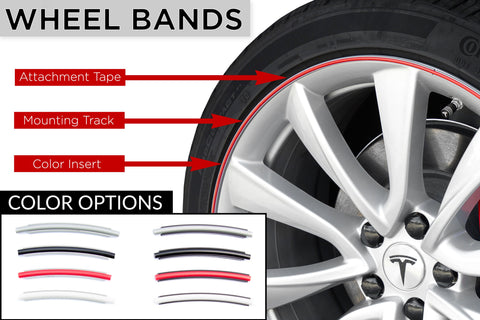
Aftermarket rim protectors are added after the tire is bought. They are separate products that attach to the rim or tire edge. These protectors can be made of rubber, plastic, or metal.
| Type | Material | Installation | Notes |
|---|---|---|---|
| Clip-on Protectors | Plastic or rubber | Snaps onto rim edge | Easy to install and remove |
| Stick-on Protectors | Rubber or foam | Adhesive backing | Simple but less durable |
| Metal Rim Guards | Aluminum or steel | Bolted or clamped | Strong protection, needs tools |
Benefits Of Rim Protectors
Rim protectors are small devices fitted on tires. They help protect the rims from damage. Using rim protectors gives your tires and wheels extra safety.
These protectors bring many benefits. They keep your rims in good condition. They also help your tires last longer and reduce repair costs.
Preventing Rim Damage
Rim protectors act as a shield for your wheel rims. They stop scratches and dents caused by curbs or road debris. This keeps rims looking new and undamaged.
- Protect rims from curb scrapes
- Reduce impact damage from potholes
- Prevent scratches from stones and debris
- Keep rims clean and intact
Enhancing Tire Longevity
Rim protectors help tires last longer. They reduce the chances of tire sidewall damage. This damage can cause air leaks and tire wear.
| Benefit | Effect on Tires |
| Shield from curb hits | Prevents sidewall cuts |
| Stops rim damage | Improves tire balance |
| Reduces wear and tear | Extends tire life |
Saving Repair Costs
Rim protectors reduce the need for costly repairs. They lower the risk of rim replacement and tire patching. This saves money over time.
- Less rim repairs or replacements
- Fewer tire repairs due to damage
- Reduced maintenance frequency
- Lower risk of expensive roadside fixes
Credit: evannex.com
Installation And Maintenance
Rim protectors help shield your tire rims from damage. Proper installation and care keep them effective. This guide covers how to install and maintain rim protectors.
Follow simple steps to install rim protectors correctly. Then, learn how to care for them to extend their life.
Installing Rim Protectors
Installing rim protectors is easy if you follow these steps. This ensures your rims stay safe from scratches and dents.
- Clean the rim surface with soap and water.
- Dry the rim completely to prevent slipping.
- Align the rim protector carefully around the rim edge.
- Press firmly to fix it in place.
- Check for any gaps or loose areas.
Caring For Rim Protectors
Proper care of rim protectors keeps them working well and lasting longer.
| Care Task | How Often | Tips |
| Clean with mild soap | Weekly | Use soft cloth or sponge |
| Check for damage | Monthly | Look for cracks or looseness |
| Reinstall if loose | As needed | Follow installation steps again |
| Avoid harsh chemicals | Always | Prevents material wear |
Choosing The Right Rim Protector
Rim protectors help keep your tires and rims safe from damage. Picking the right one can save money on repairs.
Different protectors fit different tires and rims. You need to know what works best for your vehicle.
Compatibility With Tire And Rim
Rim protectors must match the size of your tires and rims. Too big or small will not protect well.
Check the width and diameter of your rims. Also, consider if you have low-profile tires or standard ones.
- Measure your rim diameter in inches
- Know your tire width and sidewall height
- Choose protectors designed for your rim type
Material And Durability
Rim protectors come in rubber, plastic, or metal. Each material offers different levels of protection.
Rubber is flexible and absorbs shocks. Plastic is light but can crack. Metal is strong but heavier.
- Rubber: good for daily driving and light impacts
- Plastic: cost-effective but less durable
- Metal: best for heavy use and rough roads
Cost Considerations
Rim protectors vary in price based on material and brand. Cheaper ones may wear out faster.
Think about how often you drive and the road conditions. Sometimes spending more saves money later.
- Low cost: suitable for light use
- Mid-range: balance of price and durability
- High cost: longer lasting and better protection

Credit: www.amazon.com
Common Misconceptions
Rim protectors are important for tire safety. Many people have wrong ideas about them.
These misconceptions can affect how drivers use their tires. Let’s explore these myths.
Rim Protectors And Tire Performance
Some think rim protectors improve tire grip. This is not true. Rim protectors mainly shield the wheel.
They do not affect how the tire handles the road. Tire performance depends on tread design and air pressure.
- Rim protectors prevent curb damage
- Tire grip relies on tread patterns
- Proper inflation is key for performance
Limitations Of Rim Protectors
Rim protectors are not foolproof. They do not stop all types of wheel damage.
They can help with minor bumps but not heavy impacts. Drivers need to be cautious.
- Cannot prevent damage from large potholes
- Do not protect from all types of collisions
- Require regular checks for wear and tear
Frequently Asked Questions
What Is A Rim Protector On A Tire?
A rim protector is a raised rubber edge on a tire. It shields the wheel rim from curb damage and scratches. This feature helps extend the wheel’s lifespan and maintains its appearance. Rim protectors are common in many modern tires, especially for urban driving.
How Does A Rim Protector Benefit My Tires?
Rim protectors prevent costly rim damage from curbs and potholes. They reduce the risk of scratches, dents, and corrosion. This feature helps maintain tire and wheel integrity, improving safety and aesthetics. It also saves money on repairs and replacements.
Are Rim Protectors Standard On All Tires?
No, rim protectors are not standard on all tires. They are mostly found on premium or specialized tires. Check tire specifications or ask your dealer if a rim protector is included. Choosing tires with rim protectors is useful for frequent city driving.
Can Rim Protectors Affect Tire Performance?
Rim protectors have minimal impact on tire performance. They are designed to protect rims without compromising handling or ride quality. The added rubber edge is subtle and doesn’t affect traction or fuel efficiency. Rim protectors are a practical safety feature.
Conclusion
Rim protectors help keep your tires safe from damage. They stop scratches and dents on the wheel edges. Using rim protectors can save money on repairs. They also help your tires last longer. Installing them is easy and does not cost much.
Choosing tires with rim protectors adds extra safety. Protect your wheels for a smoother, safer ride. Simple and smart for anyone who drives.







