
Have you ever noticed tiny scratches or chips on your car’s paint and wondered how to stop them? Keeping your car looking brand new can feel like a constant battle.
That’s where Paint Protection Film for your car comes in. This clear, tough layer acts like an invisible shield, protecting your vehicle from everyday damage. If you want to learn how to keep your car’s shine flawless and save money on repairs, keep reading.
You’ll discover exactly what Paint Protection Film is and why it might be the best investment for your car’s appearance.

Credit: www.youtube.com
What Paint Protection Film Is
Paint Protection Film (PPF) is a clear layer applied to a car’s surface. It protects the paint from scratches, chips, and stains.
This film keeps the car looking new by absorbing damage from road debris and weather.
Material And Composition
Paint Protection Film is made from strong, flexible polyurethane. It is transparent and very thin.
The film has several layers that help it protect and last a long time.
- Top clear coat resists scratches and yellowing
- Strong polyurethane base layer for impact protection
- Adhesive layer that sticks the film to the car’s paint
- Release liner to protect the adhesive before installation
How It Works
The film acts as a shield on your car’s paint. It absorbs damage from stones, dirt, and bug splatters.
When an object hits the car, the film takes the impact instead of the paint. This prevents chips and scratches.
- The clear coat layer heals small scratches over time
- The adhesive keeps the film firmly on the car
- The film can be removed without harming the paint
Benefits Of Paint Protection Film
Paint Protection Film (PPF) is a clear layer that covers your car’s paint. It helps keep the surface safe from damage. This film adds value by keeping the car looking new for longer.
Many car owners use PPF to protect their investment. The film is strong and hides scratches and marks. It also blocks harmful effects from the sun and chemicals.
Scratch And Chip Resistance
PPF acts as a shield against small scratches and chips. Rocks, keys, and other objects can harm car paint. The film absorbs the impact and stops damage from reaching the paint.
- Protects paint from gravel and road debris
- Reduces marks from car doors and shopping carts
- Keeps the surface smooth and clear
Uv And Chemical Protection
Sunlight and chemicals can fade and dull car paint. PPF blocks harmful UV rays and stops damage from acids and pollution. This keeps the paint color bright and strong.
| Protection Type | Effect on Car |
| UV Rays | Prevents paint fading and cracking |
| Acid Rain | Stops surface corrosion and stains |
| Bird Droppings | Blocks paint etching and discoloration |
Maintaining Vehicle Appearance
PPF keeps your car looking new by preserving its finish. It makes cleaning easier and reduces wear from daily use. The film also adds a shiny look that lasts for years.
- Makes washing the car faster and safer
- Prevents dull spots and discoloration
- Keeps resale value higher
Types Of Paint Protection Films
Paint protection film (PPF) is a clear or colored layer that covers a car’s paint. It helps stop scratches, chips, and dirt from damaging the paint.
There are different types of paint protection films. Each type offers unique features and looks.
Clear Vs. Colored Films
Clear paint protection films are transparent. They keep the car’s original color visible while protecting the paint.
Colored films come in different shades. They can change the car’s look and add style while protecting the paint.
- Clear films keep the original color
- Colored films add new color options
- Both protect against scratches and chips
Self-healing Films
Self-healing films fix small scratches by themselves. Heat from the sun or the car’s engine helps the film smooth out.
This type of film keeps the car looking new longer. It reduces the need for frequent repairs or replacements.
- Repairs minor scratches automatically
- Uses heat to heal surface damage
- Maintains smooth and clear appearance
Matte And Glossy Finishes
Matte finish films give a flat, non-shiny look. They are popular for a modern and unique style.
Glossy finish films create a shiny and bright surface. They enhance the car’s original paint shine and depth.
- Matte finish reduces reflections and shine
- Glossy finish increases shine and color depth
- Both protect paint from damage
Credit: www.fresh-layer.com
Installation Process
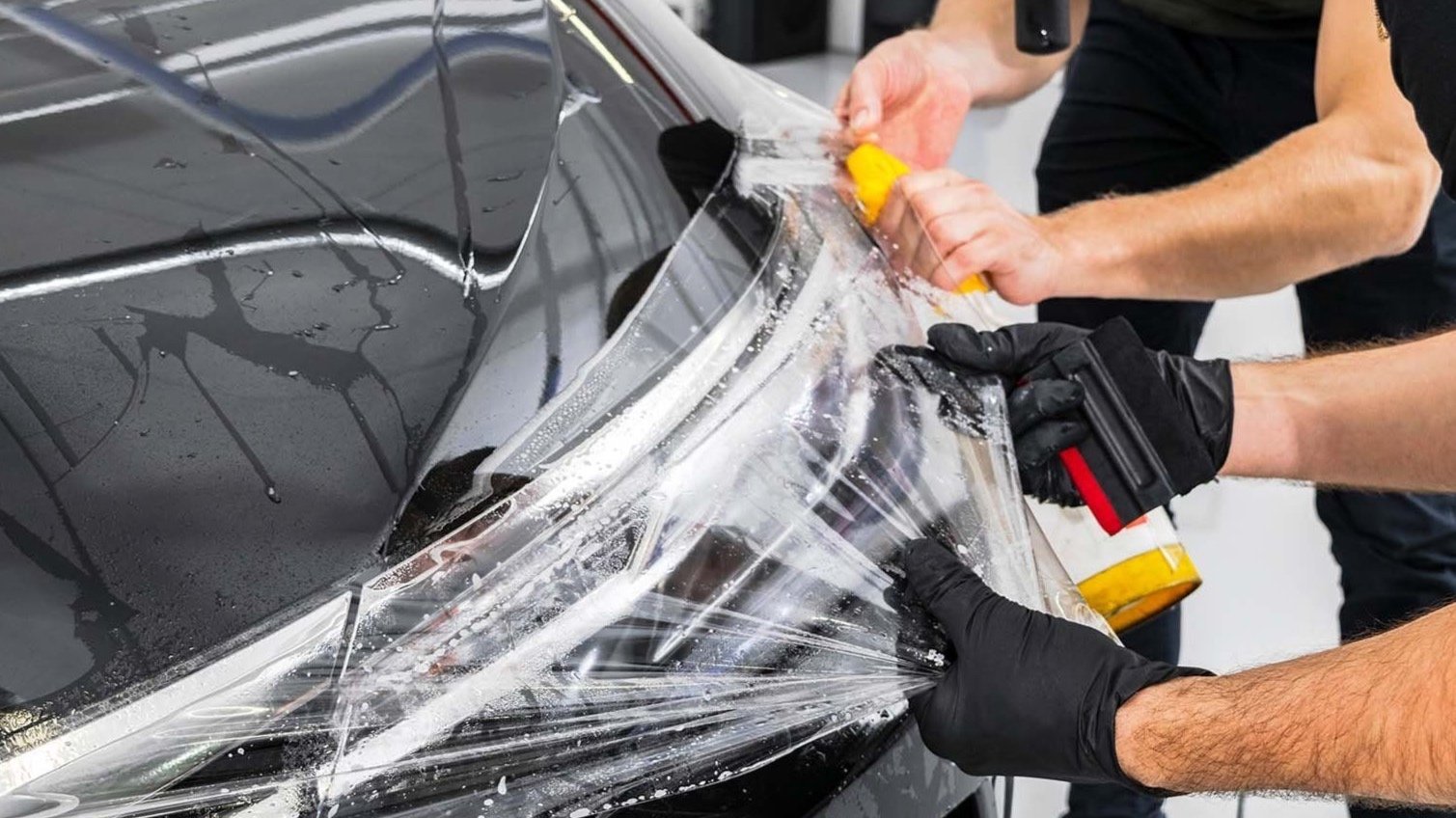
Paint Protection Film (PPF) is a clear layer applied to a car’s paint. It guards against scratches and stains. Installing PPF needs careful steps to ensure it fits well and lasts long.
The installation process includes cleaning, fitting, and smoothing the film. This guide explains the key parts of the process to help you understand what is involved.
Surface Preparation
Before applying PPF, the car’s surface must be very clean and smooth. Dirt, dust, or grease can cause bubbles or poor adhesion. Clean the car with soap and water, then dry it well. Sometimes, a clay bar is used to remove small particles from the paint.
- Wash the car thoroughly
- Dry the surface completely
- Use a clay bar for deep cleaning
- Remove any wax or polish residues
- Inspect for scratches or damage
Professional Vs. Diy Application
Installing PPF can be done by professionals or at home. Professionals have tools and experience to fit the film without bubbles or wrinkles. DIY kits are available but need patience and skill.
| Aspect | Professional Installation | DIY Installation |
| Tools Needed | Specialized cutting and heating tools | Basic tools, usually included in kits |
| Skill Level | High, trained experts | Moderate to high, depends on user |
| Time Required | 1-3 hours | Several hours to days |
| Cost | Higher, but includes warranty | Lower, but risk of errors |
| Result Quality | Usually flawless | Varies, may have imperfections |
Common Installation Challenges
Several problems can happen during PPF installation. These include air bubbles, dust under the film, and misalignment. These issues reduce the protection and look of the film.
- Trapped air causing bubbles
- Dust or dirt stuck under the film
- Film edges lifting or peeling
- Difficulty fitting curves and corners
- Film stretching too much or tearing
Maintenance And Care
Paint protection film helps keep your car’s surface safe from scratches and dirt. Proper care keeps the film clear and strong. Regular cleaning and small repairs extend its life.
Understanding how to care for the film helps keep your car looking new. Follow simple tips to maintain its protective power.
Cleaning Tips
Clean the film gently to avoid damage. Use soft cloths and mild soap with water. Avoid harsh chemicals or abrasive tools.
- Wash the car regularly to remove dirt and dust
- Use a soft microfiber cloth or sponge
- Rinse well to avoid soap residue
- Dry with a clean, soft towel
- Avoid pressure washers close to edges
Repairing Minor Damages
Small scratches or bubbles can happen over time. Some damages can be fixed at home, but big problems need a professional.
- Use heat from a hairdryer to smooth out small bubbles
- Apply a plastic polish to reduce light scratches
- Do not use sharp tools on the film
- Contact a specialist for large tears or deep scratches
Longevity Expectations
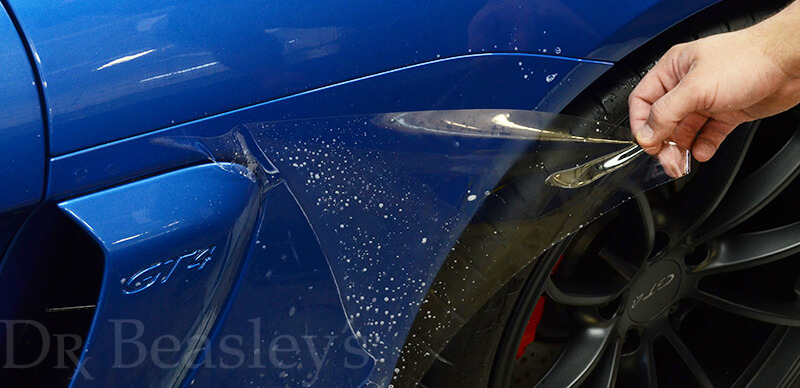
Paint protection film usually lasts 5 to 10 years. Its life depends on care and driving conditions. Avoid harsh environments to keep it longer.
Regular cleaning and quick repairs help the film stay effective. Check the film often for signs of wear and damage.
Credit: www.drbeasleys.com
Cost And Value Considerations
Paint Protection Film (PPF) is a clear film applied to cars to protect the paint. It is a smart choice for car owners looking to preserve their vehicle’s appearance.
Understanding the costs and benefits is important for making an informed decision. Let’s explore the factors affecting PPF pricing and its overall value.
Pricing Factors
The cost of PPF depends on several factors. These factors influence the final price and help you decide the best option for your car.
- The brand and quality of the film
- The size of the area being covered
- The complexity of the car’s design
- Installation expertise and location
Return On Investment
PPF offers a good return on investment by protecting your car’s paint. It helps maintain the car’s value over time.
| Benefit | Impact |
| Paint Protection | Prevents scratches and chips |
| Resale Value | Increases potential sale price |
| Longevity | Extends paint life |
Warranty Options
Many PPF providers offer warranties. These warranties provide peace of mind and cover potential issues.
- Coverage for peeling or yellowing
- Duration ranging from 5 to 10 years
- Transferable to new owners
Comparing Alternatives
Paint protection film is a popular choice for car owners. It keeps the car’s paint safe from scratches and damage. But there are other options to consider.
This guide explores alternatives like ceramic coatings, wax and sealants, and vinyl wraps. Each has unique benefits for car paint protection.
Ceramic Coatings
Ceramic coatings offer a hard layer of protection. They guard against water, dirt, and UV rays. This type of coating can last for years.
Applying ceramic coatings takes time and skill. It is often best done by professionals to ensure even coverage.
- Durable and long-lasting protection
- Resistant to water and dirt
- Professional application recommended
Wax And Sealants
Wax and sealants are traditional methods for protecting car paint. They add a shiny layer and help repel water.
They are easy to apply at home. However, they need regular reapplication to maintain effectiveness.
- Easy to apply at home
- Requires frequent reapplication
- Provides a glossy finish
Vinyl Wraps
Vinyl wraps cover the entire car with a thin film. They change the car’s appearance and protect the paint underneath.
Vinyl wraps come in many colors and patterns. They can be removed without damaging the original paint.
- Offers customizable looks
- Protects original paint
- Removable without damage
Frequently Asked Questions
What Is Paint Protection Film For Cars?
Paint protection film (PPF) is a clear, durable layer applied to car surfaces. It protects paint from scratches, chips, and stains. PPF preserves the vehicle’s appearance and resale value by preventing damage from road debris and environmental factors.
How Long Does Paint Protection Film Last?
High-quality paint protection film can last 5 to 10 years. Its lifespan depends on maintenance, exposure to sunlight, and environmental conditions. Proper care ensures the film remains effective and clear, protecting your car’s paint for many years.
Is Paint Protection Film Worth The Cost?
PPF is worth the investment for long-term paint protection. It prevents expensive paint repairs and maintains the vehicle’s new look. For those who value their car’s appearance, PPF offers excellent protection against everyday damage.
Can Paint Protection Film Be Removed Easily?
Yes, professional removal of paint protection film is safe and easy. It won’t damage the car’s paint if removed correctly. Removal is recommended when the film shows wear or if you want to change or upgrade the film.
Conclusion
Paint Protection Film keeps your car’s paint safe and clean. It stops scratches, chips, and dirt from damaging the surface. The film is clear and hard to notice. It lasts a long time and needs little care. Installing it helps keep your car looking new.
This makes your car’s value stay higher. Choosing paint protection film is a smart way to protect your car. It offers peace of mind on every drive. A simple step for lasting car beauty.







