
Have you ever felt your car suddenly lose grip on a wet road, as if it’s sliding uncontrollably? That scary moment is called hydroplaning, and it can happen to anyone driving in the rain.
Understanding what hydroplaning is and how your tires work to prevent it could save you from dangerous accidents. You’ll discover the simple science behind hydroplaning and learn exactly how the right tires keep you safe when the roads get slippery.
Keep reading—your safety depends on it.
Hydroplaning Basics
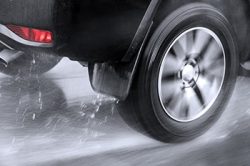
Hydroplaning happens when a car tire loses contact with the road. Water builds up between the tire and road surface. This causes the vehicle to slide uncontrollably.
Understanding how hydroplaning occurs helps drivers stay safe. Tires play a key role in preventing it by channeling water away.
How Hydroplaning Occurs
Hydroplaning starts when a tire cannot push away water fast enough. A thin layer of water stays under the tire. This lifts the tire off the road, reducing grip. The driver then loses control of steering and braking.
- Water depth on the road increases
- Tire tread cannot clear water quickly
- Vehicle speed is too high for conditions
- Road surface is smooth or oily
Factors Influencing Hydroplaning
Many factors affect how easily a car hydroplanes. These include tire condition, speed, and road features.
| Factor | Effect on Hydroplaning |
| Tire Tread Depth | Deeper tread clears water better |
| Vehicle Speed | Higher speed increases risk |
| Water Depth | More water raises chance of sliding |
| Road Surface | Rough surfaces help tires grip |
Credit: losangelescashforcars.com
Tire Design And Hydroplaning
Hydroplaning happens when a tire loses contact with the road. Water builds up between the tire and road surface. This makes the vehicle slip and lose control.
Tires are designed to reduce hydroplaning risks. Their shape and tread patterns help move water away from the tire. This keeps the tire in contact with the road for better grip.
Tread Patterns That Channel Water
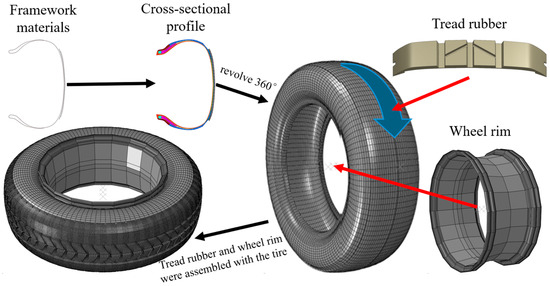
Tread patterns have grooves and channels. These parts push water out from under the tire. This stops water from building up and causing hydroplaning.
Different tread designs work best in different conditions. Some patterns are better at moving water, while others focus on grip and noise.
- Straight grooves quickly push water away
- Wavy or zigzag patterns improve traction on wet roads
- Larger channels clear more water during heavy rain
- Smaller cuts called sipes help grip on wet surfaces
Role Of Tire Depth And Condition
Tire tread depth is key to preventing hydroplaning. Deeper treads hold more water and clear it better. Worn tires with shallow tread lose this ability.
Good tire condition helps keep safe driving. Old or damaged tires may not channel water well. Regular checks and replacements reduce hydroplaning risks.
- New tires have deeper tread for better water clearance
- Worn tires increase hydroplaning risk
- Proper inflation keeps tread in contact with the road
- Check tires often for cuts, cracks, or uneven wear
Tire Maintenance For Safety
Hydroplaning happens when water builds between your tires and the road. This causes your car to lose traction and slip. Proper tire care helps prevent this dangerous situation.
Taking care of your tires keeps you safe on wet roads. Checking pressure and replacing worn tires are key steps.
Checking Tire Pressure Regularly
Correct tire pressure helps your tires grip the road better. Low pressure can cause tires to lose contact with the road surface.
Check your tire pressure once a month and before long trips. Use a reliable gauge to get the right reading.
- Under-inflated tires increase hydroplaning risk
- Proper pressure improves tire contact with the road
- Check pressure when tires are cold for accuracy
Replacing Worn Tires
Tread on your tires helps water escape from under them. Worn tires have shallow tread, which raises hydroplaning chances.
Replace tires when the tread depth is low. Use a tread depth gauge or the penny test to check wear.
- Good tread channels water away from tires
- Replace tires before tread reaches 2/32 inch depth
- Worn tires reduce braking and steering control
Credit: www.mdpi.com
Driving Techniques To Avoid Hydroplaning
Hydroplaning happens when a car’s tires lose contact with wet roads. This causes the vehicle to slide and lose control. Learning safe driving techniques can help you avoid hydroplaning.
Good driving habits and proper tire care work together to keep you safe in wet conditions. Focus on how you drive to reduce the risk of hydroplaning.
Adjusting Speed In Wet Conditions
Slow down when roads are wet. High speeds make it easier for tires to lose grip. Lower speed helps tires push water away and stay in contact with the road.
Watch for puddles and standing water. Avoid driving through deep water too fast. Reducing speed gives you more time to react and control your vehicle.
- Drive slower than usual on wet roads
- Avoid sudden acceleration
- Slow down before sharp turns
- Watch for water buildup on the road
Safe Steering And Braking Practices
Keep your steering smooth and steady. Sudden turns can cause your tires to slip on wet surfaces. Gentle steering helps tires maintain grip and control.
Use brakes carefully. Press brakes slowly and avoid hard stops. Pump the brakes if your car does not have ABS to prevent wheel lock. This helps tires keep traction on wet roads.
- Steer gently and avoid sharp turns
- Press brakes slowly and evenly
- Use engine braking by easing off the gas
- If no ABS, pump brakes gently to avoid lockup
Advanced Tire Technologies
Hydroplaning happens when water builds up between tires and the road. It makes the car slide and lose control.
Tires use special technologies to stop hydroplaning. These help keep cars safe in wet weather.
Hydroplaning-resistant Tire Materials
Tires use materials that grip wet roads better. These materials help push water away from the tire surface.
Rubber compounds with silica improve wet traction. They stay flexible in cold and wet conditions.
- Silica-based rubber reduces slipping on water
- Soft compounds increase tire contact with the road
- Special tread patterns help water flow away quickly
Sensors And Warning Systems
Modern cars have sensors that detect when tires lose grip. They warn drivers about possible hydroplaning.
These systems use data from wheel speed and traction control. They alert drivers to slow down and drive safely.
- Wheel speed sensors check if tires spin too fast
- Traction control adjusts power to prevent slipping
- Warning lights notify drivers about low traction

Credit: www.familyhandyman.com
Additional Safety Tips
Hydroplaning happens when your tires lose contact with the road due to water. It’s a dangerous situation that can cause accidents. Knowing how to prevent it is important for safe driving.
Your tires play a key role in preventing hydroplaning. They are designed to channel water away, helping maintain contact with the road. Good tire maintenance can reduce the risk of hydroplaning.
Avoiding Puddles And Standing Water
Driving through puddles or standing water increases the risk of hydroplaning. It’s best to avoid them whenever possible. Slow down when you see water on the road.
Stay alert during and after rain. Water can collect in low spots on the road. Being cautious can keep you safer.
- Drive around large puddles
- Stay on higher lanes to avoid water
- Reduce speed in wet conditions
Planning Trips Around Weather
Weather can change quickly, affecting driving safety. Checking the forecast before you travel can help you avoid bad conditions. This can prevent hydroplaning and other weather-related issues.
If heavy rain is expected, consider delaying your trip. Safe travel is worth the wait. Plan routes that have good drainage to avoid water buildup.
- Check weather apps before traveling
- Choose routes with good drainage
- Delay travel if conditions are poor
Frequently Asked Questions
What Is Hydroplaning In Vehicles?
Hydroplaning occurs when tires lose contact with the road due to water. This causes loss of control and increased accident risk.
How Do Tires Prevent Hydroplaning?
Tires prevent hydroplaning by channeling water away through tread patterns. This maintains road grip and improves vehicle stability on wet surfaces.
Which Tire Features Reduce Hydroplaning Risk?
Deep grooves, wide tread patterns, and sipes help disperse water. These features enhance traction and minimize hydroplaning chances during rain.
Can Worn Tires Increase Hydroplaning Danger?
Yes, worn tires have less tread depth, reducing water dispersion. This greatly increases the likelihood of hydroplaning on wet roads.
Conclusion
Hydroplaning happens when tires lose grip on wet roads. Good tires have deep grooves that move water away. This helps the tires stay in touch with the road. Driving carefully on wet roads lowers hydroplaning risk. Regular tire checks keep your tires in good shape.
Safe driving means better control and fewer accidents. Understanding hydroplaning helps you stay safe in rain. Remember, tires play a key role in wet weather safety. Stay alert and maintain your tires to drive confidently.







