
Have you ever wondered what makes a car look brand new, even after years of use? That’s where car detailing comes in.
But what exactly is detailing a car, and why should you care? If you want your vehicle to shine, protect its value, and turn heads wherever you go, understanding car detailing is the first step. Keep reading, and you’ll discover simple yet powerful ways to keep your car looking its absolute best—inside and out.

Credit: www.drbeasleys.com
Car Detailing Basics
Car detailing is the thorough cleaning of a car’s interior and exterior. It goes beyond a simple wash to restore and protect the vehicle.
This process helps keep the car looking new and can improve its value over time.
Purpose Of Car Detailing
Detailing removes dirt, grime, and stains that regular washing does not. It also protects surfaces from damage caused by weather and use.
- Protects paint and finishes
- Removes tough stains inside and out
- Prevents rust and corrosion
- Improves car appearance and smell
- Maintains or increases resale value
Difference Between Washing And Detailing
Washing cleans the car’s surface by removing dirt and dust. Detailing is a deeper cleaning that includes polishing and protecting all parts of the car.
| Aspect | Car Washing | Car Detailing |
| Cleaning Depth | Surface dirt removal | Deep cleaning inside and out |
| Processes | Soap, water, rinse | Washing, polishing, waxing, vacuuming |
| Protection | No protection | Paint and interior protection |
| Time Required | 15-30 minutes | Several hours |
Credit: www.acuradowntown.ca
Exterior Detailing Steps
Detailing a car means cleaning it very well. The goal is to make the car look like new.
Exterior detailing focuses on the outside parts of the car. This includes the paint, windows, and wheels.
Washing And Decontamination
Start by washing the car with soap and water. This removes dirt and dust from the surface.
After washing, remove tough contaminants like tar, bugs, and tree sap. Use special cleaners for this.
- Rinse the car thoroughly
- Use a foam cannon or sponge with car shampoo
- Clean wheels and tires separately
- Apply bug and tar remover where needed
Claying The Surface
Claying removes tiny particles stuck on the paint. These particles do not wash off easily.
Use a clay bar and lubricant to gently rub the surface. This makes the paint smooth and clean.
- Spray lubricant on a small section
- Rub clay bar gently over the area
- Wipe the area with a clean microfiber cloth
- Repeat until the whole car is smooth
Polishing For Shine
Polishing removes small scratches and dullness from the paint. It restores the car’s shine.
Use a polish and a polishing pad or machine. Work in small sections for best results.
- Apply polish to the pad
- Work on one section at a time
- Move pad in circular motions
- Wipe off polish residue with a clean cloth
Applying Wax Or Sealant
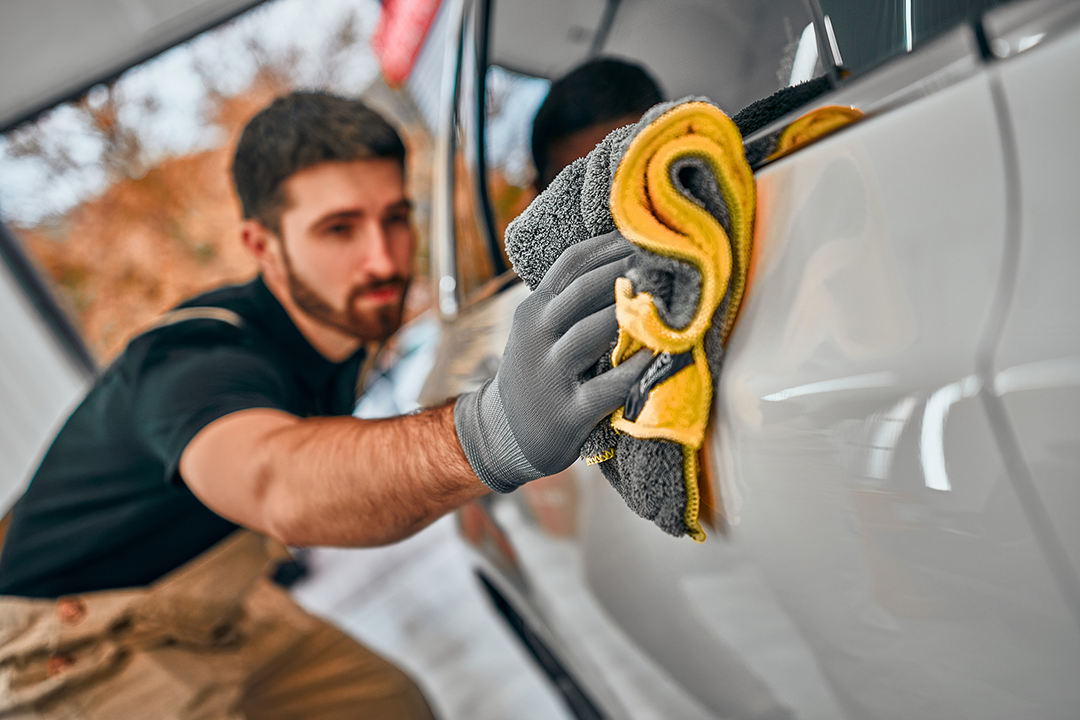
Wax or sealant protects the paint from dirt and weather. It also adds a glossy finish.
Apply wax or sealant with an applicator pad. Let it dry, then buff with a microfiber cloth.
- Choose wax or sealant for your needs
- Apply a thin, even layer
- Let it haze or dry as directed
- Buff off with a clean cloth for shine
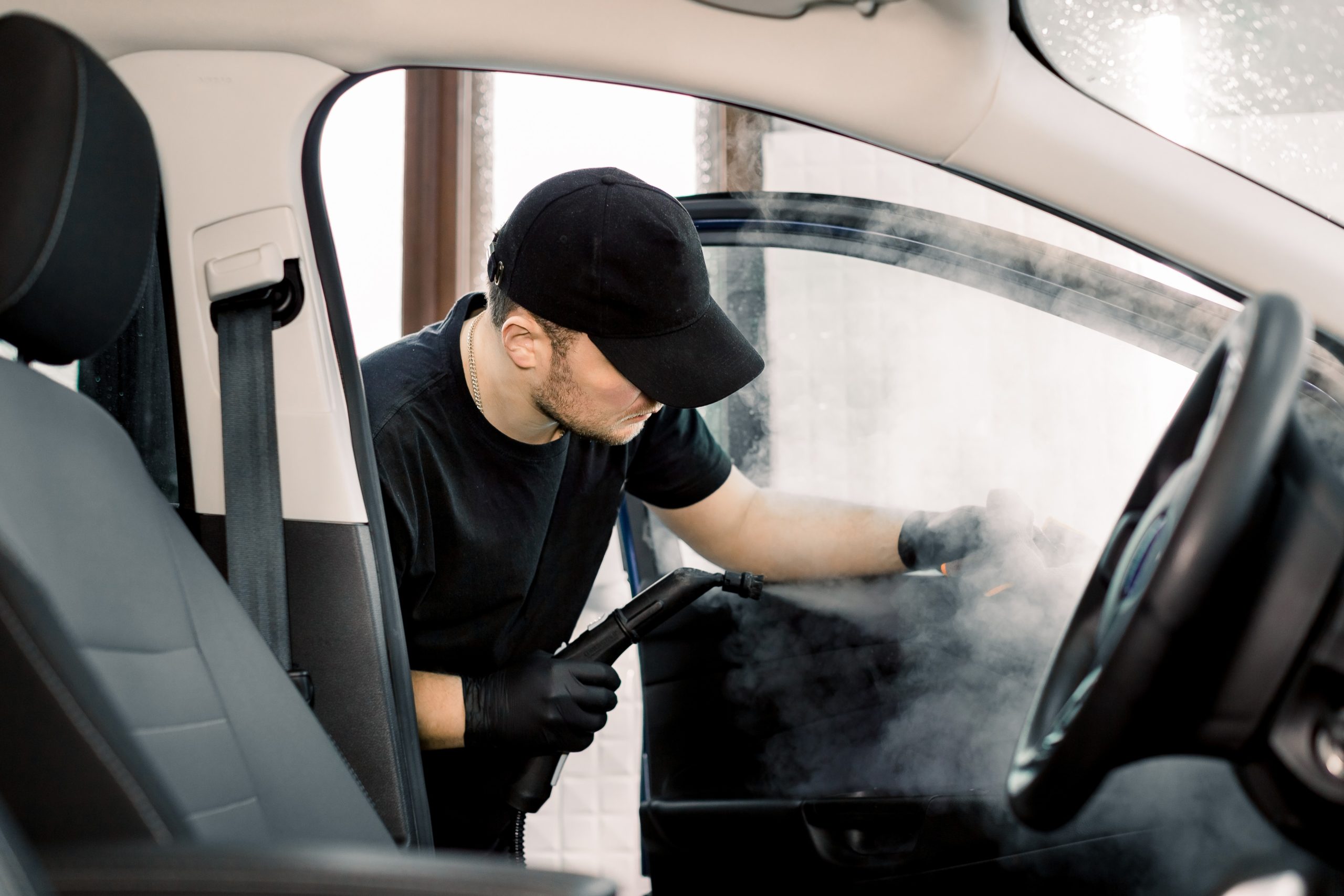
Interior Detailing Process
Detailing a car means cleaning it deeply, inside and out. The interior needs special care to look fresh and stay protected.
The process includes cleaning floors, seats, and surfaces. It removes dirt, dust, and stains from every corner.
Vacuuming And Dust Removal
Vacuuming picks up dirt, crumbs, and dust from seats and floors. It cleans hard-to-reach places like under seats.
Dust removal uses soft brushes or cloths. This stops dust from settling on the dashboard and vents.
- Use a vacuum with crevice tools
- Brush dust off vents and panels
- Remove floor mats for separate cleaning
Cleaning Upholstery And Carpets
Cleaning upholstery removes stains and dirt from fabric or leather seats. Carpets get shampooed or wiped clean.
Use cleaners safe for your car’s materials. Spot clean tough stains carefully to avoid damage.
- Choose fabric or leather cleaner
- Apply cleaner and scrub gently
- Use a wet-dry vacuum to remove moisture
Dashboard And Trim Care
The dashboard and trim collect dust and fingerprints. Clean them with soft cloths and mild cleaners.
Protect plastic and vinyl parts using special conditioners. This keeps them from cracking or fading.
- Wipe dashboard with microfiber cloth
- Use gentle cleaner for sticky spots
- Apply protectant to maintain shine
Conditioning Leather Seats
Leather seats need conditioning to stay soft and prevent cracks. Use a leather conditioner after cleaning.
Apply conditioner with a clean cloth. Let it soak in, then buff to a smooth finish.
- Clean leather with a special cleaner first
- Apply conditioner evenly over seats
- Buff seats to remove excess product
Tools And Products Needed
Detailing a car means cleaning it inside and out with special tools and products. Using the right supplies helps keep your car shiny and protected.
This guide shows the main tools and products you need for car detailing. It covers cleaning supplies, polishes, waxes, brushes, and towels.
Essential Cleaning Supplies
Start with basic cleaning tools to remove dirt and grime from your car. These supplies make the cleaning process easier and more effective.
- Car wash soap – designed for automotive paint
- Buckets – one for soap, one for rinsing
- Pressure washer or hose with spray nozzle
- Foam cannon – creates thick foam for better cleaning
- Wheel cleaner – removes brake dust and grime
- Glass cleaner – for windows and mirrors
- Vacuum cleaner – for interior dirt and debris
Recommended Polishes And Waxes
Polishes and waxes protect your car’s paint and bring out a deep shine. Choose products based on your car’s condition and the finish you want.
| Product | Purpose | Use |
| Polish | Removes small scratches and swirls | Apply with a buffer or by hand before waxing |
| Wax | Protects paint and adds shine | Apply after polishing and buff to a shine |
| Sealant | Long-lasting paint protection | Use instead of or with wax for extra durability |
| Glaze | Hides minor paint imperfections | Apply before wax for a smoother finish |
Detailing Brushes And Towels
Proper brushes and towels help clean hard-to-reach areas and prevent scratches. Use the right tools for each part of your car.
- Soft-bristle brushes – for dashboards and vents
- Wheel brushes – to clean tires and rims
- Microfiber towels – gentle on paint and absorb water well
- Detailing brushes – for buttons, seams, and crevices
- Applicator pads – to apply polish and wax evenly
Protecting Your Car’s Finish
Detailing a car involves more than just a wash. It protects the car’s finish and keeps it looking new. Let’s explore ways to protect your car’s paint.
There are several methods to enhance and preserve your car’s exterior. These methods provide a shield against scratches and environmental damage.
Benefits Of Paint Protection Film
Paint Protection Film (PPF) is a transparent layer applied to the car’s surface. It acts like a second skin, guarding against minor scratches and debris.
- Prevents stone chip damage
- Reduces fading from UV rays
- Maintains resale value
Using Ceramic Coatings
Ceramic coatings provide a shiny, protective layer on your car. They are applied as a liquid and harden into a durable shield.
Regular Maintenance Tips
Consistent care is key to a lasting car finish. Routine maintenance prevents wear and tear over time.
| Task | Frequency |
| Wash | Weekly |
| Wax | Every 3 months |
| Inspect for scratches | Monthly |
Diy Vs Professional Detailing
Detailing a car means cleaning and restoring it inside and out. It helps protect the car and keeps it looking new. You can detail your car yourself or hire a professional service.
Both DIY and professional detailing have benefits and drawbacks. Choosing the right option depends on cost, time, and the results you want.
Cost Comparison
DIY detailing usually costs less since you only pay for supplies. Professional services charge for labor and materials.
| Detailing Type | Typical Cost |
| DIY Detailing | $20 – $100 (cleaning products) |
| Professional Detailing | $100 – $300 or more |
Time And Effort Involved
DIY detailing takes time and effort. You must clean each part carefully. Professionals finish faster because they have tools and experience.
- DIY: Requires several hours or more.
- Professional: Usually done in 1-3 hours.
- DIY: You do all the work yourself.
- Professional: Experts handle all tasks.
When To Choose Professionals
Professional detailing is best for tough stains, deep cleaning, or when you want a high-quality finish. It suits cars with damage or heavy use.
- When you lack time or tools.
- If your car needs paint correction or polishing.
- For restoring older or damaged interiors.
- When you want guaranteed results.
Common Mistakes To Avoid
Detailing a car is more than just washing it. Many people make mistakes that can harm their car’s appearance.
Understanding these common errors will help you keep your car looking its best.
Using Harsh Chemicals
Harsh chemicals can damage your car’s paint and interior. It is crucial to use products designed specifically for car surfaces.
- Avoid using household cleaners
- Choose pH-balanced products
- Test new products on a small area first
Skipping Surface Preparation
Proper surface preparation is key to a good finish. Skipping this step can lead to scratches and uneven shine.
| Step | Action |
| 1 | Rinse the car thoroughly |
| 2 | Use clay bar to remove contaminants |
| 3 | Dry with a microfiber towel |
Over-polishing Risks
Over-polishing can wear down the car’s clear coat. It is important to polish only when necessary and to follow guidelines.
Credit: klassiccarwash.com
Frequently Asked Questions
What Is Car Detailing And Why Is It Important?
Car detailing is thorough cleaning and restoration of a vehicle. It improves appearance, protects paint, and maintains value. Detailing removes dirt, waxes surfaces, and cleans interiors deeply for a like-new look.
How Often Should I Detail My Car?
Detailing frequency depends on usage and environment. Generally, every 4-6 months is ideal. Regular detailing protects paint, prevents damage, and keeps interiors fresh, extending your car’s lifespan and value.
What Are The Main Steps In Car Detailing?
Car detailing includes washing, claying, polishing, waxing, and interior cleaning. Each step removes contaminants, restores shine, and protects surfaces. This multi-step process ensures your car looks spotless and well-maintained.
Can Detailing Fix Scratches And Paint Imperfections?
Detailing can reduce minor scratches and swirl marks through polishing. However, deep scratches may need professional repair. Proper detailing improves paint clarity and protects against future damage.
Conclusion
Detailing a car keeps it clean and protects its surfaces. It helps maintain the car’s value over time. Regular detailing removes dirt, dust, and stains effectively. It also makes the car look fresh and new again. Taking care of your car shows pride and responsibility.
A clean car feels better to drive every day. Simple steps in detailing can make a big difference. Try detailing your car to enjoy these benefits yourself.







