
Are your leather car seats looking dull or feeling sticky? You want them to stay smooth, soft, and fresh for years to come.
But with so many cleaning products and methods out there, how do you know what is best to clean leather car seats without damaging them? You’ll discover simple, effective tips that protect your seats and keep your car’s interior looking like new.
Keep reading to find out how easy it can be to care for your leather seats the right way.
Credit: www.leatherhoney.com
Types Of Leather Car Seats
Leather car seats come in different types. Each type has its own look and care needs.
Knowing your leather type helps you clean it the best way. This keeps seats soft and lasting long.
Aniline Leather
Aniline leather is made with natural dyes. It feels soft and looks very natural.
This leather is sensitive to stains and sunlight. Use gentle cleaners and avoid harsh scrubbing.
- Use mild soap and water
- Apply leather conditioner often
- Clean spills quickly
Semi-aniline Leather
Semi-aniline leather has a light protective coating. It looks natural but is more durable than aniline.
You can clean it with mild products. It handles light stains better and needs less care than aniline.
- Use leather cleaner and soft cloth
- Wipe spills soon after they happen
- Condition every few months
Protected Leather
Protected leather has a strong finish. It resists stains and scratches well.
Cleaning is easier with protected leather. You can use stronger cleaners without damage.
- Use leather cleaner or soap
- Wipe with a damp cloth
- Apply conditioner to keep softness
Common Stains And Dirt On Leather Seats
Leather car seats look great but need care to stay clean. Dirt and stains can damage the leather over time.
Knowing common stains helps you clean seats properly and keep them fresh.
Food And Drink Spills
Food and drink spills often cause sticky stains on leather seats. Sugary drinks and sauces can leave marks.
These spills can soak into the leather and cause damage if not cleaned quickly.
- Soft drinks and coffee stains
- Greasy or oily food spots
- Chocolate and sauces
Body Oils And Sweat
Body oils and sweat leave dark, oily marks on leather seats. They build up over time and dull the leather.
These stains are common in hot weather or after long drives.
- Natural oils from skin
- Perspiration stains
- Makeup residues
Dust And Dirt
Dust and dirt settle on leather seats from the air and clothes. They make seats look dull and rough.
Loose dirt can scratch leather if rubbed in during cleaning.
- Outdoor dust entering the car
- Clothing fibers and lint
- Soil and debris from shoes
Ink And Dye Transfer
Ink from pens and dye from clothes can stain leather seats. These marks are hard to remove.
Dark jeans and printed fabrics often cause dye transfer on light-colored leather.
- Pen and marker ink stains
- Jeans dye transfer
- Printed fabric colors
Essential Cleaning Tools
Cleaning leather car seats needs the right tools. Using proper tools keeps leather soft and clean.
This guide covers soft brushes, microfiber cloths, and leather cleaning products. Each tool has a special role.
Soft Brushes
Soft brushes help remove dirt from leather seats without scratching. Choose brushes with gentle bristles to protect the leather.
- Use natural or soft synthetic bristles
- Brush gently to avoid damage
- Focus on seams and crevices
- Clean the brush after each use
Microfiber Cloths
Microfiber cloths trap dirt and absorb moisture well. They clean without leaving scratches or lint behind.
| Type | Use | Care Tips |
| Dry microfiber cloth | Dust and light cleaning | Wash separately in cold water |
| Damp microfiber cloth | Wipe off cleaning products | Do not use fabric softener |
| Soft microfiber towel | Final drying and polishing | Air dry or tumble dry low |
Leather Cleaning Products
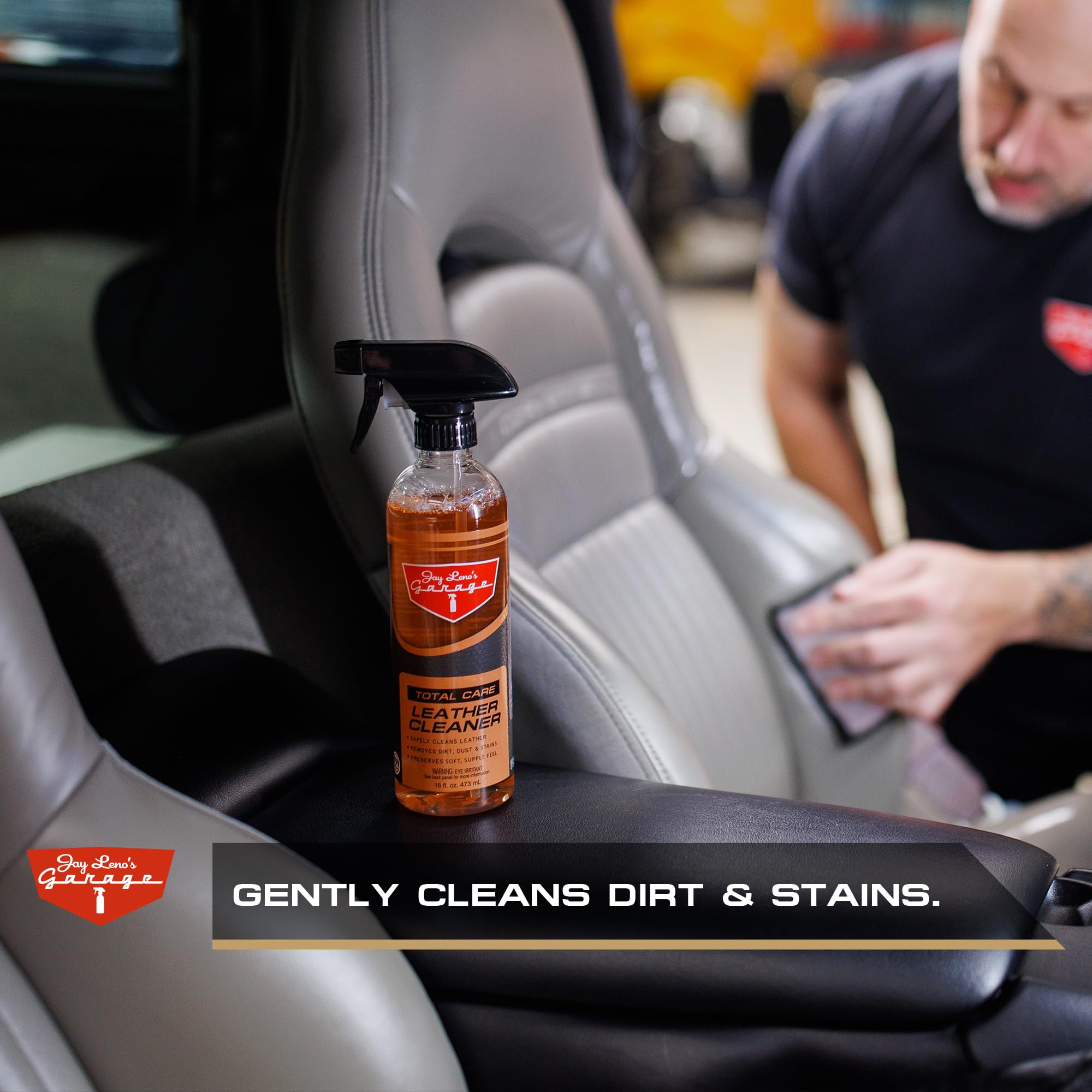
Leather cleaning products remove stains and restore moisture. Always pick products made for leather car seats.
Here are key ingredients to look for in leather cleaners:
- pH balanced formula
- Natural oils for conditioning
- No harsh chemicals or alcohol
- Non-abrasive texture
Credit: www.amazon.ca
Best Cleaners For Leather Seats
Cleaning leather car seats requires special care. The right cleaner keeps seats looking new.
Choose cleaners that protect the leather without damaging it. Avoid harsh substances.
Ph-balanced Leather Cleaners
pH-balanced cleaners are gentle on leather. They help maintain the material’s natural oils.
These cleaners prevent cracking and drying. They keep your seats soft and supple.
- Lexol Leather Cleaner
- Meguiar’s Gold Class Rich Leather Cleaner
- Leather Honey Leather Cleaner
Natural And Diy Cleaners
Natural cleaners are safe and effective. They use ingredients from your kitchen.
DIY options are cost-effective. They avoid synthetic chemicals found in some products.
- White vinegar and water mixture
- Olive oil and lemon juice polish
- Coconut oil for conditioning
Avoiding Harsh Chemicals
Harsh chemicals harm leather seats. They strip away essential oils and cause damage.
Choose cleaners without alcohol or bleach. These substances dry out and weaken leather.
- Avoid ammonia-based products
- Do not use household detergents
- Stay away from petroleum-based cleaners
Step-by-step Cleaning Process
Keeping leather car seats clean enhances the look and feel of your vehicle. Follow these simple steps for effective cleaning.
With regular care, your leather seats will stay in great condition for years. This guide will walk you through each step.
Vacuuming The Seats
Start by removing loose dirt and debris from your leather seats. Use a vacuum cleaner with a soft brush attachment.
- Attach the soft brush to your vacuum.
- Gently vacuum the seats, focusing on seams and crevices.
- Ensure all visible dirt is removed before proceeding.
Applying Cleaner
Select a cleaner specifically designed for leather. Apply the cleaner sparingly to avoid over-saturation.
Pro Tip: Test the cleaner on a hidden area first to ensure it does not discolor or damage the leather.
Gentle Scrubbing Techniques
Use a soft cloth or sponge to scrub the seats gently. Avoid using harsh brushes that may scratch the leather surface.
| Tool | Effectiveness |
| Soft Cloth | High |
| Sponge | Moderate |
| Hard Brush | Low |
Wiping And Drying
After scrubbing, wipe the seats with a clean, damp cloth to remove the cleaner. Dry the seats thoroughly with a soft towel.
Allow the seats to air dry completely. Ensure no moisture is left to prevent mold and mildew.
Conditioning Leather After Cleaning
Cleaning leather car seats removes dirt and oils. Conditioning helps keep the leather soft and protected.
Proper conditioning stops cracking and fading. It restores moisture lost during cleaning.
Choosing The Right Conditioner
Select a conditioner made for automotive leather. Avoid products with harsh chemicals or silicone.
- Look for natural oils like mink oil or lanolin
- Test on a small hidden area first
- Choose a non-greasy formula
- Avoid wax-based products that can clog leather pores
Application Tips
Apply conditioner with a clean, soft cloth. Use gentle circular motions to spread evenly.
| Tip | Reason |
| Use a small amount | Prevents buildup and sticky residue |
| Allow time to absorb | Helps leather soak in moisture fully |
| Buff lightly after absorption | Restores natural shine and removes excess |
| Keep away from direct sunlight while drying | Prevents uneven color or damage |
Frequency Of Conditioning
Condition leather seats every three to six months. This depends on use and climate.
- Condition more often if seats get heavy sun exposure
- In dry climates, increase frequency to maintain moisture
- If leather feels stiff or looks dull, it needs conditioning
- Avoid over-conditioning as it can weaken leather
Tips To Maintain Leather Car Seats
Leather car seats add style and comfort to your vehicle. Keeping them clean helps maintain their look and lasts longer.
Simple care habits can protect your seats from damage. Here are some tips to keep them in good shape.
Regular Cleaning Schedule
Clean your leather seats often to remove dirt and oils. This prevents stains and keeps the leather soft.
- Vacuum the seats to remove dust and crumbs.
- Use a soft cloth with a leather cleaner or mild soap.
- Wipe gently to avoid scratching the leather.
- Dry the seats with a clean towel.
- Apply leather conditioner to keep the material supple.
Protecting From Sun Damage
Sunlight can cause leather to fade and crack. Use these ways to protect your seats from sun damage.
| Method | Benefit |
| Park in shade | Reduces direct sunlight exposure |
| Use sunshades | Blocks UV rays from windows |
| Apply leather protectant | Creates a barrier against sun damage |
| Keep windows slightly open | Improves airflow to lower heat buildup |
Avoiding Sharp Objects
Sharp items can scratch or tear leather seats. Follow these tips to prevent damage from such objects.
- Do not place keys or tools directly on seats.
- Keep pets off the seats or use covers.
- Check pockets for sharp items before sitting.
- Avoid wearing clothes with sharp buttons or studs.
Credit: www.drivebydetail.net
Common Mistakes To Avoid
Cleaning leather car seats needs care and the right method. Many people make mistakes that harm their seats. Avoiding these errors keeps leather soft and long-lasting.
This guide covers three common mistakes. Learn what to avoid for the best leather seat care.
Using Excess Water
Leather does not like too much water. Using too much water can cause spots and damage. It can also make the leather stiff and cracked over time.
- Use a damp cloth, not a wet one.
- Avoid soaking the leather surface.
- Dry the seats quickly after cleaning.
Harsh Chemicals
Strong cleaners can ruin leather seats. Many chemicals strip away natural oils and color. This causes fading and cracking.
| Type of Cleaner | Effect on Leather |
| Bleach | Removes color, damages fibers |
| Ammonia-based | Dries out leather, causes cracks |
| Alcohol | Strips oils, fades color |
| Leather-specific cleaner | Safe and gentle |
Skipping Conditioning
Many skip conditioning after cleaning. Conditioning adds moisture back to leather. Without it, leather becomes dry and brittle.
Tips for conditioning leather seats:
- Apply conditioner every 3 to 6 months.
- Use a small amount and rub gently.
- Let the conditioner absorb fully before use.
Frequently Asked Questions
What Is The Safest Cleaner For Leather Car Seats?
The safest cleaner is a pH-balanced leather cleaner made specifically for automotive leather. Avoid harsh chemicals and detergents that can dry or damage the leather. Always test in a small, hidden area first.
Can Household Products Clean Leather Car Seats Effectively?
Household products like vinegar or mild soap can clean leather seats gently. Use diluted solutions to avoid damage. Avoid bleach, ammonia, or alcohol-based cleaners, as they can cause cracking or fading.
How Often Should I Clean Leather Car Seats?
Clean leather seats every 3 to 6 months to maintain appearance and durability. Regular cleaning prevents dirt buildup and keeps the leather soft and supple. More frequent cleaning may be needed for heavily used cars.
Is Conditioning Necessary After Cleaning Leather Seats?
Yes, conditioning after cleaning is essential. It restores moisture, prevents cracking, and maintains leather softness. Use a quality leather conditioner designed for car seats for best results.
Conclusion
Cleaning leather car seats needs care and the right products. Use gentle cleaners made for leather to avoid damage. Always test a small area first to check for color changes. Wipe seats softly with a clean cloth to keep them shiny and soft.
Regular cleaning helps leather last longer and stay comfortable. Keep your car’s interior looking fresh and neat. Simple steps make a big difference in leather care. Choose safe methods and enjoy smooth, clean seats every day.







