
Have you ever seen a “K Alert” pop up on your radar detector and wondered what it really means? If you rely on your device to stay alert and avoid speeding tickets, understanding this alert is crucial.
Knowing exactly what triggers a K Alert can help you react faster and drive smarter. Keep reading, and you’ll discover the simple explanation behind this message—and how it can make a difference every time you hit the road.
Credit: www.rdforum.org
K Alert Basics
Radar detectors help drivers avoid speeding tickets by warning them of radar signals. One common alert is the K Alert, which detects a specific radar band used by police. Understanding what the K Alert means can help you stay aware while driving.
This guide explains what the K Alert indicates and how the K Band works. Knowing these basics can improve your use of a radar detector.
What K Alert Indicates
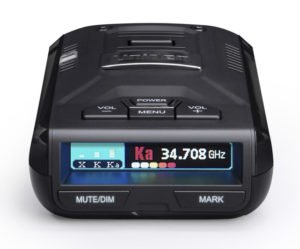
The K Alert signals that your radar detector has found a radar wave in the K Band frequency. This band is commonly used by police speed guns. The alert means you may be near a speed enforcement device.
- K Band radar signals usually come from police radar guns.
- The alert warns you to check your speed and surroundings.
- It helps you avoid speeding tickets by giving early notice.
- Not all K Band signals are police; some devices and sensors also use it.
How K Band Works
The K Band is a range of radar frequencies from 24.0 to 24.25 GHz. Police use this band for speed detection because it works well at close and medium ranges. Radar detectors scan this band to find signals and alert the driver.
| Feature | Details |
|---|---|
| Frequency Range | 24.0 – 24.25 GHz |
| Common Use | Police speed radar guns |
| Detection Range | Medium to close distance |
| False Alerts | Possible from automatic doors and other devices |
Radar Detector Features
Radar detectors help drivers spot speed monitoring devices on the road. They use signals to alert you about police radar nearby.
One common alert is the “K Alert.” This alert warns you about radar signals in the K band range.
Types Of Radar Bands
Radar detectors detect different radar bands used by police. The main types include X, K, and Ka bands. Each band covers a specific frequency range.
- X Band:The oldest type, less common today.
- K Band:Used widely, especially for short-range detection.
- Ka Band:The newest and most common band for speed checks.
Signal Strength And Alerts
The signal strength shows how close the radar source is. Stronger signals mean the radar is near. Radar detectors alert with sounds or visual icons.
| Signal Strength | Alert Meaning |
| Low | Radar detected far away |
| Medium | Radar is getting closer |
| High | Radar very near, be cautious |
K Band Sources
K band is a frequency range used by many radar detectors. It helps detect signals from speed monitoring devices. Understanding K band sources can help you know what triggers your radar alerts.
This section explains common K band sources. They include police radar guns and other non-police emitters. Knowing the difference helps you identify false alarms.
Police Radar Guns
Police radar guns use K band frequencies to measure vehicle speed. These devices send out radar waves that reflect off moving cars. The detector alerts you when it senses these signals.
- Handheld radar guns used by officers
- Vehicle-mounted radar systems
- Stationary speed monitoring devices
- Mobile radar units in police cars
Non-police K Band Emitters
Not all K band signals come from police. Many other devices use similar frequencies. These can cause false alerts on radar detectors.
| Emitter Type | Common Use | Effect on Detector |
| Automatic Door Sensors | Store and building entrances | Can trigger false K alerts |
| Traffic Flow Sensors | Traffic lights and monitoring | May cause brief alerts |
| Radar-Based Security Systems | Home and business security | Sometimes detected as K band |
| Adaptive Cruise Control | Modern vehicles | Possible false alarms |
False Alarms And Filtering
Radar detectors use different signals to alert drivers about nearby police radar. One common alert is the “K Alert.” Sometimes, these alerts can be false alarms. False alarms happen when the detector senses signals that are not from police radar.
Filtering helps reduce these false alarms. It allows the radar detector to ignore signals from non-police sources. This makes driving less distracting and more focused.
Common Causes Of False Alerts
Many things can cause false K alerts on radar detectors. These signals come from everyday sources that use similar frequencies as police radar. Knowing these causes helps drivers understand why false alerts happen.
- Automatic door openers at stores
- Security alarm systems
- Other vehicles’ radar-based systems
- Traffic sensors embedded in roads
- Some wireless devices and electronics
Reducing False K Alerts
To cut down on false K alerts, radar detectors use filtering features. These filters block non-police signals from triggering alerts. Users can also adjust settings to improve filtering.
- Enable digital filtering if available
- Adjust sensitivity to lower levels
- Use location-based filtering in certain areas
- Update detector firmware regularly
- Learn common false alert areas and stay alert
Adjusting K Alert Settings
K Alert on a radar detector warns you about K-band radar signals. Adjusting its settings helps avoid false alerts and improves detection accuracy.
You can change sensitivity levels and control sound options. These adjustments make the radar detector fit your driving style and environment.
Sensitivity Levels
Sensitivity controls how your radar detector reacts to K-band signals. Higher sensitivity means earlier alerts but more false alarms. Lower sensitivity reduces false alerts but may miss some signals.
- High sensitivity: Detects weak signals far away
- Medium sensitivity: Balances detection and false alerts
- Low sensitivity: Limits alerts to strong signals nearby
Mute And Volume Controls
You can mute alerts or adjust volume to avoid distractions. Some detectors let you mute only K alerts while keeping others active.
| Control | Description | Use |
| Mute Button | Silences current alert | Stop noise quickly |
| Volume Control | Adjusts alert sound level | Set comfortable loudness |
| Selective Mute | Mutes specific alert types | Focus on important alerts |

Credit: www.amazon.com
Legal Considerations
Understanding what a K alert means on a radar detector is essential. It helps you drive safely and comply with the law. Radar detectors can warn you of nearby speed traps. But, you must know the legal rules in your area.
Radar Detector Laws
Radar detector laws vary by location. Some places allow them, others do not. It’s important to know what your state or country permits. This helps you avoid fines or penalties.
In most of the United States, radar detectors are legal. But in Virginia and Washington D.C., they are not. Commercial vehicles also face more restrictions.
- Check local laws before using a radar detector
- Understand restrictions on commercial vehicles
- Know the specific rules in your state
Using K Alerts Responsibly
When you receive a K alert, it signals a possible radar nearby. It’s important to use this information wisely. Do not speed or drive recklessly.
A K alert does not give you permission to break the law. It should serve as a reminder to maintain safe driving habits. Always respect speed limits and traffic signs.
- Use K alerts as a safety reminder
- Follow all traffic rules and speed limits
- Drive responsibly to ensure safety for all
Tips For Effective Use
Radar detectors help you know about nearby speed monitoring. The K alert is one of the signals it detects.
Understanding K alerts can improve your driving experience. Here are some tips for using your radar detector effectively.
Interpreting Alerts Accurately
K alerts are common, so knowing what they mean is vital. They often indicate a police radar nearby.
Make sure to check your surroundings when you hear a K alert. It helps to reduce false alarms and focus on true threats.
- Stay calm and look for speed signs
- Be aware of your current speed
- Notice if the alert strength changes
Maintaining Your Detector
Your radar detector needs regular care. Keeping it in good condition ensures accurate alerts.
Clean the detector’s lens often to avoid dust buildup. Make sure the firmware is up to date for the best performance.
- Check for software updates monthly
- Wipe the lens with a soft cloth
- Test the device periodically
Credit: www.vortexradar.com
Frequently Asked Questions
What Does K Alert Mean On A Radar Detector?
K Alert indicates the detector has found a K-band radar signal. This band is used by many police radar guns. The alert warns drivers to check for speed enforcement nearby.
Why Is The K-band Important For Radar Detectors?
The K-band is common in law enforcement radar. Detecting it helps drivers avoid speeding tickets. Radar detectors use K Alert to notify drivers of potential speed traps.
How Accurate Is The K Alert On Radar Detectors?
K Alert is generally reliable but can have false alarms. Some automatic doors or other devices emit K-band signals. Always stay aware and use the alert as a precaution.
Can K Alert Detect All Police Radar Guns?
No, K Alert detects only K-band signals. Police may use other bands like X or Ka. A good radar detector will monitor multiple bands for better coverage.
Conclusion
K Alert on a radar detector signals K-band radar waves. This alert helps drivers notice speed traps ahead. Understanding this alert can prevent speeding tickets. Stay alert and respond quickly to keep safe. Knowing your radar detector’s signals is smart driving.
Trust your device to warn you in time. Drive carefully and respect traffic rules always. This small alert can save you from fines. Keep your focus on the road, not just the alerts. Safe driving is the best way to avoid trouble.







