
Have you ever wondered what it really means to get a car detailed? You might think it’s just a fancy car wash, but it’s so much more.
When you get your car detailed, you’re giving it a deep, thorough clean that can make it look and feel almost new again. Imagine stepping into your car and being greeted by a spotless interior and a shiny, flawless exterior.
That feeling is what car detailing is all about. Keep reading to discover exactly what happens during a car detail and how it can protect your investment while boosting your driving experience.
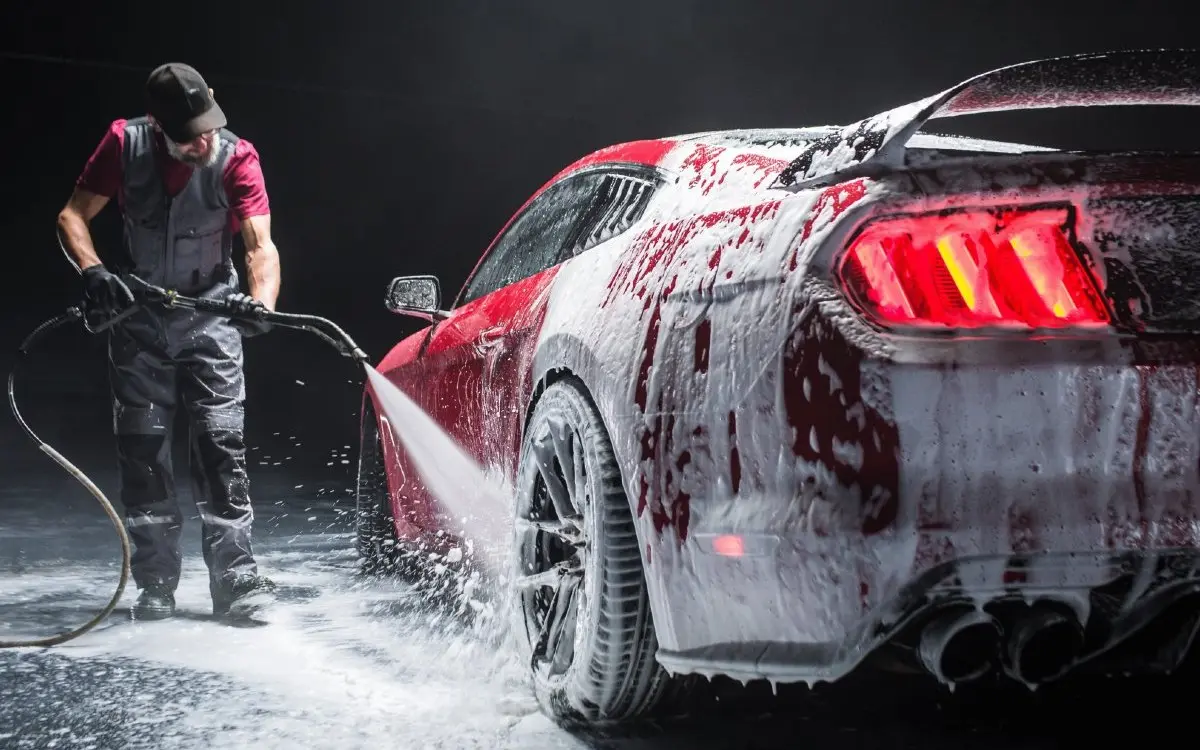
Credit: schrierautomotive.com
Car Detailing Basics
Car detailing means cleaning and restoring a vehicle to like-new condition. It goes beyond a simple wash by focusing on every part of the car.
Detailing helps protect the car’s surface and keep it looking fresh for a long time. It involves both inside and outside cleaning.
Difference Between Washing And Detailing
Car washing is a quick cleaning process. It mainly removes dirt and dust from the car’s exterior.
Detailing is deeper and more thorough. It includes cleaning, polishing, and protecting the car’s paint, wheels, and interior.
- Washing cleans only the surface dirt
- Detailing removes stains and scratches
- Washing is faster and cheaper
- Detailing takes more time and skill
- Detailing protects paint and materials
Types Of Car Detailing Services
There are many types of car detailing services. Each one focuses on different parts of the car for a full clean and shine.
| Service Type | Description |
| Exterior Detailing | Cleaning and polishing the car’s outside surfaces |
| Interior Detailing | Vacuuming, shampooing, and cleaning inside the car |
| Engine Detailing | Cleaning the engine bay to remove grease and dirt |
| Paint Correction | Removing scratches and swirl marks from paint |
| Waxing and Sealing | Applying protective coatings to the paint |

Credit: stonercarcare.com
Exterior Detailing
Exterior detailing cleans and restores the outer parts of a car. It goes beyond a simple wash to remove dirt and protect the paint.
This process improves the car’s look and helps keep its value for a longer time.
Washing And Claying
Washing removes loose dirt and grime from the car surface. Claying helps take off bonded contaminants that washing misses.
- Use a gentle soap made for cars
- Rinse thoroughly to avoid soap spots
- Use a clay bar with lubricant to remove stuck particles
- Dry the car with a clean microfiber towel
Polishing And Waxing
Polishing smooths the paint by removing tiny scratches and dull spots. Waxing adds a protective layer that shines and guards the paint.
- Choose a polish that matches your paint type
- Apply polish using a soft pad or cloth
- Buff off excess polish to reveal a smooth finish
- Spread wax evenly and let it dry before buffing
Paint Correction Techniques
Paint correction fixes imperfections in the paint layer. It uses special tools and compounds to restore the car’s original shine.
| Technique | Purpose | Tools Used |
|---|---|---|
| Single-stage polishing | Remove light scratches and swirl marks | Polisher, mild compound |
| Multi-stage polishing | Fix deeper scratches and oxidation | Polisher, heavy and fine compounds |
| Glazing | Fill small defects and add gloss | Glaze products, applicator pads |
Wheel And Tire Care
Cleaning wheels and tires improves the car’s overall look. It removes brake dust, dirt, and old dressing from tires.
Follow these tips for wheel and tire care:
- Use a wheel cleaner safe for your wheel type
- Scrub tires with a stiff brush to remove grime
- Rinse thoroughly to avoid residue
- Apply tire dressing for a clean, matte or shiny look
Interior Detailing
Getting a car detailed inside means cleaning every part of the vehicle’s interior. It goes beyond a quick vacuum or wipe down. The goal is to make the inside look and feel like new.
This process targets dust, dirt, stains, and odors that build up over time. It also helps protect surfaces and materials from damage.
Vacuuming And Shampooing
The first step in interior detailing is vacuuming all surfaces. This removes loose dirt from carpets, seats, and floor mats. Shampooing follows to clean deep stains and grime.
- Carpets get thoroughly shampooed to remove stains.
- Cloth seats are cleaned with special fabric cleaners.
- Floor mats are taken out, cleaned, and dried.
Leather And Fabric Treatment
Leather seats and surfaces need special care to stay soft and crack-free. Fabric seats require treatments to protect against future stains.
| Treatment Type | Purpose | Frequency |
| Leather conditioner | Moisturizes and protects leather | Every 3-6 months |
| Fabric protector | Repels stains and spills | Every 6 months |
Dashboard And Console Cleaning
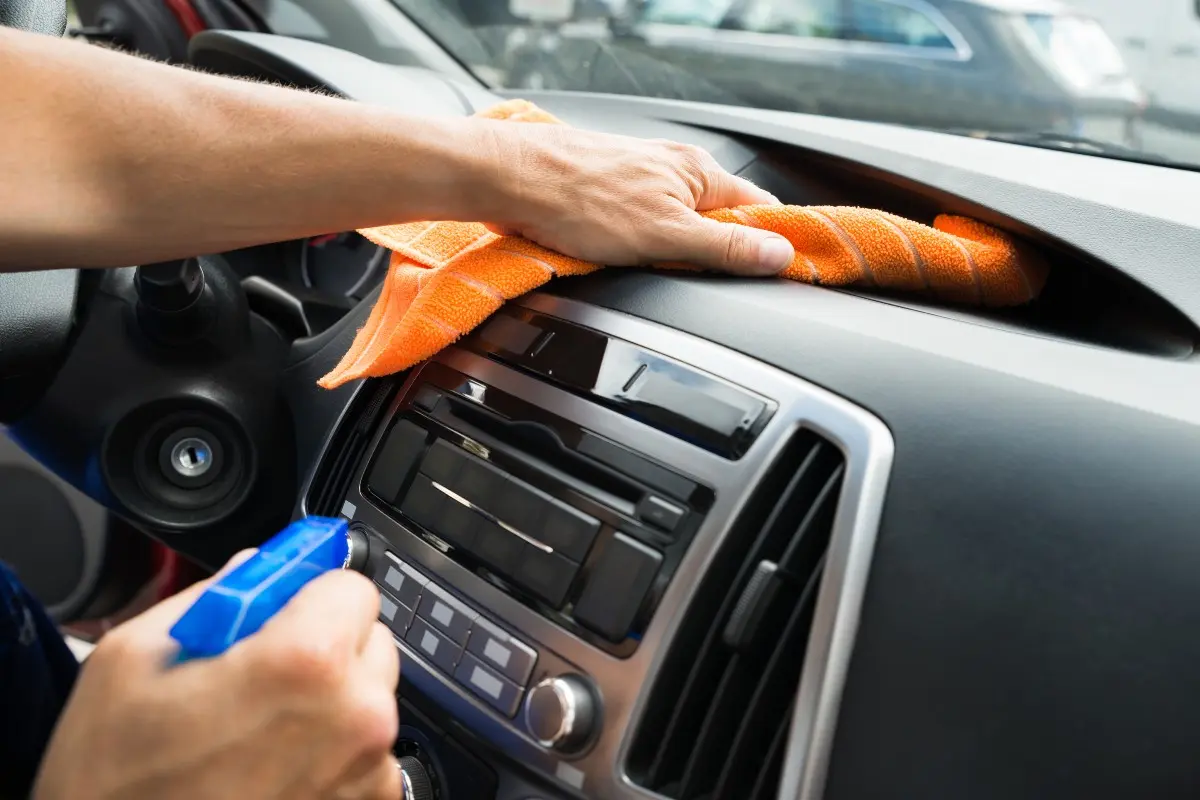
Dust and dirt gather on dashboards and consoles. Cleaning these areas removes grime and restores shine. It also prevents damage from UV rays.
Key cleaning steps for dashboard and console:
- Use soft cloths and gentle cleaners
- Clean vents and buttons carefully
- Apply protectant to prevent fading
Odor Removal Methods
Bad smells come from spills, smoke, and moisture. Detailing uses various ways to remove these odors and freshen the car’s interior.
- Air purifiers or ozone treatments break down odor molecules.
- Steam cleaning kills bacteria that cause smells.
- Using baking soda absorbs lingering odors from carpets and seats.
Benefits Of Car Detailing
Car detailing is a thorough cleaning and restoration of your vehicle. It goes beyond a simple wash to keep your car in great shape.
Detailing helps protect your car, improve how it looks, and even boost safety on the road.
Protecting Vehicle Value
Regular detailing preserves your car’s paint and interior. It prevents damage from dirt, grime, and weather. This keeps your vehicle looking newer longer.
Here are key ways detailing protects value:
- Removes harmful contaminants from paint
- Prevents rust and corrosion
- Keeps interior materials from cracking or fading
- Maintains resale value by keeping the car clean
Enhancing Appearance
Car detailing makes your vehicle look fresh and clean. It restores shine and removes stains or marks.
| Detailing Step | Effect on Appearance |
| Waxing | Adds shine and protects paint |
| Vacuuming Interior | Removes dust and dirt |
| Window Cleaning | Improves visibility and look |
| Polishing | Removes small scratches |
Improving Safety
Detailing also makes driving safer. Clean windows and mirrors improve visibility. Removing dirt from headlights helps you see better at night.
Benefits for safety include:
- Clearer windshield and mirrors
- Brighter, cleaner headlights and taillights
- Better tire condition checks during cleaning
- Reduced distractions from dirty surfaces
Choosing A Detailing Service
Getting your car detailed means cleaning it deeply inside and out. It helps keep your car looking new and fresh. Choosing the right detailing service is important for good results.
You can either do the detailing yourself or hire a professional. This guide will help you decide what fits your needs best.
Professional Vs. Diy Detailing
Professional detailing uses special tools and products. Experts know how to clean every part of your car safely. It saves you time and effort.
DIY detailing can be cheaper. You can buy kits and clean your car at home. It takes more time and may not be as thorough.
- Professionals have experience and skill
- DIY saves money but requires effort
- Professional results last longer
- DIY may miss hard spots or damage paint
What To Look For In A Detailer
Choose a detailer with good reviews and experience. Check if they use safe and quality products. Ask about their cleaning process and tools.
Look for detailers who offer a clear list of services. They should be willing to answer your questions. Trust and professionalism matter a lot.
- Positive customer feedback
- Use of safe cleaning materials
- Clear service options and prices
- Good communication and trust
Pricing And Packages
Detailing prices vary depending on the service and car size. Some detailers offer packages with several services included. Choose a package that fits your budget and needs.
Watch out for hidden fees. Ask what each package covers. Sometimes basic packages only clean outside, while full packages include inside and engine.
| Package | Services Included | Price Range |
|---|---|---|
| Basic | Exterior wash and wax | $50 – $100 |
| Standard | Exterior + interior vacuum and wipe | $100 – $150 |
| Full Detail | Exterior, interior, engine cleaning | $150 – $250 |
Frequency And Maintenance
Getting your car detailed means cleaning it thoroughly, inside and out. It involves washing, waxing, and vacuuming to keep your car looking fresh. Regular detailing keeps your car in top condition.
Detailing also helps protect your car’s surfaces from damage. It can improve your car’s resale value too. Understanding how often to detail and maintain it is important.
How Often To Detail Your Car
The frequency of detailing depends on how you use your car. If you drive daily, detail your car every three months. For less frequent use, twice a year may be enough.
Consider your environment too. Dusty or salty areas might require more frequent detailing. Regular detailing keeps your car protected from the elements.
- Every three months for daily use
- Twice a year for occasional use
- More often in dusty or salty environments
Tips For Maintaining A Detailed Car
Maintaining your car’s detail can extend its life. Park in shaded areas to protect the paint from sun damage. Regularly wash your car to remove dirt and grime.
Use a car cover if you park outside often. Vacuum the interior to keep it clean. Check for any damage and repair it promptly.
- Park in shaded areas
- Wash your car regularly
- Use a car cover when parked outside
- Vacuum the interior often
- Repair damage quickly
Credit: schrierautomotive.com
Frequently Asked Questions
What Does Car Detailing Include?
Car detailing involves deep cleaning, polishing, and protecting both the interior and exterior of a vehicle. It removes dirt, waxes the paint, cleans upholstery, and restores shine. This process enhances the car’s appearance and helps maintain its value over time.
How Often Should You Get A Car Detailed?
Experts recommend detailing your car every 4 to 6 months. Regular detailing keeps the vehicle clean, protects the paint, and maintains the interior’s condition. However, frequency depends on usage, weather, and personal preference for maintaining a fresh look.
Is Car Detailing Better Than A Regular Car Wash?
Yes, car detailing is more thorough than a regular wash. It includes cleaning, polishing, and protecting surfaces, not just rinsing dirt off. Detailing addresses hard-to-reach areas and restores the vehicle’s overall condition, enhancing both appearance and longevity.
How Long Does A Typical Car Detailing Take?
A standard car detailing session usually takes 2 to 5 hours. The duration depends on the vehicle size and the level of detailing requested. More extensive services may require additional time to ensure thorough cleaning and polishing.
Conclusion
Getting a car detailed means cleaning it inside and out with care. It helps keep your vehicle looking fresh and new. Small stains and dirt get removed, making your car shine. Detailing also protects the paint and materials for longer use.
It takes time but makes a big difference. A clean car feels nice to drive and shows you care. Regular detailing helps your car stay in good shape. Simple steps, great results. Worth the effort for every car owner.







