
Have you ever wondered what it really means to detail a car? You might think it’s just a fancy wash, but car detailing goes way beyond that.
It’s about making your car look and feel like new, inside and out. When you detail your car, you’re not just cleaning it—you’re protecting your investment and boosting its value. You’ll discover exactly what car detailing involves and why it’s worth your time and effort.
Keep reading to learn how detailing can transform your car and keep it shining for years to come.

Credit: www.thedetailingmafia.com
Car Detailing Basics
Car detailing is a thorough cleaning of a vehicle. It focuses on both the inside and outside of the car.
Detailing helps keep the car looking new and protects its parts from damage.
Difference Between Washing And Detailing
Car washing is a quick clean of the outside. It removes dirt and dust from the car’s surface.
Detailing is deeper and takes more time. It cleans, restores, and protects many parts of the car.
- Washing cleans only the exterior surface
- Detailing cleans inside and outside carefully
- Detailing includes polishing and waxing
- Washing is done often; detailing is less frequent
Types Of Car Detailing Services
Car detailing has many service types. Each focuses on different parts of the car.
These services help protect and improve the car’s look and value.
- Exterior Detailing: Cleaning and polishing the car’s outside
- Interior Detailing: Vacuuming and cleaning seats, carpets, and panels
- Engine Detailing: Cleaning the engine bay to remove grime
- Paint Correction: Removing scratches and swirl marks from paint
- Waxing and Sealing: Applying wax or sealant for shine and protection
Credit: autotribex.com
Exterior Detailing Steps
Detailing a car means cleaning and restoring its outside parts. It keeps the car looking new and protects the paint.
Each step in exterior detailing helps remove dirt and damage while adding a layer of protection.
Washing And Drying Techniques
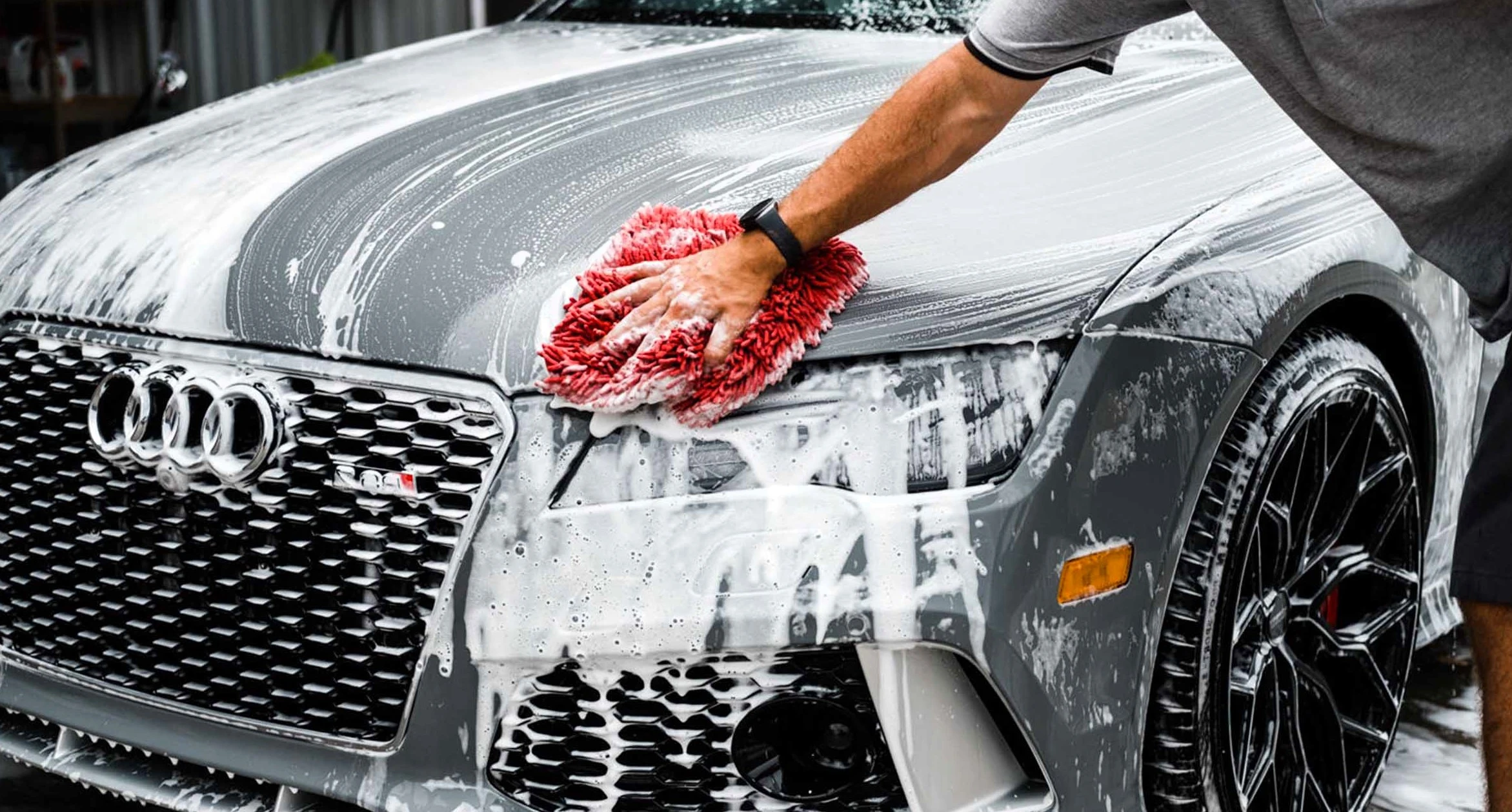
Start by rinsing the car to remove loose dirt. Use a gentle car shampoo and a soft sponge or mitt to wash the surface. Avoid harsh brushes that can scratch the paint.
Dry the car with a clean microfiber towel. Pat the surface instead of rubbing to prevent swirl marks.
Claying To Remove Contaminants
Clay bars pull out dirt and grime stuck on the paint. This step smooths the surface and prepares it for polishing.
- Spray clay lubricant on a small area
- Rub the clay bar gently over the surface
- Wipe away residue with a microfiber cloth
- Repeat on all exterior panels
Polishing For Surface Correction
Polishing removes small scratches and dull spots. It restores the car’s shine and smooth finish.
| Polishing Type | Use |
| Light Polish | Minor scratches and haze |
| Medium Polish | Moderate swirl marks and oxidation |
| Heavy Polish | Deep scratches and paint defects |
Waxing And Sealing For Protection
Wax and sealants protect the car’s paint from sun, rain, and dirt. They add a glossy finish and keep the surface smooth.
Tips for waxing and sealing:
- Apply wax in thin, even layers
- Use a foam applicator pad for best results
- Let the wax dry to a haze before buffing
- Buff with a clean microfiber towel
- Reapply every few months for lasting protection
Interior Detailing Process
Detailing the interior of a car means cleaning every part inside the vehicle. It helps keep the car fresh and looking new.
This process includes several steps that focus on different areas inside the car. Each step removes dirt and improves the car’s comfort.
Vacuuming And Dust Removal
Vacuuming removes loose dirt, dust, and debris from seats, floors, and mats. Dust removal targets hard surfaces and vents to clear fine particles.
- Use a vacuum with different nozzles for tight spaces
- Brush off dust from vents and dashboard
- Clean under the seats and in crevices
Cleaning Upholstery And Carpets
Upholstery and carpets need special cleaning to remove stains and dirt deep inside the fabric. Different materials require different cleaners.
| Material | Cleaning Method |
| Cloth | Foam cleaner and gentle scrubbing |
| Leather | Leather cleaner and conditioner |
| Carpet | Shampooing and extraction |
Dashboard And Console Care
The dashboard and console collect dust and fingerprints. Clean them with soft cloths and safe cleaning solutions to avoid damage.
Tips for dashboard and console care:
- Use microfiber cloths to avoid scratches
- Apply cleaner sparingly to prevent residue
- Pay attention to buttons and air vents
Deodorizing And Air Quality
Good air quality makes the car interior pleasant. Deodorizing removes bad smells and freshens the air inside the car.
- Use air fresheners or odor eliminators
- Clean air vents to improve airflow
- Replace cabin air filters regularly

Credit: www.glossymobiledetailing.com
Tools And Products Needed
Detailing a car means cleaning and restoring it to its best condition. You need the right tools and products for a good job.
Having the right equipment makes detailing easier and more effective. Here’s what you need to get started.
Essential Cleaning Supplies
Cleaning supplies are crucial for car detailing. They help remove dirt and grime.
- Car wash soap
- Microfiber towels
- Sponges and brushes
- Vacuum cleaner
- Glass cleaner
- Leather cleaner
Choosing The Right Polishes And Waxes
Polishes and waxes give the car a shiny finish. They protect the car’s paint from damage.
- Car polish
- Car wax
- Clay bar
- Applicator pads
- Buffing machine
Protective Gear And Accessories
Using protective gear keeps you safe while detailing. Accessories make the process smoother.
- Gloves
- Safety glasses
- Apron
- Detailing brushes
- Bucket with grit guard
Benefits Of Regular Detailing
Detailing a car means cleaning it thoroughly, inside and out. It keeps the vehicle looking new and protects it from damage.
Regular detailing offers many benefits for car owners. It enhances appearance, maintains value, and provides protection.
Enhancing Car Appearance
Detailing makes your car look shiny and clean. It removes dirt, stains, and scratches from the surface.
A clean car feels nicer to drive and shows you care for your vehicle. It also impresses others when they see your clean car.
Maintaining Vehicle Value
Regular detailing keeps your car in good condition. A well-maintained car is worth more money if you decide to sell it.
Buyers like cars that look like new. Detailing helps your car keep its value over time.
Protecting Against Environmental Damage
Detailing protects your car from sun, rain, and dirt. Waxing adds a layer that shields the paint from sun damage.
Cleaning the interior removes dust and allergens. This keeps the car healthy for you and your family.
- Waxing protects the paint from fading
- Cleaning prevents rust and corrosion
- Protective coatings help keep the car’s shine
Common Mistakes To Avoid
Detailing a car means cleaning it deeply inside and out. It helps keep the car looking new and protects it.
Some people make mistakes while detailing. These errors can harm the car’s surface or leave parts dirty.
Using Harsh Chemicals
Strong chemicals can damage the car’s paint and materials. They may cause fading or scratches.
Always choose gentle cleaners made for cars. Test new products on a small area first.
- Avoid bleach and strong solvents
- Use pH-balanced soaps and cleaners
- Follow product instructions carefully
Skipping Surface Preparation
Cleaning the car surface before detailing is important. Dirt and dust can cause scratches if not removed first.
Wash and dry the car fully before polishing or waxing. This makes the finish smooth and shiny.
- Rinse off loose dirt with water
- Use a microfiber cloth to dry
- Remove bugs and tar with special cleaners
Neglecting Interior Details
Cleaning only the outside leaves the inside dirty. Dust, crumbs, and stains make the car look old.
Take time to clean the dashboard, seats, and carpets. Use the right tools and cleaners for each part.
- Vacuum seats and floor mats
- Wipe dashboard and door panels
- Clean windows inside carefully
Diy Vs Professional Detailing
Detailing a car means cleaning it inside and out to make it look its best. People can detail their cars themselves or hire a professional. Both choices have different benefits and challenges.
This article explains the main differences between DIY and professional car detailing. It covers cost, time, effort, and quality.
Cost Comparison
DIY detailing usually costs less because you buy your own supplies. You pay once for items like soap, wax, and cloths. Professional services charge for labor and materials.
Professional detailing can be more expensive but includes expert work and special tools. DIY is cheaper but you must buy all your own products.
- DIY: Cost of cleaning supplies only
- Professional: Service fee plus materials
- DIY is better for saving money
- Professional may cost more upfront
Time And Effort Involved
DIY detailing takes more time and effort. You must wash, clean, and polish every part yourself. This can take several hours or more.
Professional detailers work faster because they have experience and equipment. They finish the job in less time and with less effort from you.
- DIY: More time and physical work needed
- Professional: Quicker and easier for you
- DIY requires learning and patience
- Professional lets you relax while they work
Quality And Results
Professional detailers provide high-quality results. They use special tools and products to remove dirt, scratches, and stains. Their work often lasts longer.
DIY results depend on your skill and products. You can get good results with practice but may miss some details or damage surfaces accidentally.
- Professional: Better finish and protection
- DIY: Good results if done carefully
- Professional uses expert techniques
- DIY risks uneven or incomplete cleaning
Tips For Long-lasting Shine
Detailing a car means cleaning and protecting every part of it. This keeps the car looking new and shiny for a long time.
To keep your car’s shine, follow some simple habits. These include cleaning often, storing the car right, and changing care with the seasons.
Regular Maintenance Routines
Cleaning your car regularly helps keep its shine. Wash it with gentle soap and soft cloths. Wax the car every few months to add protection.
- Wash the car every two weeks to remove dirt.
- Use a clay bar to remove embedded dust and grime.
- Apply wax or sealant to protect the paint.
- Clean the wheels and tires to avoid brake dust buildup.
- Wipe down the interior to keep surfaces fresh.
Proper Storage Practices
Where you keep your car affects how long the shine lasts. Store your car in a cool, dry place away from direct sun and rain.
| Storage Type | Benefits |
| Garage | Protects from sun, rain, and dust |
| Car Cover | Keeps dirt and bird droppings off paint |
| Outdoor | May expose car to weather and fading |
Seasonal Care Adjustments
Change your car care with the seasons. Each season brings different challenges to your car’s shine.
Seasonal Tips:
- Spring:Wash off salt and pollen. Check for scratches from winter.
- Summer:Use UV protectant on paint and interior parts.
- Fall:Remove leaves and dirt often. Apply wax before winter.
- Winter:Wash salt off quickly. Use special cleaners for snow and ice.
Frequently Asked Questions
What Does Car Detailing Include?
Car detailing involves thorough cleaning, polishing, and protecting both interior and exterior surfaces. It enhances the car’s appearance and preserves its value.
How Often Should I Detail My Car?
Detailing your car every 4 to 6 months is ideal. Frequent detailing keeps your vehicle looking new and prevents long-term damage.
Is Car Detailing Different From Washing?
Yes, detailing is more comprehensive than washing. It includes deep cleaning, polishing, and protective treatments beyond a simple wash.
Can Car Detailing Remove Scratches?
Detailing can reduce minor scratches and swirl marks through polishing. However, deep scratches may require professional repair beyond detailing.
Conclusion
Detailing a car means cleaning it deeply, inside and out. It keeps the car looking fresh and protects its surface. Regular detailing helps maintain the car’s value over time. It removes dirt, dust, and stains that regular washing misses. A well-detailed car feels nicer to drive and shows care.
Detailing is more than just cleaning; it’s about upkeep and pride. Taking time to detail your car pays off in the long run. Simple steps can make a big difference in your car’s appearance.







