
Have you ever wondered what it really means to detail a car? It’s more than just a quick wash or a simple vacuum.
Detailing your car is about giving it a deep, thorough clean that makes it look and feel like new. Imagine stepping into your car and feeling that fresh, spotless shine every time. You’ll discover exactly what car detailing involves, why it’s important, and how it can protect your investment.
Keep reading, and you’ll learn how to make your car look its absolute best—inside and out.
Car Detailing Basics
Car detailing means cleaning and restoring a car inside and out. It keeps the car looking new and protects it from damage.
Detailing goes beyond a regular car wash. It includes deep cleaning and care for all parts of the car.
Exterior Cleaning
Exterior cleaning removes dirt, grime, and stains from the car’s outside. It makes the paint shine and protects it from damage.
This step includes washing, claying, polishing, and waxing the car’s body. It also covers cleaning the windows, wheels, and tires.
- Wash car with soap and water
- Use clay bar to remove stuck dirt
- Polish to smooth out scratches
- Wax to protect the paint
- Clean tires and rims
Interior Cleaning
Interior cleaning focuses on the inside of the car. It removes dust, stains, and odors from seats, carpets, and panels.
Cleaning includes vacuuming, wiping surfaces, and treating leather or fabric. It helps keep the car fresh and comfortable.
- Vacuum seats and carpets
- Wipe dashboard and door panels
- Clean windows from inside
- Use cleaner for leather or fabric
- Remove bad smells
Engine Bay Care
Engine bay care means cleaning the area under the hood. It removes dirt, oil, and debris from the engine parts.
Cleaning the engine helps spot leaks and prevents damage. It also improves the car’s overall condition.
- Cover sensitive parts before cleaning
- Use a degreaser to clean grease
- Rinse gently with water
- Dry the engine area well
- Check for leaks or worn parts
Steps For Exterior Detailing
Detailing a car means cleaning and restoring its outside to look its best. This process protects the paint and keeps the car shining. Exterior detailing has several important steps.
Each step focuses on cleaning and protecting different parts of the car’s surface. Following these steps carefully gives the car a smooth, glossy finish that lasts longer.
Washing And Drying
Start by washing the car to remove dirt and grime. Use a gentle car shampoo and a soft sponge or mitt. Rinse well with clean water. Dry the car with a microfiber towel to avoid water spots and scratches.
Claying The Surface
Clay bars remove tiny particles stuck on the paint that washing can’t remove. Rub the clay bar gently on the wet surface. This step makes the paint feel smooth and ready for polishing.
Polishing For Shine
Polishing removes small scratches and dull spots on the paint. It helps restore the car’s shine. Use a polish product and a soft cloth or machine polisher. Work in small sections for the best results.
- Apply polish to a soft applicator pad.
- Rub gently in circular motions on the surface.
- Buff off polish residue with a clean microfiber cloth.
Applying Wax Or Sealant
Wax or sealant protects the paint and keeps it shiny. Wax gives a deep shine but lasts shorter. Sealants last longer and protect better from water and dirt.
| Type | Protection Time | Finish |
|---|---|---|
| Wax | 2-4 weeks | Glossy and warm |
| Sealant | 2-6 months | Glossy and slick |
Interior Detailing Techniques
Cleaning a car’s interior is an important part of car detailing. It helps keep the inside fresh and comfortable. Good techniques remove dirt and protect surfaces.
Different areas inside the car need special care. Here we explain key steps to detail the interior well.
Vacuuming And Dusting
Vacuuming removes loose dirt and dust from seats and floors. Use a vacuum with attachments to reach under seats and in small spaces. Dusting the dashboard and vents keeps the air clean and stops dust from building up.
Cleaning Upholstery And Carpets
Upholstery and carpets collect stains and grime. Clean them with the right products to avoid damage. Use gentle scrubbing for fabric and special cleaners for leather. Spot clean stains quickly to prevent permanent marks.
- Test cleaner on a small area first
- Use a soft brush for scrubbing fabric
- Wipe leather with a damp cloth and conditioner
- Allow surfaces to dry completely
Dashboard And Console Care
The dashboard and console have many buttons and screens. Use microfiber cloths to clean without scratching. Avoid too much water to protect electronics. Apply protectant to keep surfaces from fading or cracking.
| Cleaning Tool | Purpose | Tip |
| Microfiber cloth | Wipe dust and fingerprints | Use dry or slightly damp |
| Soft brush | Clean vents and crevices | Use gentle strokes |
| Protectant spray | Protect dashboard surface | Apply lightly and evenly |
Window And Mirror Cleaning
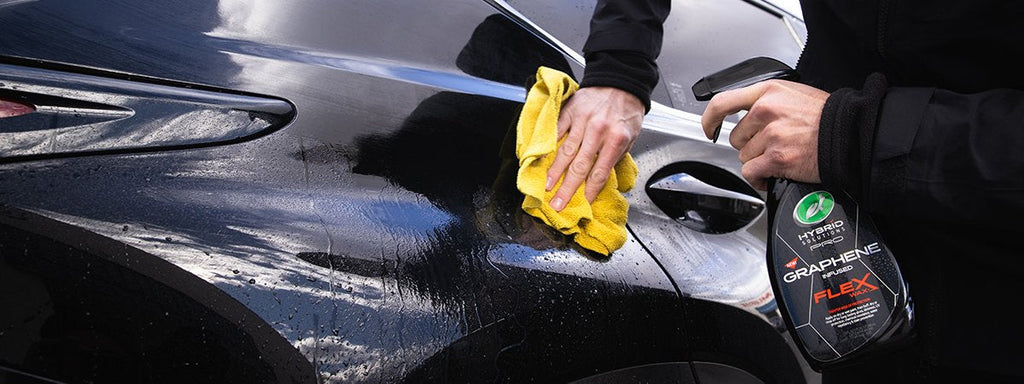
Windows and mirrors need to be clear and streak-free. Use glass cleaner and a clean cloth. Wipe in circular motions and finish with vertical strokes. Clean inside and outside for best results.
Credit: www.turtlewax.com
Protecting Your Car’s Finish
Detailing a car means cleaning and protecting its surface. Protecting the finish keeps your car looking new.
Using the right coatings and treatments helps stop damage from dirt, sun, and water.
Types Of Protective Coatings
Car surfaces can have different coatings. These coatings act like a shield for the paint.
- Wax: A natural or synthetic layer that gives shine and some protection.
- Sealants: Longer-lasting than wax, sealants protect against water and dirt.
- Ceramic Coatings: A hard, durable layer that bonds with the paint.
- Paint Protection Film: A clear film that guards against scratches and chips.
Benefits Of Ceramic Coatings
Ceramic coatings offer strong protection for your car. They last longer than wax and sealants.
| Benefit | Details |
| Durability | Protects paint for months or years |
| Water Resistance | Causes water to bead and slide off |
| Scratch Resistance | Helps prevent minor scratches |
| Glossy Finish | Keeps paint shiny and smooth |
Maintaining Wax And Sealants
Wax and sealants need regular care to work well. Clean your car before applying them.
- Wash your car every two weeks to remove dirt.
- Apply wax or sealant every three to four months.
- Use soft cloths to avoid scratching the surface.
- Park in shade to reduce sun damage.
Tools And Products For Detailing
Detailing a car means cleaning it thoroughly, inside and out. It involves using specific tools and products to achieve a pristine finish. This guide will help you understand the essential items needed.
Having the right supplies can make car detailing more effective and enjoyable. Let’s dive into the essential cleaning supplies, recommended polishes and waxes, and the use of buffers and machines.
Essential Cleaning Supplies
Cleaning your car requires specific products to ensure a spotless finish. Here are some must-haves for every car enthusiast.
- Car wash soap
- Microfiber towels
- Wheel cleaner
- Glass cleaner
- Interior cleaner
Recommended Polishes And Waxes
Polishes and waxes protect your car’s paint and enhance its shine. Using quality products is key to maintaining the car’s appearance.
| Product Type | Benefits |
| Car Polish | Removes minor scratches and adds shine |
| Car Wax | Protects paint from UV rays and pollutants |
Using Buffers And Machines
Buffers and machines are used to apply polishes and waxes more evenly. They save time and provide a professional finish.

Credit: sssdetailing.ca
Diy Vs Professional Detailing
Detailing a car means cleaning and restoring it to make it look its best. You can choose to do it yourself or hire a professional. Each option has its own benefits and challenges.
Understanding the differences between DIY and professional detailing can help you make the right choice for your car’s needs.
Cost And Time Considerations
DIY detailing often costs less but takes more time. Buying your own supplies can be cheaper than paying for a service. You need to set aside a few hours to do it well.
| Option | Estimated Cost | Time Required |
| DIY Detailing | $20 – $100 | 3 – 6 hours |
| Professional Detailing | $100 – $300 | 1 – 3 hours |
Quality And Results
Professional detailers have experience and tools that you might not have at home. Their results can be more polished. DIY detailing is great for learning and personal satisfaction.
- Professional tools provide a deeper clean
- DIY allows for a personal touch
- Results vary based on skill and equipment
When To Hire A Pro
Hire a professional for special occasions or when your car needs a deep clean. They are also helpful if you lack the time or resources to detail your car yourself.
Tips For Long-lasting Shine
Detailing a car means cleaning and restoring every part of it. This helps your car look new for a long time. A good shine protects your paint and keeps your car fresh.
To keep that shine, you need the right care and habits. Follow these tips for the best results.
Regular Maintenance Routines
Cleaning your car often helps keep the shine. Dirt and dust can damage the paint if left too long. Washing and waxing are important steps.
- Wash your car every two weeks using mild soap
- Dry the car with a soft cloth to avoid water spots
- Apply wax every three months for protection
- Clean and condition tires and trim to keep them fresh
- Check for scratches and fix them quickly to prevent rust
Avoiding Common Mistakes
Many people make errors that reduce shine and damage paint. Avoid these mistakes to keep your car looking great.
| Mistake | Why to Avoid | How to Fix |
| Using harsh chemicals | Can strip paint and wax | Use car-safe soaps and cleaners |
| Washing in direct sunlight | Causes water spots and streaks | Wash in shade or during cooler parts of day |
| Using dirty towels | Scratches the paint surface | Use clean, soft microfiber cloths |
| Skipping wax application | Leaves paint unprotected | Wax regularly for a lasting shine |
Seasonal Detailing Advice
Each season affects your car differently. Adjust your detailing to keep the shine all year.
- Spring:Remove salt and pollen with a deep wash
- Summer:Use UV protectant to stop sun damage
- Fall:Clean fallen leaves and sap quickly
- Winter:Wash off road salt and apply wax to protect

Credit: www.washdoctors.co.uk
Frequently Asked Questions
What Does Car Detailing Include?
Car detailing involves thorough cleaning, polishing, and protecting both interior and exterior surfaces. It enhances the car’s appearance and maintains its value.
How Often Should You Detail Your Car?
Detailing your car every 4-6 months is ideal. Regular detailing keeps the vehicle clean, protects paint, and prevents wear and tear.
Is Detailing Better Than A Regular Car Wash?
Yes, detailing is more comprehensive. It includes deep cleaning, polishing, and protection, unlike a basic wash that only removes surface dirt.
Can Car Detailing Remove Scratches?
Detailing can reduce minor scratches and swirl marks. Professionals use polishing techniques to restore the paint’s smoothness and shine.
Conclusion
Detailing a car means cleaning it deeply inside and out. It keeps the car looking new and shiny. Regular detailing helps protect paint and interior materials. It also removes dirt, dust, and stains that regular washing misses. Detailing takes time but makes your car feel fresh.
Taking care of your car this way can save money later. A clean car also feels nicer to drive and shows pride. Simple steps can make a big difference in your car’s life.







