
Have you ever wondered what goes into making a car look brand new again? Detailing a car is more than just a simple wash—it’s a deep, thorough process that can bring out the best in your vehicle.
Whether you want to boost your car’s shine, protect its surfaces, or keep it looking fresh inside and out, understanding what detailing includes can help you make the right choices. You’ll discover exactly what car detailing involves and why it’s worth your time and investment.
Ready to see your car in a whole new light? Keep reading!

Credit: ricksreflections.com
Exterior Cleaning
Exterior cleaning is a key part of car detailing. It keeps the car looking fresh and protects the paint.
Good cleaning removes dirt, grime, and other things that harm the car’s surface.
Washing Techniques
Washing a car properly starts with rinsing loose dirt. Use a hose or pressure washer with gentle pressure.
Use a soft sponge or mitt with car wash soap. Wash from top to bottom to avoid dirt spreading.
- Rinse the car first to remove loose dirt
- Use a dedicated car wash soap, not dish soap
- Wash with soft mitt or sponge in straight lines
- Rinse well after washing each section
- Dry with a microfiber towel to avoid water spots
Decontamination Process
Decontamination removes stubborn dirt that washing can’t clean. This includes tar, sap, and iron particles.
Use special cleaners or iron removers to break down these contaminants safely.
- Apply iron remover on affected areas
- Let it sit for a few minutes
- Rinse off thoroughly
- Use tar remover for sticky spots
- Clean wheels and tires separately
Claying The Surface
Claying removes tiny particles stuck on the paint. It makes the surface smooth and ready for polishing.
Use a clay bar with lubricant. Rub gently over the paint to pick up impurities.
- Spray lubricant on a small area
- Rub the clay bar lightly in back and forth motions
- Fold the clay to expose a clean side
- Wipe the area with a microfiber towel after claying
- Clay the entire car surface
Polishing For Shine
Polishing removes small scratches and dullness from the paint. It restores the car’s shine.
Use a polish and a foam applicator or machine polisher. Work on small sections at a time.
- Apply polish in small dots on the surface
- Use circular or back-and-forth motions
- Buff off excess polish with a clean microfiber cloth
- Check the shine before moving on
- Repeat if needed for better results
Applying Wax Or Sealant
Wax or sealant protects the paint after polishing. It adds a glossy layer and repels water and dirt.
Apply a thin layer using an applicator pad. Let it haze, then buff with a clean towel.
- Choose wax for a warm shine or sealant for long protection
- Apply in small sections with light pressure
- Allow product to dry to a haze
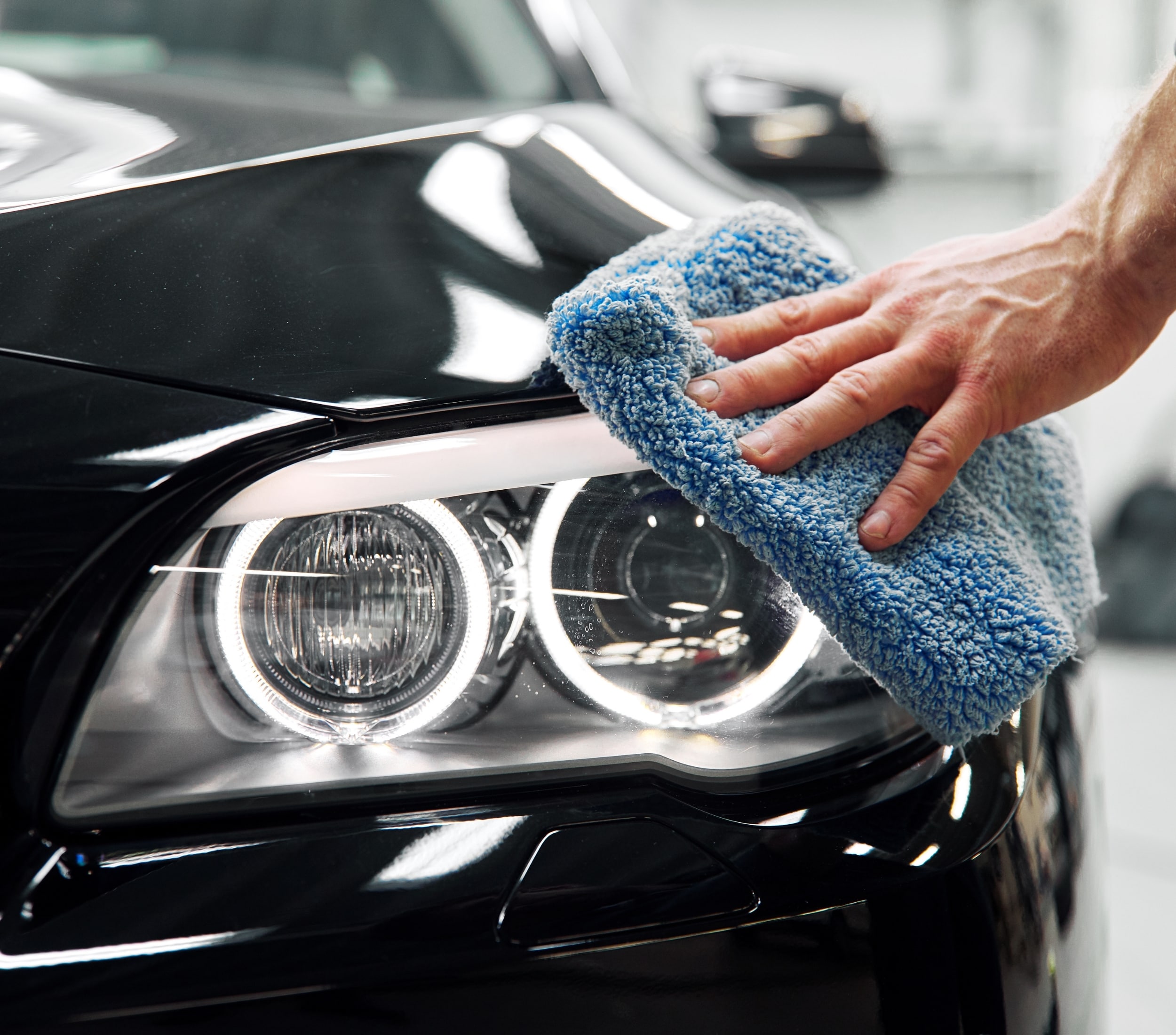
- Buff off with a microfiber cloth
- Do not apply wax in direct sunlight
Credit: jrekautocare.com
Interior Detailing
Interior detailing cleans every part inside your car. It makes your vehicle fresh and neat.
This process removes dirt, dust, and stains from all surfaces inside the car.
Vacuuming And Dusting
Vacuuming removes loose dirt and crumbs from seats and floors. Dusting cleans vents, door panels, and hard surfaces.
Cleaning Upholstery And Carpets
Upholstery and carpets need special cleaners to remove stains and odors. This keeps fabrics looking new and fresh.
- Spot clean stains with fabric cleaner
- Use a brush to lift dirt from carpets
- Dry upholstery properly to avoid mold
- Apply fabric protector after cleaning
Treating Leather And Vinyl
Leather and vinyl require gentle cleaning to avoid damage. Apply conditioner to keep materials soft and prevent cracking.
| Material | Cleaning Product | Care Tip |
| Leather | Leather cleaner | Condition monthly |
| Vinyl | Vinyl cleaner | Wipe with damp cloth |
Dashboard And Console Care
Use a soft cloth and mild cleaner on the dashboard. Avoid harsh chemicals that may fade or crack surfaces.
Keep buttons and vents free from dust to maintain function.
Window And Mirror Cleaning
Clean windows and mirrors with a glass cleaner for clear visibility. Wipe in circular motions to avoid streaks.
Engine Bay Detailing
Engine bay detailing cleans and protects the engine area. It helps keep your car running well and looking neat.
This process removes dirt, grease, and grime from the engine parts. It also prevents damage from dirt buildup.
Preparing The Engine Area
Start by making sure the engine is cool. Cover sensitive parts like the battery and air intake with plastic.
Remove loose debris and dust using a soft brush or compressed air. This makes cleaning easier and safer.
- Ensure the engine is turned off and cool
- Cover electrical parts and sensors
- Remove large dirt and debris carefully
Degreasing And Cleaning
Use a degreaser to break down oil and grease on engine surfaces. Apply it evenly and let it sit for a few minutes.
Rinse the engine bay gently with water. Avoid high pressure to protect delicate parts and wiring.
- Spray degreaser on dirty engine parts
- Allow time for the degreaser to work
- Rinse carefully with low-pressure water
Protecting Components
After cleaning, dry the engine bay with a microfiber cloth or air blower. This stops water spots and rust.
Apply a protectant to plastic and rubber parts. This keeps them flexible and prevents cracking.
- Dry all surfaces completely
- Use protectant on hoses and plastic covers
- Check that no water remains near electrical parts
Paint Protection Options
Car detailing often includes adding paint protection to keep the vehicle looking new. These options help guard the paint from dirt, scratches, and weather damage.
Choosing the right paint protection depends on your needs and budget. Let’s explore some popular choices.
Ceramic Coatings
Ceramic coatings create a hard, shiny layer over your car’s paint. This layer protects against dirt, water spots, and minor scratches.
The coating lasts for years and makes cleaning easier. It also enhances the car’s shine and depth of color.
Paint Protection Films
Paint protection films are clear sheets applied to the car’s surface. They protect against stone chips, scratches, and road debris.
These films are thick and durable but almost invisible. They keep the paint safe without changing the car’s look.
Traditional Wax Benefits
Traditional wax adds a layer of protection by sealing the paint. It helps prevent damage from UV rays and water.
Wax makes the car shine and feels smooth to touch. It is easy to apply but needs regular reapplication.
Wheel And Tire Care
Taking care of your car’s wheels and tires is an important part of detailing. Clean wheels and well-maintained tires improve your car’s look. They also protect the parts from damage.
Good wheel and tire care keeps your car safe and looking sharp. It includes cleaning, dressing, and protecting against dirt.
Cleaning Wheels
Cleaning wheels removes brake dust, dirt, and grime. Use a special wheel cleaner safe for your wheel type. Avoid harsh chemicals that can damage the finish.
Use a soft brush to scrub the wheels gently. Rinse thoroughly with water to remove all cleaner and dirt.
Tire Dressing Application
Tire dressing helps tires look black and shiny. It also protects tires from cracking and fading caused by sun and weather.
Apply tire dressing evenly using a foam applicator or cloth. Avoid applying on the tire tread to keep traction safe.
Protecting Brake Dust Build-up
Brake dust builds up quickly on wheels. It can cause corrosion if not cleaned regularly. Protect wheels by cleaning brake dust often.
Use a protective sealant after cleaning. Sealants create a barrier that makes future brake dust easier to remove.
Tools And Products
Detailing a car involves cleaning and restoring it. You need the right tools and products for the best results.
Essential tools and quality products make car detailing easier. Use them to enhance the car’s appearance.
Essential Detailing Tools
Having the right tools is key to effective car detailing. These tools help in cleaning and polishing the vehicle.
- Microfiber towels for drying and polishing
- Vacuum cleaner with attachments for interior cleaning
- Soft brushes for wheels and tires
- Car wash mitt to avoid scratches
- Detailing clay bar for removing contaminants
Recommended Cleaning Products
Quality cleaning products ensure your car is spotless. They protect surfaces and enhance shine.
- pH-balanced car shampoo for a gentle wash
- Glass cleaner for streak-free windows
- Tire cleaner for bright, clean tires
- Interior cleaner for seats and dashboard
- Wax or sealant for long-lasting protection
Safety And Environmental Tips
Detailing can impact the environment. Follow safety tips to protect yourself and nature.
- Use biodegradable products to reduce pollution
- Wear gloves to protect your skin
- Work in a well-ventilated area for safety
- Dispose of waste properly to avoid harm
- Conserve water by using efficient methods
Diy Vs Professional Detailing
Detailing a car makes it look new and shiny. You can do it yourself or hire a professional. Each option has its own benefits and challenges.
DIY detailing can save money but needs time and effort. Professional detailing costs more but offers expertise and quality.
When To Detail Yourself
Doing it yourself is good for simple tasks. You can wash, wax, and vacuum your car. It is a great way to learn about your vehicle.
DIY detailing is also a fun weekend project. It lets you take care of your car at your own pace.
- Save money on service fees
- Learn new skills
- Work on your own schedule
Advantages Of Professionals
Professionals have special tools and experience. They can handle tough jobs like paint correction and deep cleaning.
They also use high-quality products that last longer. This ensures the best results for your car’s appearance.
- Expert care and precision
- Access to specialized tools
- Long-lasting results
Cost And Time Considerations
DIY detailing is cheaper but takes more time. You need to buy supplies and learn the techniques.
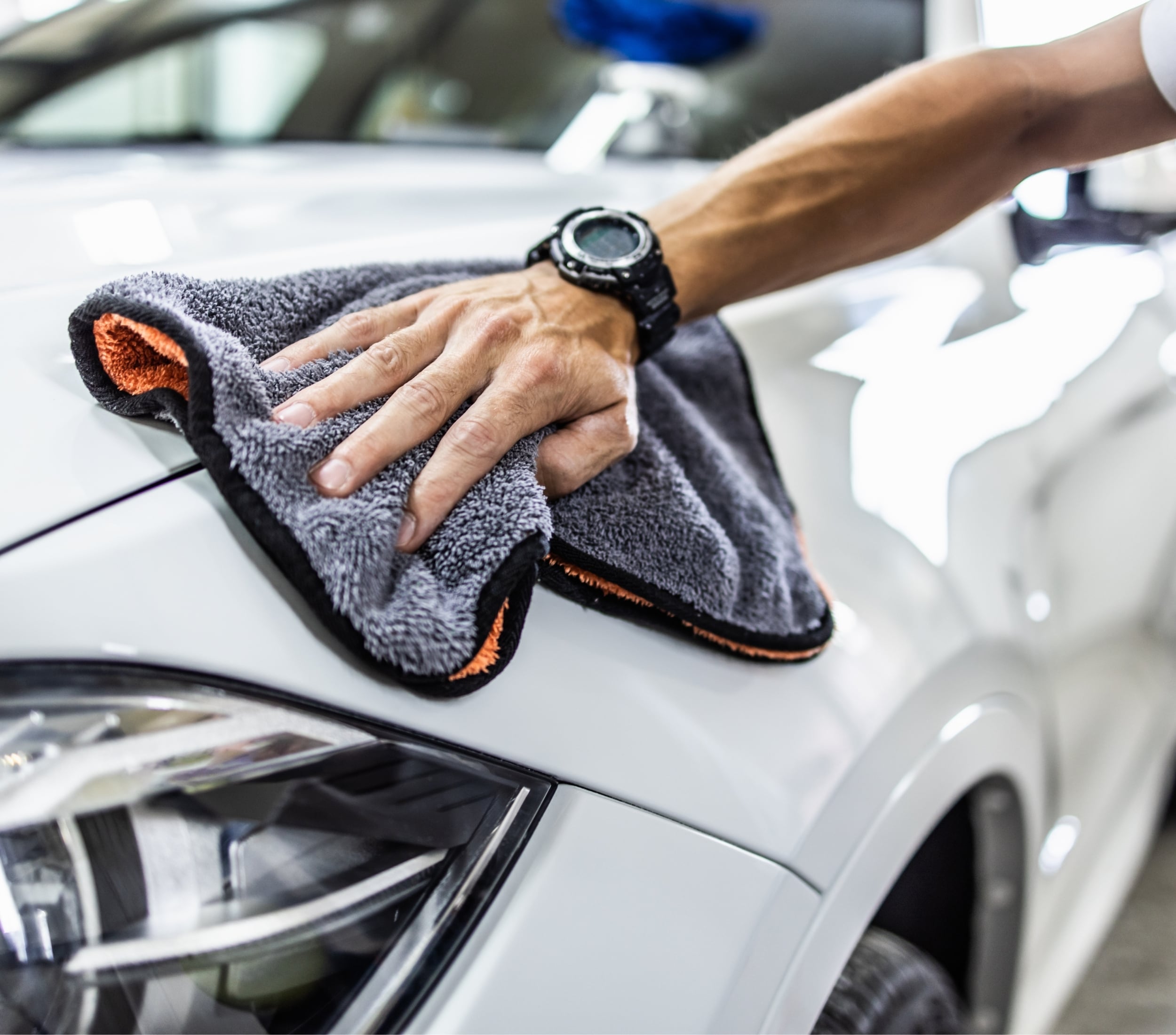
Professional detailing costs more but saves you time. They finish the job faster and with better quality.
| DIY Detailing | Professional Detailing |
| Low cost | Higher cost |
| More time needed | Less time needed |
| Learn by doing | Expert service |
Credit: jrekautocare.com
Frequently Asked Questions
What Services Are Included In Car Detailing?
Car detailing includes thorough cleaning, polishing, and protecting both interior and exterior. It covers washing, waxing, vacuuming, and conditioning surfaces. Detailing also involves engine cleaning and headlight restoration for a complete vehicle refresh.
How Often Should I Detail My Car?
Detailing frequency depends on usage and environment. Generally, every 3 to 6 months is ideal. Regular detailing maintains paint, prevents damage, and keeps the interior fresh. Frequent detailing extends your car’s lifespan and resale value.
Is Car Detailing Different From A Regular Car Wash?
Yes, detailing is more comprehensive than a regular wash. It involves deep cleaning, paint correction, and interior care. A car wash usually only removes surface dirt. Detailing restores and protects your vehicle thoroughly.
Can Detailing Remove Scratches And Swirl Marks?
Detailing can reduce or remove minor scratches and swirl marks. Professionals use polishing and compounding techniques for paint correction. Severe damage may require specialized repair. Detailing enhances your car’s shine and smoothness.
Conclusion
Car detailing cleans every part of your vehicle, inside and out. It removes dirt, dust, and stains to make your car look fresh. Polishing and waxing protect the paint and give a shiny finish. Cleaning the interior keeps seats and carpets free from grime.
Regular detailing helps keep your car in good shape longer. It also improves the car’s value if you plan to sell it. Detailing is more than just washing; it cares for your car deeply. A clean car feels better to drive and shows well everywhere.







