
Have you ever wondered how drivers spot speed traps before they get caught? If you’re tired of unexpected tickets or just want to stay more aware on the road, understanding what a radar detector does can be a game-changer.
This device doesn’t just alert you—it gives you the power to react in time, helping you avoid costly fines and drive with more confidence. Keep reading to discover how a radar detector works and why it might be exactly what your car needs.
How Radar Detectors Work
A radar detector helps drivers know if police use radar to check speed. It listens for radar signals from police radar guns.
The device alerts drivers when it detects these signals. This gives drivers time to slow down and avoid tickets.
Detecting Radar Signals
Radar detectors scan the air for radio waves sent by police radar guns. These waves are usually high frequency.
The detector has an antenna that picks up these waves. It then checks if the waves match known radar patterns.
Types Of Radar Used By Law Enforcement
Police use different radar types to measure speed. Each type sends signals at different frequencies.
- X-band radar: an older type, works at lower frequencies
- K-band radar: more common today, works at higher frequencies
- Ka-band radar: newest type, works at very high frequencies
- Laser radar (LIDAR): uses light pulses, harder to detect
Radar detectors are designed to sense these radar types. Laser detection is more complex because of its light signals.
Signal Processing Techniques
Once the radar detector picks up a signal, it uses signal processing to decide if it is a threat. It filters out false signals from other devices.
The detector measures signal strength and frequency. It compares these with known police radar patterns to reduce false alarms.
- Signal filtering removes background noise
- Frequency analysis identifies radar type
- Strength measurement estimates distance to radar source
- Alert systems notify the driver with sound or light
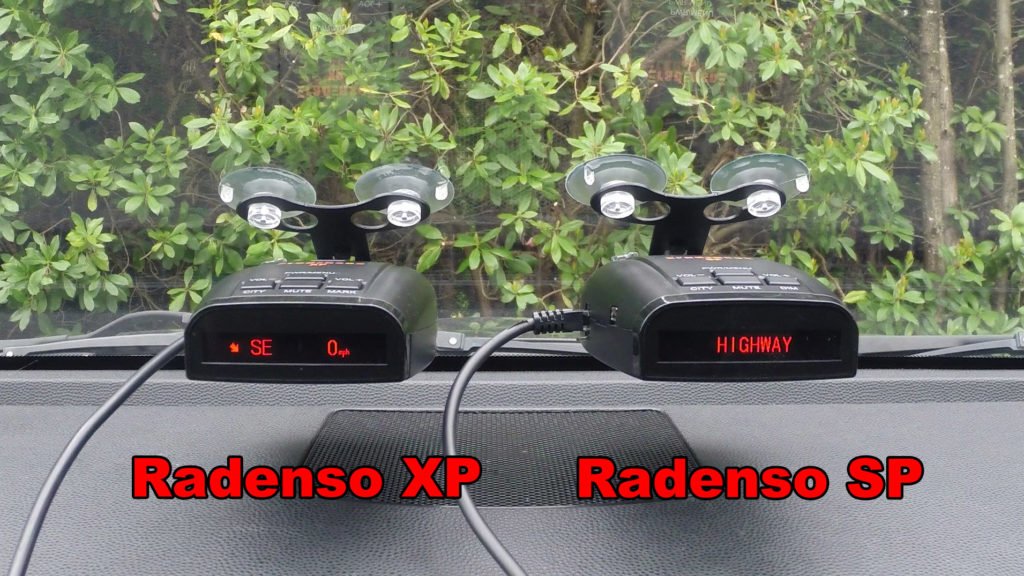
Credit: www.vortexradar.com
Benefits Of Using Radar Detectors
A radar detector helps drivers know when police use radar to check speed. It alerts drivers so they can slow down in time.
Using a radar detector can have many benefits. It helps drivers avoid tickets and stay aware on the road.
Avoiding Speeding Tickets
Radar detectors warn drivers about speed checks ahead. This gives time to reduce speed safely.
By slowing down, drivers can avoid fines and points on their license. This can save money and keep a clean record.
Enhancing Driver Awareness
A radar detector helps drivers stay alert to their speed and surroundings. It reminds them to watch their speed closely.
This extra alertness can improve focus and reduce careless driving. Drivers become more careful and aware of road conditions.
Improving Road Safety
Radar detectors encourage drivers to maintain safe speeds. This lowers the chance of accidents caused by speeding.
When more drivers use radar detectors, roads become safer for everyone. It helps reduce crashes and injuries.
Limitations And Challenges
Radar detectors help drivers spot speed monitoring devices. They warn drivers about radar signals nearby. Still, these devices face many limits and challenges.
Understanding these limits is important to use radar detectors wisely. They do not work perfectly all the time.
False Alarms And Signal Interference
Radar detectors can give false alarms. They may pick up signals from other sources, not police radar. This can confuse drivers.
Some common causes of false alarms include automatic doors and other cars’ radar. This interference makes it hard to trust every alert.
- Automatic door openers emit radar signals
- Other vehicles may use radar sensors
- Weather conditions can affect signal clarity
- Nearby electronics may cause interference
Legal Restrictions By Region
Radar detectors are not legal everywhere. Some regions ban or limit their use in cars. Drivers must know local laws before using them.
Penalties for using radar detectors in banned areas can include fines or equipment confiscation. Laws vary widely from place to place.
- Radar detectors are illegal in many US states
- Some countries allow detectors only in certain vehicles
- Commercial vehicles often face stricter rules
- Check local laws before installing a radar detector
Effectiveness Against Modern Speed Guns
New speed guns use advanced technology. They can be harder for radar detectors to find. Some guns use laser or instant radar bursts.
This means radar detectors may not always warn drivers in time. The technology of speed guns keeps improving to avoid detection.
- Instant-on radar guns emit signals briefly
- Laser speed guns target vehicles directly
- Some guns use multiple frequencies to confuse detectors
- Radar detectors may miss these fast or hidden signals
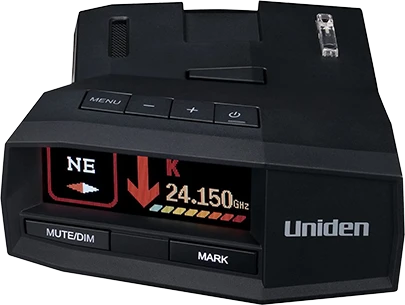
Credit: www.vortexradar.com
Features To Look For In A Radar Detector
A radar detector helps drivers notice radar signals from speed monitoring devices. Different models offer various features to improve detection and usability.
Choosing the right features can improve your driving experience and safety. Below are key features to consider.
Range And Sensitivity
Range determines how far a radar detector can pick up signals. Sensitivity affects how well it detects weak or distant radar waves.
- Longer range lets you spot signals earlier.
- High sensitivity catches faint radar signals.
- Adjustable sensitivity helps avoid false alerts.
- Good range and sensitivity reduce surprise radar detection.
Gps Integration
GPS helps the radar detector know your location. This feature can store locations of speed traps and red-light cameras.
| Feature | Benefit |
| Speed Trap Alerts | Warns about known speed monitoring spots |
| Red-Light Camera Alerts | Notifies of camera locations at intersections |
| False Alert Filtering | Uses GPS data to ignore repeated false signals |
| Route Learning | Remembers common routes for better alert accuracy |
User Interface And Alerts
A clear user interface helps drivers understand alerts quickly. Alerts can be visual, audio, or both.
- Bright displays with large text and icons
- Voice alerts that announce radar type or location
- Adjustable volume and alert tones
- Simple controls for easy use while driving
Installation And Usage Tips
Radar detectors help drivers stay aware of speed limits. Proper installation is key to effectiveness.
Using a radar detector correctly can prevent speeding tickets. Follow these tips for optimal results.
Optimal Placement In Vehicle
Placing your radar detector correctly is important. It should have a clear view of the road.
Avoid placing it behind obstacles like tinted windows or the windshield wipers. Mount it high for best performance.
- Mount on the windshield, near the rearview mirror
- Ensure it faces forward, not to the side
- Keep it away from metal objects
Avoiding Common Mistakes
Many people make mistakes that reduce radar detector effectiveness. Avoid these errors for better results.
Some detectors pick up false signals. Learn to recognize these to avoid unnecessary alerts.
- Don’t set it too low on the dashboard
- Check local laws about radar detector use
- Adjust sensitivity settings based on driving area
Maintaining Detector Performance
Regular maintenance ensures your radar detector works well. Clean it to prevent dust buildup.
Update the software to keep it current. This helps detect new radar technologies used by police.
- Wipe it with a soft cloth weekly
- Check for software updates monthly
- Inspect power cords for damage
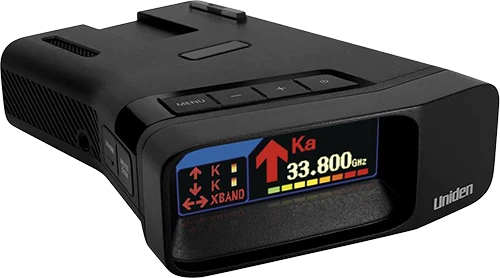
Credit: www.vortexradar.com
Alternatives To Radar Detectors
Radar detectors alert drivers to nearby speed traps. Some drivers look for other ways to avoid tickets. These alternatives can help monitor speed or avoid detection.
Here are some common options besides radar detectors. Each works in a different way to assist drivers on the road.
Laser Jammers
Laser jammers block police laser guns. They send signals that confuse the laser device. This stops the gun from measuring your speed.
Laser jammers work only with laser speed guns. They do not detect radar signals like radar detectors. Some areas ban laser jammers.
- Block laser speed measurement
- Do not detect radar signals
- Legal restrictions may apply
Speed Limit Apps
Speed limit apps use GPS to show your current speed. They compare it to speed limits on the road. These apps warn you if you drive too fast.
Many apps also alert about speed cameras or traffic stops. These tools work on your smartphone and need internet or GPS access.
- Show current speed using GPS
- Compare speed to legal limits
- Alert about cameras and stops
- Require smartphone and GPS
Smart Cruise Control Systems
Smart cruise control helps keep a steady speed. It adjusts your speed based on traffic and limits. This reduces speeding without driver effort.
Some systems alert drivers when they go over the speed limit. They use GPS and sensors to control vehicle speed safely.
- Maintain steady speed automatically
- Adjust speed for traffic and limits
- Alert when exceeding speed limits
- Use GPS and vehicle sensors
Frequently Asked Questions
What Is The Main Function Of A Radar Detector?
A radar detector alerts drivers about nearby radar signals. It helps avoid speeding tickets by warning about police radar guns. The device detects specific frequencies used by law enforcement. This allows drivers to slow down in time. Radar detectors improve awareness on the road.
How Do Radar Detectors Detect Speed Traps?
Radar detectors scan for radar waves emitted by speed guns. When they detect these waves, they send an alert to the driver. This early warning helps drivers reduce speed before reaching the trap. Modern detectors can also detect laser speed guns.
This increases the chances of avoiding tickets.
Are Radar Detectors Legal To Use Everywhere?
Radar detector legality varies by location and country. Some states and countries allow them, while others ban or restrict their use. Always check local laws before using a radar detector. Using one illegally can result in fines or penalties. Staying informed ensures safe and legal use.
Can Radar Detectors Detect All Types Of Radar Signals?
Radar detectors can detect most common radar frequencies used by police. However, some advanced or newer radar technologies may be undetectable. Some detectors also identify laser signals, but with limited range. It’s important to choose a high-quality detector for better coverage.
No detector guarantees 100% detection.
Conclusion
A radar detector helps drivers spot radar signals from police. It warns you about speed checks ahead. This gives time to slow down and avoid tickets. The device works by sensing radar waves in the area. It is useful for safer driving and saving money.
Keep in mind, some places ban radar detectors. Always check local laws before using one. Understanding how it works helps you drive smarter. A radar detector is a helpful tool for many drivers.







