
Have you ever wondered what a full car detail really includes? You might think it’s just a quick wash or vacuum, but it’s so much more.
When you treat your car to a full detail, you’re giving it a deep, thorough clean that can make it look and feel almost new again. You’ll discover exactly what services are part of a full car detail and how each one helps protect and enhance your vehicle.
By the end, you’ll know why a full detail is worth every minute and every penny for your car’s care. Keep reading to unlock the secrets to keeping your car spotless inside and out.
Exterior Wash And Dry
A full car detail starts with cleaning the outside. This process removes dirt, grime, and old wax. It helps protect the paint and shine.
Washing and drying the exterior carefully keeps the car looking new. It also prevents scratches and water spots.
Hand Wash Techniques
Hand washing uses soft cloths or sponges to clean the car. It is gentle and avoids damage from machines.
Start from the top and work down. Use two buckets—one with soap and one with clean water—to rinse the cloth.
- Use a pH-balanced car shampoo
- Wash in straight lines, not circles
- Rinse the cloth often to remove dirt
- Clean small sections at a time
Wheel And Tire Cleaning
Wheels and tires hold a lot of brake dust and grime. Cleaning them requires special care and products.
Use a brush to scrub tires and rims. Apply cleaner to break down tough dirt. Rinse well to remove all residue.
- Choose a cleaner safe for wheel finish
- Use stiff brushes for tires
- Use softer brushes for rims
- Rinse thoroughly after scrubbing
Drying Methods
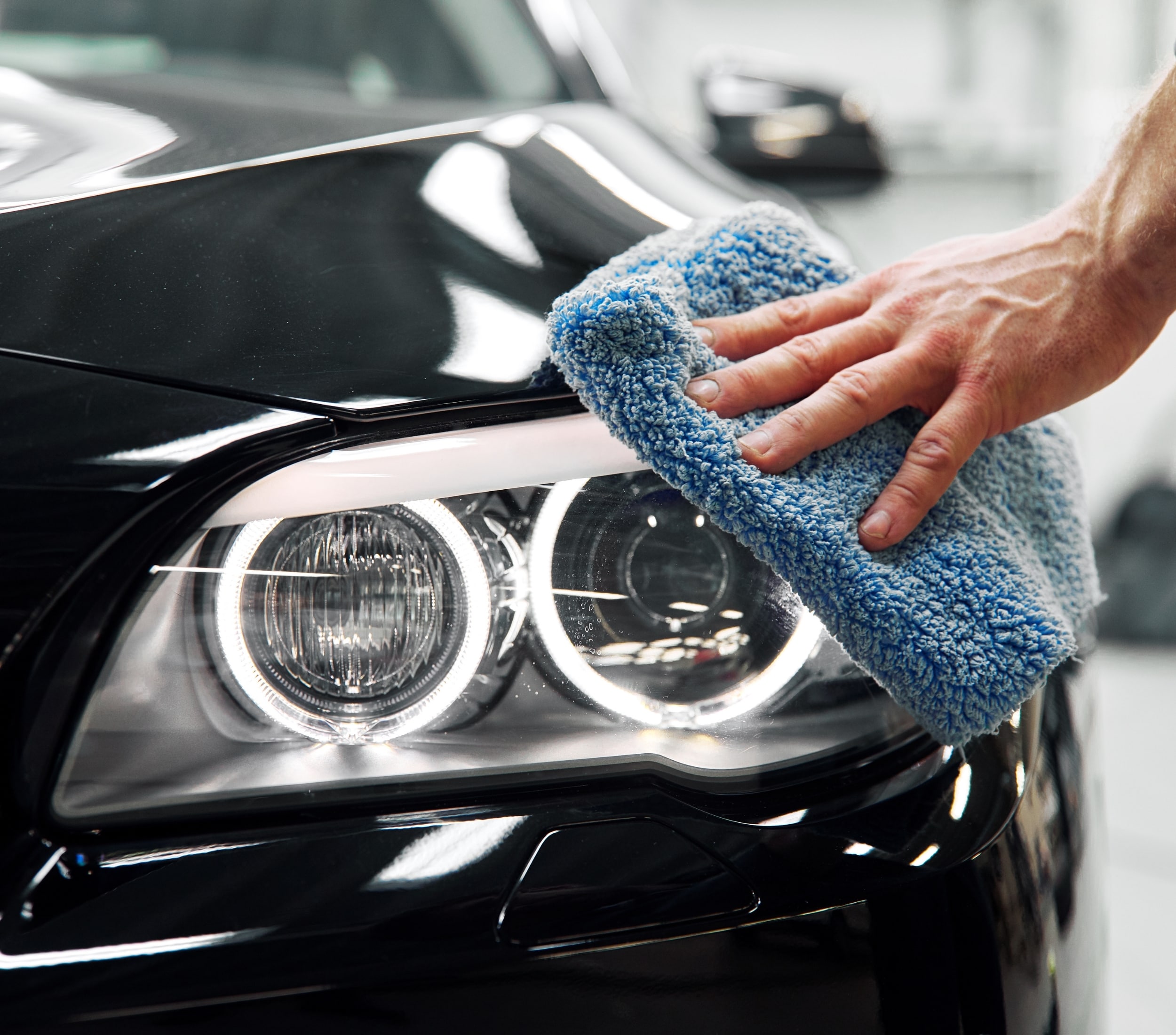
Drying the car prevents water spots and streaks. Use soft towels or air blowers to dry the surface.
Pat dry instead of rubbing. Dry all areas, including mirrors and door edges. This keeps the finish smooth.
- Use microfiber towels for drying
- Blow out water from crevices
- Change towels often to avoid dirt
- Dry in shade to avoid quick drying spots
Credit: jrekautocare.com
Paint Correction
Paint correction is a key part of a full car detail. It improves the car’s surface by fixing imperfections. This process makes your car look newer and shinier.
It involves several steps to remove defects and protect the paint. Each step helps restore the car’s finish to a smooth and glossy state.
Removing Swirls And Scratches
Swirls and scratches are small marks that damage the paint surface. They appear from washing, drying, or road debris. Removing them improves the car’s appearance.
Detailers use special compounds and machines to gently remove the top layer of paint. This process smooths out the surface and removes visible defects.
- Use of polishing pads and compounds
- Careful machine or hand polishing
- Focus on damaged areas for best results
Polishing For Gloss
Polishing adds shine by smoothing the paint surface. It removes tiny imperfections left after swirl removal. This step makes the paint reflect light better.
Polishing uses finer compounds and pads than swirl removal. It creates a deep, glossy finish that enhances the car’s color and look.
- Apply polish with soft pads
- Use moderate pressure and speed
- Work in small sections for even shine
Waxing And Sealing
Waxing and sealing protect the polished paint. They create a barrier against dirt, water, and UV rays. This helps keep the paint looking fresh longer.
Wax is natural and gives a warm glow. Sealants are synthetic and last longer. Some detailers use both for the best protection.
- Apply wax or sealant with a foam applicator
- Let it dry to a haze before buffing
- Buff with a clean microfiber cloth for shine
Engine Bay Cleaning
Cleaning the engine bay is an important part of a full car detail. It helps keep the engine running cooler and looking neat.
Removing dirt and grease from the engine bay also prevents damage and makes it easier to spot problems early.
Degreasing Process
The degreasing process removes thick oil and grime from the engine bay. It cleans parts that get very dirty over time.
Special degreasers break down heavy dirt without harming engine parts. This makes cleaning safe and effective.
- Apply degreaser carefully to all greasy areas
- Allow the degreaser to soak for a few minutes
- Use brushes or cloths to scrub off stubborn grime
- Rinse with low-pressure water to avoid damage
Detailing Engine Components
Detailing engine components means cleaning each part with care. It includes wires, hoses, and metal surfaces.
Using small brushes and cloths helps reach tight spots. This step improves the engine bay’s overall look.
- Clean battery terminals and covers
- Wipe down plastic and rubber parts
- Remove dirt from metal surfaces and bolts
- Check for leaks or worn parts during cleaning
Protective Coatings
Protective coatings help keep the engine bay clean longer. They also protect parts from rust and dust.
Applying these coatings creates a barrier on surfaces. This barrier reduces dirt buildup and makes future cleaning easier.
- Use silicone-based sprays for rubber and plastic parts
- Apply rust inhibitors on metal areas
- Let coatings dry fully before closing the hood
- Reapply coatings during regular maintenance
Interior Deep Clean
A full car detail includes a deep clean of the interior. This process removes dirt, dust, and stains from every surface inside your car.
Cleaning the interior helps keep your car fresh and comfortable. It also protects the materials from wear and damage.
Vacuuming And Dust Removal
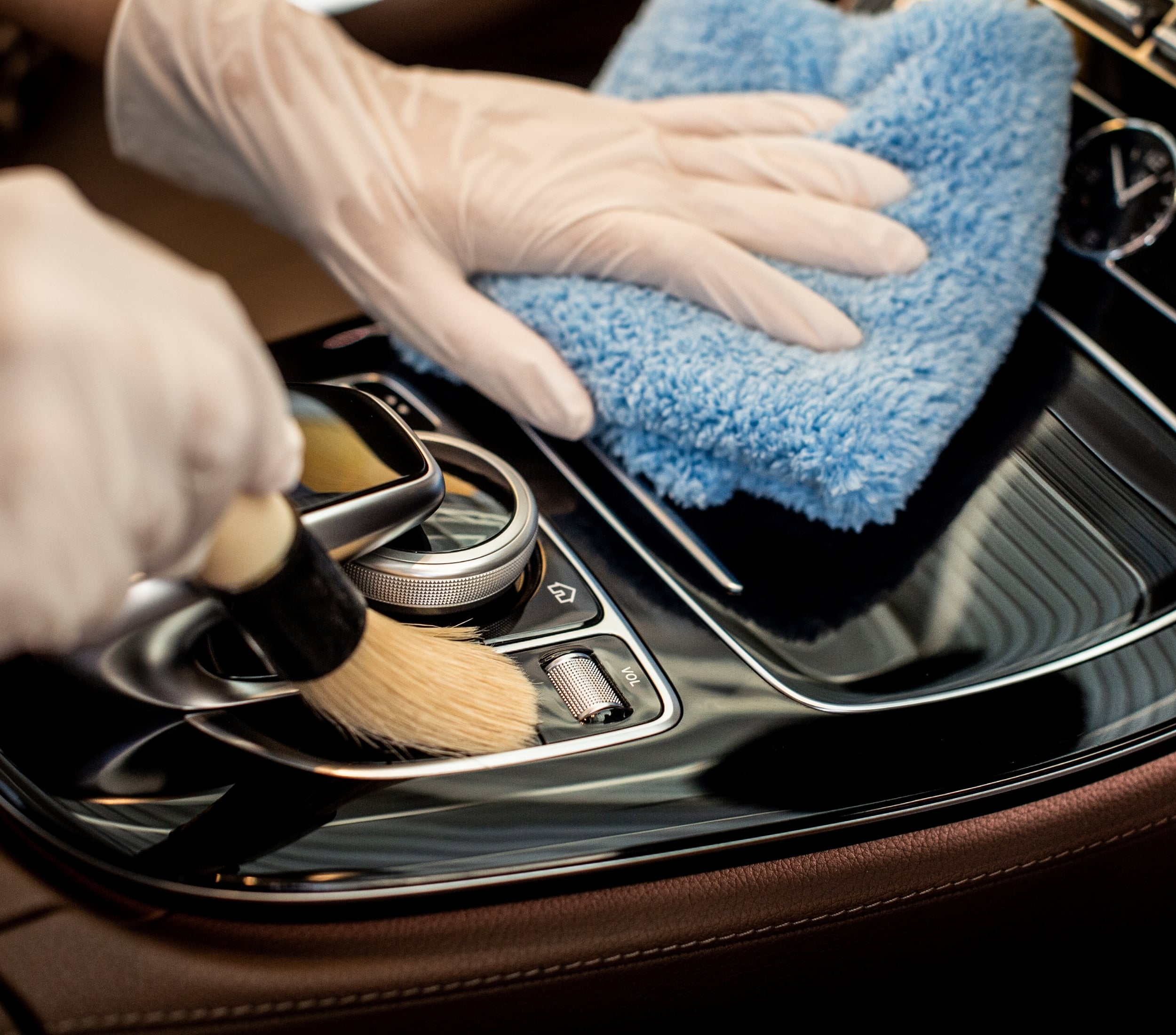
Vacuuming removes loose dirt and debris from seats, carpets, and floor mats. Dust removal targets vents, dashboard, and hard-to-reach areas.
- Use a strong vacuum with various attachments
- Clean under seats and between crevices
- Wipe down the dashboard and door panels
- Remove dust from air vents and controls
Carpet And Upholstery Shampoo
Shampooing the carpets and upholstery removes stains and deep dirt. It refreshes the fabric and eliminates odors that vacuuming cannot reach.
| Cleaning Step | Purpose | Method |
| Pre-treatment | Loosen dirt and stains | Apply fabric-safe cleaner |
| Shampooing | Deep clean fabric | Use foaming shampoo and brush gently |
| Extraction | Remove dirt and moisture | Use wet vacuum or extractor machine |
| Drying | Prevent mold and odor | Air dry or use fans |
Leather And Vinyl Care
Leather and vinyl surfaces need special care to stay soft and crack-free. Cleaning and conditioning restore their look and protect them from sun damage.
- Use mild leather or vinyl cleaner
- Wipe surfaces gently with a soft cloth
- Apply conditioner to keep materials supple
- Buff to a smooth finish with a dry cloth
Glass And Mirror Treatment
Glass and mirror treatment is an important part of a full car detail. It ensures clear visibility and maintains the car’s aesthetics. This treatment involves two main steps.
Let’s explore what each step involves and why they are essential for your vehicle.
Streak-free Cleaning
Streak-free cleaning is crucial for achieving spotless windows and mirrors. It involves thorough cleaning to remove dirt and smudges.
- Use a microfiber cloth for best results.
- Apply a glass cleaner designed for automotive use.
- Wipe in a circular motion to avoid streaks.
- Double-check the corners and edges for leftover marks.
Water Repellent Application
Applying a water repellent helps in maintaining clear glass surfaces. It causes water to bead and roll off, improving visibility in rainy conditions.
For effective application, follow these steps:
- Ensure the glass is clean and dry before application.
- Spray the water repellent evenly on the glass surface.
- Use a clean cloth to spread the product evenly.
- Allow it to dry completely for the best protection.
Credit: jrekautocare.com
Odor Elimination
Odor elimination is a key part of full car detailing. It helps remove bad smells inside the vehicle.
Cleaning alone may not remove all odors. Special techniques are needed to make the car smell fresh.
Deodorizing Techniques
Deodorizing removes smells from carpets, seats, and other surfaces. It uses safe products to neutralize odors.
Common techniques include spraying deodorizer, shampooing fabrics, and using ozone treatments.
- Spray deodorizers mask or neutralize smells
- Shampooing cleans deep dirt causing odors
- Ozone treatment breaks down odor molecules
- Steam cleaning kills bacteria that cause smells
Air Purification Methods
Air purification removes airborne odors and allergens inside the car. It improves air quality for passengers.
Techniques include using air filters, ionizers, and ventilating the vehicle.
- HEPA filters trap dust and pollen
- Ionizers remove particles from the air
- Ventilation replaces stale air with fresh air
- Activated carbon filters absorb odors
Final Inspection And Touch-ups
Final inspection is the last step in car detailing. It ensures everything looks perfect and spotless. Touch-ups fix any missed spots or imperfections.
This stage is crucial for a professional finish. It gives the car a polished and clean look.
Spot Cleaning
Spot cleaning targets small areas with dirt or stains. It uses special cleaners to remove marks without damaging surfaces.
Detailers focus on areas like seats, carpets, and dashboards. Spot cleaning ensures every part of the car is spotless.
- Use soft brushes for delicate areas
- Apply cleaner directly on stains
- Gently scrub to lift dirt
Detailing Spray Application
Detailing spray gives the car a shiny finish. It enhances the paint and removes fingerprints or smudges.
This spray is applied with a soft cloth. It helps protect the car’s paint and makes it look new.
- Spray lightly on the surface
- Use a microfiber cloth for wiping
- Buff in circular motions for shine

Credit: victoryautospa.com
Frequently Asked Questions
What Services Are Included In A Full Car Detail?
A full car detail includes exterior wash, clay bar treatment, polishing, waxing, and tire cleaning. Interior vacuuming, shampooing carpets, cleaning seats, and conditioning leather are also done. This service restores the car’s appearance inside and out, making it look like new.
How Long Does A Full Car Detail Typically Take?
A full car detail usually takes 3 to 6 hours depending on vehicle size and condition. Larger or heavily soiled cars may require more time. Professional detailers ensure thorough cleaning and restoration during this period.
Why Is Full Car Detailing Important For Vehicle Maintenance?
Full car detailing protects paint, prevents rust, and preserves interior materials. It maintains resale value and enhances driving comfort. Regular detailing also helps identify minor issues early, ensuring your car stays in top condition longer.
How Often Should You Get A Full Car Detail?
Most experts recommend a full car detail every 4 to 6 months. This frequency maintains cleanliness and protects your vehicle from wear and tear. However, frequency can vary based on usage and environment.
Conclusion
A full car detail cleans every part of your vehicle inside and out. It removes dirt, stains, and dust to make the car look fresh and new. This process also helps protect your car’s paint and interior materials. Regular detailing keeps your vehicle in good shape for longer.
It saves money by preventing damage and wear over time. A clean car feels better to drive and shows pride in your vehicle. Consider full detailing as a smart way to care for your car daily.







