
Have you noticed your tires wearing out faster on one side or looking uneven? Uneven tire wear can be more than just an eyesore—it can affect your safety, your car’s performance, and your wallet.
Understanding what causes this problem is the first step to fixing it and preventing it from happening again. You’ll discover the common reasons behind uneven tire wear and how you can protect your tires, save money, and enjoy a smoother ride.
Keep reading—your tires will thank you.
Common Tire Wear Patterns
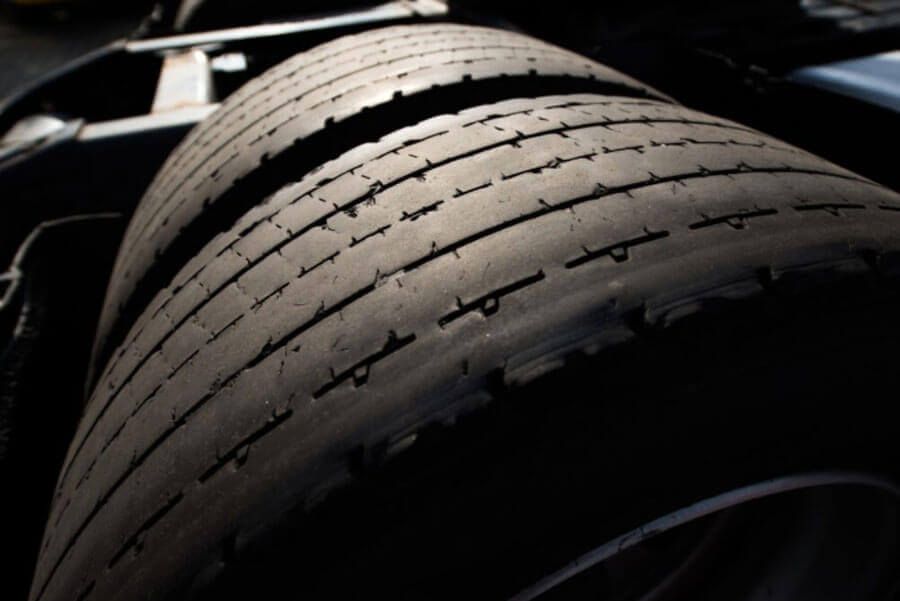
Tires wear out in different ways depending on how the vehicle is used and maintained. Recognizing these patterns helps in fixing problems early.
This guide explains four common tire wear types: center wear, edge wear, cupping, and feathering.
Center Wear
Center wear happens when the middle part of the tire tread wears faster than the edges. It usually means the tire is overinflated. Too much air pressure makes the tire bulge in the center, causing extra wear there.
Edge Wear
Edge wear means the outer edges of the tire tread wear more quickly than the center. This can happen if the tire is underinflated or if the wheels are misaligned. Driving with low air pressure causes the edges to touch the road more.
Cupping
Cupping shows as high and low points or scalloped dips around the tire edge. It often results from worn suspension parts or unbalanced tires. This wear pattern causes noise and rough rides.
- Worn shocks or struts
- Loose or damaged suspension parts
- Unbalanced or misaligned tires
Feathering
Feathering means the tread ribs develop a saw-tooth pattern. You feel this as a rough texture when you run your hand across the tire. It happens due to incorrect toe alignment on the wheels.
| Cause | Effect on Tire |
| Incorrect toe alignment | Tread ribs wear unevenly, creating a feathered edge |
| Worn steering components | Uneven pressure and rubbing inside the tire |

Credit: www.reddit.com
Key Causes Of Uneven Wear
Uneven tire wear reduces tire life and affects vehicle safety. Understanding its causes helps prevent damage.
Several factors lead to uneven wear. Proper care can improve your tires’ performance and lifespan.
Improper Wheel Alignment
Wheel alignment means adjusting the angles of tires to the car maker’s specs. Bad alignment causes tires to wear unevenly. It can make the car pull to one side.
Signs of bad alignment include:
- Tires wear more on one edge
- Steering wheel is off-center
- Vehicle pulls left or right
- Vibrations while driving
Incorrect Tire Pressure
Wrong tire pressure can cause uneven wear. Overinflated tires wear more in the center. Underinflated tires wear on the edges. Check pressure monthly to keep tires balanced.
Worn Suspension Parts
Suspension parts keep tires in contact with the road. Worn parts cause tire movement that leads to uneven wear. Common worn parts include shocks, struts, and ball joints.
Unbalanced Tires
Unbalanced tires cause shaking and uneven tread wear. Balancing adds weight to tires to keep them even. This prevents vibrations and extends tire life.
Driving Habits
Driving style affects tire wear. Fast turns and sudden stops cause uneven wear. Hard braking wears front tires more. Poor road conditions also increase uneven wear.
- Drive smoothly and avoid sharp turns
- Brake gently to reduce wear
- Slow down on rough roads
Signs To Watch For
Uneven tire wear can cause safety problems and reduce tire life. It is important to spot warning signs early.
Recognizing these signs can help you fix the issue before it gets worse.
Visible Tire Damage
Look closely at your tires for uneven wear patterns. Some parts may look more worn than others.
Common signs include bald spots, cracks, or edges that wear faster than the center.
- One side of the tire is more worn
- Patchy bald spots appear
- Sidewalls show cracks or cuts
- Edges look frayed or thin
Handling Issues
If your car pulls to one side while driving, it may be tire wear. Uneven tires affect steering control.
You may also feel the car is harder to steer or notice a loose feeling in the steering wheel.
- Car pulls left or right
- Steering feels heavy or loose
- Difficulty keeping the car straight
Vibrations While Driving
Uneven tire wear can cause your car to vibrate at certain speeds. This is due to imbalance in the tires.
You may feel the vibration in the steering wheel, seat, or floor of the car.
- Vibration increases with speed
- Shaking felt in steering wheel
- Rumbling felt through car floor
Credit: www.blackcircles.ca
Simple Fixes To Prevent Uneven Wear
Uneven tire wear can shorten your tires’ life and affect driving safety. Fixing small issues early helps keep tires lasting longer.
Here are some easy tips to avoid uneven tire wear and keep your vehicle running smoothly.
Regular Wheel Alignment
Wheel alignment means adjusting the angles of your wheels. Proper alignment helps tires wear evenly and improves handling.
Get your alignment checked if your car pulls to one side or after hitting a curb. Regular checks prevent uneven wear.
Maintaining Proper Tire Pressure
Tires need the right air pressure to wear evenly. Low or high pressure causes parts of the tire to wear faster.
- Check tire pressure monthly with a reliable gauge
- Inflate tires to the pressure recommended in your vehicle manual
- Adjust pressure before long trips or heavy loads
Tire Rotation Schedule
Rotating tires means moving them to different positions. This helps tires wear evenly by sharing the load.
- Rotate tires every 5,000 to 7,000 miles
- Follow your vehicle’s rotation pattern (front to back or cross pattern)
- Consult your owner’s manual for specific recommendations
Suspension Inspections
Suspension parts affect how tires contact the road. Worn parts can cause uneven wear and poor handling.
| Suspension Part | Signs to Check | Effect on Tires |
|---|---|---|
| Shock Absorbers | Bumpy ride, leaks | Uneven tread wear |
| Ball Joints | Clunking noise, loose steering | Edge wear on tires |
| Control Arms | Vibrations, pulling | Irregular tire wear |
Balancing Tires
Balancing tires means equalizing weight around the wheel. This stops vibrations and uneven wear.
Have your tires balanced when you install new tires or notice vibrations at high speeds.
When To Replace Tires
Tires wear down over time and affect your car’s safety. Knowing when to replace them helps you avoid accidents.
Check your tires regularly for signs of wear. This guide explains key points to watch for.
Tread Depth Checks
Tread depth shows how much life a tire has left. Low tread means less grip on the road.
- Use a tread depth gauge or a coin to check depth.
- Replace tires if tread is below 2/32 inch (1.6 mm).
- Look for uneven tread wear across the tire surface.
- Check all tires, including the spare.
Damage Beyond Repair
Some tire damage cannot be fixed safely. Replace tires with these problems immediately.
| Type of Damage | Signs | Action |
| Sidewall Bulges | Visible bumps or blisters | Replace tire |
| Deep Cuts | Large cuts exposing inner layers | Replace tire |
| Cracks | Cracks in tread or sidewall | Replace tire |
| Severe Punctures | Holes in the tread area | Replace or repair if small and safe |
Age And Wear Limits
Tires lose strength as they age. Old tires may fail even with good tread.
Follow these age and wear guidelines:
- Replace tires every 6 years, regardless of tread.
- Check tire manufacture date on the sidewall.
- Inspect tires yearly after 5 years of use.
- Watch for cracks or dry rot as signs of aging.

Credit: www.reddit.com
Frequently Asked Questions
What Are The Main Causes Of Uneven Tire Wear?
Uneven tire wear mainly results from improper wheel alignment, unbalanced tires, and incorrect tire pressure. Worn suspension parts and aggressive driving also contribute. Regular maintenance helps prevent these issues and prolongs tire life.
How Does Improper Wheel Alignment Affect Tire Wear?
Improper wheel alignment causes tires to wear unevenly by misdirecting tire contact with the road. This leads to premature tire damage, reduced handling, and increased fuel consumption. Proper alignment ensures even wear and better vehicle control.
Can Tire Pressure Cause Uneven Tire Wear?
Yes, incorrect tire pressure causes uneven wear. Overinflated tires wear more in the center, while underinflated tires wear on the edges. Maintaining recommended pressure improves tire lifespan and vehicle safety.
How Often Should I Check For Uneven Tire Wear?
Check tire wear every 5,000 to 7,500 miles or during routine oil changes. Early detection prevents further damage and ensures safety. Look for unusual tread patterns, bald spots, or cupping.
Conclusion
Uneven tire wear happens for many reasons. Poor alignment, wrong tire pressure, and bad suspension cause it. Driving habits also affect tire life. Regular checks help catch problems early. Fixing issues keeps tires safe and lasting longer. Remember, good tire care saves money and improves driving.
Stay aware, check tires often, and drive carefully. Your car will thank you with smoother rides and better safety.







