
Have you ever noticed those sleek, wing-like parts on the back of some cars and wondered what they really do? Spoilers aren’t just for looks—they play an important role in how your car performs and handles on the road.
Whether you’re a casual driver or a car enthusiast, understanding spoilers can help you make smarter choices when it comes to your vehicle. Stick with me, and you’ll discover what spoilers are, why they matter, and how they might even improve your driving experience.
Ready to find out? Let’s dive in!
Purpose Of Car Spoilers
Spoilers are parts added to cars to change how air flows around them. They are often seen on sports cars and race cars.
The main goal of a spoiler is to improve the car’s performance and handling. It helps the car stay stable and use fuel better.
Enhancing Aerodynamics
Spoilers help shape the airflow over and around the car. This reduces air resistance or drag.
Less drag means the car moves more smoothly through the air. This can make the car faster and easier to control.
Improving Traction
Spoilers push the car down onto the road. This is called downforce.
More downforce helps the tires grip the road better. It improves the car’s handling, especially when turning fast.
- Better tire grip reduces slipping
- Improved control during sharp turns
- Safer driving at high speeds
Boosting Fuel Efficiency
By lowering air drag, spoilers can help cars use less fuel. The engine does not need to work as hard.
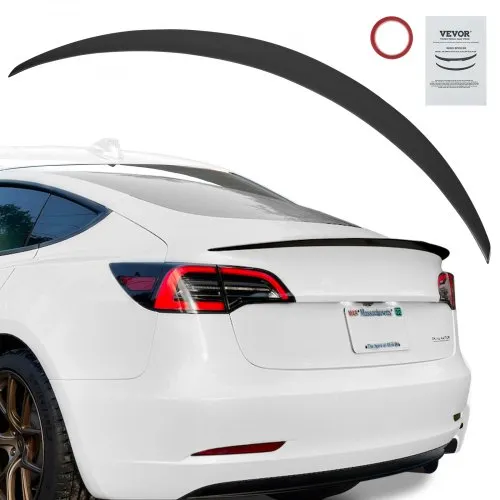
This makes the car more efficient and can save money on fuel over time. It also lowers harmful emissions.
Credit: www.vevor.ca
Types Of Spoilers
Spoilers on a car help improve its aerodynamics. They reduce air drag and increase stability. Different types of spoilers fit different parts of a vehicle.
Each spoiler type serves a special purpose. Some add style, while others boost performance. Let’s look at the common types of spoilers found on cars.
Lip Spoilers
Lip spoilers are small and thin. They attach to the edge of a car’s trunk or bumper. These spoilers add a subtle look and help reduce lift at high speeds.
Wing Spoilers
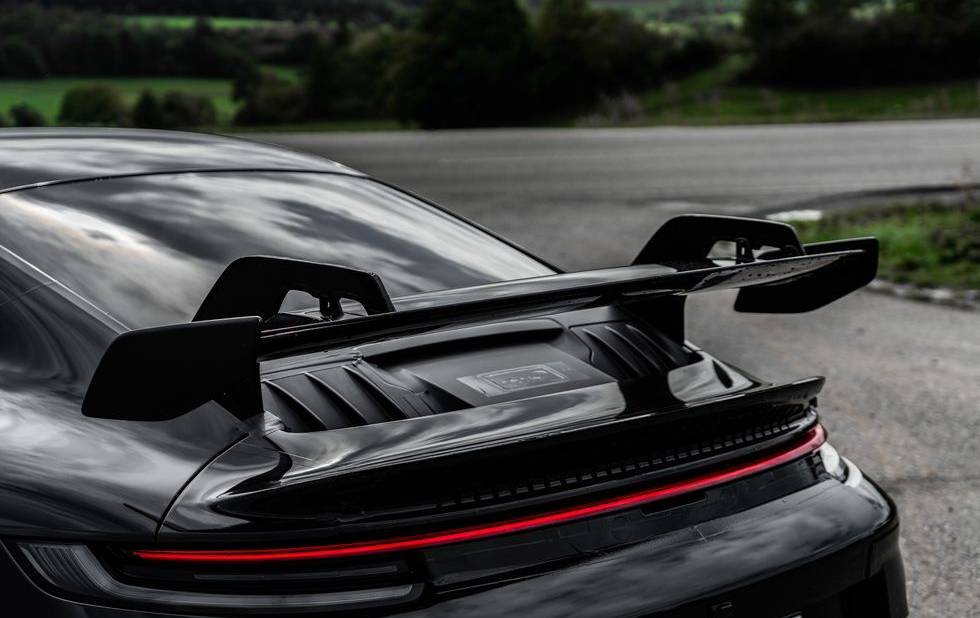
Wing spoilers are larger and stand away from the car’s body. They look like airplane wings and create downforce. This helps keep the car’s tires on the road during fast driving.
Roof Spoilers
Roof spoilers attach to the top rear edge of a car’s roof. They help smooth airflow over the roof and rear window. This reduces drag and can improve fuel efficiency.
Rear Spoilers
Rear spoilers cover a larger area on the back of the car. They combine style and function by lowering air pressure behind the car. Here is a table showing key features of rear spoilers:
| Feature | Description |
|---|---|
| Shape | Wide and raised to catch airflow |
| Function | Increase downforce and reduce drag |
| Material | Usually plastic, carbon fiber, or aluminum |
| Placement | Mounted on the rear trunk or hatch |
Materials Used For Spoilers
Spoilers on cars help improve aerodynamics and add style. They come in different materials. Each material has unique features and uses.
Choosing the right material depends on the car type, cost, and performance needs. Here are common materials used for spoilers.
Fiberglass
Fiberglass is a popular material for spoilers. It is made from glass fibers and resin. This makes it lightweight and strong.
Fiberglass spoilers are easy to shape and paint. They are cost-effective but can crack on hard impact.
Carbon Fiber
Carbon fiber is a high-end material used in spoilers. It is very light and very strong. This helps improve car speed and handling.
Carbon fiber spoilers look sleek and sporty. They are more expensive than other materials but offer better performance.
Abs Plastic
ABS plastic is a common material for factory spoilers. It is tough and flexible. This helps prevent damage from small impacts.
ABS plastic spoilers are affordable and easy to produce. They are usually painted to match the car’s color.
Aluminum
Aluminum is a metal used in some spoilers. It is lightweight and resistant to rust. Aluminum spoilers are strong and durable.
These spoilers often have a polished or painted finish. They offer a good balance of strength and weight.

Credit: pedalcommander.com
Installation Options
Spoilers on a car can be installed in different ways. Each option suits different needs and skill levels.
Choosing the right installation method helps improve the car’s look and performance safely.
Diy Installation
DIY installation lets you add a spoiler by yourself. It saves money and is good for simple models.
You need basic tools like screwdrivers, drills, and measuring tape. Follow the instructions carefully.
- Clean the area where the spoiler goes
- Measure and mark drilling points
- Drill holes if needed
- Attach the spoiler with screws or adhesive
- Check stability before driving
Professional Fitting
Professional fitting uses experts to install the spoiler. They have the right tools and experience.
This option reduces the chance of errors. It is good for complex spoilers or luxury cars.
- Experts check the car’s surface
- They align the spoiler precisely
- Use proper drilling and fixing methods
- Ensure the spoiler is secure and even
- Test for safety and appearance
Custom Fabrication
Custom fabrication makes a spoiler to fit your car exactly. It is made from special materials.
This option is for unique cars or special designs. It needs skilled fabricators and more time.
- Design the spoiler based on car shape
- Choose materials like carbon fiber or fiberglass
- Build and shape the spoiler by hand
- Paint and finish to match the car
- Install with help from professionals
Impact On Car Performance
Spoilers on a car can change the way it performs. They help with handling and speed. Let’s see how spoilers affect different aspects of car performance.
Handling And Stability
Spoilers improve handling by increasing downforce. This keeps the car stable at high speeds.
- Better grip on the road
- Improved cornering ability
- Less chance of skidding
Speed And Acceleration
Spoilers can affect speed and how fast a car accelerates. They reduce drag which helps in gaining speed quickly.
| Effect | Result |
| Reduced drag | Higher top speed |
| Increased downforce | Better acceleration |
Braking Efficiency
Spoilers also play a role in braking. They help slow the car down by increasing stability during braking.
Credit: carbuzz.com
Styling Benefits
Spoilers on a car do more than improve performance. They add style and personality.
Car spoilers help change how your vehicle looks. They make your car stand out on the road.
Sporty Appearance
A spoiler gives your car a sporty and aggressive look. It makes simple cars look faster and more dynamic.
Many people add spoilers to show a love for racing or sport cars. It adds a cool edge to everyday vehicles.
Customizing Vehicle Look
- Spoilers come in many shapes and sizes to fit different styles.
- You can choose colors that match or contrast with your car paint.
- Some spoilers have lights or decals for extra flair.
- Adding a spoiler is an easy way to personalize your car.
Matching Body Design
| Body Style | Recommended Spoiler Type | Styling Effect |
|---|---|---|
| Sedan | Low-profile lip spoiler | Subtle and elegant |
| Coupe | Raised wing spoiler | Sporty and bold |
| SUV | Extended roof spoiler | Modern and rugged |
Choosing a spoiler that matches your car’s body keeps the look balanced. It avoids awkward or mismatched styles.
Common Myths About Spoilers
Spoilers are a popular part of many cars. Some people think they make cars go faster or look better only. Many myths exist about what spoilers really do.
Understanding the true purpose of spoilers can help you see why they are used. Let’s clear up some common myths about spoilers on cars.
Spoilers Always Increase Speed
People often believe spoilers always make cars faster. This is not true. Spoilers mainly help with stability and control, not speed.
A spoiler pushes the car down to keep it on the road at high speeds. This helps drivers keep control but does not directly increase top speed.
Only For Racing Cars
Many think spoilers are only for racing cars. Spoilers are also on regular cars. They improve safety and handling in everyday driving.
Manufacturers add spoilers to normal cars to reduce lift and improve grip. This helps drivers in wet or windy conditions.
Spoilers Damage Fuel Economy
Some believe spoilers hurt fuel economy. Spoilers can change airflow, but they do not always reduce fuel efficiency.
If a spoiler is designed well, it can reduce drag and improve fuel use. Poorly designed spoilers might cause extra drag.
- Good spoilers reduce air resistance
- Bad spoilers increase drag and fuel use
- Design and size matter for fuel economy
Choosing The Right Spoiler
Spoilers on a car can change its look and performance. Picking the right one is important.
Think about different factors before making a decision. Each car is unique.
Considering Car Model
Different car models need different spoilers. Choose a spoiler that fits your car’s design.
- Compact cars often have simple spoiler styles.
- Sports cars can handle more aggressive designs.
- SUVs may need larger spoilers for balance.
Purpose And Usage
Spoilers are not just for looks. They help with car stability and speed.
Consider how you use your car. A daily driver may not need a race-style spoiler. But if you enjoy track days, a more advanced design can help.
Budget And Quality
Prices for spoilers can vary a lot. Quality is important for durability and performance.
| Price Range | Quality Level |
| $50 – $150 | Basic |
| $150 – $500 | Standard |
| $500 and up | Premium |
Maintenance Tips
Spoilers on a car help improve aerodynamics and style. Keeping them in good shape is important.
Regular care ensures spoilers last longer and work as intended. Follow these simple tips.
Cleaning And Care
Clean spoilers gently to avoid scratches and damage. Use mild soap and water instead of harsh chemicals.
- Rinse with water to remove loose dirt
- Use a soft cloth or sponge with mild soap
- Dry with a microfiber towel to avoid streaks
- Apply wax to protect the surface from UV rays
Checking For Damage
Inspect spoilers regularly for cracks, chips, or loose parts. Early repair prevents bigger issues.
| Damage Type | Signs to Watch For |
| Cracks | Visible lines or splits in the spoiler |
| Chips | Small missing pieces or rough spots |
| Loose Parts | Wobbling or rattling when driving |
Seasonal Adjustments
Change your spoiler care routine with seasons. Adjust cleaning and checks based on weather.
Winter Tips:
- Remove snow and ice gently
- Check for salt damage from roads
- Use a protective coating to prevent corrosion
Summer Tips:
- Wash frequently to remove dust and bugs
- Apply UV protectant to avoid fading
Frequently Asked Questions
What Is A Spoiler On A Car?
A spoiler is an aerodynamic device on a car’s body. It reduces air drag and improves stability at high speeds. Spoilers redirect airflow to enhance grip and fuel efficiency. They are often found on sports and performance vehicles.
How Do Spoilers Improve Car Performance?
Spoilers reduce lift and drag by managing airflow over the car. This increases traction and stability, especially during fast driving or cornering. Improved downforce helps maintain better contact with the road, enhancing control and safety.
Are Spoilers Only For Sports Cars?
No, spoilers are not exclusive to sports cars. Many regular vehicles use spoilers for aesthetic appeal and minor aerodynamic benefits. Even SUVs and sedans can have spoilers to improve fuel efficiency and reduce wind noise.
Do Spoilers Affect Fuel Efficiency?
Yes, spoilers can improve fuel efficiency by reducing aerodynamic drag. Properly designed spoilers streamline airflow, lowering resistance and fuel consumption. However, poorly designed spoilers may increase drag and reduce efficiency.
Conclusion
Car spoilers help improve a vehicle’s look and performance. They reduce air drag and increase stability at high speeds. Spoilers come in many shapes and sizes for different cars. They are not just for racing cars but also for everyday vehicles.
Choosing the right spoiler can make driving safer and more fun. Understanding spoilers helps you appreciate their role on cars. They blend style with function in a simple way. Next time you see a spoiler, you will know why it matters.







