
Have you ever wondered how some drivers seem to avoid speeding tickets effortlessly? The secret often lies in a small device called a radar detector.
If you’re curious about what radar detectors are and how they work, you’re in the right place. Understanding this gadget can save you money and stress on the road. Keep reading, and you’ll discover everything you need to know to protect yourself from unexpected speed traps.

Credit: www.thedrive.com
How Radar Detectors Work
Radar detectors help drivers know if police use radar guns nearby. These devices scan for radar waves sent by speed detectors.
When radar waves are detected, the device alerts the driver. This gives time to slow down before getting a ticket.
Radar Signal Detection
Radar detectors sense radio waves from police radar guns. They pick up signals in specific frequency ranges.
The device uses an antenna to catch radar waves. Then, it processes the signal to check if it is from a speed radar.
Types Of Radar Bands
Radar guns send signals on different bands. Common bands are X, K, and Ka.
- X band:Oldest and easiest to detect. Used less now.
- K band:More common. Detectors often alert on this band.
- Ka band:Newest and hardest to detect. Many modern radars use it.
Radar detectors must scan all these bands to work well. Some detectors alert only on certain bands.
Laser Detection Technology
Laser speed guns use light waves instead of radio waves. These are called LIDAR devices.
Laser detectors sense pulses of infrared light from police laser guns. They warn the driver quickly.
- Laser signals travel in narrow beams.
- Detectors need fast response to catch laser pulses.
- Laser detection helps avoid sudden speed tickets.
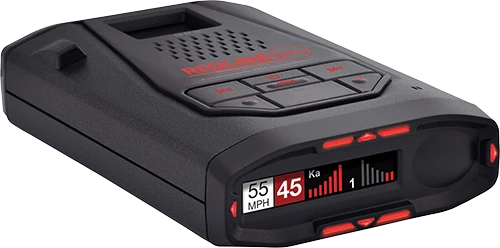
Credit: www.vortexradar.com
Types Of Radar Detectors
Radar detectors help drivers know when police use radar to check speed. There are different types of radar detectors. Each type has unique features.
Choosing the right radar detector depends on your needs and how you drive. Below are some common types to consider.
Corded Vs. Cordless Models
Corded radar detectors plug into your car’s power outlet. They get power continuously while you drive. These models usually have stronger signals.
Cordless models run on batteries. They are easy to move between cars. Battery life varies, so you need to recharge them often.
- Corded:Constant power, strong alerts, less portable
- Cordless:Portable, no cables, limited battery life
Smartphone-integrated Devices
Some radar detectors connect to your smartphone. They use apps to show alerts and settings. This makes it easier to control the device.
These devices can update alerts using the phone’s internet. They give real-time warnings for police radar and speed cameras.
- Connects via Bluetooth or Wi-Fi
- Controls and alerts on your phone screen
- Regular updates through the app
Gps-enabled Radar Detectors
GPS-enabled radar detectors know your location. They warn you about fixed speed cameras and red-light cameras nearby. This helps avoid common traffic fines.
These detectors can remember false alarm spots. They reduce alerts for non-threats like automatic doors or other cars.
- Alerts for fixed speed and red-light cameras
- Stores locations of false alarms
- Improves alert accuracy
Benefits Of Using Radar Detectors
Radar detectors help drivers notice speed monitoring devices. They warn about radar signals used by police. This allows drivers to adjust their speed in time.
Using radar detectors can improve safety and save money. They give drivers more control over their driving habits and alert them to changes in road conditions.
Avoiding Speeding Tickets
Radar detectors alert drivers about speed checks ahead. This helps avoid speeding tickets by reducing speed on time. Fewer tickets mean a better driving record and less stress.
- Receive early warnings of speed traps
- Adjust speed before being caught
- Maintain a clean driving record
- Reduce chances of fines and penalties
Enhancing Driving Awareness
Radar detectors increase alertness while driving. They keep drivers focused on speed limits and surroundings. This leads to safer driving and fewer accidents.
| Benefit | How It Helps |
| Early Warning | Alerts before speed traps or radar guns |
| Focus | Encourages paying attention to speed and road |
| Safety | Reduces risky speeding and sudden stops |
Cost Savings Over Time
Radar detectors can save money by avoiding tickets and fines. Over time, these savings add up. They also help reduce insurance costs by keeping your record clean.
| Expense | Without Radar Detector | With Radar Detector |
|---|---|---|
| Speeding Tickets | $300 per ticket | Near zero |
| Insurance Increase | $500 yearly | Minimal |
| Legal Fees | $200 per case | None |
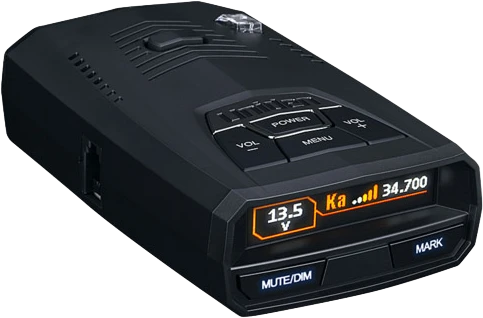
Credit: www.vortexradar.com
Legal Considerations
Radar detectors are devices that alert drivers about speed monitoring systems. Their use is subject to laws that vary by location. Understanding these laws helps avoid fines and legal trouble.
Some places allow radar detectors, while others ban them. Drivers should know the rules before using these devices on the road.
Legality By Region
Radar detector laws differ across countries and states. Some areas permit their use in private vehicles. Others restrict or ban them completely.
For example, radar detectors are legal in most U.S. states except Virginia and Washington D.C. In Canada, they are banned in Quebec and some other provinces.
- United States: Legal in most states with exceptions
- Canada: Banned in Quebec and some provinces
- European Union: Generally illegal or restricted
- Australia: Banned in all states and territories
Penalties For Use
Using radar detectors where they are banned can lead to fines and other penalties. The severity depends on the local laws and the situation.
Penalties may include confiscation of the device, fines, or points on a driver’s license. Repeat offenses can result in higher fines or legal action.
- Fines ranging from small to large amounts
- Confiscation of the radar detector
- Points added to the driver’s license
- Possible court appearances for repeat offenses
Alternatives In Restricted Areas
In places where radar detectors are illegal, drivers can use other tools to avoid speeding. These options follow the law and promote safe driving.
Alternatives include smartphone apps and GPS devices that warn about speed cameras and traffic conditions. These tools help drivers stay alert without breaking the law.
- Smartphone apps with speed camera alerts
- GPS devices showing speed limits and hazards
- Using cruise control to maintain safe speeds
- Following posted speed limits carefully
Installation And Setup Tips
Radar detectors help drivers notice speed monitoring devices on roads. Proper installation and setup improve their accuracy and usefulness.
Follow these tips to place, calibrate, and maintain your radar detector for the best performance.
Optimal Placement In Vehicles
Correct placement of the radar detector inside your vehicle is key. It needs a clear view of the road ahead.
- Mount the detector near the center of the windshield.
- Avoid placing it behind dark tint or metal parts.
- Keep it away from other electronic devices to reduce interference.
- Ensure it does not block your view while driving.
- Use the mounting bracket or suction cups for stability.
Calibration And Testing
After installation, calibrate your radar detector to match your vehicle’s speed sensors. Testing helps confirm it works correctly.
| Calibration Step | Description |
| Connect Power | Plug into your vehicle’s power source. |
| Set Speed Units | Choose miles or kilometers per hour. |
| Adjust Sensitivity | Set detection range according to your needs. |
| Test Drive | Drive near known radar zones to verify alerts. |
Regular Maintenance
Keep your radar detector clean and updated. This ensures it stays reliable over time.
- Wipe the lens and casing with a soft cloth.
- Check for software updates from the manufacturer.
- Inspect mounting hardware for damage or looseness.
- Store the device safely when not in use.
- Test the unit periodically to confirm proper operation.
Common Challenges And Limitations
Radar detectors are useful for drivers to avoid speed traps. Yet, they face several challenges and limitations.
Understanding these can help users make better choices and use them effectively.
False Alarms
False alarms are a major issue with radar detectors. They can be triggered by automatic doors and other devices.
- Grocery store automatic doors
- Bank security systems
- Traffic management sensors
Signal Interference
Signal interference affects radar detector performance. Other electronic devices can cause interference and limit effectiveness.
Detection Range Limits
Detection range is crucial for timely alerts. Obstacles and terrain can limit the radar detector’s range.
| Obstacle Type | Effect on Range |
| Hills | Reduce significantly |
| Buildings | Block signals |
| Heavy traffic | Interfere with detection |
Top Radar Detector Brands
Radar detectors help drivers avoid speeding tickets by alerting them to nearby radar guns. Choosing the right brand can make a big difference in performance and reliability.
There are many brands to choose from, each offering models that fit different needs and budgets. Let’s explore some popular options.
High-end Models
High-end radar detectors often feature advanced technology and better range. They can detect multiple radar bands and provide real-time alerts.
- Escort: Known for its long range and accuracy.
- Valentine One: Offers directional alerts for better tracking.
- Uniden: Features GPS lockouts for false alarms.
Budget-friendly Options
Budget-friendly models are great for those who want basic features without breaking the bank. They usually cover essential radar bands.
| Brand | Feature |
| Cobra | Affordable and easy to use |
| Whistler | Good detection range for the price |
| Radenso | Compact and portable |
User Reviews And Ratings
User reviews provide insight into the real-world performance of radar detectors. Ratings can highlight strengths and weaknesses.
According to users:
- Escort detectors are praised for reliability.
- Valentine One is favored for its detailed alerts.
- Cobra offers good value for money.
Future Trends In Radar Detection
Radar detectors help drivers know when police use speed radar. New technology will change how these devices work.
Future radar detectors will be smarter and more connected. They will work better with modern cars and technology.
Integration With Autonomous Vehicles
Self-driving cars use many sensors to detect their surroundings. Radar detection will add extra safety by alerting to speed monitoring devices.
Radar detectors will share data with the vehicle’s system. This helps the car adjust speed or warn the driver automatically.
Advances In Signal Processing
Signal processing will improve how radar detectors find and identify radar waves. This means fewer false alerts and better accuracy.
New algorithms will help devices filter out signals from other sources. This makes radar detection more reliable in busy areas.
- Clearer detection of police radar
- Reduced false alarms from other signals
- Faster alert times for drivers
Enhanced Connectivity Features
Radar detectors will connect more with smartphones and cloud services. This allows real-time updates on radar locations and alerts.
Users can share radar data with others nearby. This makes radar detection more social and up-to-date.
- Live updates from other users
- Integration with GPS for location alerts
- Remote control and settings via smartphone apps
Frequently Asked Questions
What Is A Radar Detector Used For?
A radar detector alerts drivers about nearby speed detection devices. It helps avoid speeding tickets by warning of police radar signals. This device enhances driver awareness and promotes safer driving habits.
How Do Radar Detectors Work Effectively?
Radar detectors scan for specific radio frequencies emitted by police radar guns. When detected, they notify the driver with visual or audio alerts. This early warning allows drivers to adjust their speed timely.
Are Radar Detectors Legal To Use Everywhere?
Radar detector legality varies by country and state. Some places allow them freely, while others ban or restrict their use. Always check local laws before using a radar detector to avoid fines.
Can Radar Detectors Detect All Types Of Speed Cameras?
Radar detectors mainly detect radar-based speed guns but may miss some camera types. They might not detect laser or fixed speed cameras reliably. Combining with other technologies improves overall speed monitoring awareness.
Conclusion
Radar detectors help drivers avoid speeding tickets by alerting them to police radar signals. They work by sensing radar waves used by law enforcement. These devices vary in price and features, so choose one that fits your needs. Keep in mind, some places restrict or ban their use.
Understanding how radar detectors function can keep you safer on the road. Use them wisely and always drive responsibly. Staying aware helps you avoid fines and enjoy smoother trips. Simple tools, smart driving.







