
Have you ever noticed a mysterious light glowing on your car’s dashboard and wondered what it means? Those warning lights aren’t just random symbols—they are your car’s way of talking to you.
Ignoring them could lead to costly repairs or even put your safety at risk. But don’t worry, understanding these lights is easier than you think. You’ll discover what each warning light means and how to respond quickly and confidently. Keep reading to make sure your car stays in top shape and you stay safe on the road.
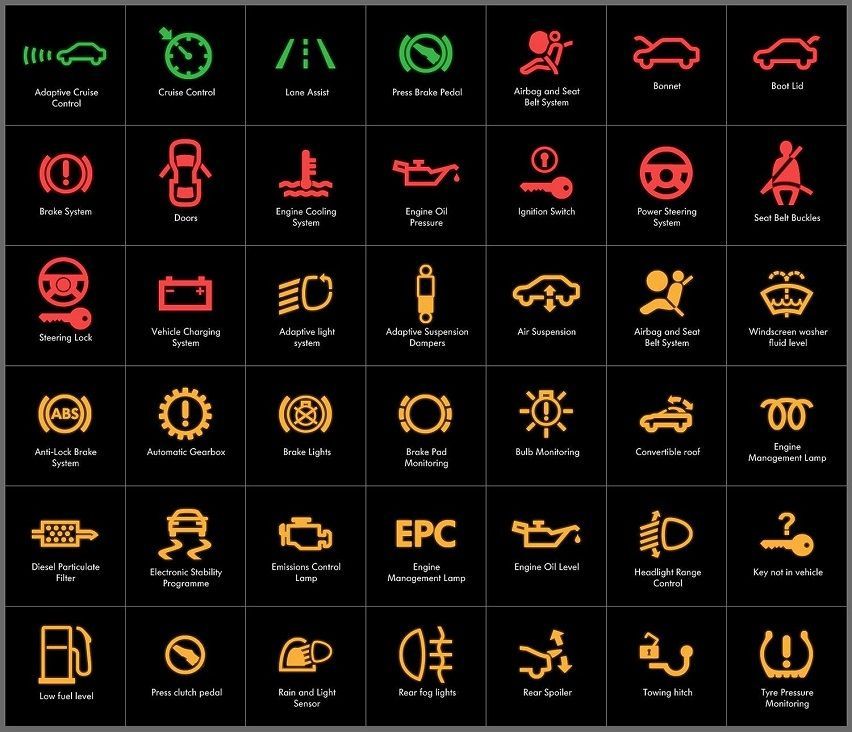
Credit: www.carmudi.com.ph
Common Warning Lights
Cars have many warning lights on the dashboard. These lights tell you about problems or important information. Knowing what these lights mean helps you keep your car safe.
Some warning lights appear more often than others. This guide explains five common warning lights you should recognize.
Engine Warning Light
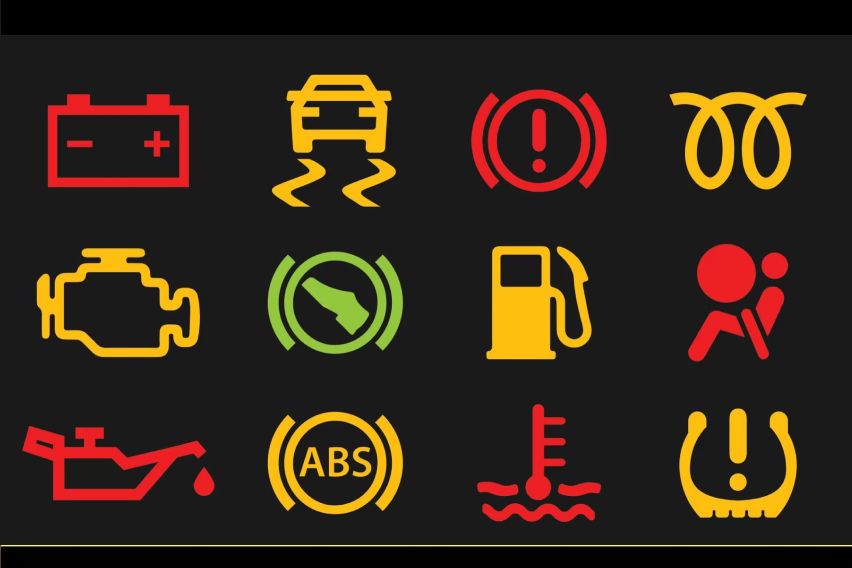
The engine warning light shows if the engine has a problem. It can mean many things, such as a loose gas cap or a serious engine issue. You should check the engine soon if this light comes on.
Battery Alert
The battery alert light warns about the car’s charging system. It may mean the battery is low or the alternator is not working. If this light stays on, your car might stop running soon.
Brake System Warning
This light signals a problem with the brake system. It may mean low brake fluid or worn brake pads. It is important to stop and check your brakes if this light appears.
Oil Pressure Indicator
The oil pressure indicator shows if the engine oil pressure is low. Low oil pressure can cause engine damage. Stop your car and check the oil level if this light turns on.
Tire Pressure Monitor
This light tells you when a tire has low pressure. Proper tire pressure keeps your car safe and saves fuel. Check your tires when this light glows.
- Check tire pressure monthly
- Inflate tires to the recommended level
- Look for tire damage or leaks
- Replace tires if worn out
Immediate Actions For Warning Lights
Warning lights on your car’s dashboard show if something needs attention. Acting fast can keep you safe and stop damage.
Learn what to do when warning lights turn on. Some need quick action, others can wait a bit.
When To Stop Driving
Stop driving immediately if a red warning light appears. Red lights mean a serious problem that can cause damage or danger.
Keep driving if the light is yellow or orange, but plan to check the issue soon. Do not ignore these lights.
- Stop if engine temperature light turns on
- Brake warning light means stop safely
- Oil pressure light needs immediate action
- Battery or charging system light requires a quick stop
Checking Under The Hood
After stopping, open the hood to check the engine. Look for leaks, smoke, or loose parts.
Do not touch hot parts. Use a flashlight if needed. Check fluid levels like oil and coolant if safe.
- Look for steam or smoke
- Check if belts or hoses are broken
- Smell for burning or fuel leaks
- Ensure no puddles under the car
Using Your Car Manual
Your car manual explains what each warning light means. It tells you how urgent the issue is.
Find instructions for fixing small problems or advice on when to call a mechanic. Keep the manual in your car.
- Locate the warning light section in the manual
- Follow the recommended steps carefully
- Use the manual to know when to get help
- Keep emergency numbers handy
Preventive Maintenance Tips
Warning lights on cars alert drivers to possible issues. Regular maintenance helps keep these lights off.
Checking your car often can prevent costly repairs and keep you safe on the road.
Regular Fluid Checks
Check engine oil, coolant, brake fluid, and transmission fluid regularly. Low or dirty fluids cause problems and warning lights to appear.
- Look at fluid levels monthly
- Top up fluids as needed
- Replace fluids according to your car’s schedule
Tire Pressure Maintenance
Low tire pressure triggers warning lights and affects driving safety. Check pressure once a month and before long trips.
| Tire | Recommended Pressure (PSI) |
| Front Tires | 32 |
| Rear Tires | 30 |
Battery Health Care
Battery issues often cause warning lights. Keep the battery clean and check its charge regularly.
- Inspect battery terminals for corrosion
- Test battery voltage every six months
- Replace old batteries before they fail
Brake System Inspection
Brake warning lights mean you need to inspect the brake system. Check brake pads, fluid, and lines often.
Signs to watch for:
- Squeaking or grinding sounds
- Soft or spongy brake pedal
- Brake warning light on dashboard

Credit: www.youtube.com
Cost Savings From Early Detection
Warning lights on cars alert drivers to problems early. Paying attention can save money. Fixing issues soon stops bigger damage.
Early detection helps keep your car running well. It prevents expensive repairs and other costs.
Avoiding Major Repairs
Warning lights tell you when parts need attention. Fixing small problems stops them from growing. This saves you from costly repairs later.
- Engine light warns of engine issues
- Brake light signals brake problems
- Battery light shows charging faults
- Oil light alerts low oil pressure
Improving Fuel Efficiency
Some warning lights help maintain fuel efficiency. Fixing these issues saves fuel and money. A well-running car uses less gas.
| Warning Light | Effect on Fuel | Cost Impact |
| Check Engine | Can reduce fuel economy | Fuel costs rise if ignored |
| Tire Pressure | Low pressure lowers efficiency | More fuel used per mile |
| Air Filter | Clogged filter lowers mileage | Higher fuel consumption |
Extending Vehicle Lifespan
Warning lights help keep your car longer. Regular fixes stop parts from wearing out fast. This protects your investment over time.
- Respond quickly to warning lights
- Get regular maintenance checks
- Use recommended fluids and parts
- Drive gently to reduce wear
Technology And Apps For Monitoring
Warning lights on cars alert drivers about issues. Technology helps track these alerts.
Apps and devices make it easy to understand car problems. They give quick information.
Obd-ii Scanners
OBD-II scanners plug into your car’s diagnostic port. They read error codes from the engine.
These scanners show what the warning lights mean. They help find the exact problem fast.
- Connects to the car’s OBD-II port
- Reads and clears engine codes
- Shows live data from sensors
- Works with many car brands and models
- Helps save time and money on repairs
Mobile Apps For Diagnostics
Mobile apps link with OBD-II scanners via Bluetooth. They display real-time car data on your phone.
Apps explain warning lights in simple words. Users get tips on what to do next.
| App Feature | Description |
| Code Reader | Shows error codes and meanings |
| Live Data | Displays engine and sensor readings |
| Maintenance Alerts | Reminds you of service dates |
| Repair Tips | Gives advice for fixing problems |
Connected Car Systems
Connected car systems use built-in sensors to monitor the vehicle. They send alerts directly to your phone or dashboard.
Key benefits of connected car systems:
- Automatic problem detection
- Remote diagnostics by mechanics
- Real-time updates on car health
- Integration with smart home devices
- Improved safety and convenience
Credit: www.zigwheels.my
When To Consult A Professional
Warning lights on your car dashboard can be confusing. Some lights indicate serious problems. Knowing when to see a mechanic is important.
Ignoring warning lights can lead to bigger issues. It’s best to consult a professional early.
Signs Of Serious Issues
Some warning lights signal urgent problems. Pay attention to these lights.
- Check Engine Light: This can mean engine trouble.
- Brake Warning Light: This shows brake system issues.
- Oil Pressure Light: This signals low oil pressure.
Choosing A Reliable Mechanic
Picking the right mechanic is crucial. A good mechanic ensures your car is safe.
Ask friends for recommendations. Check online reviews to find a trusted service.
- Look for certification like ASE.
- Compare prices for services.
- Choose a shop with good customer feedback.
What To Expect During Inspection
A mechanic will inspect your car thoroughly. They will check the warning lights and diagnose issues.
The mechanic may use diagnostic tools. They will explain the problem and suggest repairs.
- Initial consultation about the warning light.
- Detailed inspection of the affected system.
- Discussion on repair options and costs.
Frequently Asked Questions
What Do Car Warning Lights Mean?
Car warning lights indicate specific issues or alerts. They help drivers identify problems early. Each light has a unique color and symbol. Red means urgent attention, yellow means caution. Understanding these lights ensures vehicle safety and prevents costly repairs.
Why Is My Check Engine Light On?
The check engine light signals engine or emissions problems. It can indicate issues like loose gas caps or sensor failures. A diagnostic scan can pinpoint the exact cause. Addressing this light promptly prevents damage and maintains fuel efficiency.
How To Reset Car Warning Lights?
Resetting warning lights depends on the vehicle and issue. Some clear after fixing the problem; others need manual reset. Using an OBD-II scanner is the most common method. Always fix the underlying issue before resetting to avoid risks.
Can Warning Lights Indicate Serious Problems?
Yes, some warning lights signal critical issues like brake failure or engine overheating. Ignoring these can cause breakdowns or accidents. Immediate attention and professional inspection are essential when red lights appear. Yellow lights suggest caution but still need timely care.
Conclusion
Warning lights on cars show important information about your vehicle’s health. Ignoring these lights can lead to bigger problems and costly repairs. Always pay attention and act quickly when a warning light appears. Knowing what each light means helps keep you and your car safe.
Regular checks and maintenance prevent most issues. Stay alert, drive carefully, and treat warning lights as helpful guides. Your car will thank you with better performance and fewer troubles. Simple steps can save time, money, and stress on the road.







