
Have you ever noticed a warning light glowing on your car’s dashboard and felt a sudden rush of worry? That little symbol can cause a lot of stress, but it doesn’t always mean something serious.
Understanding what that warning light means and how you should respond can save you time, money, and even keep you safe on the road. You’ll learn exactly what to do the next time that light comes on, so you can stay calm and in control.
Keep reading—you might just avoid a costly repair or a roadside emergency.
.png?t=1510869631279&width=684&height=1711&name=Vehicle%20Warning%20Lights%20(1).png)
Credit: noelins.com
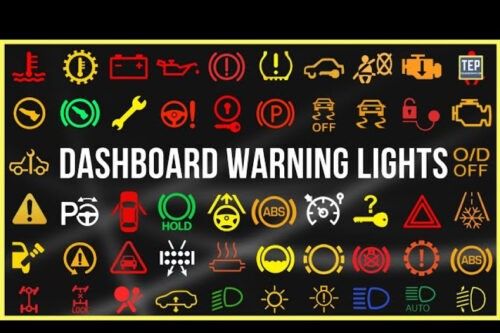
Common Warning Lights
Warning lights on your car’s dashboard alert you to important issues. They help you keep your car safe and working well.
Each light means something different. Knowing the common warning lights can save you time and money.
Check Engine Light
The check engine light comes on when the car’s computer finds a problem. It can mean many things, from small to serious.
Sometimes it is a loose gas cap, but other times it can be a bigger engine issue. Get the car checked soon.
Oil Pressure Warning
This light shows if your engine oil pressure is too low. Oil keeps the engine parts moving smoothly.
If this light turns on, stop the car and check the oil level. Low oil can cause engine damage.
Battery Alert
The battery alert light means the car’s battery is not charging properly. This can cause your car to stop running.
It may be a bad battery, alternator, or loose connection. Have your battery system tested soon.
Brake System Warning
The brake warning light can mean the brake fluid is low or there is a problem with the brake system. This is serious.
Check the brake fluid level and brake pads. Do not drive if the brakes feel weak or the light stays on.
Tire Pressure Indicator
This light shows when one or more tires have low air pressure. Proper tire pressure helps with safety and fuel economy.
Check your tire pressure with a gauge and fill tires to the recommended level. Fix any leaks right away.

Credit: americanimportsautorepair.com
Reasons Behind Warning Lights
Warning lights on your car’s dashboard alert you to problems. They help keep your vehicle safe and running well.
Understanding the reasons behind these lights can prevent damage and costly repairs. Let’s look at common causes.
Engine Issues
Engine warning lights often mean something is wrong under the hood. It could be a sensor problem or a serious engine fault.
- Faulty oxygen sensor
- Loose gas cap
- Engine misfire
- Overheating
- Low oil pressure
Fluid Levels
Cars need fluids like oil and coolant to work properly. Warning lights may show if any fluid is low or leaking.
| Fluid Type | Warning Light Color | Reason |
| Engine Oil | Red | Low oil level or pressure |
| Coolant | Blue or Red | Low coolant or overheating |
| Brake Fluid | Red | Low brake fluid level |
Electrical Problems
Electrical issues often trigger battery or alternator warning lights. These affect your car’s power system.
Warning signs include dim lights, dead battery, or trouble starting the engine.
Brake System Faults
Brake warning lights mean your brakes need attention. This can be due to worn pads or low brake fluid.
- Brake pedal feels soft or spongy
- Unusual noises when braking
- ABS light turns on
- Brake fluid leaks
Tire Pressure Drops
Tire pressure warning lights come on if a tire loses air. This can cause poor handling and lower fuel efficiency.
- Check tire pressure regularly
- Look for punctures or leaks
- Replace damaged tires quickly
Quick Fixes For Warning Lights
Warning lights on your car dashboard signal a problem. Some issues are simple to fix by yourself. Knowing quick fixes can save time and money.
This guide covers easy ways to handle common warning lights. Follow these tips to keep your car running safely.
Resetting The Check Engine Light
The check engine light may turn on for small issues. Sometimes, resetting it can help. You can reset it by disconnecting the car battery for a few minutes.
Another way is to use an OBD-II scanner. This tool reads and clears error codes from your car’s computer.
Topping Up Fluids
Low fluid levels cause many warning lights. Check fluids like engine oil, coolant, and brake fluid. Add more if levels are low to stop the warning light.
Use the correct fluid type for your car. Check the owner’s manual if unsure.
- Engine oil
- Coolant
- Brake fluid
- Windshield washer fluid
Jump-starting The Battery
A battery warning light may mean the battery is dead. Jump-starting can get your car running again. You need jumper cables and another car with a good battery.
Connect the cables in this order: positive to positive, then negative to negative. Start the working car first, then the dead one.
- Attach red cable to positive (+) battery terminal of dead car
- Attach other red cable end to positive (+) terminal of good battery
- Attach black cable to negative (-) terminal of good battery
- Attach other black cable end to metal ground on dead car
Checking And Replacing Brake Pads
The brake warning light may mean worn brake pads. Check the pads by looking through the wheels. Thin pads need replacement.
Replacing brake pads improves safety. If unsure, have a mechanic do the replacement.
- Look for brake pad thickness
- Listen for squealing sounds
- Replace pads if under 3 mm thick
Inflating Tires To Correct Pressure
Low tire pressure triggers a warning light. Check tire pressure with a gauge. Inflate tires to the recommended level found in your car manual or door sticker.
Proper tire pressure improves safety and fuel efficiency. Check pressures monthly for best results.
- Find recommended tire pressure
- Use a tire pressure gauge
- Add air if below recommended level
- Do not overinflate tires
When To Visit A Mechanic
Your car’s warning lights give important signs about its condition.
Knowing when to see a mechanic can keep you safe and avoid costly repairs.
Persistent Warning Lights
If a warning light stays on or keeps blinking, it means a problem needs attention.
Do not ignore warning lights like the check engine, oil pressure, or battery light.
Unusual Noises Or Smells
Strange sounds or odors coming from your car can signal mechanical trouble.
- Grinding or squealing brakes
- Hissing or knocking from the engine
- Burning smells inside or outside the car
- Exhaust fumes that smell stronger than normal
Performance Issues
Noticeable drops in power, rough idling, or stalling need a mechanic’s check.
| Symptom | Possible Cause |
| Car stalls while driving | Fuel system problem |
| Engine runs rough | Spark plug or sensor issue |
| Delayed acceleration | Air filter or fuel pump |
| Poor fuel economy | Engine tuning needed |
Safety-related Alerts
Warnings about airbags, ABS, or tire pressure must be checked immediately.
Signs you should not delay visiting a mechanic:
- Airbag warning light stays on
- ABS or brake system alerts
- Low tire pressure warning on dashboard
- Traction control or stability system alerts
Preventive Measures
Warning lights on your car’s dashboard signal potential problems. Taking preventive measures helps avoid costly repairs and keeps you safe.
Regular checks and maintenance can stop issues before they start. Here are key ways to prevent warning lights from turning on.
Regular Maintenance Schedule
Follow your car’s maintenance schedule strictly. This includes oil changes, filter replacements, and brake checks. Regular service keeps parts working well.
- Check and change engine oil every 5,000 miles or as recommended.
- Replace air filters to keep the engine clean.
- Inspect brake pads and fluid regularly.
- Schedule tune-ups to maintain engine performance.
Using Diagnostic Tools
Diagnostic tools help find problems early. These tools read error codes from your car’s computer. They show what needs fixing before lights appear.
Common tools include:
- OBD-II scanners that plug into your car.
- Mobile apps paired with Bluetooth devices.
- Professional diagnostic machines at auto shops.
Use these tools monthly or when you notice changes in performance.
Monitoring Fluid Levels
Low fluid levels often trigger warning lights. Check fluids like engine oil, coolant, brake, and transmission fluid. Keeping them full helps your car run smoothly.
| Fluid Type | Check Frequency | Signs of Low Level |
| Engine Oil | Monthly | Oil light on, engine noise |
| Coolant | Monthly | Overheating, temperature light |
| Brake Fluid | Every 3 months | Brake warning light, poor braking |
| Transmission Fluid | Every 6 months | Gear slipping, transmission light |
Inspecting Tires Regularly
Check tires for wear, pressure, and damage. Bad tires can cause warning lights related to tire pressure and safety systems.
- Use a tire pressure gauge to check pressure monthly.
- Look for cracks, cuts, or uneven wear.
- Rotate tires every 6,000 to 8,000 miles.
- Replace tires that have low tread depth.
Credit: www.zigwheels.my
Frequently Asked Questions
What Does A Warning Light On A Car Mean?
A warning light indicates a potential issue with your vehicle. It alerts you to check specific systems like engine, brakes, or oil. Ignoring these lights can cause serious damage or unsafe driving conditions.
How Should I Respond To A Warning Light On My Car?
When a warning light appears, safely pull over and check your owner’s manual. Identify the issue and determine if immediate service is needed. If unsure, have a professional inspect your vehicle promptly.
Can I Drive My Car With A Warning Light On?
It depends on the warning light type. Some lights warn of urgent issues requiring immediate attention. Others may indicate minor problems but still need timely repairs to avoid bigger damage.
Why Does My Car’s Warning Light Turn On Randomly?
Random warning lights can result from loose connections, faulty sensors, or software glitches. If this happens frequently, have your vehicle’s electrical system checked by a mechanic to avoid misdiagnosis.
Conclusion
A warning light on your car should never be ignored. It tells you that something needs attention. Acting quickly can prevent big problems and costly repairs. Always check your car’s manual to understand each light’s meaning. Regular maintenance helps keep these warnings away.
Stay alert, and keep your car safe and running well. Remember, a small issue today can become a big one tomorrow. Take care of your car, and it will take care of you.







