
Want your car to look brand new every time you step inside? Detailing your car the right way can make all the difference.
Whether you’re preparing for a special event or just want to enjoy that fresh, clean feeling daily, knowing the best tips on detailing a car will save you time and effort. You’ll discover simple, effective techniques that anyone can use.
Get ready to transform your ride and turn heads wherever you go! Keep reading—you won’t want to miss these easy tips that will make your car shine like never before.
Preparing Your Car For Detailing
Getting your car ready before detailing helps achieve the best results. Proper preparation saves time and avoids mistakes.
Here are key steps to prepare your car for a thorough detailing session.
Gathering Essential Supplies
Having the right tools and products ready makes the process smooth and efficient.
- Car wash soap and buckets
- Microfiber cloths and towels
- Clay bar and lubricant
- Polish and wax
- Vacuum cleaner and brushes
- Glass cleaner
- Tire cleaner and protectant
Choosing The Right Location
Pick a place with good shade and enough space to work around the car. Avoid direct sunlight to prevent spots and streaks.
| Location | Advantages |
| Garage | Protected from weather, controlled lighting |
| Shaded driveway | Natural light, fresh air, less heat |
| Carport | Good cover, easy access |
Inspecting For Damage
Look closely for scratches, dents, or paint chips. Note areas that need special attention or professional repair.
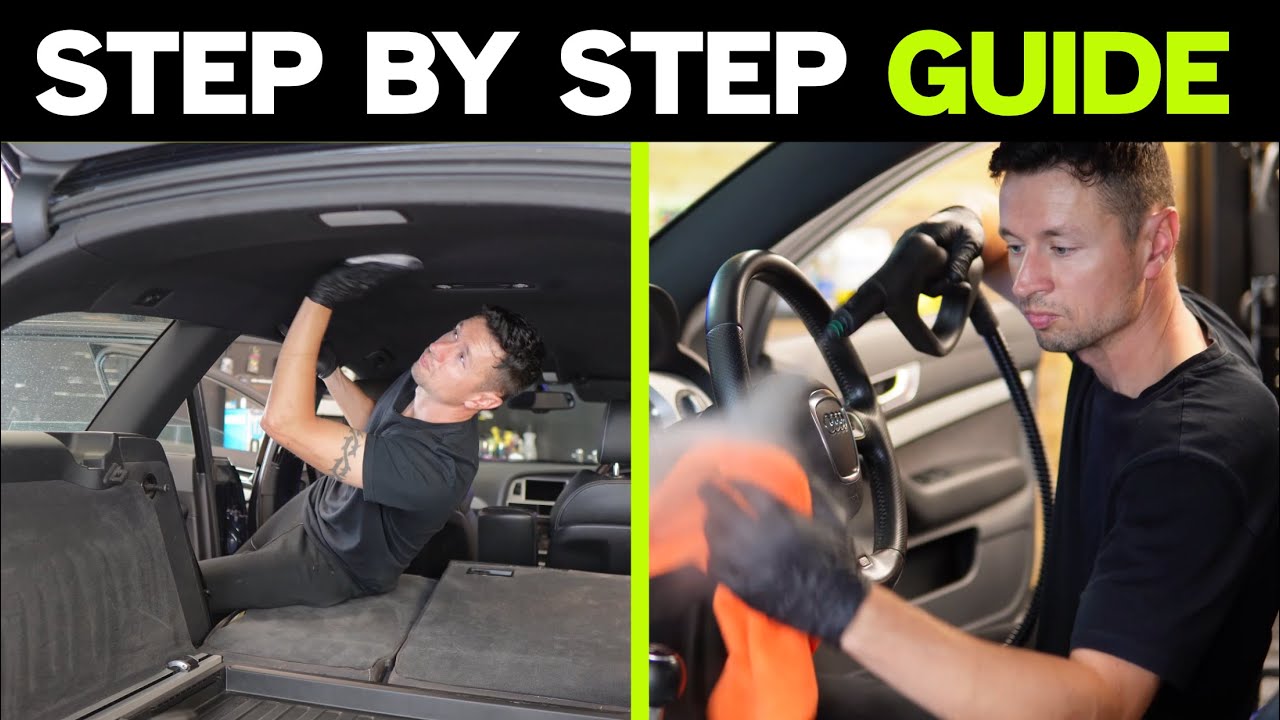
Use this checklist to inspect your car before detailing:
- Check all sides for scratches or dents
- Look at the windshield and windows for cracks
- Inspect tires for wear and damage
- Note any rust spots or paint peeling
Credit: www.youtube.com
Washing Techniques For A Deep Clean
Cleaning your car properly keeps it looking new and protects the paint. Using the right washing techniques can remove dirt without causing damage.
Focus on gentle but effective methods to get a deep clean. This guide covers soaps, washing methods, and wheel care for the best results.
Selecting Car-friendly Soaps
Choose soaps made specifically for cars. These soaps do not strip wax or damage the paint. Avoid household detergents because they can be too harsh.
- Use pH-balanced car wash soaps
- Pick soaps with lubricants to reduce scratches
- Avoid soaps with strong fragrances or dyes
- Choose biodegradable and eco-friendly options if possible
- Follow the soap manufacturer’s mixing instructions
Two-bucket Washing Method
This method helps prevent dirt from scratching the paint. Use one bucket for soapy water and another for rinsing your wash mitt.
- Fill one bucket with car soap and water
- Fill the second bucket with clean water for rinsing
- Dip your wash mitt in the soapy bucket and wash a section of the car
- Rinse the mitt in the clean water bucket before dipping it back in soap
- Repeat for all sections of the car
- Dry the car with a clean microfiber towel
Cleaning Wheels And Tires
Wheels and tires need special attention to remove brake dust and grime. Use a separate brush and cleaner made for wheels.
| Cleaning Tool | Purpose | Tip |
| Soft wheel brush | Clean wheel spokes and hard-to-reach spots | Use gentle pressure to avoid scratches |
| Tire brush | Scrub tire sidewalls and remove dirt | Use a stiff brush for tough grime |
| Wheel cleaner | Break down brake dust and road grime | Choose pH-neutral cleaner for alloy wheels |
| Water hose or pressure washer | Rinse off loosened dirt and cleaner | Use moderate pressure to avoid damage |
Claying For Smooth Surfaces
Claying a car is an important step in detailing. It removes contaminants and makes the surface smooth. This process helps in achieving a clean and shiny car finish.
Clay bars are used to pick up dirt particles that regular washing can’t remove. They are key in maintaining a car’s appearance.
When To Use Clay Bars
Clay bars should be used when the car feels rough. Run your hand over the surface. If it is not smooth, it’s time to clay.
Use clay bars before applying polish or wax. This ensures that the surface is clean and ready for the next steps.
Proper Clay Bar Technique
Start by washing and drying the car. Then, spray a clay lubricant on a small area. Glide the clay bar gently over the surface.
Fold and knead the clay bar to expose a clean area. This helps in picking up more dirt and keeps the process effective.
- Always use a lubricant
- Work in small sections
- Keep the clay clean by folding it
Avoiding Surface Damage
Avoid using dry clay on the car. It can scratch the surface. Always use a lubricant to keep the clay moving smoothly.
Do not apply too much pressure. Let the clay do the work. Gentle movements ensure that the paint remains intact.
- Use the correct amount of pressure
- Keep the surface lubricated
- Check for clean surfaces often
Polishing To Remove Imperfections
Polishing is a key step in car detailing. It helps remove small scratches and marks on the paint.
Using the right polish and technique can make your car look smooth and shiny again.
Choosing The Right Polish
Different polishes work best for different paint problems. Some are gentle, while others are stronger.
Pick a polish based on how deep the scratches or marks are on your car’s paint.
- Use light polish for small swirls and minor imperfections.
- Use medium polish for moderate scratches and dull areas.
- Use heavy polish only for deep scratches or severe damage.
Hand Vs. Machine Polishing
Hand polishing is slow but gives you control. It is best for small areas or delicate paint.
Machine polishing is faster and removes imperfections better. It works well on large surfaces.
- Hand polishing uses soft cloths or pads.
- Machine polishing uses a rotary or dual-action polisher.
- Always use a clean pad to avoid adding scratches.
Dealing With Swirl Marks
Swirl marks look like small circles on the paint. They happen from washing or drying the car incorrectly.
Use a fine polish and a soft pad to gently remove swirl marks without damaging the paint.
- Work in small sections for best results.
- Use light pressure and slow movements.
- Check progress often to avoid over-polishing.
Waxing For Long-lasting Shine
Waxing your car protects the paint and keeps it shining for a long time. It adds a layer that guards against dirt and weather.
Regular waxing improves the car’s look and helps maintain its value. Learn the best ways to choose and apply wax.
Types Of Wax Explained
There are different wax types. Each one works best for certain needs and conditions.
- Carnauba Wax:Natural and gives a deep shine. It lasts a few weeks.
- Synthetic Wax:Man-made and lasts longer, up to a few months.
- Liquid Wax:Easy to apply and dries fast. Good for quick jobs.
- Paste Wax:Thick and takes more time. It gives a durable finish.
Applying Wax Correctly
Clean your car first. Dirt can scratch the paint if you wax over it. Dry the car completely before waxing.
Apply wax in small sections. Use a soft applicator pad and spread the wax evenly in a circular motion.
- Work under shade to avoid quick drying.
- Let wax dry until it looks hazy.
- Buff off wax with a clean microfiber cloth.
- Use gentle pressure while buffing.
Maintaining The Wax Finish
Wash your car regularly with a gentle soap. Avoid harsh chemicals that can remove wax.
Use a quick detailer spray to refresh the wax between full applications. Park in shade to protect the wax.
- Dry the car after washing to prevent water spots.
- Wax every 2-3 months for best protection.
- Fix scratches quickly to avoid damage under the wax.
Detailing The Interior
Cleaning your car’s interior keeps it looking new and fresh. A well-detailed interior improves your driving experience.
Follow these simple tips to make your car’s interior shine like new.
Vacuuming And Carpet Care
Start by vacuuming the floor mats and carpets. This removes dirt and debris effectively.
- Use a vacuum with a hose attachment for corners.
- Remove floor mats and clean them separately.
- For tough stains, use a carpet cleaner spray.
Cleaning Upholstery And Leather
Upholstery and leather require special care to maintain their look. Use the right products for the material.
For leather seats, apply a conditioner to prevent cracking. Cloth seats benefit from fabric cleaner to remove stains.
Dashboard And Console Detailing
The dashboard and console accumulate dust and fingerprints. Clean them regularly to keep the interior neat.
| Area | Cleaning Product |
| Dashboard | Microfiber cloth and dashboard cleaner |
| Console | Soft brush and interior cleaner |
| Air vents | Compressed air can |
Glass And Trim Care
Keeping your car’s glass and trim clean helps maintain its look. Proper care improves visibility and protects surfaces.
Using the right products and techniques makes cleaning easier. It also prevents damage over time.
Streak-free Window Cleaning
Clean windows improve safety and the car’s appearance. Use a glass cleaner made for cars.
Wipe with a microfiber cloth for best results. Avoid cleaning in direct sunlight to prevent streaks.
- Spray cleaner evenly on the glass
- Use a clean microfiber cloth to wipe
- Use circular motions to remove dirt
- Dry with a separate cloth for a clear finish
Restoring Plastic And Rubber Trim
Plastic and rubber trims fade from sun exposure. Restoring them keeps your car looking fresh.
Clean the trim with soap and water first. Then apply a trim restorer or protectant to bring back color.
- Wash trim gently to remove dirt
- Dry the surface completely
- Apply trim restorer with a sponge or cloth
- Let it sit for a few minutes
- Buff excess product off with a clean cloth
Protecting Chrome And Metal Surfaces
Chrome and metal parts add shine to your car. Protect them to avoid rust and dullness.
Use a metal polish made for cars. Apply it carefully and remove residue for a bright finish.
- Clean metal surfaces with soap and water
- Dry completely before polishing
- Apply metal polish with a soft cloth
- Rub gently in circular motions
- Remove polish with a clean cloth

Credit: www.youtube.com
Final Touches For A Showroom Look
Detailing a car is about more than cleaning. The final touches make it shine like new.
Focus on small areas that stand out. These give your car a perfect, polished look.
Tire Dressing Application
Applying tire dressing brings a deep black shine to your tires. It also protects them from cracking and fading.
- Clean tires thoroughly before applying dressing.
- Use a foam applicator for even coverage.
- Apply a thin layer to avoid sling onto the car body.
- Let the dressing dry for at least 10 minutes.
- Wipe off excess to prevent dirt attraction.
Engine Bay Cleaning Tips
Cleaning the engine bay improves the car’s look and helps spot leaks early. Always protect sensitive parts before washing.
| Step | Action | Tip |
|---|---|---|
| 1 | Cover electrical components with plastic bags | Prevent water damage |
| 2 | Spray degreaser on dirty areas | Let sit for 5 minutes |
| 3 | Use soft brush to scrub grime | Avoid harsh scrubbing |
| 4 | Rinse lightly with water | Use a gentle spray |
| 5 | Dry engine bay with microfiber cloth | Remove all moisture |
Regular Maintenance Routines
Keeping your car clean regularly saves time and effort. It keeps the car looking fresh for longer.
- Wash the car body to remove dirt and dust
- Clean windows inside and out for clear visibility
- Vacuum the interior to remove crumbs and dust
- Check tire pressure and clean tires
- Wipe dashboard and door panels to avoid dust buildup
Credit: www.cardekho.com
Frequently Asked Questions
What Are The Essential Steps For Detailing A Car?
Start by washing the car thoroughly to remove dirt. Next, clay bar the surface for smoothness. Polish to eliminate minor scratches. Finish with waxing to protect the paint and add shine. Clean the interior, including vacuuming and wiping surfaces.
How Often Should I Detail My Car?
Detailing your car every 4 to 6 months is ideal. This frequency maintains the paint’s condition and interior cleanliness. Regular detailing helps prevent dirt buildup and damage. It also preserves the vehicle’s resale value.
Can I Detail My Car At Home Or Need Professionals?
You can detail your car at home with proper tools. However, professionals offer advanced cleaning and polishing techniques. DIY detailing saves money but requires time and effort. Professional services ensure a deeper clean and longer-lasting results.
What Products Are Best For Car Detailing?
Use pH-balanced car shampoo for washing. Clay bars remove contaminants effectively. For polishing, choose a quality car polish or compound. Apply a durable car wax or sealant for protection. Use microfiber towels to avoid scratches during cleaning.
Conclusion
Detailing a car takes time and care. Clean every part with the right tools. Use gentle motions to avoid scratches. Protect your car’s paint with wax or sealant. Regular cleaning keeps the car looking fresh. Small steps make a big difference in shine.
Keep your car neat inside and outside. Enjoy the pride of a well-maintained vehicle. Simple habits help your car stay new longer. Try these tips for a cleaner, brighter car.







