
Keeping medicines in your car might seem convenient, especially during busy days or unexpected emergencies. But did you know that improper storage can make your medicines less effective or even unsafe?
You want to make sure your health is protected every time you reach for that pill or ointment inside your vehicle. You’ll discover simple and practical tips to store your medicines safely in your car. Read on to learn how to keep your medicines fresh, effective, and ready when you need them most.
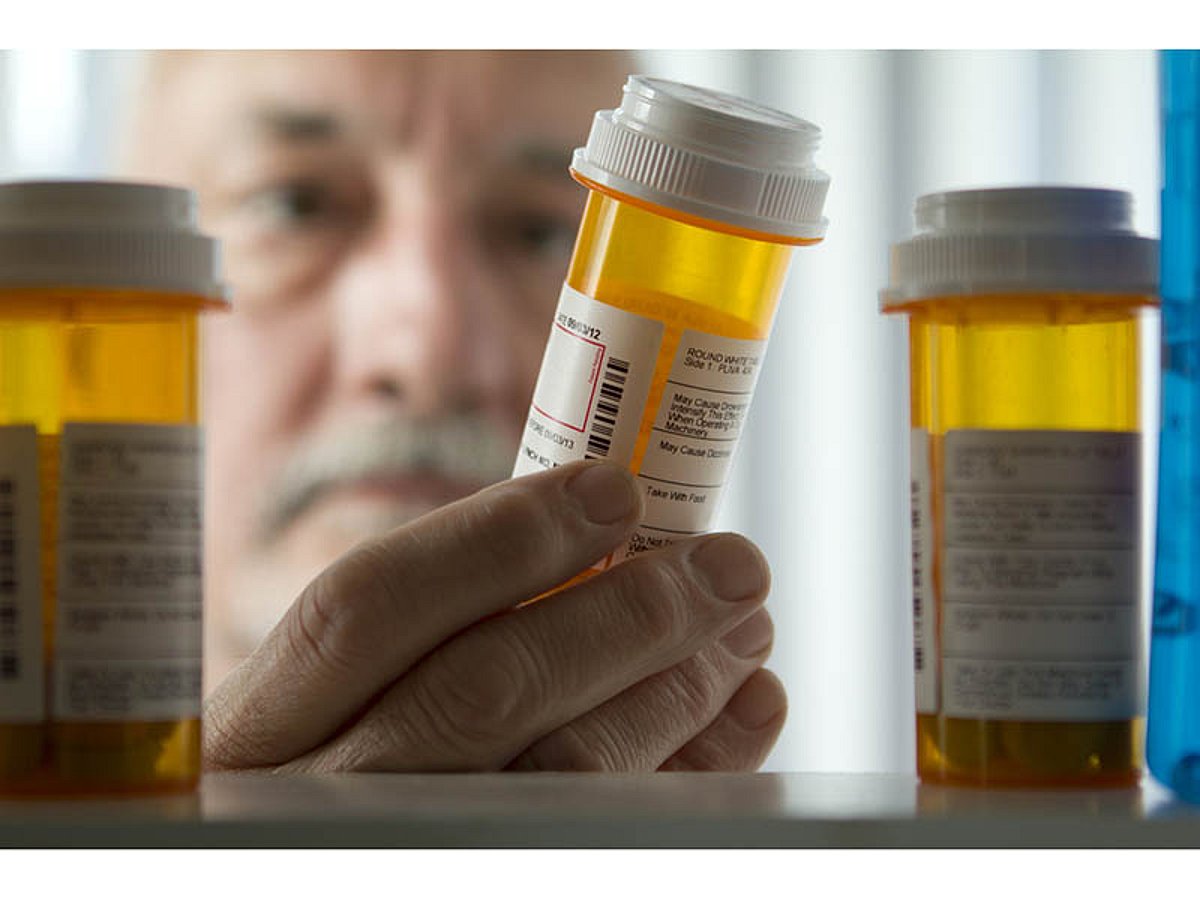
Credit: www.healthday.com
Choosing The Right Storage Spot
Storing medicines in your car needs care. The right spot can keep them safe and effective.
Picking a good place protects medicines from damage caused by heat, moisture, or sunlight.
Avoiding Heat And Sunlight
Heat and sunlight can make medicines lose strength. Cars can get very hot, especially in the sun.
Keep medicines away from windows and places that get direct sunlight. Avoid leaving them on seats or dashboards.
- Store medicines in shaded areas
- Keep them out of direct sunlight
- Do not leave medicines on car seats or dashboard
Keeping Away From Moisture
Moisture can spoil medicines. Cars can get damp, especially near windows and door seals.
Choose dry spots inside the car. Avoid places like glove compartments that might hold moisture after rain.
- Use airtight containers for medicines
- Store medicines in dry areas
- Check for leaks or dampness in storage spots
Safe Compartments In The Car
Pick compartments that stay cool and dry. Some car spots are better than others for storing medicines.
Good places include the center console or a closed glove box. These spots protect medicines from heat and moisture.
- Center console with a cover
- Closed glove compartment
- Small storage boxes placed under seats

Credit: www.amazon.com
Using Proper Containers
Storing medicines in your car requires the right containers. Proper containers keep medicines safe and effective.
Choosing the best container protects medicines from heat, moisture, and dirt inside the car.
Sealed And Airtight Options
Use containers that seal tightly to keep air and moisture out. This helps stop medicines from spoiling.
Look for containers with strong lids or zip-lock bags to keep everything secure and dry.
- Plastic containers with snap lids
- Glass jars with rubber seals
- Resealable plastic bags
Cool Packs And Insulated Bags
Medicines can lose their power if they get too hot. Cool packs help keep medicines at the right temperature.
Use insulated bags or small coolers with ice packs. These keep medicines cool during hot days.
- Reusable gel ice packs
- Small insulated lunch bags
- Portable coolers with temperature control
Organizers For Easy Access
Organizers help keep medicines neat and easy to find. They stop items from moving around while driving.
Use pill boxes or small containers with compartments. Label each section to find medicines quickly.
- Weekly pill organizers
- Small plastic storage boxes
- Car-specific storage compartments
Temperature Control Tips
Storing medicines in a car needs careful temperature control. Heat and cold can change how well medicines work.
Keeping medicines at the right temperature helps keep them safe and effective.
Monitoring Car Interior Temperature
Check the inside temperature of your car often. Temperatures can rise quickly, especially in summer.
Use a thermometer made for cars to watch the temperature. This helps you know when it is too hot or cold for your medicines.
- Place a digital thermometer inside the car
- Check temperature before leaving medicines inside
- Keep an eye on temperature changes during the day
Using Portable Cooling Devices
Portable coolers can keep medicines at a safe temperature. They are useful when you travel or park in the sun.
Choose coolers that do not freeze medicines but keep them cool. Ice packs are good if you wrap them to avoid direct contact.
- Use battery-operated or plug-in coolers
- Keep medicines inside insulated bags
- Wrap ice packs in cloth to prevent freezing
- Check cooler temperature regularly
When To Remove Medicines From The Car
Take medicines out of the car if the temperature is too high or too low. Medicines may lose strength if stored in bad conditions.
Remove medicines especially on hot summer days or very cold winter nights. Bring them inside as soon as you can.
- If car temperature goes above 77°F (25°C), remove medicines
- Do not leave medicines overnight in the car
- Check medicine labels for storage instructions
- Bring medicines inside during extreme weather
Medication Safety Precautions
Storing medicines in your car needs careful attention. Heat, moisture, and movement can affect medicine safety.
Follow simple tips to keep your medicines effective and safe while in the car.
Checking Expiry Dates Regularly
Always check medicine expiry dates before storing them in your car. Expired medicines may lose strength or cause harm.
Remove any medicines that are past their expiry date. Keep a note of when you last checked the dates.
Avoiding Cross-contamination
Keep medicines separate to avoid mixing and contamination. Use sealed containers or bags for each type of medicine.
- Store pills in original packaging
- Use plastic containers with lids
- Keep liquid medicines upright and sealed
- Do not mix different medicines in one container
- Wipe any spills immediately
Childproofing Medicine Storage
Keep medicines out of reach of children. Use childproof containers and secure storage areas in your car.
| Tip | Reason |
| Use child-resistant caps | Prevents accidental opening |
| Store medicines in locked glove box | Limits child access |
| Place medicines in high or hidden spots | Reduces chance of finding by children |
| Check storage area regularly | Ensures safety measures are intact |
Emergency Preparedness
Keeping medicines in your car helps during emergencies. It ensures you have what you need anytime.
Storing medicines properly protects them from damage and keeps them effective.
Keeping Essential Medicines Handy
Always keep essential medicines within easy reach in your car. This helps you access them quickly.
Store items like pain relievers, allergy medicine, and basic first aid supplies in a clear container.
- Place the container in the glove box or center console
- Check the medicines regularly for expiration dates
- Keep medicines in original packaging to avoid confusion
Creating A Medicine Travel Kit
Make a small travel kit with medicines you may need on the road. This helps during long trips.
Include items like bandages, antiseptic wipes, and any personal prescriptions.
- Use a sturdy, waterproof container
- Label the kit clearly for quick identification
- Update the kit before each trip
Storing Prescription And Otc Drugs
Keep prescription and over-the-counter drugs safe from heat and moisture in your car.
Use insulated bags or coolers to protect medicines during hot weather.
- Never leave medicines in direct sunlight
- Store medicines in sealed containers to avoid spills
- Check the temperature guidelines on medicine labels
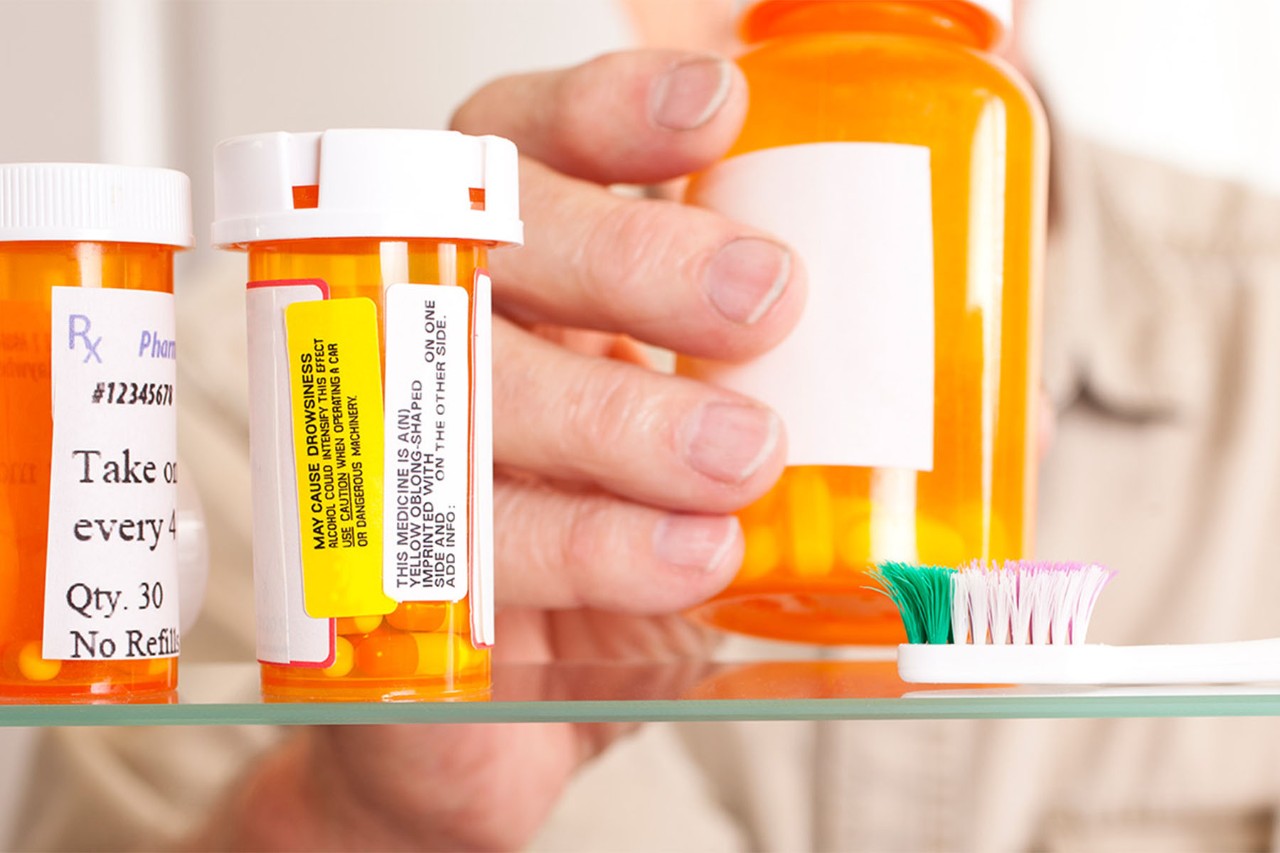
Credit: www.teladochealth.com
Frequently Asked Questions
How Should Medicines Be Stored In A Car Safely?
Store medicines in a cool, dry place away from direct sunlight. Avoid glove compartments or dashboards, as heat can degrade medication. Use insulated bags or coolers for temperature-sensitive drugs. Regularly check expiration dates and replace medicines as needed to ensure effectiveness and safety.
Can Heat Damage Medicines Stored In A Car?
Yes, heat can reduce medicine potency and effectiveness. High temperatures cause chemical changes that degrade active ingredients. Always keep medicines away from hot areas inside the car. Use temperature-controlled storage options to protect your medications from heat damage.
What Medicines Should Not Be Kept In A Car?
Avoid storing insulin, eye drops, and liquid antibiotics in a car. These require stable, cool temperatures to remain effective. Heat and temperature fluctuations can ruin these sensitive medicines. Always carry such medicines with you or store them in proper cool conditions.
How Often Should I Check Medicines Stored In My Car?
Check your car-stored medicines at least once a month. Inspect expiration dates, packaging integrity, and storage conditions. Replace any expired or damaged medications immediately. Regular checks ensure your medicines remain safe and effective for use during emergencies.
Conclusion
Storing medicines safely in your car protects their quality and your health. Keep them away from heat and sunlight. Use cool, dry places like glove compartments or insulated bags. Check expiration dates often and replace old medicines. Secure containers to avoid spills or damage.
These small steps help medicines stay effective and ready when needed. Always handle medicines with care inside your vehicle. Simple habits make a big difference in safety. Stay mindful and keep your medicines safe on every trip.







