
Changing a tire can be stressful, especially when you’re stuck on the side of the road. But your safety should always come first.
Knowing the right tips for staying safe while changing tires can protect you from accidents and help you get back on the road faster. You’ll discover simple, practical steps that keep you out of harm’s way. Keep reading to learn how to turn a tricky situation into a safe, smooth experience.
Credit: x.com
Prepare Before You Start
Changing a tire can be simple if you prepare well. Getting ready helps you stay safe and finish the job faster.
Before you start, plan your steps. This guide will help you prepare the right way.
Choose A Safe Location
Pick a flat place away from traffic to change your tire. Avoid hills or soft ground that can make the car move.
Turn on your hazard lights to warn other drivers. If possible, use a parking brake to stop the car from rolling.
Gather Necessary Tools
Have all your tools ready before you start. This saves time and keeps you safe during the process.
- Spare tire in good condition
- Car jack to lift the vehicle
- Lug wrench to remove the wheel nuts
- Wheel chocks to block the wheels
- Owner’s manual for specific instructions
Wear Protective Gear
Wear gloves to protect your hands from dirt and sharp edges. Use closed-toe shoes to guard your feet.
Bright or reflective clothing helps others see you. This is important if you change a tire near a road.

Credit: x.com
Secure Your Vehicle
Changing a tire can be dangerous if your vehicle is not secure. Always take steps to keep your car stable. This helps prevent accidents while you work.
Securing your vehicle is the first step to stay safe. Follow these tips to protect yourself and your car.
Engage Parking Brake
Always set the parking brake before you start changing a tire. This stops your vehicle from rolling. It keeps your car steady on flat or uneven ground.
Make sure the parking brake is fully engaged. Check by gently rocking the car to see if it moves.
Use Wheel Chocks
Place wheel chocks on the wheels that stay on the ground. This blocks the tires and stops the car from moving. Use strong blocks made for this purpose.
- Put chocks in front of and behind the wheels opposite the flat tire.
- Check that chocks fit tightly against the tires.
- Wheel chocks are extra protection, especially on slopes.
Turn On Hazard Lights
Switch on your hazard lights before changing the tire. This warns other drivers that your vehicle is stopped. It helps keep you safe from passing traffic.
Keep the hazard lights on until you finish and move your car. This increases your visibility, especially at night or in bad weather.
Lift Your Car Safely
Changing a tire can be risky if you do not lift your car safely. Knowing how to use the jack properly helps prevent accidents.
Follow these tips to make sure your vehicle stays steady while you work on it.
Locate The Jack Points
Find the solid spots under your car where the jack fits best. These spots hold the car’s weight safely.
- Check your car manual for jack point locations.
- Look for notches or reinforced areas near the wheels.
- Avoid placing the jack on soft or rusty parts.
- Do not use the car’s body panels to lift.
Position The Jack Correctly
Place the jack under the jack point so it sits firmly and straight. This keeps the car balanced as you lift.
| Jack Type | Correct Position |
| Scissor Jack | Under the frame’s flat spot near the tire |
| Hydraulic Jack | Directly below the marked jack point on the chassis |
| Floor Jack | Flat surface under the reinforced area |
Raise The Vehicle Steadily
Lift the car slowly and watch the jack’s contact with the vehicle. Stop if the car shifts or feels unstable.
- Lift the car in small, even turns.
- Keep your hands and feet clear of the jack.
- Place wheel chocks on the opposite tires to stop movement.
- Never work under a car supported only by a jack.
Remove And Replace The Tire
Changing a tire is a useful skill for every driver. Knowing how to remove and replace a tire safely can save time and prevent accidents.
This guide covers the key steps to loosen lug nuts, remove a flat tire, and mount a spare tire correctly.
Loosen Lug Nuts Properly
Before lifting the car, loosen the lug nuts slightly. This prevents the wheel from spinning while you work.
- Use a lug wrench that fits the nuts well.
- Turn the wrench counterclockwise to loosen each nut.
- Loosen nuts just enough to turn by hand, do not remove them yet.
- Loosen nuts in a star pattern to keep pressure even.
Remove The Flat Tire
After loosening the lug nuts, raise the car with a jack. Make sure the car is stable before removing the tire.
| Action | Tip |
|---|---|
| Raise the car | Place the jack under the car’s frame at the correct point. |
| Remove lug nuts | Take off all loosened lug nuts and keep them in a safe place. |
| Pull off flat tire | Grip the tire firmly and pull it straight off the hub. |
Mount The Spare Tire
Place the spare tire on the hub and align the holes with the bolts. Push it gently until it fits snugly.
- Put lug nuts back on by hand first to avoid cross-threading.
- Tighten lug nuts in a star pattern with the wrench.
- Lower the car slowly and remove the jack.
- Fully tighten lug nuts with the wrench once the car is on the ground.
Tighten Lug Nuts Correctly
Changing a tire is an essential skill for every driver. Tightening lug nuts correctly ensures your safety on the road. Improper tightening can lead to accidents.
Learn to tighten lug nuts properly with these simple tips. It helps keep your wheels secure.
Use The Right Pattern
When tightening lug nuts, use the correct pattern. The most common pattern is the star or crisscross pattern.
This pattern distributes pressure evenly across the wheel. It prevents warping and ensures a secure fit.
- Tighten one nut, then move to the opposite one
- Continue this crisscross pattern until all are tight
Apply Even Pressure
Applying even pressure when tightening is crucial. Use a wrench or torque wrench for consistency.
Even pressure ensures all nuts are secure. It helps avoid over-tightening which can damage the wheel.
- Start with a firm grip on the wrench
- Turn each nut with steady force
Double-check Tightness
Always double-check the tightness of your lug nuts. This step is vital for your safety.
After the initial tightening, go over each nut again. Ensure they are all equally tight.
- Revisit each lug nut in the crisscross pattern
- Give each nut a final turn to ensure tightness

Credit: www.66automall.com
Lower The Vehicle And Final Checks
Changing a tire safely requires careful steps. Lowering the car and performing final checks ensures everything is secure.
Follow these simple tips to make sure your tire change is successful and safe.
Slowly Lower The Car
After securing the new tire, you need to lower the car. Do this slowly to ensure everything remains in place.
- Turn the jack handle counterclockwise to begin lowering.
- Ensure the car descends evenly to the ground.
- Keep an eye on the tire to confirm it is not wobbling.
Remove The Jack
Once the car is safely on the ground, remove the jack. This step is crucial to avoid any accidents.
Make sure the jack is completely disengaged from the car before storing it.
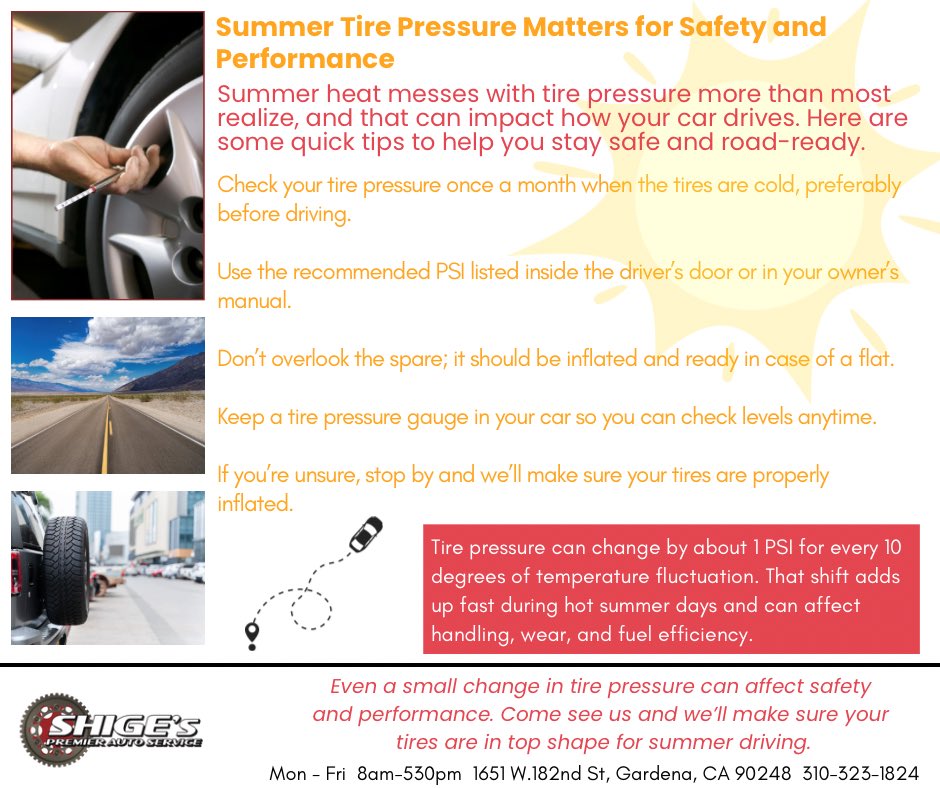
Inspect Tire Pressure
Inspecting the tire pressure is vital for safety. Proper inflation ensures better control and longer tire life.
| Recommended PSI | 30-35 |
| Check Frequency | Monthly |
| Tools Needed | Tire Gauge |
Additional Safety Hacks
Changing a tire can be risky if you do not take the right safety steps. Knowing extra hacks can keep you safe and calm.
These tips help you prepare and act smartly when you face a flat tire on the road.
Keep Emergency Kit Handy
Always keep an emergency kit in your car. It helps you handle tire troubles without stress.
- Spare tire and jack
- Flashlight with extra batteries
- Reflective warning triangles or flares
- Gloves and a rain poncho
- Basic tool set and tire pressure gauge
Avoid Changing Tires On Busy Roads
Do not stop on busy roads if you can avoid it. Find a safe, flat spot away from traffic.
| Location | Risk Level | Safety Tips |
|---|---|---|
| Highway shoulder | High | Use warning triangles, stay far from traffic |
| Parking lot | Low | Park far from other cars, use hazard lights |
| Side street | Medium | Turn on hazard lights, stay alert |
Seek Help When Needed
Do not try to change a tire if you feel unsafe or unsure. Ask for help from others nearby or call roadside assistance.
- Call a friend or family member
- Use your phone to contact emergency services
- Wait inside your car with doors locked if traffic is heavy
- Look for a nearby gas station or service center
Frequently Asked Questions
How Do I Safely Change A Tire On The Roadside?
Park on a flat surface and turn on hazard lights. Use wheel wedges and a sturdy jack. Loosen lug nuts before lifting the car. Always follow the vehicle’s manual instructions to avoid accidents.
What Tools Are Essential For Safe Tire Changing?
A spare tire, jack, lug wrench, and wheel wedges are essential. Reflective triangles and gloves improve safety and visibility. Keep these tools in your car for emergencies.
How Can I Prevent Accidents While Changing A Tire?
Stay visible by using hazard lights and reflective gear. Avoid traffic areas and work on stable ground. Always follow safety steps and never rush the process.
When Should I Call Roadside Assistance Instead Of Changing Tires?
Call assistance if you feel unsafe, lack tools, or the tire is severely damaged. Also, if the terrain is unstable or traffic is heavy, professional help is safer.
Conclusion
Changing a tire can feel tricky but staying safe is simple. Always park on flat ground and use your hazard lights. Keep the wheel wedges and jack placed firmly. Tighten the lug nuts in a star pattern for balance. Take your time and don’t rush the steps.
Carry a safety kit and know your car’s manual. These small actions help protect you on the road. Stay calm, be prepared, and keep safety first every time. Safe tire changes make every drive better and worry-free.







