
Traveling with kids can be a challenge, especially when it comes to getting them to sleep comfortably in the car. You want your child to rest safely and soundly, so you both arrive relaxed and ready for the day ahead.
But finding the right sleeping position isn’t always easy. You’ll discover simple tips that can make a big difference in your child’s comfort and safety during car rides. Keep reading to learn how small changes can help your little one sleep better on the road—and make your trips smoother for everyone.
Credit: www.todaysparent.com
Choosing Safe Positions
Keeping kids safe in cars starts with choosing the right sleeping position. Proper positions help protect children during travel.
Parents should know the best seat types and positions for different ages and sizes. This guide helps you pick safe options.
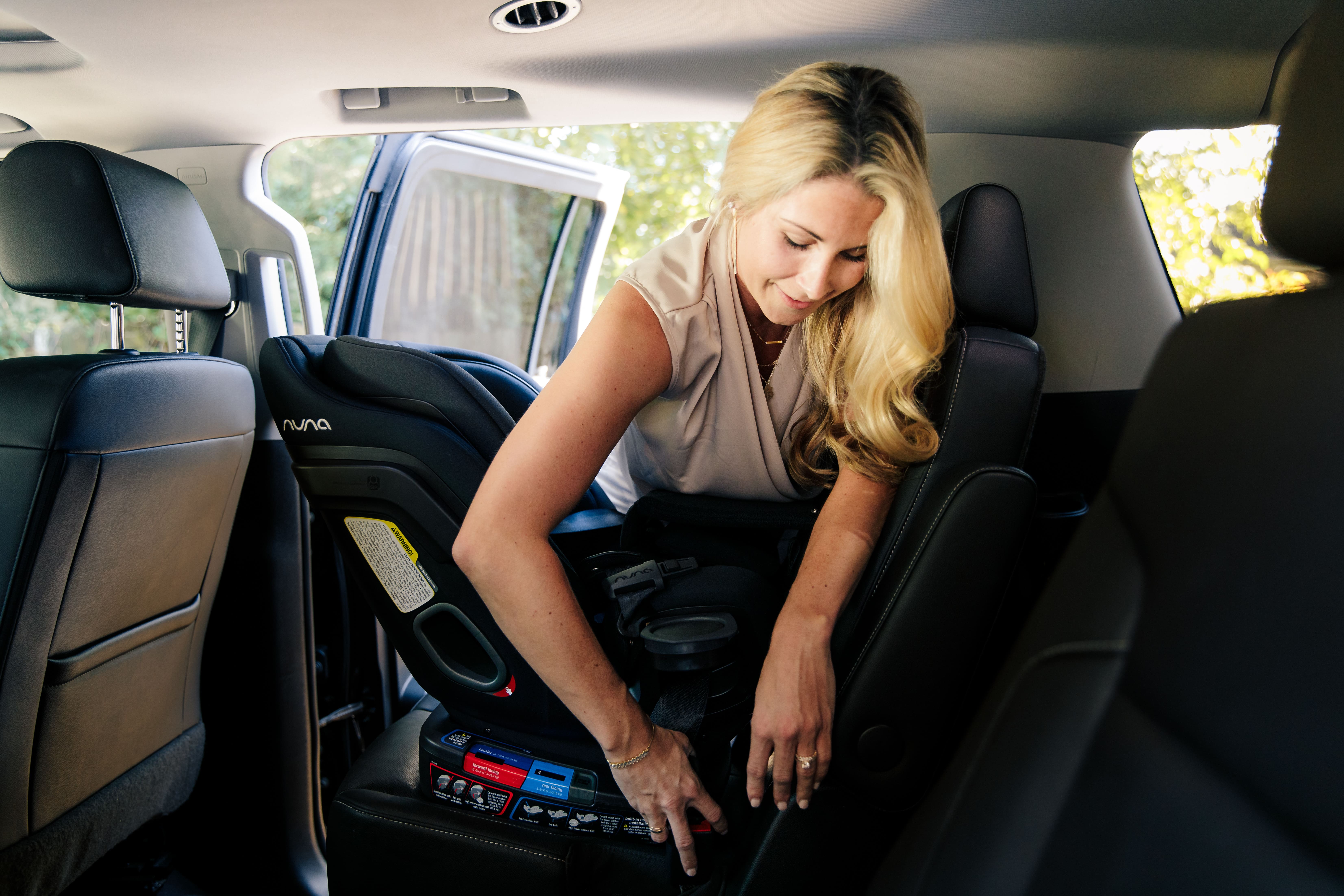
Rear-facing Seats
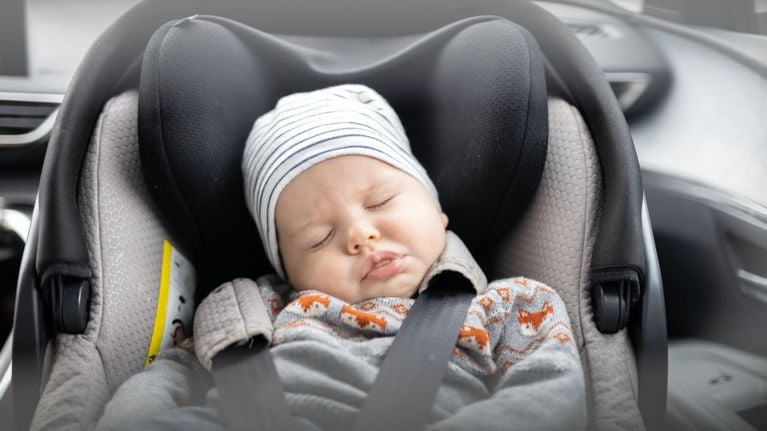
Rear-facing seats are safest for babies and toddlers. They protect the head and neck during sudden stops.
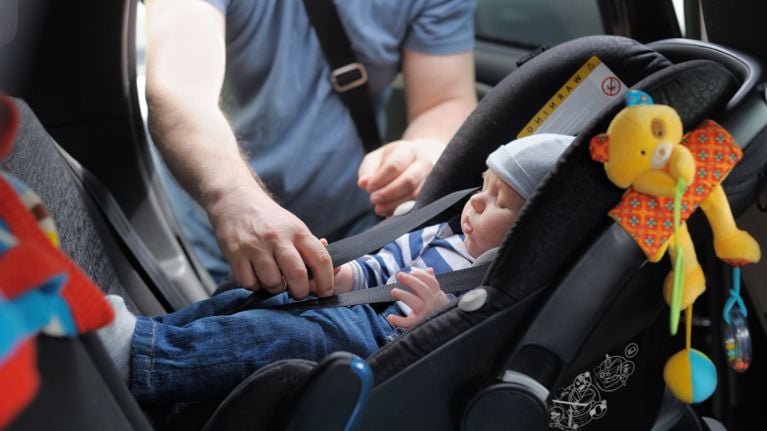
Make sure the child is snug and the straps are secure. The seat should recline properly to support the head.
- Use rear-facing seats until at least age 2 or weight limit
- Adjust the angle to keep the head from falling forward
- Check the car seat manual for correct installation
Forward-facing Seats
Forward-facing seats fit older toddlers and preschoolers. They must have a harness to keep kids secure.
Ensure the child sits upright and the harness fits snugly. Avoid loose straps that let the child slump.
- Use forward-facing seats after outgrowing rear-facing limits
- Keep harness straps at or above shoulder level
- Secure the seat tightly to the car
Booster Seats
Booster seats help bigger kids use the car’s seat belt correctly. They raise the child so the belt fits well.
Make sure the seat belt lies across the chest and hips, not the neck or stomach. The child should sit straight.
- Use booster seats after forward-facing seat limits are reached
- Check that the seat belt fits snugly on shoulder and hips
- Teach kids to sit still without leaning or slouching
Credit: www.safeintheseat.com
Maximizing Comfort
Keeping kids comfortable in cars helps them relax and rest well. Good sleeping positions reduce strain and fussiness.
Use simple tips to support your child’s head, neck, and posture. These tips make car rides safer and calmer.
Proper Head Support
Support your child’s head to stop it from falling forward or sideways. This keeps the neck safe and muscles relaxed.
Adjust the car seat headrest to fit your child’s height. Make sure it holds the head gently in place.
- Use car seats with good side padding.
- Check the headrest height before every trip.
- Keep the headrest close but not tight.
- Avoid hard surfaces that press on the head.
Using Neck Pillows
Neck pillows keep your child’s neck straight and comfy. They stop the head from dropping during sleep.
| Type of Neck Pillow | Best Use | Material |
| U-Shaped Pillow | Short naps and long trips | Soft memory foam |
| Wrap-Around Pillow | Extra side support | Plush fabric |
| Inflatable Pillow | Easy to carry and clean | Plastic with fabric cover |
Maintaining Good Posture
Good posture keeps the back and neck healthy. It helps kids breathe well and stay comfortable.
- Adjust the car seat recline to a slight tilt.
- Make sure the seat belt fits snugly across chest and hips.
- Encourage kids to sit back fully in the seat.
- Use cushions if the seat is too big for the child.
- Take breaks on long trips to stretch and move.
Adjusting Seatbelts
Keeping kids safe in cars means adjusting seatbelts properly. The right fit helps protect them during travel.
Seatbelts that fit well also make kids more comfortable while they sleep on car rides.
Correct Strap Placement
Seatbelt straps must lie across the child’s body correctly. The shoulder strap should go over the shoulder.
The lap belt should rest low on the hips, not on the stomach. This placement helps avoid injury.
- Shoulder strap across the middle of the chest
- Lap belt snug on the upper thighs
- No straps under the arm or behind the back
Avoiding Twists And Slack
Twisted or loose seatbelts reduce their safety. Always check that straps lay flat and are tight enough.
A tight seatbelt keeps the child secure but should not be uncomfortable. Adjust the belt to remove slack.
- Run your hand along the straps to feel for twists
- Tighten the belt until it fits snugly
- Make sure the child can move but not slip out
Adjusting For Growth
Children grow quickly, so seatbelt adjustments are needed often. A belt that fit yesterday may be loose today.
Check the seatbelt fit at every trip. Adjust straps to keep the belt in the right place as your child grows.
- Raise or lower shoulder straps as needed
- Ensure lap belt stays low on the hips
- Replace booster seats if the child outgrows them
Managing Temperature
Keeping kids comfortable in the car means managing the temperature well. Too hot or too cold can make trips hard for children.
Simple steps help keep your child cozy and safe during travel.
Layering Clothes
Dress your child in thin layers. This lets you add or remove clothes easily. Layers trap heat and keep them warm without overheating.
- Use cotton shirts as a base
- Add a light sweater or fleece
- Include a jacket for cold weather
- Remove layers if the child feels hot
Using Window Shades
Window shades protect kids from direct sunlight. They help keep the car cooler and prevent sunburn.
| Type of Shade | Benefits |
|---|---|
| Static Cling Shades | Easy to install and remove, blocks sunlight |
| Roll-up Shades | Adjustable coverage, durable |
| Magnetic Shades | Quick to attach, fits most windows |
Keeping Air Circulation
Good air flow keeps the car fresh and stops stuffiness. It helps keep your child cool and comfortable.
- Open windows slightly to let fresh air in
- Use the car’s air conditioning on low
- Avoid blocking vents with bags or clothes
- Check that air flows around your child’s seat
Preventing Discomfort
Long car rides can make kids uncomfortable. Choosing the right sleeping position helps keep them calm and relaxed. Parents can use simple tips to stop discomfort and improve the ride experience.
Keeping kids comfortable also lowers fuss and makes the trip safer. Let’s explore ways to limit car sickness, schedule breaks, and use hydration and snacks.
Limiting Car Sickness
Car sickness can cause nausea and discomfort in children. Choosing the right seat and position helps reduce this problem. Keeping the head stable and looking outside prevents dizziness.
- Use a car seat that supports the head and neck well.
- Ask your child to look at the horizon or outside view.
- Avoid reading or screen time while the car moves.
- Open a window slightly for fresh air.
Scheduling Breaks
Taking breaks during long trips helps kids stretch and relax. It also stops stiffness and improves blood flow. Plan breaks every one to two hours for best results.
| Break Time | Activity | Benefit |
| Every 1 hour | Stretch legs and arms | Reduces muscle stiffness |
| Every 2 hours | Walk around outside | Improves circulation and mood |
| At meal times | Eat and rest | Refuels energy |
Hydration And Snacks
Water and healthy snacks keep kids comfortable and alert. Avoid sugary drinks that may cause energy spikes and crashes. Offer light snacks that are easy to digest.
Good snack options include:
- Fresh fruit slices
- Crackers with cheese
- Yogurt cups
- Vegetable sticks
Keep a water bottle handy and remind children to sip often.
Safety Tips For Long Trips
Long trips can be tiring for kids. Making sure they sleep safely in the car is very important. Here are some tips to ensure your child’s comfort and safety.
Proper sleeping positions and monitoring can help keep kids safe during long car rides. Let’s look at some key strategies.
Frequent Position Changes
Changing positions can help kids stay comfortable and avoid stiffness. Encourage your child to move around a bit every hour.
- Encourage stretching arms and legs.
- Adjust seats periodically for comfort.
- Use cushions to support the neck and back.
Monitoring Sleep Quality
Keeping an eye on your child’s sleep can prevent problems. Check if they are sleeping peacefully without any discomfort.
| Check Points | How Often |
| Head Position | Every 30 minutes |
| Seat Belt Fit | Hourly |
| Comfort Level | Every 15 minutes |
Emergency Preparedness
It’s important to be ready for any emergency. Keep essential items within reach and know what to do if something goes wrong.
Credit: www.todaysparent.com
Frequently Asked Questions
What Is The Safest Sleeping Position For Kids In Cars?
The safest position is rear-facing for infants and toddlers. This supports the head and neck during sudden stops. Older kids should sit upright in a booster seat. Always secure the seatbelt properly to prevent injuries while sleeping.
How Can I Make Kids Comfortable While Sleeping In Cars?
Use a car seat headrest or neck pillow for support. Dress kids in comfortable, breathable clothing. Keep the car temperature moderate and reduce glare with sunshades. Soft blankets can add warmth and coziness without obstructing seatbelts.
Why Avoid Kids Sleeping In Front Seats During Travel?
Front seats expose children to airbags, which can cause serious injury. Rear seats offer better protection in crashes. Always place kids in the back, especially when sleeping, to ensure maximum safety on the road.
How To Prevent Kids From Slumping While Sleeping In Cars?
Adjust the car seat recline angle to a safe, comfortable position. Use a supportive travel pillow to keep the neck aligned. Encourage kids to sit back fully in the seat. Avoid bulky clothing that can affect seatbelt fit.
Conclusion
Choosing the right sleeping position helps kids stay safe and comfortable in cars. Always support their head and neck well. Avoid awkward angles that can cause strain or discomfort. Keep the seatbelt or harness snug but gentle. Small changes can make a big difference on long trips.
Happy, restful kids mean smoother rides for everyone. Remember, safety and comfort go hand in hand. Trust your instincts and adjust as needed during the journey. Safe travels and sweet dreams on the road.







