
Have you ever needed to use your phone while on the roadside but worried about your safety? Using your phone in such moments can be risky, but with the right tips, you can stay connected without putting yourself in danger.
This guide will show you simple, effective ways to use your phone safely when you’re by the roadside. Keep reading to protect yourself and make your next roadside stop safer and stress-free.
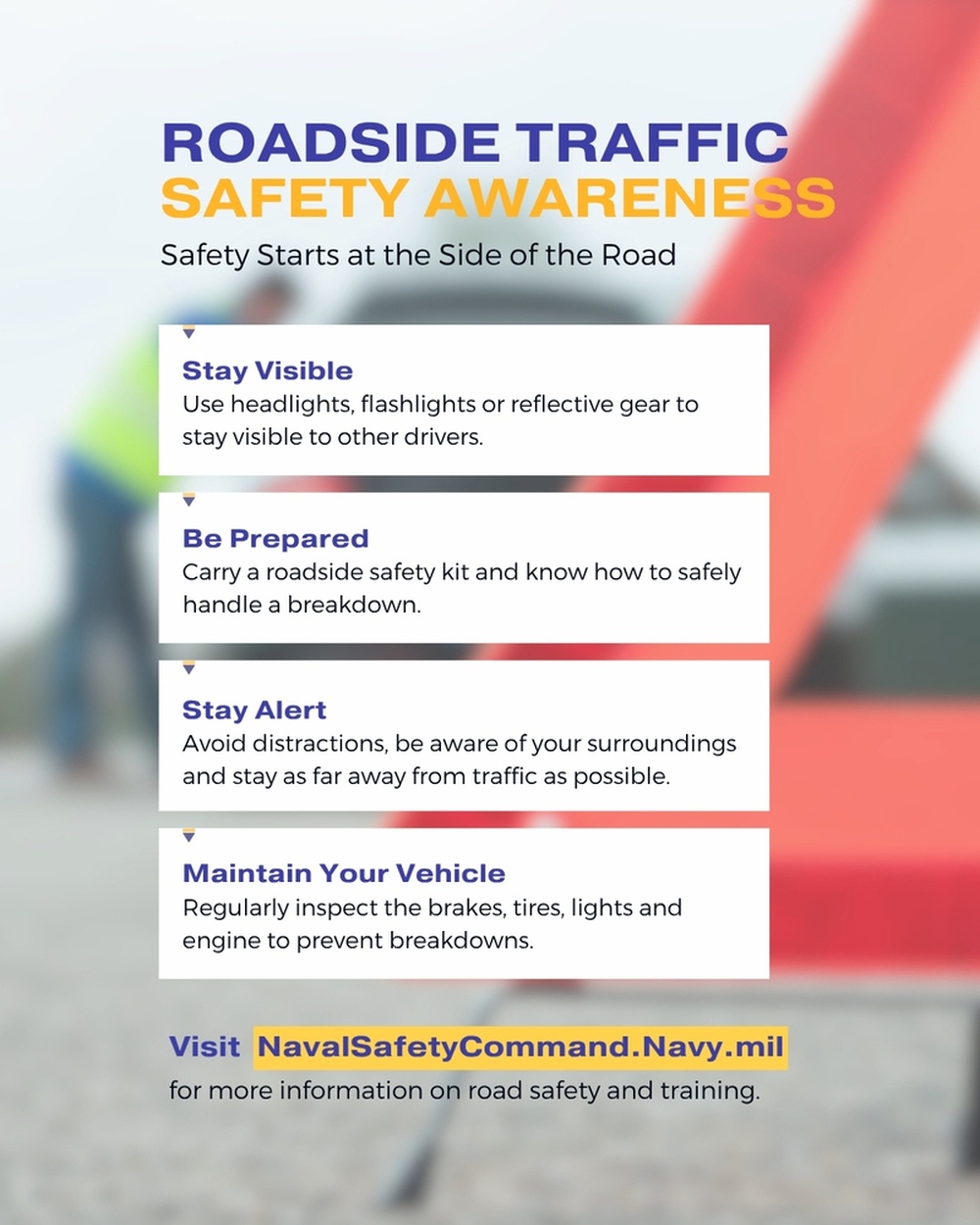
Credit: www.dvidshub.net
Risks Of Using Phones Roadside
Using a phone while on the roadside can be very dangerous. It takes your focus away from traffic and surroundings.
Many accidents happen because people do not pay attention when using phones near roads. Knowing the risks helps you stay safe.
Common Accidents Linked To Phone Use
People using phones roadside often cause accidents like slips, falls, and vehicle collisions. These accidents can cause serious injuries.
- Tripping over uneven pavement while looking at a phone
- Falling into traffic lanes because of distraction
- Getting hit by passing vehicles when stepping off the curb
- Collisions involving parked vehicles and distracted drivers
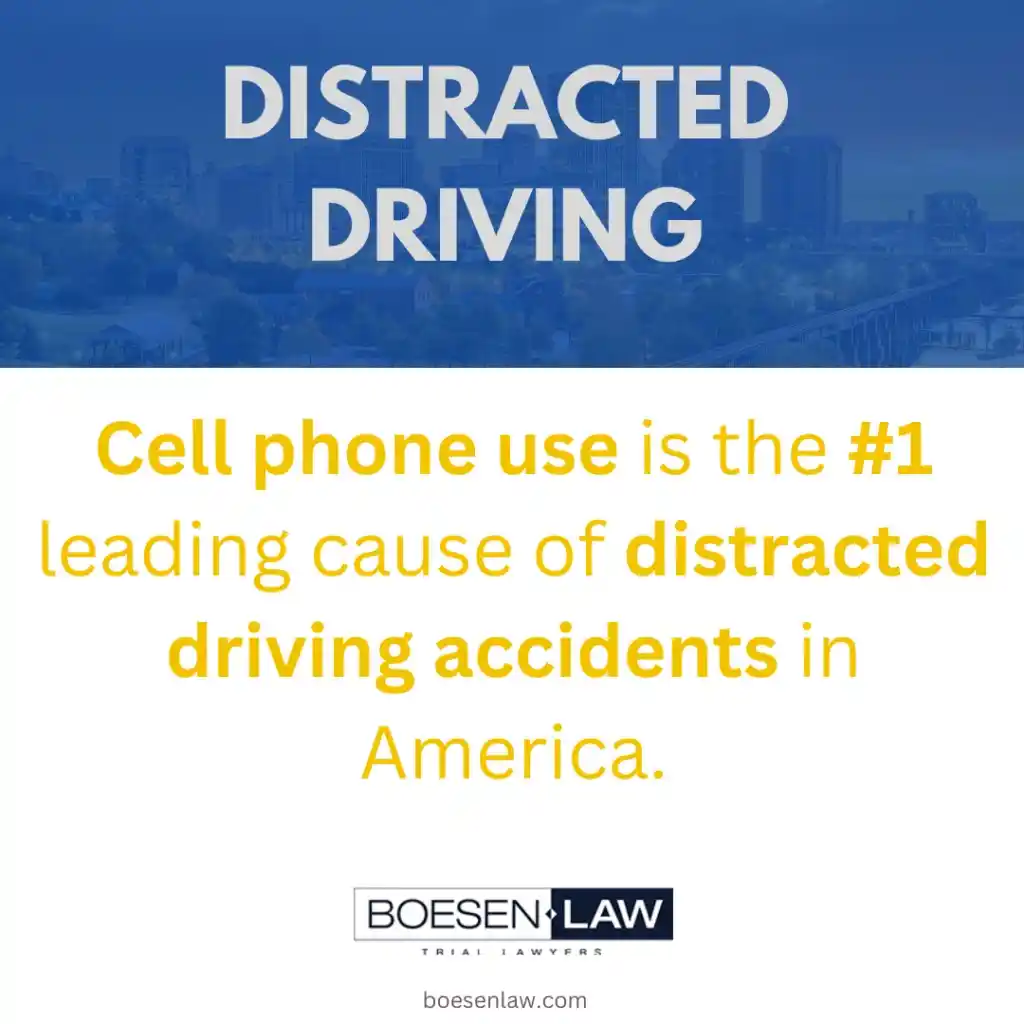
Distraction And Reduced Awareness
Phones distract you from watching your surroundings. This lowers your ability to react quickly to dangers.
Using a phone roadside reduces your awareness of traffic signals, sounds, and moving vehicles. This makes accidents more likely.
- Missing warning signs or signals
- Ignoring sounds of approaching cars or horns
- Slow reaction time to sudden changes
- Not seeing pedestrians or cyclists nearby
Credit: boesenlaw.com
Choosing Safe Locations
Using your phone on the roadside can be risky. It is important to pick safe places to stop.
Choosing the right spot helps you stay safe and avoid accidents while using your phone.
Finding Designated Pull-off Areas
Look for areas marked for stopping, like rest stops or emergency pull-offs. These spots are made for short breaks.
These places give enough space to park safely away from traffic. They reduce danger while you use your phone.
- Rest stops on highways
- Emergency pull-off zones
- Wide shoulder areas with clear signs
Avoiding Busy And Unsafe Spots
Do not stop in places with heavy traffic or poor visibility. These spots increase the risk of accidents.
Avoid narrow shoulders, curves, and busy intersections. These locations are unsafe for phone use.
- Busy highway lanes
- Curves and blind spots
- Intersections and crosswalks
- Narrow or uneven road shoulders
Proper Vehicle Positioning
Using your phone safely on the roadside starts with parking your vehicle correctly. Proper vehicle positioning keeps you and others safe.
It helps avoid accidents and lets you focus on your phone without distractions from traffic.
Parking Safely Away From Traffic
Always park your vehicle well away from moving traffic. Look for a wide shoulder or a designated parking area.
Turn your wheels away from the road to prevent rolling into traffic if your brakes fail.
- Stop on a stable surface like gravel or pavement
- Keep enough distance from the road for safety
- Avoid parking on curves or near blind spots
- Use parking brakes to secure your vehicle
Using Hazard Lights Effectively
Turn on your hazard lights as soon as you stop. This alerts other drivers that your vehicle is stationary.
Hazard lights improve your visibility, especially in bad weather or low light conditions.
- Switch on hazard lights before exiting the road
- Keep them blinking until you start driving again
- Use hazard lights even if parked safely off the road
- Check local laws to know when hazard lights are required
Using Hands-free Devices
Using your phone safely on the roadside is important. Hands-free devices help you stay connected without holding your phone. This lets you keep your hands free and your focus on safety.
These devices use voice commands or simple buttons. They reduce distractions and make roadside phone use safer for everyone.
Benefits Of Hands-free Technology
Hands-free devices offer many safety and convenience benefits. They help you keep control of your vehicle while staying in touch.
- Allow you to use your phone without holding it
- Keep your hands on the wheel and eyes on the road
- Reduce the risk of accidents caused by distractions
- Support voice commands for easier phone use
- Help comply with laws that ban phone holding while driving
Recommended Devices For Roadside Use
Choosing the right hands-free device can improve safety. Some devices work better on the roadside than others.
| Device Type | Main Features | Best Use |
| Bluetooth Headset | Wireless, voice control | Quick calls and clear audio |
| Car Speakerphone | Hands-free calling, loud speaker | Group conversations in vehicle |
| Dashboard Mount | Holds phone, supports voice apps | Navigation and calling |
| Voice Assistant | Voice commands, app integration | Hands-free texting and calls |
Minimizing Distractions
Using your phone safely on the roadside is important. Distractions can cause accidents.
Focus on setting up your phone before driving. Limit how long you use it while stopped.
Setting Up Before Driving
Prepare your phone before you start driving. Set your GPS and music in advance.
This helps you avoid touching your phone on the road. It keeps your attention on driving.
- Set navigation routes before moving
- Choose playlists or podcasts ahead
- Enable Do Not Disturb mode
- Check phone notifications before driving
Limiting Phone Use Duration Roadside
Keep phone use short when stopped on the roadside. Long use can distract you from traffic.
Quickly check important messages or calls. Avoid browsing or typing for long periods.
- Use hands-free devices for calls
- Park safely before using your phone
- Limit phone use to essential tasks only
- Stay alert to your surroundings
Emergency Communication Tips
Using a phone on the roadside can be risky. It’s important to stay safe while communicating in emergencies.
These tips help you prioritize calls and share your location with emergency services effectively.
Prioritizing Critical Calls
When you are on the roadside, make sure to focus on the most important calls. This ensures your safety and quick help.
- Call emergency services first if in danger.
- Inform family or friends about your situation.
- Avoid unnecessary calls to save battery.
Sharing Location With Emergency Services
Sharing your exact location can help emergency services reach you faster. Use your phone’s GPS to pinpoint your position.
By following these tips, you can ensure that help arrives quickly and safely when needed.
Legal Considerations
Using a phone while driving can be dangerous. It is important to know the laws that govern phone use on roads. These laws help keep everyone safe.
Understanding the penalties for unsafe phone practices is also crucial. It helps you avoid fines and other legal issues.
Laws Governing Phone Use On Roads
Each state has different laws about phone use while driving. Some states ban all phone use. Others allow hands-free use.
It is important to check local laws before using your phone on the road. This helps you stay safe and legal.
- Some states prohibit texting while driving
- Hands-free devices are allowed in many areas
- Young drivers may face stricter rules
Penalties For Unsafe Phone Practices
Breaking phone use laws can lead to fines. These fines vary by state. They can be costly, especially for repeat offenders.
Unsafe phone use can also result in points on your license. Accumulating too many points can lead to license suspension.
| First Offense | $100 fine |
| Second Offense | $200 fine |
| Third Offense | $300 fine and points on license |
Credit: www.pocket-lint.com
Preparing For Roadside Phone Use
Using your phone safely at the roadside is very important. It helps you get help without risking your safety.
Getting ready before you need your phone can make a big difference in emergencies. Here are some tips to prepare.
Keeping Phone Charged And Accessible
Always keep your phone charged before a trip. A dead battery can stop you from calling for help.
Keep your phone easy to reach. Avoid putting it in hard-to-get places like deep bags or the trunk.
- Charge your phone fully before driving
- Carry a portable charger or power bank
- Store the phone in a reachable pocket or holder
- Check battery levels regularly during long trips
Using Apps Designed For Safe Communication
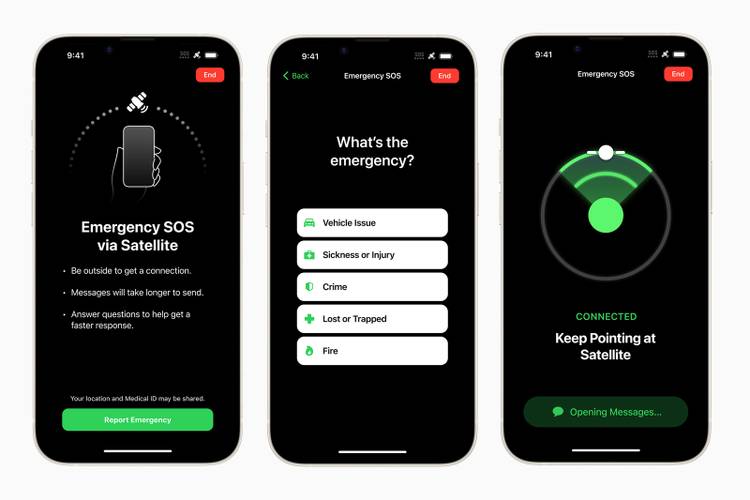
Some apps help you communicate safely during roadside emergencies. They can send your location quickly.
Choose apps that let you call or message with one touch. They reduce the time you spend using your phone.
- Emergency SOS apps that alert contacts
- Location-sharing apps for quick help
- Hands-free voice command apps
- Apps that work offline or with low signal
Frequently Asked Questions
How Can I Use My Phone Safely On The Roadside?
Always park your vehicle fully off the road before using your phone. Avoid distractions and stay aware of traffic around you. Use hands-free options if necessary, and keep phone usage brief to maintain safety.
What Are The Risks Of Roadside Phone Usage?
Using a phone roadside can distract you from traffic and hazards. It may cause accidents or slow response times. Always prioritize safety by minimizing phone use and staying alert to your surroundings.
Is Hands-free Phone Use Safer Roadside?
Hands-free phone use reduces physical distraction but may still divert your attention. It’s safer than handheld use but should be used cautiously. Always focus on the road and environment even when using hands-free devices.
When Is The Best Time To Check Your Phone Roadside?
Check your phone only when your vehicle is fully stopped and off the road. Avoid using your phone while stopped in traffic or on the shoulder. Prioritize safety by limiting phone checks to emergency or important situations.
Conclusion
Safe roadside phone use keeps you and others protected. Always stop your vehicle before using your phone. Stay alert to your surroundings and avoid distractions. Use hands-free options when possible for quick communication. Keep your phone within easy reach but do not hold it while driving.
Small actions make a big difference in road safety. Practice these tips every time you drive. Stay focused, stay safe, and help prevent accidents. Your safety matters most on the road.







