
Driving at night can feel different – the roads look unfamiliar, and your vision isn’t as sharp as during the day. But you don’t have to worry.
With the right tips, you can stay safe and confident every time you get behind the wheel after dark. If you want to protect yourself and others on the road, keep reading. These simple, practical tips will help you drive smarter and avoid common night-time dangers.
Your safety is in your hands, and this guide is here to make sure you keep it that way.
Prepare Your Vehicle
Night driving needs extra care for safety. Your vehicle must be ready for dark conditions.
Check your car before you drive. This helps avoid accidents and problems on the road.
Check Headlights And Taillights
Headlights and taillights help you see and be seen by others. Make sure they work well.
- Turn on all lights before driving at night
- Clean lenses to remove dirt and fog
- Replace bulbs if any light is dim or not working
- Check light alignment to avoid blinding other drivers
Maintain Windshield And Mirrors
Clear windshields and mirrors give you better vision at night. Keep them clean and damage-free.
| Task | What to Do | Why It Matters |
| Clean Windshield | Use glass cleaner and soft cloth | Stops glare and improves view |
| Check for Cracks | Repair or replace damaged glass | Prevents vision problems and accidents |
| Clean Mirrors | Wipe mirrors before night trips | Gives clear view of traffic behind |
Ensure Tire Safety
Good tires help keep control on dark roads. Check pressure and tread before driving.
- Check tire pressure with a gauge
- Fill tires to the recommended level
- Look for worn tread or damage
- Replace tires if tread is too low

Credit: safelyhomedrivertraining.com.au
Improve Visibility
Driving at night can be risky because it is hard to see. Good visibility helps you drive safely and avoid accidents.
Here are some tips to help you see better when driving in the dark.
Use High Beams Wisely
High beams give you more light on dark roads. Use them only where there is no street lighting. Turn them off when other cars come near. This stops blinding other drivers.
Reduce Interior Light Glare
Lights inside your car can cause glare. This makes it harder to see outside. Follow these tips to reduce glare:
- Dim the dashboard and instrument lights.
- Close curtains or shades on bright screens.
- Avoid using your phone while driving.
- Keep your windshield free of smudges inside.
Keep Windows Clean
Dirty windows block light and blur your view. Clean both inside and outside to see clearly. Use glass cleaner and a soft cloth. Avoid cleaning in direct sunlight to stop streaks.
| Window Area | Cleaning Tip |
| Front Windshield | Use glass cleaner and wipe dry |
| Side Windows | Clean regularly to remove dirt and spots |
| Rear Window | Check defroster works well for clear view |
Stay Alert And Focused
Driving at night can be risky if you are not fully alert. Your focus helps you react to dangers quickly.
Use these tips to keep your attention sharp and ensure a safe trip during night driving.
Avoid Fatigue
Tiredness slows your thinking and reaction time. You must avoid driving when you feel sleepy.
- Get enough sleep before driving.
- Take breaks every two hours on long trips.
- Stop and rest if you feel drowsy.
- Share driving duties if possible.
Limit Distractions
Distractions take your eyes and mind off the road. Keep your focus on driving only.
- Turn off mobile phones or use hands-free devices.
- Set music or GPS before starting to drive.
- Do not eat or drink while driving.
- Ask passengers to stay quiet if needed.
Watch For Wildlife And Pedestrians
Animals and people can appear suddenly on the road at night. Watch the sides of the road carefully.
| Time | Wildlife Activity | Safety Tip |
| Dusk | High | Slow down and scan roadside |
| Night | Moderate | Use high beams if safe |
| Dawn | High | Be extra alert near forests |
Adjust Driving Habits
Driving at night needs more care and focus. Your habits must change to stay safe.
Adjusting how you drive can lower risks and help you react better to hazards.
Reduce Speed
Slow down to increase your reaction time. Night vision is weaker, so driving fast is risky.
Increase Following Distance
Keep more space between you and the car ahead. This gives you time to stop safely.
- Keep at least three seconds gap in good weather.
- Increase gap to five seconds on wet or dark roads.
- Watch for brake lights early to react smoothly.
- Be extra careful near curves and hills.
Use Defensive Driving Techniques
Stay alert and expect others to make mistakes. Watch the road and signs carefully.
| Technique | Why It Helps |
| Scan the road ahead | Spot hazards early |
| Use headlights properly | Improve visibility for you and others |
| Avoid distractions | Stay focused on driving |
| Signal intentions clearly | Help other drivers understand your moves |
Plan Your Route
Driving at night requires extra care and preparation. Planning your route helps you stay safe and avoid surprises.
Knowing where you will go and what to expect makes your trip smoother and less stressful.
Choose Well-lit Roads
Pick roads that have good street lighting. Well-lit roads help you see better and spot hazards early.
Try to avoid shortcuts through dark or isolated areas. These can be dangerous at night.
Inform Someone About Your Trip
Tell a friend or family member your planned route and expected arrival time. This helps others know where you are.
- Share your route details before leaving.
- Update them if your plans change.
- Check in once you arrive safely.
Check Weather Conditions
Look at the weather forecast before you drive. Bad weather can make night driving harder and more dangerous.
| Weather | Advice |
| Rain | Drive slowly and use headlights |
| Fog | Use fog lights and reduce speed |
| Snow | Avoid driving if possible |
| Clear | Drive normally but stay alert |
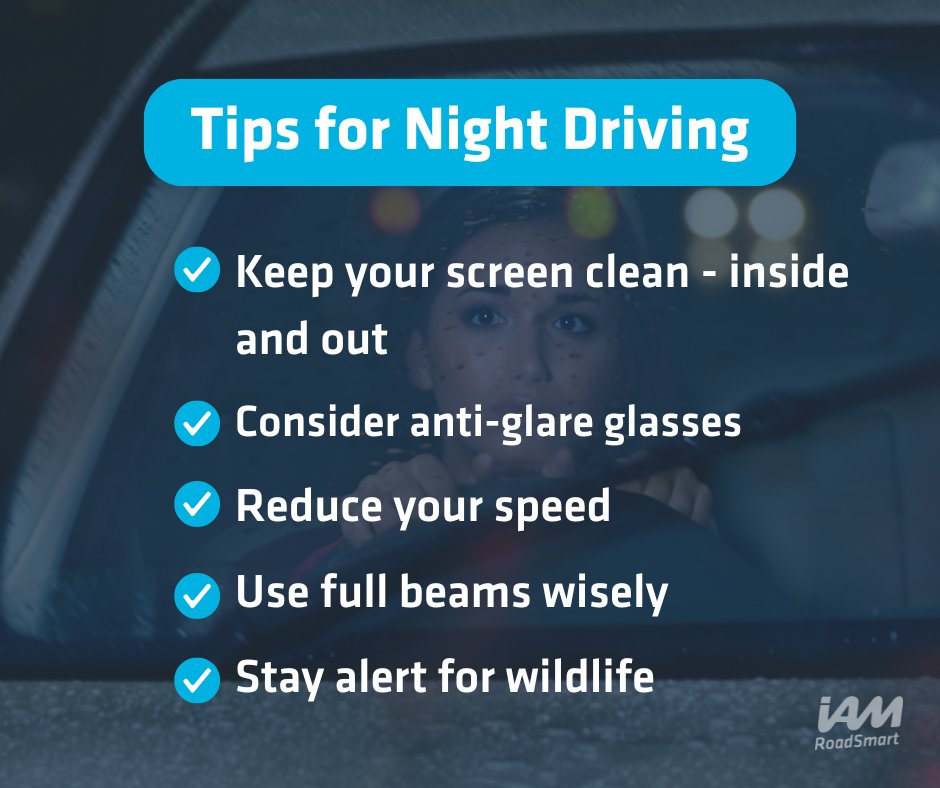
Credit: x.com
Handle Emergencies Safely
Driving at night can be challenging. Being prepared for emergencies is essential. Learn how to handle them safely.
Simple steps can make a big difference during nighttime driving. Always stay alert and prepared for unexpected situations.
Use Hazard Lights
Hazard lights are crucial for safety. They alert others that you have an issue.
- Turn on hazard lights immediately when you stop.
- Use them in low visibility conditions.
- Do not drive with hazard lights on continuously.
Find Safe Pull-off Spots
Finding a safe spot to pull over is important. It helps keep you out of traffic.
Look for wide shoulders, parking lots, or well-lit areas. Avoid stopping on curves or near exits where visibility is poor.
Keep Emergency Kit Ready
An emergency kit is a must-have for night driving. It can be a lifesaver in unexpected situations.
| Item | Importance |
| Flashlight | Helps in dark conditions |
| First Aid Kit | For minor injuries |
| Reflective Triangle | Increases visibility |
| Blanket | Keeps you warm if stranded |

Credit: www.safedrivingforparents.com.au
Frequently Asked Questions
How Can I Improve Visibility During Night Driving?
Use high-quality headlights and keep them clean. Adjust mirrors to reduce glare. Avoid looking directly at oncoming lights. Keep your windshield and windows clear.
What Are Essential Safety Tips For Night Driving?
Drive slower and maintain a safe distance. Avoid distractions and stay alert. Use high beams wisely and watch for pedestrians and animals.
How Do I Prevent Fatigue While Driving At Night?
Take regular breaks every 1-2 hours. Stay hydrated and avoid heavy meals. Listen to upbeat music or talk to stay alert.
When Should I Use High Beams At Night?
Use high beams on poorly lit roads without oncoming traffic. Dim them when approaching vehicles or following closely to avoid blinding others.
Conclusion
Safe night driving depends on staying alert and focused. Keep your headlights clean and bright. Slow down and watch for pedestrians or animals. Avoid distractions like phones or loud music. Use your mirrors often to check surroundings. Take breaks if you feel tired or sleepy.
Always wear your seatbelt for extra protection. These simple steps help you drive safely at night. Drive carefully, and reach your destination without trouble. Stay safe on the road every night.







