
Planning a long trip can be exciting, but it also comes with its share of challenges—especially when it comes to staying safe. You want to enjoy every moment without worrying about unexpected problems.
That’s why preparing properly is key. You’ll discover simple, practical tips that help protect you and your loved ones on the road or in the air. Keep reading to learn how a few smart moves before your trip can make all the difference in your safety and peace of mind.
Packing Smart
Packing smart helps you stay safe on long trips. It also makes your travel easier and more organized.
Choose items that protect you and keep you comfortable. Think about safety first when you pack.
Essential Safety Gear
Bring safety gear that fits your trip. These items help you handle emergencies and stay secure.
- First aid kit with bandages and antiseptic
- Flashlight with extra batteries
- Portable phone charger
- Whistle for emergency signals
- Water purification tablets
- Multi-tool or pocket knife
Organizing Your Luggage
Organize your bags to find things fast. Keep heavy items at the bottom to avoid injury.
| Item Type | Packing Tip |
| Documents | Use a waterproof folder |
| Clothes | Roll to save space and reduce wrinkles |
| Electronics | Pack in padded compartments |
| Toiletries | Use leak-proof containers |
| Shoes | Place in separate bags to keep clean |
Clothing Choices For Safety
Wear clothes that protect you from weather and insects. Choose bright colors to stay visible.
- Long sleeves and pants to avoid sunburn and bug bites
- Breathable fabrics to keep cool and dry
- Layers for changing temperatures
- Comfortable shoes with good grip
- Hat and sunglasses for sun protection
Health Precautions
Long trips can be exciting but also tiring. Taking health precautions helps keep you safe and comfortable. Planning ahead makes your journey smoother.
It is important to prepare for possible health issues. Carrying the right supplies and knowing what to do can save you trouble.
First Aid Kit Must-haves
A first aid kit is essential for any long trip. It helps you treat minor injuries quickly. Pack items that cover common problems.
- Adhesive bandages in different sizes
- Antiseptic wipes and ointment
- Pain relievers like ibuprofen or acetaminophen
- Allergy medicine such as antihistamines
- Thermometer for checking fever
- Tweezers and scissors
- Medical gloves for safety
- Emergency contact information
Staying Hydrated And Nourished
Drinking enough water keeps your body working well. Dehydration can cause tiredness and headaches. Eat balanced meals to keep your energy up.
- Carry a refillable water bottle
- Drink water regularly, not just when thirsty
- Choose healthy snacks like nuts and fruit
- Avoid too much caffeine or sugary drinks
- Eat small meals often to maintain energy
Medications And Vaccinations
Check your medications before traveling. Bring enough for the whole trip. Some trips need special vaccines to prevent illness.
- Pack all prescribed medicines in original bottles
- Carry a list of your medications and doses
- Visit your doctor for recommended vaccines
- Keep medicines in a cool, dry place
- Know the side effects and how to handle them
Vehicle Preparedness
Preparing your vehicle is key for a safe long trip. Checking your vehicle helps avoid problems on the road.
Make sure your car is ready to handle long distances and changing weather conditions.
Vehicle Maintenance Checks
Check your vehicle before the trip to prevent breakdowns. Look at tires, brakes, and fluids carefully.
Inspect lights and signals to ensure good visibility. Replace worn parts to keep your car safe.
- Check tire pressure and tread depth
- Test brakes for proper function
- Top up engine oil, coolant, and windshield fluid
- Ensure headlights, brake lights, and turn signals work
- Replace old wiper blades
Emergency Repair Tools
Keep basic tools in your car to fix small problems. These tools can help you stay safe if you get stuck.
Know how to use each tool before your trip. Carry items that fit your vehicle’s needs.
- Spare tire and jack
- Lug wrench for wheel changes
- Jumper cables for battery issues
- Flashlight with extra batteries
- Basic tool kit with screwdrivers and pliers
- Tire pressure gauge
- Reflective warning triangles or flares
Fuel And Route Planning
Plan your fuel stops along the route to avoid running out of gas. Check fuel stations on your path.
Use maps or GPS to pick the safest and fastest roads. Know where you can get help if needed.
- Fill the tank before the trip starts
- Identify fuel stations every 100 miles
- Choose main roads with good service options
- Download offline maps in case of poor signal
- Plan rest stops to stay alert while driving

Credit: www.mvdexpress.com
Personal Safety Measures
Long trips can be fun but also risky. Staying safe should be your top goal. You need to plan well and take steps to protect yourself.
Personal safety measures help prevent problems. They keep you calm and ready for anything on the road.
Traveling With A Buddy
Traveling with a friend or family member makes trips safer. You can watch out for each other. It is harder for strangers to cause trouble.
A buddy can help in emergencies. They can share tasks and keep the journey enjoyable and secure.
- Choose someone you trust
- Plan your route together
- Look after each other’s belongings
- Stay close in crowded places
- Keep communication open and honest
Sharing Itinerary Details
Tell someone you trust about your travel plans. Share where you will stay and your daily route. This helps others know your location.
Sharing your itinerary can speed up help if you face trouble. It also gives peace of mind to your family and friends.
- Send your itinerary before the trip starts
- Update changes during the trip
- Include contact details of places you visit
- Share emergency contact numbers
Using Safety Apps
Safety apps help you stay secure during travel. They offer location sharing, emergency alerts, and quick contacts. These tools keep you connected.
Many apps can send alerts to your chosen contacts if you feel unsafe. They also provide maps and safe route options.
- Choose apps with location sharing features
- Set up emergency contacts in the app
- Test the app before your trip
- Keep your phone charged and accessible
Navigating Weather Challenges
Long trips can face many weather changes. Weather can affect your safety and comfort.
Preparing for weather helps you avoid problems on the road or trail.
Checking Weather Forecasts
Look at weather forecasts before your trip starts. Check updates daily during your trip.
Use trusted weather apps or websites for the most accurate information.
- Know the temperature range
- Watch for storms or heavy rain
- Check wind speeds and directions
- Look for weather alerts or warnings
Packing For Unexpected Conditions
Bring clothes and gear for different weather types. Pack layers to stay warm or cool.
Include rain gear and sun protection for sudden weather changes.
- Waterproof jacket and pants
- Hat and sunglasses
- Extra socks and gloves
- Emergency blanket or poncho
- Water-resistant shoes or boots
Adjusting Travel Plans
Be ready to change your route or schedule if weather turns bad. Safety comes first.
Check for road closures or flight delays caused by weather.
- Have backup stops or rest points
- Leave extra time for slow travel
- Inform someone about your changes
- Stay calm and avoid risky shortcuts

Credit: www.youtube.com
Security Tips
Traveling on long trips can be exciting but staying safe is important. Here are some security tips to help keep you and your belongings safe.
These tips focus on protecting valuables, avoiding common scams, and staying alert in crowded areas.
Protecting Valuables
Keep your valuables safe by using a money belt or hidden pouch. Store important items like passports and money close to your body.
Avoid flashing expensive items like jewelry or electronics in public places. This reduces the risk of theft.
- Use hotel safes for extra security
- Photocopy important documents and keep them separate
- Keep a digital backup of essential documents
Avoiding Common Scams
Scammers often target travelers. Be cautious when approached by strangers offering deals or services.
Research common scams in your destination beforehand. This helps you recognize and avoid them.
- Beware of fake taxis or guides
- Do not trust overly friendly strangers
- Use official transport services
Staying Alert In Crowded Areas
Crowded areas can be hotspots for pickpockets. Always be aware of your surroundings and keep your bag secure.
Do not leave your belongings unattended. Keep them in your line of sight at all times.
- Wear your backpack in front
- Stay close to your group
- Use anti-theft bags with locking zippers
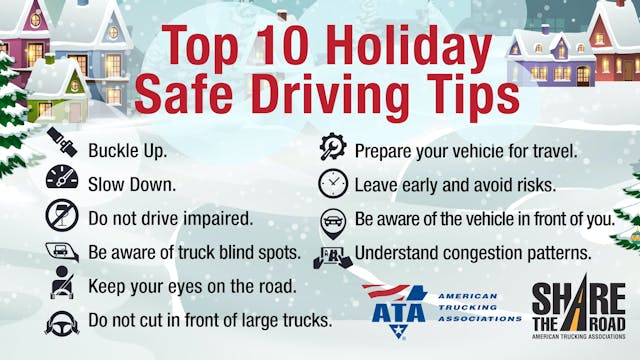
Credit: www.fleetowner.com
Frequently Asked Questions
How Can I Ensure Safety Before A Long Trip?
Check your vehicle’s condition, pack an emergency kit, and share your itinerary. Always have a charged phone and a first-aid kit ready. Planning these steps reduces risks and enhances trip safety.
What Essential Items Should I Pack For Long Trips?
Pack water, snacks, a first-aid kit, flashlight, and important documents. Include weather-appropriate clothing and chargers. These essentials prepare you for emergencies and unexpected situations.
How To Stay Alert And Avoid Fatigue During Long Trips?
Take regular breaks every two hours, stay hydrated, and eat light meals. Avoid heavy foods that cause drowsiness. Rest well before the trip to maintain focus and alertness.
Why Is Sharing Trip Details Important For Safety?
Sharing your route and schedule helps others track your location. It ensures quick assistance if you face emergencies. This simple step adds an extra layer of security.
Conclusion
Preparing well helps keep you safe on long trips. Pack important items like first aid and water. Plan rest stops to avoid tiredness while driving. Stay aware of your surroundings at all times. Check your vehicle or transport before you start.
Small steps make a big difference in safety. Enjoy your journey with peace of mind. Safe travels lead to better memories and less stress. Keep these tips in mind for every trip. Your safety is always worth the effort.







