
Taking your pet along for a ride can be exciting, but it can also be stressful for them. If your furry friend gets anxious or restless during car trips, you’re not alone.
You want your pet to feel safe, calm, and comfortable every time you hit the road. You’ll discover simple and effective tips that can make a big difference in your pet’s travel experience. Keep reading to learn how to turn those tense rides into happy, relaxed moments for both you and your pet.

Credit: www.reddit.com
Preparing Pets For Travel
Traveling with pets can be stressful for them. Proper preparation helps keep pets calm and safe during rides. Getting ready before the trip is important for a smooth journey.
Start early to give your pet time to adjust. This guide covers key tips to prepare your pet for travel.
Familiarizing Pets With The Vehicle
Let your pet explore the car while it is parked. This helps reduce fear of the vehicle. Take short trips to build comfort and trust.
Bring your pet’s favorite blanket or toy inside the car. This makes the space feel familiar and safe.
Choosing The Right Carrier Or Restraint
Select a carrier or restraint that fits your pet well. It should be sturdy and allow your pet to sit or lie down comfortably.
- Carriers should have good ventilation.
- Use seat belts or harnesses made for pets.
- Check the size to avoid tight or loose fits.
- Choose carriers that are easy to clean.
Packing Essential Supplies
| Supply | Purpose |
|---|---|
| Water and bowl | Keep your pet hydrated |
| Food and treats | Maintain energy and reward good behavior |
| Leash and collar | Control and safety outside the vehicle |
| Waste bags | Clean up after your pet |
| Blanket or bedding | Provide comfort and warmth |
Ensuring Safety On The Road
Traveling with pets needs careful planning to keep them safe. Drivers must focus on the road and their animals.
These tips help you protect your pet and avoid accidents during rides.
Securing Pets Properly
Pets should be safely secured in the vehicle. Use harnesses, carriers, or pet seat belts made for cars.
- Choose a well-ventilated carrier that fits your pet.
- Use pet seat belts to keep dogs in place.
- Never let pets ride in the front seat.
- Make sure carriers are fixed and won’t slide.
Avoiding Distractions While Driving
Pets can distract drivers if they move around or make noise. Keep them calm and secure.
| Distraction | How to Avoid |
| Pet moving freely | Use harnesses or carriers |
| Pet noise | Bring toys or treats |
| Pet jumping on driver | Keep pets in back seat |
Planning For Regular Breaks
Stop often to let your pet stretch and use the bathroom. This keeps them comfortable and relaxed.
- Plan breaks every two hours on long trips.
- Find safe spots to walk and hydrate your pet.
- Check your pet’s condition during each break.
Managing Pet Anxiety
Traveling can make pets feel nervous. Many pets show signs of anxiety during rides. It is important to help them stay calm and safe.
Using simple methods can reduce stress for your pet. This guide covers calming techniques, comfort items, and vet advice.
Using Calming Techniques
Calming your pet starts before the ride. Speak softly and use a gentle tone. Play soothing music to relax them.
- Give slow, soft petting to reduce stress.
- Use a calm, steady voice to reassure your pet.
- Practice short car rides to build comfort.
- Try deep pressure touch like a gentle hug or wrap.
Incorporating Comfort Items
Comfort items can help pets feel safe during travel. Familiar objects remind them of home and reduce fear.
| Item | Benefit |
| Favorite Blanket | Offers warmth and familiar scent |
| Chew Toy | Keeps them busy and relaxed |
| Travel Bed | Provides a cozy place to rest |
| Collar with ID Tag | Ensures safety if lost |
Consulting A Veterinarian
Talk to a vet if your pet shows strong anxiety. The vet can suggest treatments or medicines to help.
Here are common vet recommendations:
- Anti-anxiety medications if needed.
- Natural calming supplements like CBD or herbs.
- Behavior training for long-term relief.
- Safe travel crate advice.
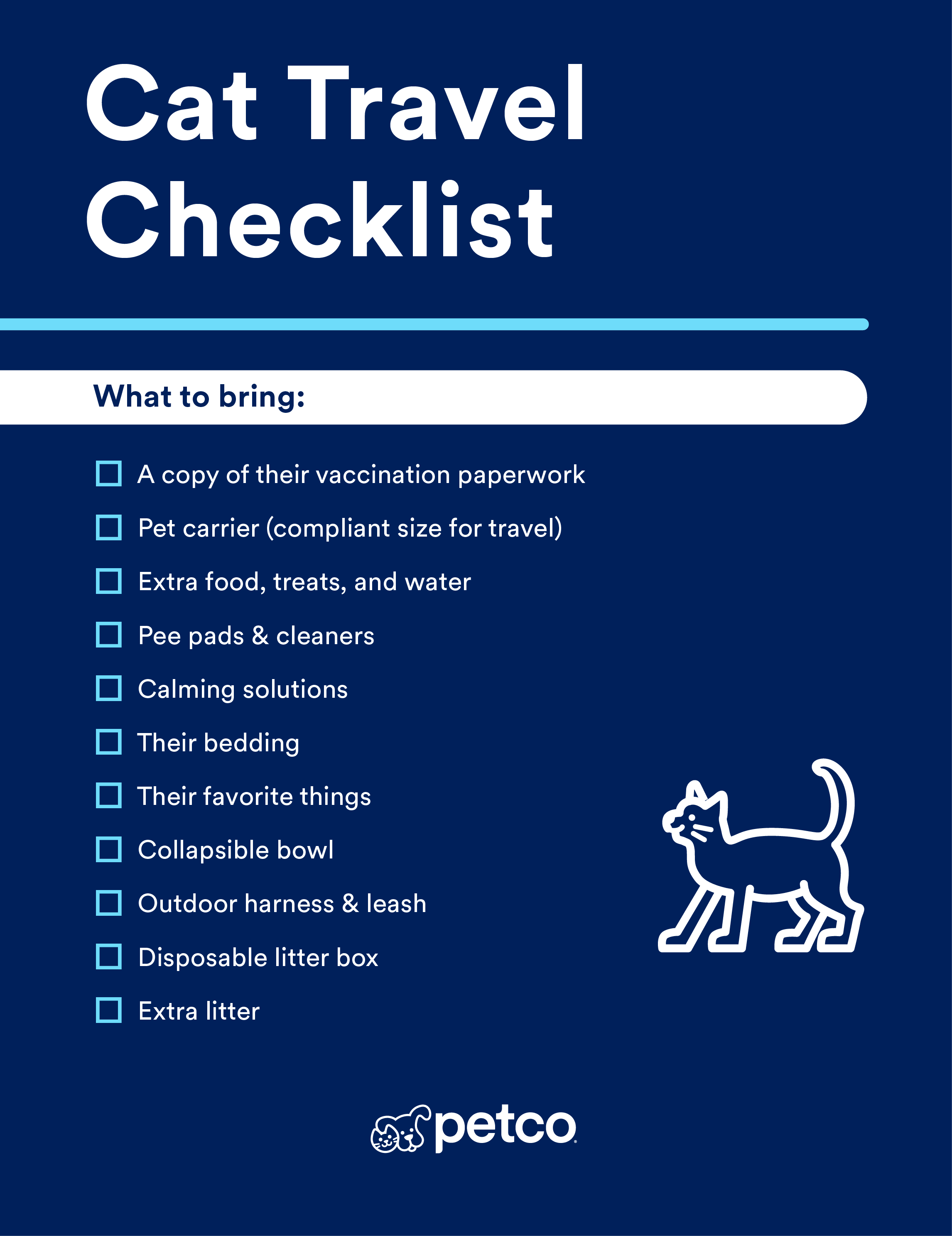
Credit: www.petco.com
Temperature And Ventilation Control
Keeping your pet comfortable during rides is very important. Temperature and airflow play big roles in their comfort.
Pets can get stressed if the cabin is too hot or cold. Good ventilation helps them feel relaxed and safe.
Maintaining Comfortable Cabin Temperature
Check the car’s temperature before the ride. Adjust the air conditioning or heater to keep it mild. Avoid sudden changes in heat or cold inside the car.
Keep your pet away from direct air vents. Too much cold or hot air can make them uncomfortable or sick.
Ensuring Proper Airflow
Good airflow keeps fresh air moving and stops stuffy smells. Open windows a little or use the car’s vent system to let air flow.
- Do not open windows too wide for safety.
- Use window shades to block direct sunlight.
- Keep the air vents clean and clear.
- Check that the pet carrier or seat has good air circulation.
Avoiding Overheating Or Chilling
| Risk | Signs | How to Prevent |
|---|---|---|
| Overheating | Heavy panting, drooling, restlessness | Keep temperature cool, offer water, avoid direct sun |
| Chilling | Shivering, cold ears, slow movement | Use warm blankets, adjust heater, limit exposure |
Watch your pet closely during the ride. Stop if they show signs of heat or cold stress. Adjust temperature and airflow as needed.
Feeding And Hydration Tips
Keeping pets comfortable during rides means paying attention to their feeding and hydration. Proper care helps reduce stress and keeps them healthy.
Planning meals and water breaks carefully supports your pet’s well-being on the road.
Timing Meals Before Travel
Feed your pet a light meal 3 to 4 hours before the trip. This helps avoid nausea and motion sickness. Avoid heavy meals right before travel.
Empty stomachs may cause discomfort, but full stomachs can lead to vomiting. Find a good balance for your pet’s size and needs.
Providing Water During Stops
Offer fresh water at every stop to keep your pet hydrated. Avoid letting them drink too much at once to prevent upset stomach.
- Use a spill-proof bowl for easy drinking
- Give small amounts frequently
- Check water temperature to keep it cool
- Make sure water is clean and fresh
- Encourage your pet to drink, but do not force
Avoiding Motion Sickness
| Tip | Details |
|---|---|
| Feed Lightly | Small meal before travel helps reduce nausea |
| Limit Water Intake | Offer small sips during breaks, not large amounts |
| Use Familiar Items | Bring your pet’s favorite blanket or toy |
| Keep Ventilation | Ensure fresh air flows in the vehicle |
| Drive Smoothly | Avoid sharp turns and sudden stops |
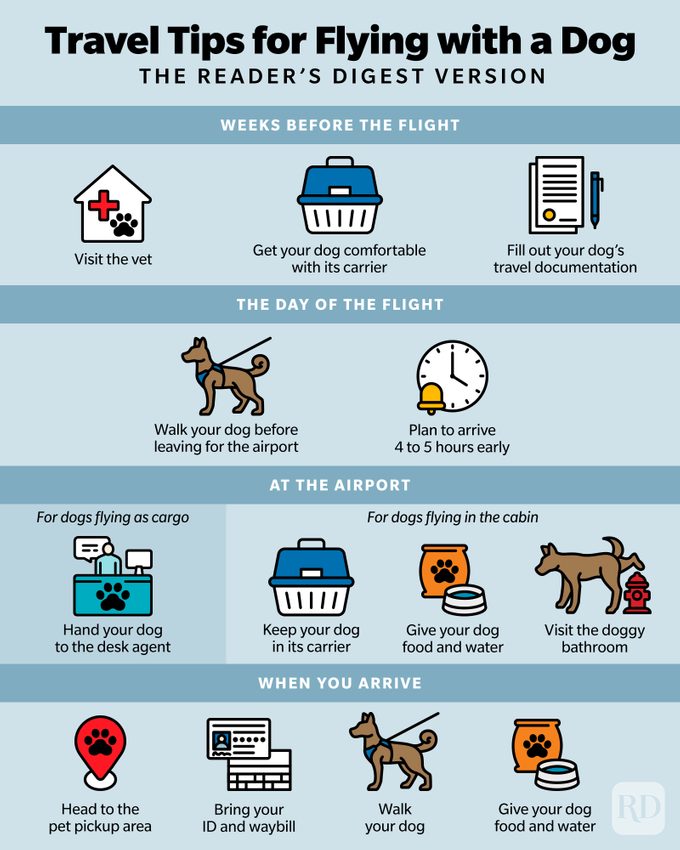
Credit: www.rd.com
Post-travel Care
After a long journey, pets need special attention. Ensure their comfort and well-being with proper care.
Taking simple steps can help reduce stress and make future rides more pleasant.
Checking For Signs Of Stress Or Discomfort
Observe your pet closely after a trip. Look for any signs of stress or discomfort.
- Panting or drooling more than usual
- Excessive licking or scratching
- Withdrawing or hiding
- Changes in appetite or behavior
Allowing Time To Adjust
Give your pet some time to settle down. Let them explore their surroundings at their own pace.
Rewarding Positive Behavior
Positive reinforcement encourages good behavior in future rides. Offer rewards when your pet remains calm.
| Behavior | Reward |
| Staying calm | Treats |
| Settling in quickly | Extra playtime |
| Following commands | Praise |
Frequently Asked Questions
How Can I Prepare My Pet For A Car Ride?
Start with short trips to build comfort. Bring familiar toys and blankets. Ensure your pet is well-exercised before travel. Use a secure carrier or harness for safety.
What Are The Best Safety Tips For Pet Travel?
Always use a pet seatbelt or crate. Keep pets away from front airbags. Never leave pets unattended in vehicles. Carry water and frequent breaks to avoid stress.
How Can I Reduce My Pet’s Anxiety During Rides?
Play calming music and speak softly. Use pheromone sprays or calming treats. Maintain a comfortable temperature inside the car. Avoid loud noises and sudden movements.
What Should I Pack For My Pet On A Trip?
Bring food, water, bowls, and leash. Pack waste bags and cleaning supplies. Include any medications and comfort items. Have a first aid kit ready for emergencies.
Conclusion
Keeping pets calm during rides makes travel easier for everyone. Prepare your pet with familiar items and frequent breaks. Use safety gear like carriers or seat belts to protect them. Speak softly and stay calm to soothe your pet. Watch for signs of stress and adjust as needed.
Small steps create a big difference in comfort. Enjoy safe and happy trips with your furry friend.







