
Every time you buckle your child into the car, their safety should be your top priority. You want to protect your little ones from harm, but sometimes it’s tricky to know the best ways to do that during car rides.
What if there were simple, effective tips you could use right now to make every trip safer and less stressful? Keep reading, because these easy steps will help you feel confident and keep your kids safe every time you hit the road.
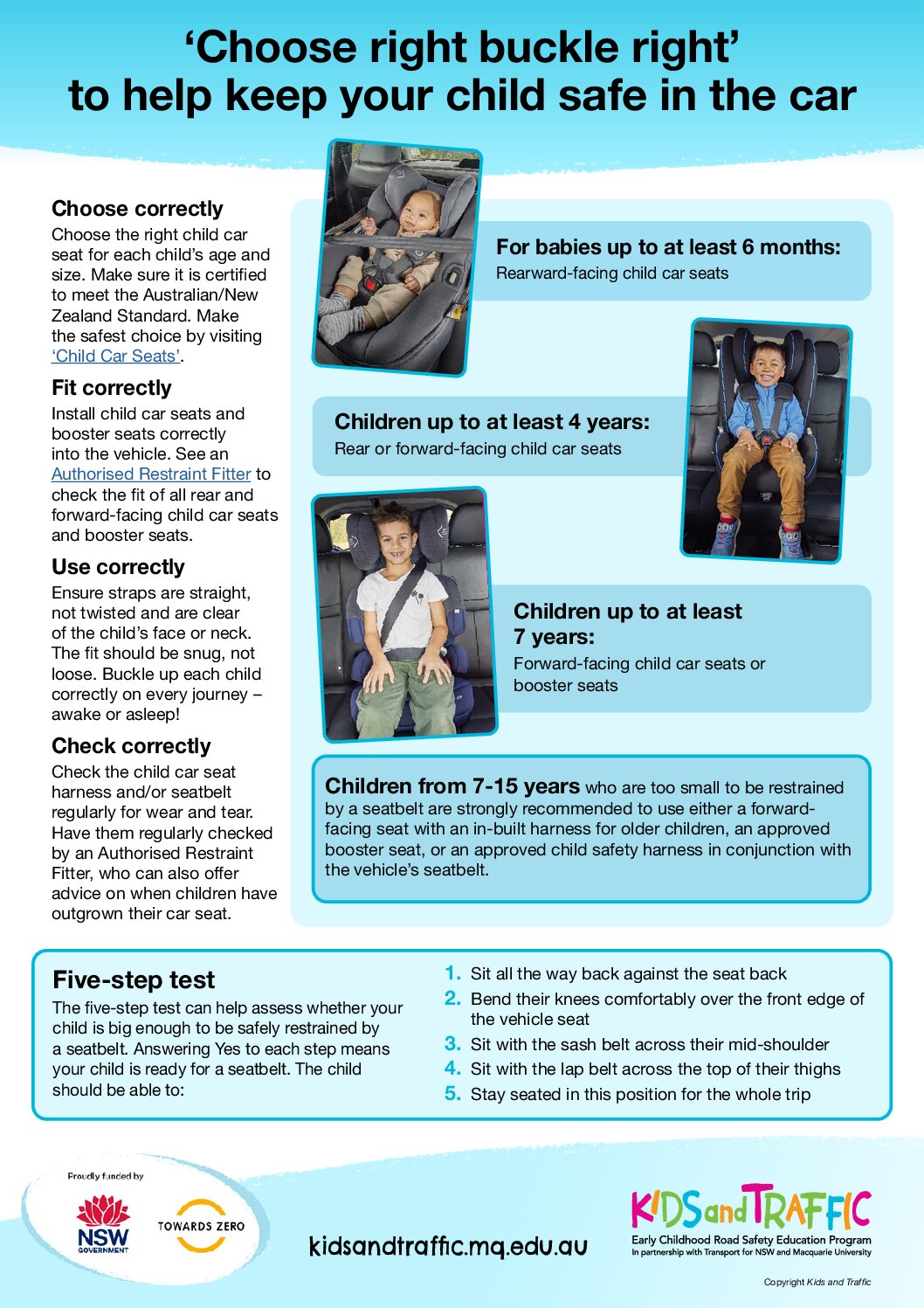
Credit: kidsandtraffic.mq.edu.au
Choose The Right Car Seat
Keeping kids safe during car rides starts with choosing the right car seat. A car seat protects children in case of a crash.
Parents must pick a seat that fits the child’s age, weight, and height. This helps ensure the best safety possible.
Types Of Car Seats
There are three main types of car seats. Each type fits a different stage of a child’s growth.
- Rear-facing seats for babies and toddlers
- Forward-facing seats with a harness for older toddlers
- Booster seats for children who outgrow harness seats
Choosing the right type helps keep your child secure during every ride.
Proper Installation Tips
Installing the car seat correctly is very important. A loose or wrong installation can reduce safety.
- Read the car seat manual carefully
- Use either the seat belt or LATCH system to secure the seat
- Make sure the seat does not move more than one inch side to side
- Check the angle of the seat to support your child’s head and neck
Ask a certified technician for help if you are unsure about installation.
When To Upgrade
Children need to move to the next car seat type as they grow. Upgrading at the right time keeps them safe.
- Switch from rear-facing to forward-facing after meeting weight and height limits
- Move to a booster seat when the forward-facing seat harness no longer fits
- Use a seat belt only when the child is tall enough and can sit properly
Check your car seat manual for specific size and weight limits before upgrading.
Secure Seatbelt Usage
Keeping kids safe during car rides is a top priority. Using seatbelts correctly helps protect children in crashes.
This guide covers how to position seatbelts, adjust them for comfort, and avoid common mistakes.
Correct Positioning
The seatbelt should lie flat across your child’s chest and shoulder. The lap belt must fit snugly over the upper thighs, not the stomach.
- The shoulder belt should never cross the neck or face.
- Use booster seats if the seatbelt does not fit properly.
- Check the belt path on child safety seats to ensure correct routing.
Adjusting For Comfort
Comfort helps kids keep their seatbelts on during the ride. Adjust the strap length without twisting the belt.
| Adjustment Tip | Reason |
| Loosen belt slightly if too tight | Prevents discomfort and skin irritation |
| Make sure belt is flat and untwisted | Ensures maximum safety |
| Use padded covers if needed | Increases comfort without affecting fit |
Common Mistakes To Avoid
Many seatbelt errors reduce safety. Avoid these mistakes to keep your child protected.
- Never place the shoulder belt under the arm or behind the back.
- Do not allow slack or loose belts.
- Avoid using seatbelts designed for adults without booster seats for small children.
- Do not let children wear thick coats under the seatbelt.
Maintain Child Supervision
Keeping children safe during car rides means watching them closely. Careful supervision helps prevent accidents and keeps kids calm.
Parents and caregivers should focus on child safety without losing attention on the road. Here are key tips to help maintain good supervision.
Using Rearview Mirrors
Adjust your rearview mirrors to see the child’s car seat or booster seat. This helps you check on them without turning around.
Look for signs of discomfort or if they need attention. Quick glances at the mirrors keep your eyes mostly on the road.
Engaging Children Safely
Talk to your child using calm and clear words. Keep your voice soft to avoid startling them while driving.
- Ask simple questions to keep them involved
- Sing songs or tell short stories
- Use toys or books that don’t require much movement
- Encourage them to stay seated and use seat belts
Avoiding Distractions
| Distraction | How to Avoid |
| Turning around to check on children | Use rearview mirrors instead |
| Handling toys or food | Prepare before driving or pull over |
| Answering child’s calls loudly | Keep calm and give short replies |
| Using phone while driving | Use hands-free or stop driving |

Credit: www.forbes.com
Prepare For Emergencies
Car rides with kids can be unpredictable. Preparing for emergencies keeps your family safe.
Having the right tools and information makes a big difference. Here are some tips to help you get ready.
First Aid Kit Essentials
A first aid kit is crucial for any car trip. It helps you handle minor injuries on the road.
- Adhesive bandages of different sizes
- Antiseptic wipes and ointment
- Gauze pads and medical tape
- Thermometer
- Pain relievers for children
Emergency Contact Info
Keep emergency contact information easily accessible. This ensures help is just a call away.
Consider storing contacts in your phone under “ICE” (In Case of Emergency).
| Contact Type | Phone Number |
| Family Member | (123) 456-7890 |
| Pediatrician | (987) 654-3210 |
| Roadside Assistance | (555) 123-4567 |
Safety Tools To Carry
Carry tools that enhance safety during car rides. These items are essential in emergencies.
- Flashlight with extra batteries
- Reflective warning triangles
- Multi-tool or pocket knife
- Fire extinguisher
- Blanket for warmth
Create A Safe Environment
Keeping kids safe during car rides is important. A safe environment inside the car helps prevent accidents and injuries.
Simple steps can make the car a secure place for children. Focus on the car interior, loose objects, and temperature control.
Childproofing The Car Interior
Lock all doors and windows to keep kids from opening them while driving. Cover sharp edges and corners with soft padding. Install sunshades on windows to block harsh sunlight.
Managing Loose Objects
Loose items can become dangerous during sudden stops. Secure toys, bags, and other belongings to avoid injuries.
- Use storage pockets or bins to hold items
- Keep heavy objects on the floor or in the trunk
- Check that seat belts and child seats are not blocked
- Remove any small objects that children can swallow
Temperature Control
Keep the car temperature comfortable for children. Extreme heat or cold can harm young passengers quickly.
| Temperature | Safety Tip |
| Hot | Use air conditioning or open windows slightly |
| Cold | Dress children in warm clothes and use blankets |
| Moderate | Maintain ventilation and monitor child comfort |
:max_bytes(150000):strip_icc()/prt-cybex-solution-g2-foldable-high-back-booster-seat-katy-stovall-8-8c74c96a47c44b14898bbbaf4c11c659.jpeg)
Credit: www.parents.com
Teach Kids Car Safety Rules
Teaching kids car safety is important. It helps them stay safe during rides. Learning these rules can prevent accidents.
Kids must know how to behave in a car. This ensures a safe journey for everyone. Let’s explore some key rules to teach them.
Importance Of Staying Seated
Kids should always stay seated while the car is moving. This keeps them safe and prevents injuries.
- Use seat belts or car seats at all times.
- Remain in the same seat until the car stops.
- Keep hands and feet inside the car.
No Playing With Doors Or Windows
Playing with doors or windows can be dangerous. Kids should avoid touching them while the car is moving.
Explain to kids that opening doors or windows while driving is risky. It can lead to accidents or injuries.
Using Child Locks
Child locks are essential for safety. They prevent kids from opening doors accidentally.
| Feature | Purpose |
| Child Lock | Prevents door opening from inside |
| Window Lock | Stops window control from back seat |
Plan Car Rides Wisely
Keeping kids safe during car rides starts with good planning. Preparing your trip can reduce stress and help avoid problems.
Smart planning helps keep kids comfortable and secure. It also makes the drive smoother for everyone.
Scheduling Breaks
Plan regular stops to let kids stretch and move. Sitting for long times can be hard for young children.
Breaks help prevent fussiness and keep kids calm. Use rest stops or parks for quick playtime.
- Stop every 1-2 hours for a short break
- Choose safe places with playgrounds or open space
- Use breaks to offer snacks and water
Avoiding Peak Traffic
Try to drive when traffic is light. Avoid busy times like rush hour to keep the trip calm.
Less traffic means less stress for drivers and kids. It can also make the ride shorter and safer.
- Check traffic apps before leaving
- Start trips early in the morning or late at night
- Plan routes that avoid known congested areas
Keeping Kids Entertained Safely
Bring toys and books that are safe and quiet. Avoid small parts that could be choking hazards.
Use music or stories to keep kids calm. Keep devices secure and limit screen time to avoid distractions.
- Choose soft toys without loose parts
- Download audiobooks or kid-friendly music
- Use seat-back organizers to keep items in place
Frequently Asked Questions
How Can I Ensure Proper Car Seat Installation?
Always follow the car seat manual and vehicle guidelines. Use a seat belt or LATCH system securely. Check for no movement over an inch. Regularly inspect the installation to maintain safety.
What Age Is Best For Transitioning Car Seats?
Keep children in rear-facing seats until age 2 or until they outgrow limits. Forward-facing seats suit toddlers after that. Booster seats are for kids who outgrow forward-facing seats but are under 4 feet 9 inches.
How To Keep Kids Entertained Safely During Rides?
Use quiet toys, books, or music to distract kids. Avoid loose objects that can become projectiles. Secure items properly to prevent distractions and maintain focus on the road.
Why Is Rear-facing Car Seat Safer For Toddlers?
Rear-facing seats support the head, neck, and spine better in crashes. They reduce injury risks by distributing crash forces evenly. Experts recommend rear-facing seats as the safest option for toddlers.
Conclusion
Keeping kids safe during car rides is very important. Always use the right car seat for their age. Buckle up every time, no matter how short the trip. Teach children to stay seated and calm while the car moves. Check the car seat installation regularly for proper fit.
Drive carefully and avoid distractions to protect your little ones. Small steps can make a big difference in safety. Happy, safe rides create peace of mind for everyone. Safety first, always.







