
Traveling with your pet can be exciting, but it also brings its own set of challenges. If you’re planning to take your furry friend on a car trip, you want to make sure the experience is smooth and stress-free for both of you.
Imagine your pet calm and comfortable, enjoying the ride rather than feeling anxious or restless. That’s exactly what you’ll learn here. These simple, practical tips will help you prepare your pet for car travel, making every journey safer and more enjoyable.
Keep reading, because your next adventure together could be just a few easy steps away.

Credit: bowwowinsurance.com.au
Preparing Your Pet
Traveling by car can be fun for pets if you prepare well. Getting your pet ready helps keep them calm and safe.
Start preparing early. This makes the trip easier for both you and your pet.
Choosing The Right Carrier
Pick a carrier that fits your pet well. It should be big enough for your pet to stand, turn, and lie down.
- Choose a sturdy carrier with good ventilation.
- Look for a carrier with a secure door or zipper.
- Use a carrier with a comfortable bottom or add a soft mat.
- Make sure the carrier fits in your car safely.
Familiarizing Pets With The Carrier
Help your pet get used to the carrier before the trip. This lowers stress and fear during travel.
- Place the carrier in a quiet, familiar room.
- Put treats or toys inside the carrier to attract your pet.
- Let your pet explore the carrier on their own time.
- Practice short trips inside the carrier at home.
- Gradually increase the time your pet spends in the carrier.
Health Check And Vaccinations
Check your pet’s health before travel. A vet visit ensures your pet is fit for the trip.
| Health Item | Reason |
| General Checkup | Find any health issues before traveling |
| Vaccinations | Protect your pet from diseases |
| Flea and Tick Treatment | Prevent pests during the trip |
| Motion Sickness Advice | Reduce travel sickness symptoms |
Credit: www.admiral.com
Packing Essentials
Traveling with pets requires careful planning. Packing the right items keeps your pet safe and happy.
Preparing essentials ahead helps avoid stress during the trip. Focus on food, comfort, and health supplies.
Food And Water Supplies
Bring enough food for the entire trip plus extra. Use familiar food to avoid upset stomachs.
Carry clean water and a bowl for your pet. Hydration is important, especially on long drives.
- Pre-measured portions of pet food
- Portable water bowl
- Extra water bottles
- Wet wipes for cleaning
Comfort Items And Toys
Pack your pet’s favorite blanket or bed. Familiar items help reduce anxiety during travel.
Bring a few toys to keep your pet entertained. Toys can help distract and calm your pet.
- Blanket or small bed
- Chew toys or soft toys
- Leash and harness
- Travel-safe treats
First Aid Kit
A pet first aid kit is important for emergencies. Include basic items to handle minor injuries.
Know how to use the items in the kit. Keep the kit accessible during the trip.
- Bandages and gauze pads
- Antiseptic wipes
- Tweezers and scissors
- Any prescribed medications
- Contact info for nearby vets
Before The Trip
Taking pets on car trips needs careful planning. Preparing them before the trip helps reduce stress and keep them safe.
Start early to get your pet used to the idea of traveling in a car. This will make the trip easier for both of you.
Exercise And Bathroom Breaks
Give your pet some exercise before the trip. A tired pet is calmer and more relaxed during travel.
Take your pet out for a bathroom break right before you leave. This prevents accidents and makes them more comfortable.
- Go for a walk or play fetch to burn off energy
- Allow enough time for your pet to relieve itself
- Bring waste bags to clean up after your pet
Feeding Schedule Adjustments
Change your pet’s feeding time before the trip to avoid car sickness. Feeding too close to travel can cause nausea.
Feed your pet a smaller meal a few hours before the trip. This helps keep their stomach calm during the ride.
- Give food 3-4 hours before the trip
- Offer water but limit large amounts before travel
- Keep treats handy for rewarding good behavior
Calming Techniques
Use calming methods to help your pet feel safe. This reduces anxiety and makes the trip more pleasant.
Bring your pet’s favorite blanket or toy. Familiar smells help pets relax in new places.
- Play soft music or white noise in the car
- Try gentle petting or massage before departure
- Use calming sprays or collars if your vet approves
During The Journey
Traveling by car with pets can be fun but needs care. Keep your pet safe and calm while on the road.
Prepare for the trip by knowing how to secure your pet, keep them comfortable, and handle motion sickness.
Securing Pets Safely
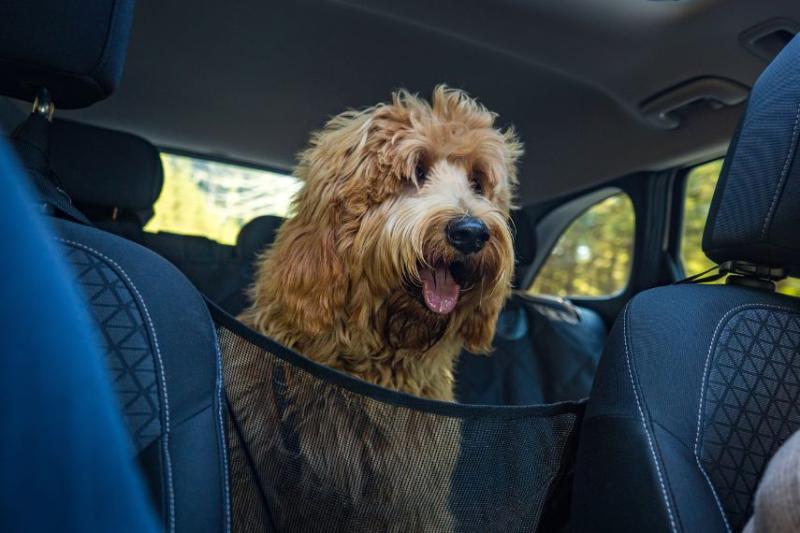
Pets should be secured to avoid injury. Use harnesses, carriers, or pet seat belts to keep them in place.
- Use a crash-tested pet seat belt or harness.
- Place pets in a sturdy carrier that fits in your car.
- Keep pets in the back seat to avoid airbag injuries.
- Never let pets roam freely inside the vehicle.
Maintaining A Comfortable Environment
Comfort helps pets stay calm. Control the car’s temperature and reduce noise.
| Comfort Tip | Reason |
| Keep windows closed or slightly open | Prevents drafts and noise |
| Use a soft blanket or pet bed | Makes the seat cozy |
| Play calming music or keep quiet | Reduces stress |
| Stop for short breaks | Allows stretching and water |
Managing Motion Sickness
Some pets feel sick in cars. Watch for signs like drooling or restlessness.
- Feed pets lightly before travel.
- Keep the car cool and well-ventilated.
- Drive smoothly and avoid sharp turns.
- Consult a vet for medication if needed.
Stopping For Breaks
Taking breaks during car trips helps pets stay calm and comfortable. It also gives them a chance to stretch and relax.
Stopping regularly can reduce stress and prevent accidents caused by restless pets.
Choosing Safe Rest Areas
Pick rest stops that are quiet and safe for your pet to explore. Avoid busy or noisy areas that may scare them.
Look for places with grassy spots and shade. These areas let your pet move freely without danger.
- Check for pet-friendly signs
- Avoid areas near heavy traffic
- Choose spots with clean water sources
- Stay in well-lit areas during evening stops
Stretching And Hydration
Let your pet stretch their legs during breaks to avoid stiffness. Walking helps keep their muscles relaxed.
Always offer fresh water to keep your pet hydrated. Avoid giving water from unknown sources to prevent sickness.
- Take short walks around the rest area
- Bring a portable water bowl
- Offer water frequently, especially in warm weather
- Watch for signs of dehydration like panting or dry nose
Monitoring Pet Behavior
Watch your pet closely during breaks. Look for signs of stress or discomfort so you can act quickly.
If your pet seems tired or anxious, give them extra time to rest before continuing the trip.
- Check for excessive panting or drooling
- Notice if your pet hides or refuses to move
- Observe changes in energy levels
- Speak softly to soothe your pet
Post-travel Care
Traveling with pets can be a fun experience. Once you reach your destination, it’s important to care for your pet. This will help them feel comfortable and safe in the new environment.
Post-travel care involves settling your pet into the new place. Also, watch for any stress signs and reward good behavior to keep them happy.
Settling In At Destination
When you arrive, show your pet around. Let them explore the new space at their own pace. This helps them feel more secure.
Set up their bedding and food in a quiet area. Familiar smells from home can be comforting. This helps them relax and adjust faster.
Observing For Stress Signs
Watch your pet for signs of stress. These can include pacing, whining, or hiding. It’s normal for pets to feel uneasy in a new place.
If you notice stress, give them some space and time. Offer gentle reassurance and avoid forcing them into interactions.
- Excessive panting or drooling
- Refusal to eat or drink
- Unusual aggression or fearfulness
Rewarding Good Behavior
Reward your pet when they behave well in the new environment. Use treats or praise to encourage positive actions.
This makes them feel appreciated and helps them adapt. Consistent rewards encourage them to repeat good behavior.
- Give treats for calm behavior
- Praise when they explore safely
- Playtime for adjusting well

Credit: www.reddit.com
Frequently Asked Questions
How Can I Prepare My Pet For Car Travel?
Start by acclimating your pet to the car environment. Use short trips to build comfort. Bring familiar toys and blankets. Ensure your pet is well-fed but not full before travel. Frequent breaks for water and bathroom needs help reduce stress.
What Are The Best Safety Measures For Pets In Cars?
Use a pet seatbelt, carrier, or crate to secure your pet. Avoid letting pets roam freely inside the vehicle. Keep windows closed or only slightly open. Never leave your pet alone in a parked car, especially in hot weather.
How Do I Reduce My Pet’s Anxiety During Car Rides?
Provide calming aids like a favorite toy or blanket. Maintain a calm demeanor to reassure your pet. Play soothing music or use pheromone sprays. Gradually increase travel time to build tolerance. Consult a vet for anxiety medications if needed.
When Should I Stop For Breaks During Long Car Trips?
Plan stops every 2-3 hours to let your pet stretch and relieve themselves. Offer water and a light snack during breaks. Use these moments to check on your pet’s comfort and health. Short walks help reduce restlessness and anxiety.
Conclusion
Traveling with pets can be safe and fun with some simple steps. Start slow and keep your pet comfortable during the ride. Use proper restraints and take breaks for exercise and water. Watch your pet’s behavior and adjust plans if needed.
Each trip helps your pet get used to car travel more. Enjoy the journey together and create happy memories on the road. Safe travels make your pet feel calm and secure every time.







