
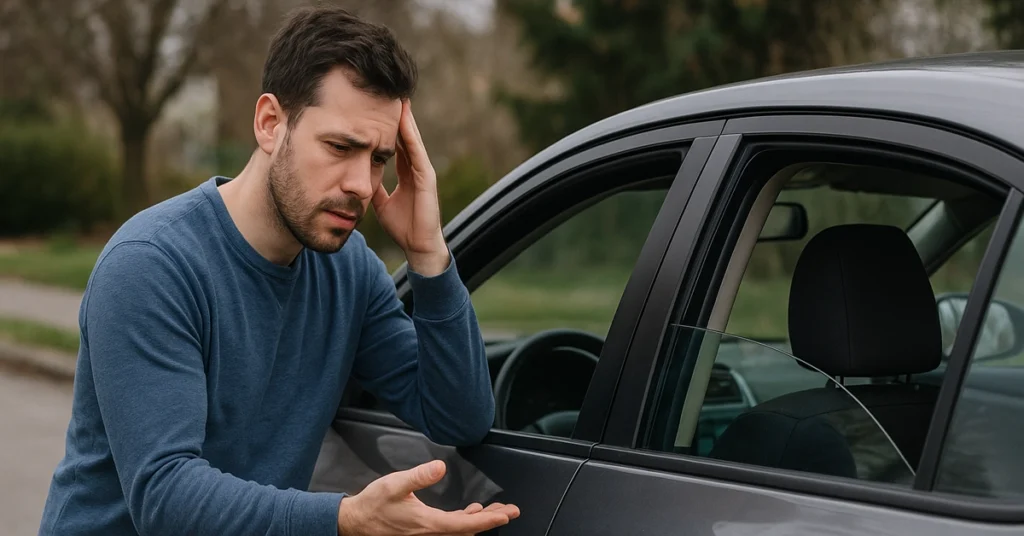
Have you ever faced the frustration of a car door that just won’t budge? It’s a common problem that can catch you off guard, leaving you stuck and stressed.
But don’t worry—handling stuck car doors doesn’t have to be a nightmare. You’ll discover simple, effective tips that can help you fix the issue quickly and safely. Keep reading to learn how you can avoid damage, save time, and get back on the road without hassle.
Your next smooth car door experience starts here.
Credit: www.nuvisionautoglass.com
Common Causes Of Stuck Car Doors
Car doors can get stuck for many reasons. Knowing the causes helps you fix the problem fast.
Some causes relate to weather, while others come from mechanical issues or frozen locks.
Weather-related Issues
Extreme weather can make car doors hard to open or close. Rain, snow, and heat all affect door parts.
- Water can cause swelling in rubber seals.
- Heat can warp door frames.
- Cold weather shrinks materials, causing tight fits.
- Humidity may lead to rust on door hinges.
Mechanical Failures
Parts inside the door may wear out or break. This stops the door from opening smoothly.
| Issue | Effect |
| Broken latch | Door won’t open or close properly |
| Damaged hinges | Door may sag or stick |
| Faulty lock mechanism | Lock does not release |
| Worn cables | Handle won’t operate the latch |
Frozen Door Locks
In cold weather, moisture can freeze inside the lock. This stops the key from turning or the door from opening.
Common signs of frozen locks include:
- Key hard to insert or turn
- Lock feels stiff or stuck
- Door won’t open even with key
Quick Checks Before Trying Fixes
Car doors can get stuck due to simple issues. Checking small parts first saves time. Follow these quick checks before you try any repairs.
Look closely at the door seals, handles, and locks. Each part can cause the door to stick or not open smoothly. Inspect carefully to find the problem.
Inspecting Door Seals
Door seals keep water and air out. Dirt or damage can make the door hard to open or close. Check the seals for cracks or sticky spots.
- Look for torn or worn rubber around the door.
- Clean the seal with a soft cloth and mild soap.
- Apply a silicone-based lubricant to keep seals soft.
- Check for any objects stuck between the seal and the frame.
Testing Door Handles
Door handles can fail if they are loose or broken inside. Test both inside and outside handles carefully. Make sure they move smoothly without sticking.
| Handle Type | What to Check | Signs of Trouble |
| Exterior Handle | Pull motion and latch release | Feels loose or does not pull fully |
| Interior Handle | Lever movement and cable tension | Stiff or no resistance when pulled |
Checking Lock Mechanisms
Locks can jam or freeze, causing doors to stick. Test the lock by turning the key or pressing the button. Listen for clicks and check for smooth action.
Use this checklist to test your car door locks:
- Try locking and unlocking with the key.
- Use the remote or button to lock/unlock.
- Check if the lock moves freely or feels stuck.
- Inspect lock rods inside the door if accessible.
- Look for rust or dirt blocking the lock parts.
Fast Fixes For Frozen Doors
Car doors can freeze shut in cold weather. This can be frustrating when you need to get in quickly. Using safe methods helps you open doors without damage.
Here are some easy ways to handle stuck car doors. Each method uses common items you can find at home or in stores.
Using Warm Water Safely
Pour warm water gently over the frozen edges of the door. This melts the ice that blocks the door seal. Use water that is warm, not hot, to avoid damaging the paint.
- Use water around 100°F (38°C).
- Pour slowly to avoid water seeping inside.
- Dry door edges with a cloth after melting ice.
- Repeat if the door still feels stuck.
Applying De-icer Products
De-icer sprays melt ice quickly and protect door seals. They contain chemicals that lower the freezing point of water.
| Type of De-Icer | How to Use | Notes |
| Aerosol spray | Spray on door edges and locks | Works fast and easy to apply |
| Gel de-icer | Apply with a cloth on frozen parts | Lasts longer than sprays |
| Homemade mix | Use rubbing alcohol and water | Mix 2 parts alcohol to 1 part water |
Heating With A Hairdryer
A hairdryer directs warm air to frozen areas. This melts ice without using liquids. Keep the dryer moving to avoid heat damage.
- Plug in the hairdryer and set to medium heat.
- Hold it a few inches from the door edges.
- Move it around to spread heat evenly.
- Try opening the door gently as ice melts.
Lubrication Tips For Smooth Operation
Stuck car doors can be frustrating and hard to open. Proper lubrication helps your car doors work smoothly and last longer.
This guide shares simple tips on choosing the right lubricant, applying it correctly, and avoiding common mistakes.
Choosing The Right Lubricant
Pick a lubricant made for car doors or hinges. Silicone sprays and white lithium grease work well. Avoid oil-based products that attract dirt.
- Silicone spray: protects and repels water
- White lithium grease: lasts longer on metal parts
- Graphite powder: good for locks but messy
- Avoid WD-40 as a long-term lubricant
How To Apply Lubricant Properly
Clean the door hinges and lock before applying lubricant. Dirt blocks the lubricant from working well. Use a cloth or brush to remove grime.
- Shake the lubricant can well.
- Spray or apply a small amount on the hinge pins and lock parts.
- Open and close the door several times to spread lubricant evenly.
- Wipe off any extra lubricant with a clean cloth.
Avoiding Common Mistakes
| Mistake | Why to Avoid | Better Choice |
|---|---|---|
| Using too much lubricant | Attracts dirt and dust | Apply a thin layer only |
| Skipping cleaning before lubrication | Dirt reduces lubricant effect | Clean parts first |
| Using the wrong lubricant type | Can damage rubber seals or paint | Use silicone or lithium grease |
| Ignoring regular maintenance | Door will stick again over time | Lubricate every 6 months |
When To Use Tools For Door Release
Car doors can get stuck for different reasons. Sometimes, using tools helps open the door safely.
Knowing when to use tools avoids damage and keeps the car door working well.
Using A Slim Jim Correctly
A slim jim is a thin metal tool that slides between the window and the weatherstripping. It helps reach the lock mechanism inside the door.
Use the slim jim carefully to avoid hurting the wires or locking parts inside the door.
- Insert the tool slowly and gently
- Move it to find the lock rod
- Lift or push the rod to unlock the door
- Stop if you feel resistance or damage risk
Employing Plastic Wedges
Plastic wedges help create a small gap between the door and the car frame. This gap lets you insert tools like a slim jim safely.
Use wedges gently to avoid bending or breaking the door frame or weatherstripping.
- Place the wedge near the top corner of the door
- Tap it lightly to open a small space
- Insert the unlocking tool through the gap
- Work slowly to keep the door frame safe
Precautions To Take
Using tools on car doors can cause damage if done wrong. Always take safety steps before trying to open a stuck door.
Know your car’s door type and locking system to avoid mistakes.
- Check if the door is stuck due to ice or dirt first
- Use tools only if you feel confident and careful
- Wear gloves to protect your hands
- Avoid forcing tools to prevent damage
- Call a professional if unsure about using tools

Credit: www.reddit.com
Preventing Future Door Jams
Stuck car doors can be a hassle. Preventing them saves time and frustration. Follow these tips to keep your doors functioning smoothly.
Regular checks and care can prevent door issues. Simple steps help maintain your car’s doors.
Regular Maintenance Routines
Regular maintenance is key to avoiding stuck doors. Simple checks can prevent major problems.
- Lubricate door hinges every few months.
- Clean and inspect door seals regularly.
- Check door handles for smooth operation.
Protecting Doors In Harsh Weather
Weather can damage car doors. Protect them during extreme conditions.
Use a protective car cover during storms or heavy snow.
Apply silicone spray to door seals to prevent freezing.
Upgrading Door Components
Consider upgrading parts to improve door function. New components can enhance durability.
| Component | Upgrade Benefit |
| Door Seals | Better insulation and noise reduction |
| Hinges | Smoother door movement |
| Handles | Increased durability and strength |
Knowing When To Call A Professional
Car doors can get stuck due to various reasons. Sometimes, fixing them yourself is not the best idea. Knowing when to call a professional can save you time and prevent further damage.
Professionals have the right tools and skills to handle tricky situations. Let’s explore signs that indicate you need expert help.
Signs Of Serious Damage
If the door handle feels loose or does not move, it might be serious. Strange noises when you try to open the door can also be a warning sign.
When you see visible damage to the door frame, it is time to call a professional. Ignoring these signs can make the problem worse.
Choosing The Right Locksmith
Find a locksmith who is experienced in dealing with car doors. Ask friends or family for recommendations, or read online reviews.
Check if the locksmith is licensed and insured. This ensures they are qualified to handle your car safely.
- Look for experience with your car model
- Read reviews for customer satisfaction
- Verify credentials and insurance
Cost Considerations
Professional help can be costly, but it prevents bigger problems later. Compare prices from different locksmiths to find a fair rate.
Some locksmiths offer free quotes. Ask about any extra charges so you are not surprised by the final bill.
| Service Type | Estimated Cost |
| Basic Door Repair | $50 – $100 |
| Complex Lock Issues | $100 – $200 |
| Emergency Services | $150 – $300 |

Credit: www.fosterwallace.com
Frequently Asked Questions
Why Is My Car Door Stuck And Won’t Open?
Car doors can get stuck due to frozen locks, damaged seals, or mechanical issues. Dirt and rust may also cause obstruction. Identifying the exact cause helps apply the right fix quickly and prevents door damage or costly repairs.
How Can I Safely Unlock A Frozen Car Door?
To safely unlock a frozen door, use warm water or a hairdryer on the lock. Avoid force to prevent damage. Applying de-icer spray or gently tapping around the door edges can also help thaw frozen parts efficiently.
What Tools Help Fix A Stuck Car Door At Home?
Common tools include a lubricant spray, a flathead screwdriver, and a rubber mallet. Lubricants ease lock mechanisms. Screwdrivers can gently pry stuck seals. Always use tools carefully to avoid further damage or voiding warranties.
Can Weather Affect Car Door Functionality?
Yes, extreme cold causes freezing of locks and seals, while heat may warp door components. Regular maintenance and weatherproof treatments can reduce these effects and keep doors functioning smoothly throughout the year.
Conclusion
Stuck car doors can cause real trouble. Small efforts often fix the problem fast. Try simple tricks like using lubricant or gentle pressure. Stay calm and avoid force that may harm the door. Regular care helps keep doors working well.
Remember, quick action saves time and stress. Keep these tips handy for any door trouble. Your car door will thank you.







