
Imagine you’re driving down the highway, and suddenly your car starts to heat up. Your heart races, and you wonder what to do next.
Overheating can happen to anyone, at any time, and it’s more than just an inconvenience—it can be dangerous. But don’t worry. You’ll discover simple, effective tips to handle overheating quickly and safely. Knowing these steps could save you from a costly breakdown and keep you and your loved ones safe on the road.
Keep reading to learn exactly what to do when your engine starts to overheat.
Recognize Overheating Signs
Driving on highways can cause your engine to heat up. Knowing the signs of overheating helps keep you safe. Watch for warning signs early to avoid engine damage.
This guide covers key signs like dashboard warnings, steam or smells, and engine noises. Learn to spot these signs quickly.
Dashboard Warning Lights
Your car dashboard shows warning lights if the engine is too hot. The temperature gauge may rise above normal levels. A red thermometer or “engine” icon can appear.
- Temperature gauge in the red zone
- Red thermometer icon
- Engine warning light blinking or steady
Steam And Smell Indicators
Steam from under the hood is a clear sign of overheating. A sweet or burning smell may come from coolant leaks or hot engine parts. These signs mean stop driving soon.
| Indicator | What it Means |
| White steam | Coolant boiling over |
| Sweet smell | Coolant leak |
| Burning smell | Overheated engine parts |
Engine Noise Changes
An overheating engine may make new sounds. Listen for knocking, ticking, or loud humming. These noises mean the engine is under stress and needs attention.
- Knocking or pinging sounds
- Ticking noises from the engine bay
- Loud humming or whining
Credit: www.foglesongtow.com
Immediate Actions To Take
Overheating on highways can cause serious car damage. Acting fast helps keep you safe and protects your vehicle.
Follow these steps carefully to handle the situation and avoid accidents or further damage.
Safely Pull Over
Look for a safe spot to stop your car. Use your turn signal to show other drivers you are moving over.
- Choose a flat area away from traffic.
- Turn on your hazard lights to alert others.
- Stop the car as far right as possible.
- Apply the parking brake once stopped.
Turn Off The Engine
Switch off your engine immediately. This stops the heat source and prevents more damage to the car.
Do not try to restart the engine until the car cools down completely.
Open The Hood Carefully
Wait at least 15 minutes before opening the hood. Hot steam or fluids can cause burns.
| Safety Tips | Details |
|---|---|
| Wear gloves | Protect your hands from heat and sharp parts. |
| Open hood slowly | Release pressure gradually to avoid steam bursts. |
| Check coolant level | Look for leaks or low fluid after the engine cools. |
| Call for help | If unsure, contact roadside assistance. |
Cooling Techniques On The Road
Overheating can happen anytime on highways. It is important to know how to cool your car safely.
Using the right techniques helps prevent damage and keeps you safe while driving.
Use Water Wisely
Water can cool the engine if it is overheating. Use it carefully to avoid damage.
Do not pour cold water on a hot engine. It can cause cracks in the parts.
- Let the engine cool for at least 30 minutes first.
- Pour lukewarm water slowly on the radiator or engine block.
- Use water only if coolant is not available.
Check Coolant Levels
Coolant helps keep the engine temperature steady. Check the levels before and during long drives.
Low coolant can cause the engine to overheat quickly. Always refill with the correct type of coolant.
- Find the coolant reservoir under the hood.
- Check if the fluid is between the minimum and maximum marks.
- Top up coolant if it is low, but do not overfill.
- Use a 50/50 mix of coolant and water for best results.
Restarting With Caution
After the engine cools down, restart your car carefully. Watch the temperature gauge closely.
If the engine heats up again fast, stop and wait longer. Do not keep driving with a hot engine.
- Turn off the air conditioner to reduce engine load.
- Drive slowly and avoid heavy traffic or hills.
- Pull over if the temperature rises again.
Credit: smartfinancial.com
Preventive Maintenance Tips
Overheating on highways can cause serious engine damage. Preventive maintenance helps avoid this problem.
Check your vehicle often to keep the cooling system working well. This keeps your engine safe.
Regular Coolant Checks
Check the coolant level in the reservoir regularly. Low coolant can cause the engine to overheat fast.
- Open the hood when the engine is cool.
- Look at the coolant level marks on the tank.
- Top up with the right coolant if the level is low.
- Check for leaks under the car or around the engine.
- Replace old coolant as recommended in your vehicle manual.
Inspect Radiator And Hoses
Radiator and hoses carry coolant and must be clean and tight. Damage here causes leaks and overheating.
| Component | What to Check | Signs of Trouble |
|---|---|---|
| Radiator | Clean fins and no blockages | Dirt buildup, bent fins, leaks |
| Hoses | No cracks or leaks | Soft spots, cracks, wetness |
Thermostat And Fan Functionality
The thermostat controls engine temperature. The fan cools the radiator when needed. Both must work well.
Check these key points:
- Thermostat opens at the right temperature. If stuck closed, the engine overheats.
- Cooling fan turns on when engine gets hot. If it fails, heat builds up quickly.
- Listen for fan noise or feel airflow near the radiator with engine running.
- Have a mechanic replace faulty thermostat or fan parts immediately.
Emergency Supplies To Carry
Driving on highways can cause your vehicle to overheat. It’s important to be prepared with the right emergency supplies. This guide will help you carry the essentials for a safe journey.
Having the right items can make a big difference. Let’s explore the key supplies you should always keep in your vehicle.
Coolant And Water
Coolant and water are crucial for preventing engine overheating. These fluids help regulate the temperature of your engine.
- Keep a bottle of coolant in your trunk.
- Carry at least two liters of water.
- Check levels regularly and refill when needed.
Basic Tools
Basic tools can help you fix minor issues on the road. They are essential for quick repairs and adjustments.
| Tool | Purpose |
| Wrench | Tightening bolts |
| Screwdriver | Adjusting screws |
| Pliers | Gripping objects |
Safety Gear
Safety gear ensures your well-being during an emergency. Always be prepared to protect yourself and others.
- Reflective vest for visibility
- First-aid kit for minor injuries
- Flashlight with spare batteries

Credit: www.youtube.com
When To Call For Help
Overheating on highways can be dangerous. Knowing when to call for help is important for your safety.
Some signs mean you should get professional help right away. This guide shows when to call roadside assistance.
Signs Of Severe Damage
Check your car for signs of serious damage if it overheats. These signs mean you need help fast.
- Smoke or steam coming from under the hood
- Coolant leaking onto the road
- Engine warning lights on the dashboard
- Car losing power or stalling
- Unusual noises from the engine area
Do not try to fix these problems on a busy highway. Call for help immediately to avoid danger.
Roadside Assistance Options
You can use different help options if your car overheats. Choose the one that fits your situation best.
- Call a trusted towing service
- Use your car insurance roadside assistance
- Contact a local mechanic for emergency help
- Use a mobile app to request roadside service
Keep your phone charged and have emergency numbers ready before driving.
Waiting Safely On The Highway
After calling for help, wait safely away from traffic. Your safety is the top priority.
- Move your car to the shoulder if possible
- Turn on your hazard lights
- Stay inside your vehicle if safe
- Exit the vehicle only if necessary and stand away from traffic
- Use reflective triangles or flares to warn other drivers
Stay calm and wait for assistance to arrive. Do not try to drive if your car is overheating.
Frequently Asked Questions
What Causes Vehicle Overheating On Highways?
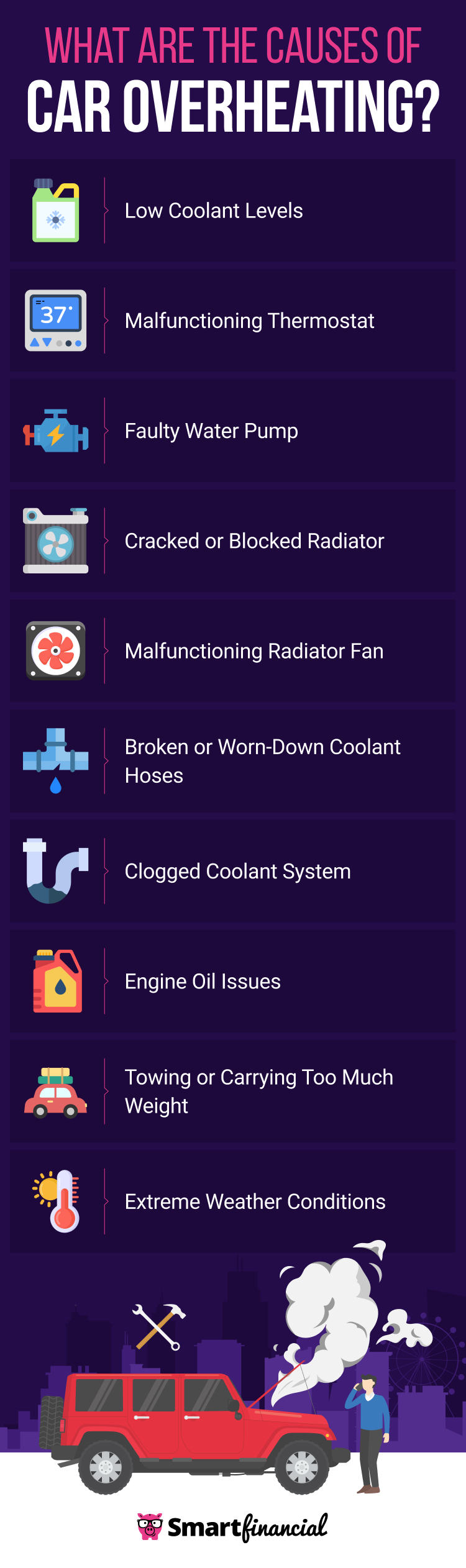
Overheating on highways often results from prolonged high speeds, poor coolant levels, or radiator issues. Engine strain and blocked airflow reduce cooling efficiency, leading to temperature spikes. Regular maintenance and monitoring coolant help prevent overheating during long drives.
How Can I Prevent My Car From Overheating?
To prevent overheating, check coolant levels regularly and inspect for leaks. Ensure the radiator and fans work properly. Avoid heavy loads and stop frequently on hot days. Timely servicing of the cooling system keeps your engine running cool on highways.
What Immediate Steps To Take If My Car Overheats?
If your car overheats, safely pull over and turn off the engine. Open the hood to release heat but avoid touching hot parts. Allow the engine to cool before checking coolant levels or calling for roadside assistance to prevent damage.
Does Using Air Conditioning Cause Overheating?
Using air conditioning can increase engine load but does not directly cause overheating. However, on hot highways, combined stress may raise engine temperature. Monitor gauges closely and reduce AC use if temperatures climb, ensuring your cooling system is in good condition.
Conclusion
Overheating on highways can cause serious car problems. Watch your temperature gauge often. Stop safely to cool your engine if needed. Keep water and coolant ready before you travel. Avoid driving too fast in hot weather. Small steps prevent big troubles on the road.
Stay calm and act quickly when overheating happens. Your safety depends on how well you handle it. Drive smart and keep your car healthy always.







