
Floods can catch you off guard, especially when you’re behind the wheel. Knowing how to handle your car in flood situations isn’t just useful—it can be a lifesaver.
Imagine being stuck in rising water or trying to navigate flooded streets safely. What you do in those critical moments can make all the difference. You’ll discover simple but powerful tips that can protect you, your passengers, and your vehicle when water levels rise.
Keep reading, because these easy-to-follow steps could be the key to staying safe during a flood.
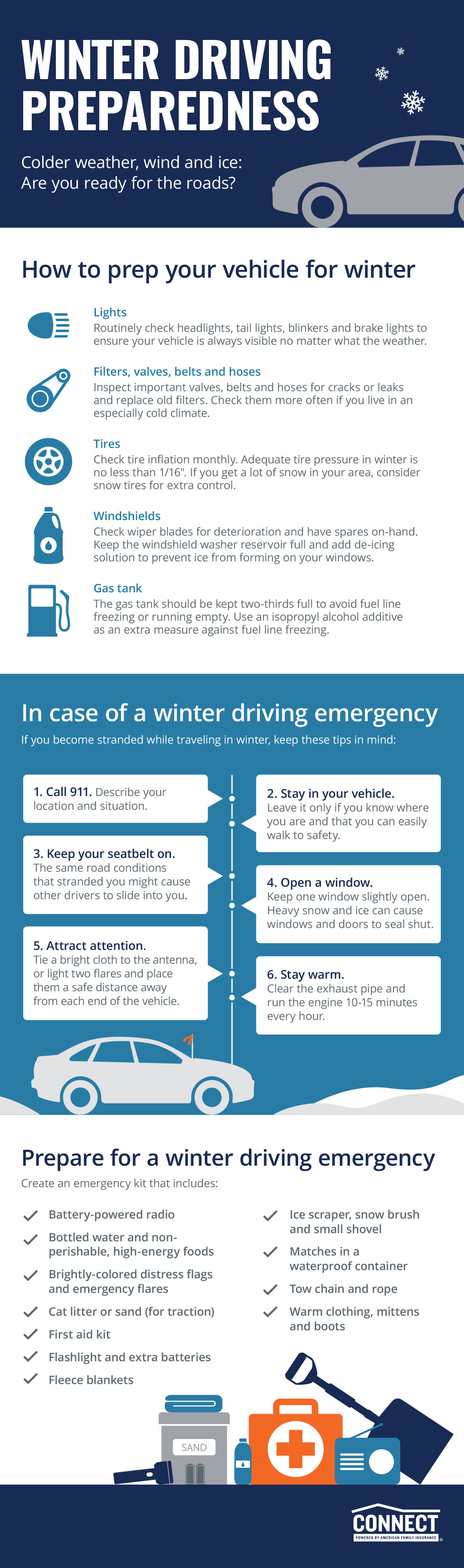
Credit: www.connectbyamfam.com
Preparing Your Car For Floods
Floods can cause serious damage to your vehicle. Preparing your car helps protect it and keeps you safe.
Simple checks and tools can reduce the risk of flood damage. Learn what to do before the flood arrives.
Check Engine And Electrical Systems
Water can harm your car’s engine and electrical parts. Inspect and maintain these systems often to avoid problems.
- Check the battery terminals for corrosion and clean if needed.
- Inspect all wiring for loose or damaged connections.
- Make sure the engine oil and air filters are clean and changed regularly.
- Test headlights, brake lights, and turn signals to ensure they work well.
Seal Doors And Windows
Sealing doors and windows stops water from entering the car. Check the seals and replace if they are cracked or worn out.
| Part | What to Check | Action |
| Door seals | Cracks, gaps, and hardness | Replace if damaged |
| Window seals | Loose fit and tears | Repair or replace |
| Sunroof | Proper closure and seal | Test and fix leaks |
Install Flood Alerts And Apps
Use technology to stay informed about flood risks in your area. Flood alert apps can warn you early.
- Download trusted flood alert apps on your phone.
- Enable notifications for local weather and flood warnings.
- Check alerts regularly during heavy rain or storms.
- Share alerts with family and friends for safety.
Before Driving Through Flooded Areas
Driving through flooded areas can be dangerous. It is important to prepare before you start your trip. Knowing what to check helps keep you safe.
This guide covers key actions to take before driving through flood waters. Follow these tips to avoid trouble and stay secure.
Assess Water Depth
Check how deep the water is before you drive. Water over six inches can cause your car to lose control. Avoid driving if the water is too deep.
- Look for nearby objects or road signs to gauge depth.
- Watch for moving water that can push your car.
- Use a stick or pole to test the water level if safe.
Plan Alternative Routes
Floods can block roads suddenly. Plan different routes before you start. This helps you avoid getting stuck or caught in rising water.
| Route Option | Flood Risk | Estimated Travel Time |
| Main Road | High | 20 minutes |
| Secondary Road | Low | 25 minutes |
| Highway | Medium | 30 minutes |
Inform Someone About Your Route
Tell a friend or family member your travel plan. Share your route and expected arrival time. This helps others know your location in case of emergency.
- Send your route details via text or call.
- Update them if your plans change.
- Keep your phone charged and with you.
Driving Techniques In Flooded Roads
Driving on flooded roads is risky. Water can hide dangers and damage your car.
Use careful driving techniques to stay safe and protect your vehicle.
Drive Slowly And Steadily
Drive at a slow and steady pace in floodwater. Speed can cause water to splash into your engine.
Keep a constant speed to avoid losing control on slippery surfaces.
Avoid Sudden Braking Or Acceleration
Do not brake or accelerate suddenly in flooded areas. It can cause skidding or water to enter the exhaust.
Smooth and gentle movements help keep traction and prevent engine damage.
Stay In The Center Of The Road
Water is usually shallowest in the center of the road. Stay there to avoid deep water near edges.
Driving closer to the center reduces the risk of hitting hidden potholes or debris.

Credit: texasready.gov
What To Do If Your Car Stalls
Floods can cause serious problems for drivers. Your car might stall if water gets into the engine. Knowing what to do can keep you safe.
Follow these tips to handle a stalled car in flood water. Acting quickly and calmly is very important.
Do Not Restart The Engine
Do not try to start your car again if it stalls in water. Starting the engine can cause more damage. Water can enter the engine and ruin it.
Restarting may also cause the car to stall again. This wastes time and can be dangerous in flood conditions.
Exit The Vehicle Safely
Get out of the car as soon as you can if it stalls in flood water. Open the door or window carefully to avoid water pressure.
Leave the vehicle calmly and move away from deep water. Do not try to rescue items from the car.
- Unlock doors gently
- Use windows if doors are stuck
- Help others if safe
- Avoid fast-moving water
Seek Higher Ground
After leaving your car, find higher ground quickly. Flood water can rise fast and become more dangerous.
Stay away from water and wait for help. Higher places reduce the risk of injury or drowning.
- Move to hills or elevated roads
- Stay visible to rescuers
- Keep calm and wait for assistance
Post-flood Car Safety Checks
Floods can cause serious damage to your car. Checking your vehicle after a flood keeps you safe. It also prevents bigger repair costs later.
Look carefully for signs of water damage. Test your brakes and tires. Always get a mechanic to inspect your car after flooding.
Inspect For Water Damage
Check the inside and outside of your car for water damage. Look for wet carpets, mud, or rust. Smell for musty odors that show water entered the cabin. Also, check under the hood for water in the engine or fluids.
- Remove floor mats and dry carpets thoroughly
- Look for water stains on seats and door panels
- Check electrical parts for corrosion or moisture
- Inspect the trunk and spare tire area for dampness
Check Brakes And Tires
Flood water can harm brakes and tires. Test brakes in a safe place. Make sure they work well and do not feel soft or spongy. Look at tires for cuts or bulges. Check the tire pressure since water can cause leaks.
| Brake Check | Signs to Watch |
| Brake pedal feel | Should be firm, not soft |
| Brake noise | Listen for grinding or squeaking |
| Tire condition | No cracks, cuts, or bulges |
| Tire pressure | Match recommended levels |
Get Professional Mechanical Inspection
Flood damage is not always visible. A mechanic can find hidden problems. They check the engine, transmission, and electrical system. They also test fluids and filters for contamination.
Ask the mechanic to:
- Drain and replace all fluids
- Inspect wiring and connectors
- Test battery and alternator
- Check exhaust and fuel systems
- Look for rust on the frame and underbody
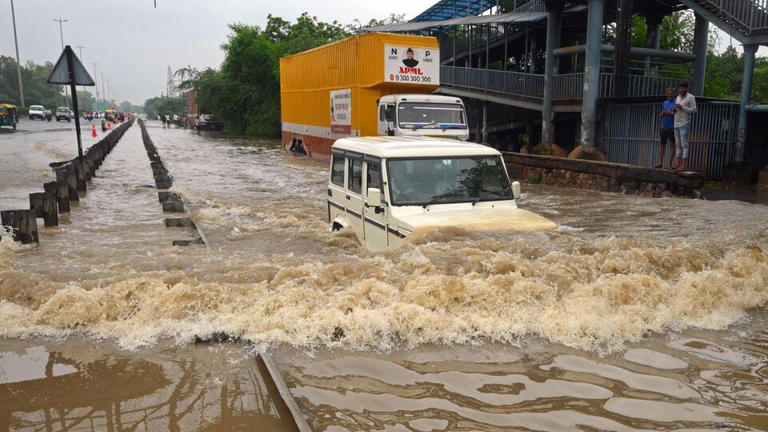
Credit: www.msn.com
Safety Gear And Emergency Supplies
Driving in flood situations can be dangerous. Having the right gear helps keep you safe. Always be prepared with emergency supplies.
These tips will guide you on what to keep in your car. Safety should always be your top priority.
Keep A Flood Survival Kit
A flood survival kit can save your life. It should have essential items to help in emergencies.
- Non-perishable food and water
- First aid kit
- Flashlight with extra batteries
- Warm blankets
- Rain ponchos
Use Life Jackets And Emergency Tools
Life jackets are crucial if water levels rise. Keep them in your car for safety.
Emergency tools help in difficult situations. A window breaker and seatbelt cutter are useful.
- Life jackets for each passenger
- Window breaker
- Seatbelt cutter
Have A Mobile Phone Charger
Your mobile phone is vital during floods. It helps you call for help and find safe routes.
Keep a charger that works in your car. This ensures your phone stays charged and ready.
- Car mobile charger
- Power bank
- Extra charging cables
Frequently Asked Questions
How To Safely Drive A Car Through Floodwater?
Drive slowly and steadily through shallow floodwater, not exceeding six inches deep. Avoid sudden stops or acceleration to prevent water intake. If water is deeper, do not attempt to drive through. Always prioritize safety and consider turning back to avoid engine damage or loss of control.
What Should I Do If My Car Stalls In A Flood?
If your car stalls in floodwater, exit immediately if safe. Avoid restarting the engine, as it can cause severe damage. Seek higher ground and call for roadside assistance. Prioritize personal safety over the vehicle to prevent drowning or injury.
How To Prevent Car Damage During Floods?
Park your car on higher ground away from flood zones. Seal windows and doors to prevent water entry. Disconnect the battery if flooding is expected. Regularly check and service brakes, tires, and electrical systems to minimize flood damage.
Can Driving Through Floodwater Damage My Car Engine?
Yes, driving through floodwater can cause engine hydrolock, leading to costly repairs. Water entering the engine disrupts combustion and damages internal parts. Avoid deep water and never drive through moving floodwater to protect your vehicle.
Conclusion
Handling your car safely during floods saves lives and reduces damage. Act quickly and stay calm. Avoid driving through deep water. Keep emergency tools handy at all times. Remember, your safety matters more than your car. Follow these tips to protect yourself and your vehicle.
Stay alert to weather updates and road conditions. Always plan an escape route before flooding occurs. Taking simple steps can prevent costly repairs. Stay safe and be prepared for unexpected floods.







