
Imagine you’re driving, and suddenly you notice smoke coming from your car. Your heart races, and panic starts to set in.
What do you do next? Knowing how to handle a car fire safely could save your life and protect those around you. You’ll discover simple, clear tips that anyone can follow to stay calm and act quickly in a dangerous situation.
Keep reading—your safety might depend on what you learn here.
Recognizing Early Signs
Car fires can start quickly. Knowing the early signs helps you act fast. This guide explains key warning signals to watch for.
Pay attention to unusual smells, dashboard alerts, and strange sounds. These can save your life by letting you stop the car in time.
Smoke And Burning Smell
Smoke or a burning smell is a clear sign of trouble. It may come from the engine or tires. Do not ignore this warning.
- Look for smoke near the front of the car.
- Notice if the smell is strong or unusual.
- Check if the smoke is white, blue, or black.
- Stop driving and move to safety if you see smoke.
Warning Lights On Dashboard
Dashboard lights signal engine or electrical problems. Some lights warn of overheating or battery issues that can cause fires.
| Warning Light | Meaning | Action |
| Engine Temperature | Engine overheating | Stop car, let engine cool |
| Battery | Electrical system issue | Turn off engine, check battery |
| Oil Pressure | Low oil pressure | Stop car, check oil level |
| Check Engine | General engine problem | Have mechanic inspect soon |
Unusual Engine Noises
Strange sounds from the engine can warn of damage or fire risk. Listen for knocking, hissing, or loud ticking.
- Knocking may mean engine problems.
- Hissing can signal a coolant leak or fire risk.
- Loud ticking may show mechanical damage.
- Stop and inspect if you hear these noises.
Immediate Actions To Take
Car fires are dangerous and require quick action. Knowing what to do can keep you safe.
Follow these steps to handle a car fire safely and protect yourself and others.
Pull Over Safely
Move your car away from traffic and stop in a safe spot. Avoid places near buildings or trees.
Turn on your hazard lights to warn other drivers that your car is stopped.
Turn Off The Engine
Switch off the engine immediately. This stops fuel flow and reduces fire risk.
After turning off the engine, do not open the hood if you see smoke or flames. Opening it can feed the fire with oxygen.
Evacuate Passengers Quickly
Get everyone out of the car fast. Stay calm and move to a safe distance away from the vehicle.
- Help children and elderly passengers out first.
- Do not stop to collect belongings.
- Call emergency services once you are safe.
Using Fire Extinguishers
Car fires can start quickly and spread fast. Knowing how to use a fire extinguisher can save lives and property.
Before using an extinguisher, make sure you understand the right type and proper technique. Safety is key.
Choosing The Right Extinguisher
Use a fire extinguisher rated for flammable liquids and electrical fires. Class B and Class C extinguishers are suitable for car fires.
| Class | Fire Type | Use on Car Fires |
| B | Flammable liquids like gasoline | Yes |
| C | Electrical fires | Yes |
| A | Wood, paper, cloth | No |
| D | Metal fires | No |
Proper Extinguisher Technique
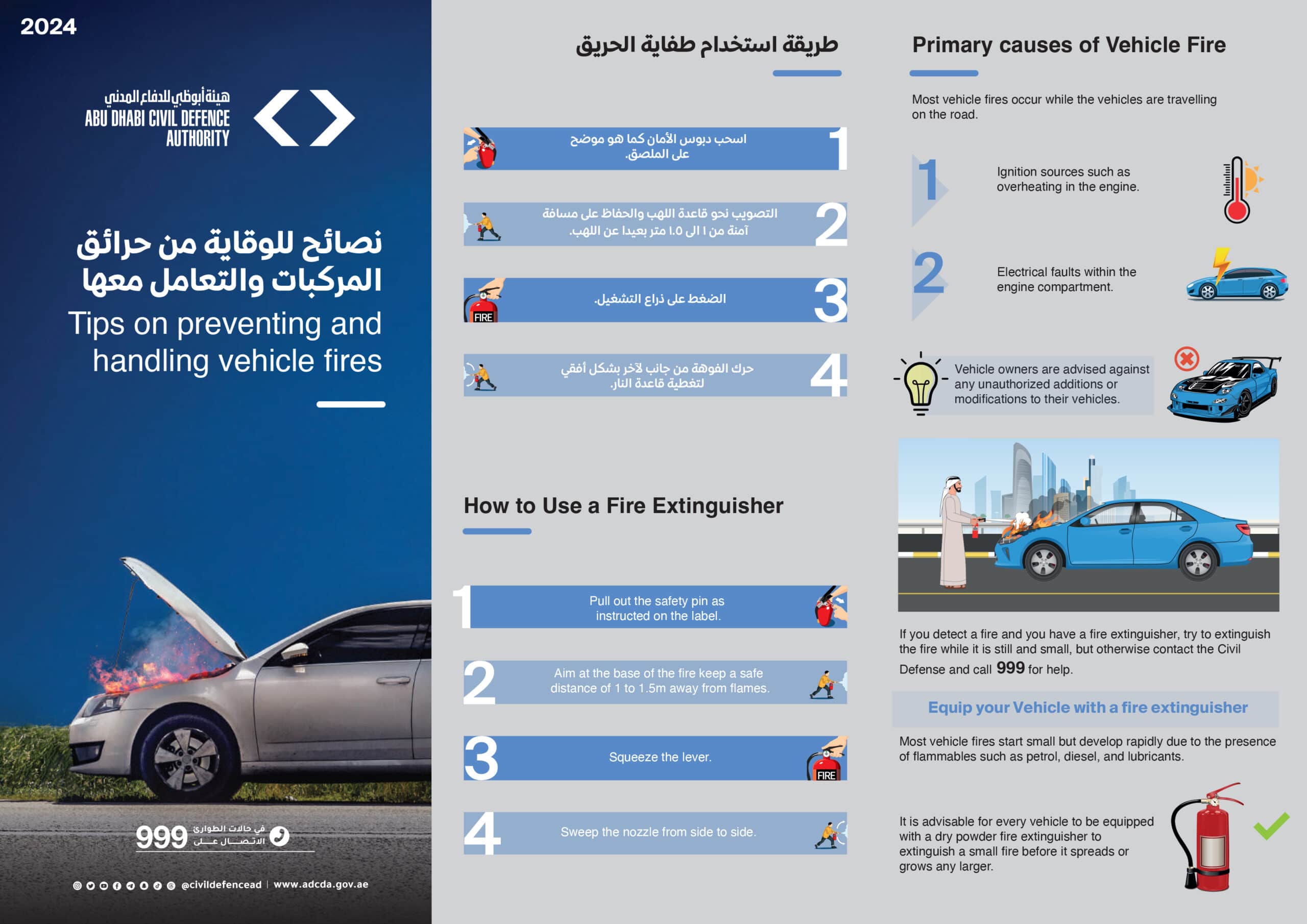
Use the PASS method to operate a fire extinguisher safely and effectively.
- Pull the pin to unlock the extinguisher.
- Aim the nozzle at the base of the fire.
- Squeeze the handle to release the extinguishing agent.
- Sweep the nozzle side to side to cover the fire area.
When Not To Fight The Fire
Do not try to fight the fire if it is too large or spreading fast. Your safety is the priority.
- If smoke is thick and heavy, leave immediately.
- If you feel heat on your skin, move away.
- If the fire is near the fuel tank, do not approach.
- Always call emergency services before attempting to extinguish.

Credit: www.fireproductsdirect.com.au
Calling For Emergency Help
Car fires can be very dangerous. Knowing how to call for help quickly is important. Acting fast can save lives and reduce damage.
In this guide, we will share tips to contact emergency services and stay safe until help arrives.
Contacting Fire Services
Call emergency services as soon as you notice a fire. Use your phone to dial the local fire department or emergency number.
Speak clearly and stay calm. Give your name and explain that your car is on fire. Do not hang up until they say it is okay.
Providing Clear Location Details
Give exact details about your location. Mention nearby landmarks, road names, or mile markers. This helps firefighters find you fast.
If you are on a highway, say which lane you are in and your direction of travel. If you have GPS, share your coordinates if possible.
- State the city or town
- Name the street or highway
- Describe nearby buildings or signs
- Give your lane and direction
- Share GPS coordinates if available
Staying Safe While Waiting
Move away from the car to a safe distance. Stay upwind of the smoke to avoid breathing harmful fumes.
Do not try to put out the fire yourself unless you have a fire extinguisher and know how to use it. Wait for firefighters to arrive.
- Keep at least 100 feet from the car
- Stay behind barriers if possible
- Avoid smoke and fumes
- Warn others to stay away
- Follow instructions from emergency workers
Preventing Car Fires
Car fires can start quickly and cause serious damage. Taking steps to prevent fires helps keep you safe on the road.
Simple habits and regular care reduce the risk of a fire in your vehicle. Learn how to protect your car and yourself.
Regular Vehicle Maintenance
Keeping your car in good shape lowers the chance of a fire. Check all parts often and fix problems fast.
- Inspect fuel lines for leaks or cracks
- Replace worn or damaged wiring
- Check the battery for corrosion and secure connections
- Clean oil and grease buildup from the engine
- Ensure the exhaust system is free of damage
Avoiding Flammable Materials Inside Car
Keep your car free from items that can catch fire easily. These materials can fuel a fire if there is a spark or heat.
| Flammable Item | Why It Is Risky |
| Paper and cardboard | Burns quickly and spreads fire |
| Aerosol cans | May explode under heat |
| Gasoline containers | Highly flammable and dangerous if spilled |
| Clothing with oil stains | Can ignite from small sparks |
Safe Handling Of Fuel
Fuel is one of the main causes of car fires. Handle it carefully to avoid accidents and leaks.
- Turn off the engine before refueling
- Do not smoke or use a phone near fuel pumps
- Use approved containers to store extra fuel
- Clean up any spilled fuel immediately
- Check the fuel cap is tightened after filling
Credit: hyundai-uae.com
After The Fire: What To Do
Experiencing a car fire can be frightening and stressful. It’s important to know what steps to take afterwards to ensure safety and proper handling of the situation.
Once the fire is out, focus on reporting the incident, dealing with insurance claims, and seeking medical attention if needed.
Reporting The Incident
Contact the local authorities to report the car fire. This is crucial for legal documentation and safety checks.
- Call emergency services immediately after ensuring personal safety.
- Provide a detailed account of the incident to the authorities.
- Request a copy of the fire report for your records.
Insurance Claims Tips
Insurance claims can be complex. It’s important to gather all necessary information and contact your insurance provider promptly.
| Action | Description |
| Document Damages | Take photos of the car and any affected belongings. |
| Contact Provider | Inform your insurance company about the incident. |
| Submit Claims | Provide all required documents and reports. |
Seeking Medical Attention
Your health should be a top priority after any accident. Even if you feel fine, it’s wise to get checked by a medical professional.
- Visit a doctor for a thorough examination.
- Check for any smoke inhalation or minor injuries.
- Keep all medical records for insurance purposes.

Credit: stock.adobe.com
Frequently Asked Questions
What Are The First Steps To Take During A Car Fire?
Immediately pull over safely and turn off the engine. Evacuate all passengers quickly. Move away at least 100 feet to avoid injury. Call emergency services without delay. Do not try to open the hood if smoke or flames are visible.
How Can I Safely Use A Fire Extinguisher On My Car?
Only use a fire extinguisher if the fire is small and manageable. Aim at the base of the fire, sweeping side to side. Keep a safe distance and avoid inhaling smoke. If the fire grows, evacuate immediately and wait for firefighters.
What Causes Most Car Fires And How To Prevent Them?
Common causes include fuel leaks, electrical faults, and overheating engines. Regular maintenance and inspections reduce risks. Fix leaks and worn wiring promptly. Avoid parking on dry grass or flammable surfaces. Carry a fire extinguisher for emergencies.
When Should I Call Emergency Services For A Car Fire?
Call emergency services immediately if the fire is uncontrolled or spreading. Even small fires can escalate quickly. Never attempt to fight a large fire alone. Prioritize safety by evacuating and alerting professionals to handle the situation.
Conclusion
Car fires can happen anytime. Stay calm and act fast. Always keep a fire extinguisher in your car. Know how to use it before an emergency. Move away from the car quickly and call for help. Never try to open the hood if fire is strong.
Your safety is the top priority. Practice these tips to stay safe on the road. Being prepared can save lives and reduce damage. Remember, quick action and calm thinking make a difference. Stay alert and drive safely every day.







