
Imagine this: you’re driving, and suddenly, a car accident happens. What do you do next?
Knowing the right steps can protect you, keep you safe, and even save money. This guide will give you simple, clear tips for handling car accidents safely. By following these easy actions, you’ll stay calm, avoid mistakes, and make sure everything is taken care of properly.
Keep reading—your safety and peace of mind depend on it.
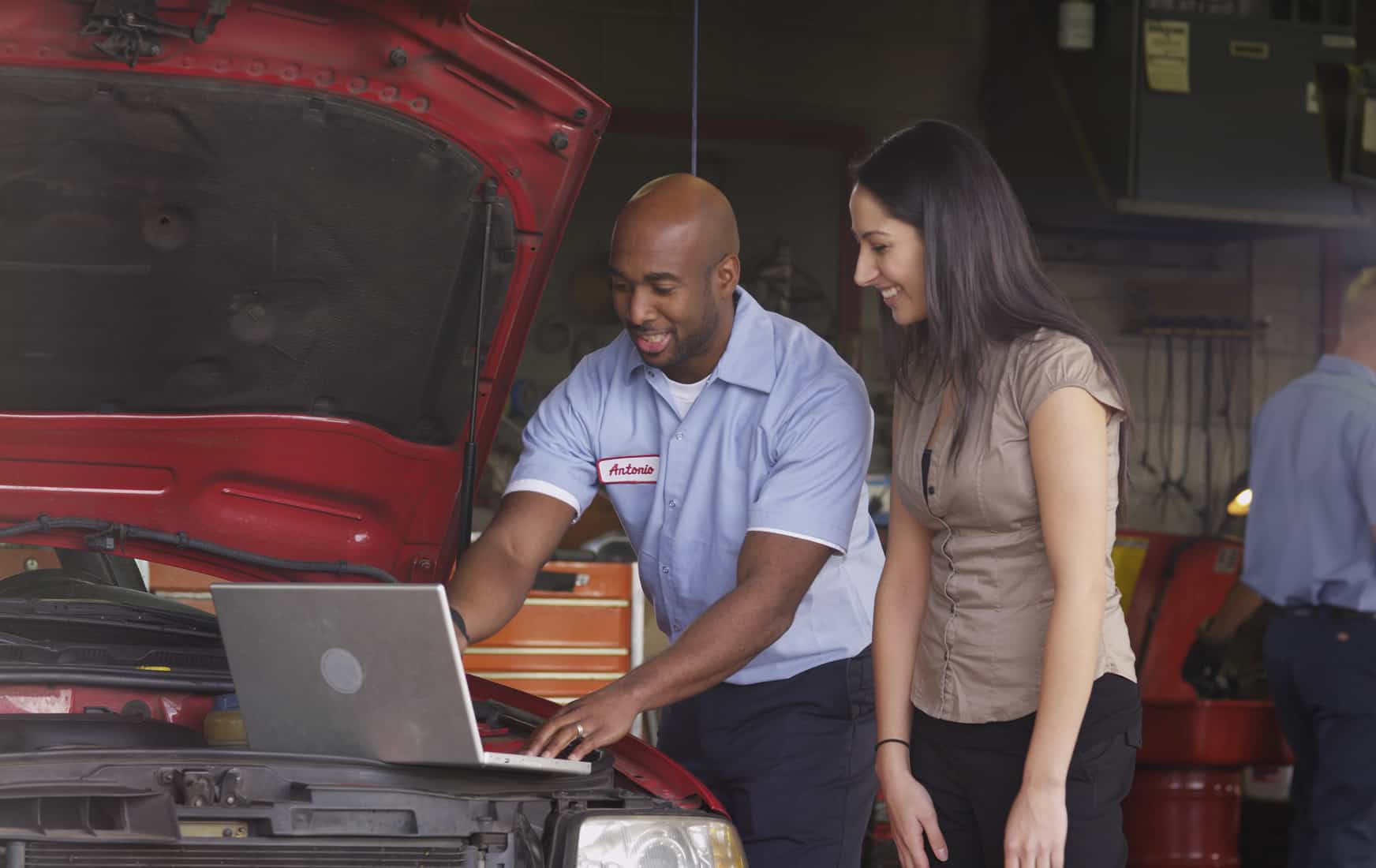
Credit: hshlawyers.com
Stay Calm And Assess The Scene

Credit: www.glowinskylaw.com
Ensure Safety First
Car accidents can be frightening and confusing. The most important thing is to stay calm and keep safe. Taking the right actions helps protect you and others around you.
Always think about safety before anything else. This guide shows simple tips to handle car accidents safely and reduce risks.
Move To A Safe Location
If you can, move your vehicle out of traffic. This lowers the chance of more crashes and helps keep everyone safe. Use caution and watch for other cars while moving.
If your car cannot move, try to get yourself and passengers to a safe spot nearby, like the sidewalk or behind a barrier.
Turn On Hazard Lights
Switch on your hazard lights as soon as possible. This warns other drivers that your car is stopped or moving slowly. It helps prevent further accidents.
- Hazard lights signal danger to other drivers
- They improve visibility in bad weather or low light
- Keep them on until help arrives or you leave safely
Check For Injuries
After ensuring your safety, check yourself and others for injuries. Look for bleeding, pain, or signs of shock. Do not move injured people unless they are in danger.
Call emergency services immediately if someone is hurt. Provide first aid only if you know how to do it safely.
Call Emergency Services
After a car accident, calling emergency services is very important. They can send help fast to keep everyone safe.
Knowing when and how to call 911 helps you get the right help quickly. Stay calm and share clear details.
When To Call 911
Call 911 right away if someone is hurt or if the accident is serious. This includes crashes with fire or blocked roads.
Also call if you see dangerous conditions or if you feel unsafe. Emergency responders will guide you from there.
- Anyone is injured or unconscious
- There is a fire or smoke
- Cars block traffic or cause danger
- Hazardous materials spill
- You feel unsafe or unsure
Providing Clear Information
When you call, speak slowly and clearly. Give your exact location and explain what happened.
Answer questions from the dispatcher. Stay on the line until they say you can hang up.
- State your location clearly
- Describe the number of vehicles involved
- Tell if anyone is injured
- Mention any dangers like fire or gas leaks
- Follow the dispatcher’s instructions
Gather Important Information
After a car accident, collecting the right information is very important. It helps with insurance and legal matters.
Stay calm and focus on getting details carefully. This makes the process easier for everyone involved.
Exchange Details With Other Drivers
Talk with the other drivers and share your contact and insurance information. Make sure to be polite and clear.
Get the full name, phone number, insurance company, and policy number from each driver.
- Driver’s full name and contact details
- Insurance company and policy number
- Car make, model, and license plate number
- Driver’s license number
Document The Accident Scene
Take clear photos of the accident scene from different angles. Capture the damage to all vehicles involved.
Include pictures of street signs, traffic signals, and road conditions. These details can be important later.
- Photos of all cars and damages
- Images of the surrounding area
- Close-ups of any skid marks or debris
- Pictures of traffic signs and signals
Collect Witness Contacts
Look for people who saw the accident happen. Ask them if they can share their contact information.
Witness statements can help prove what happened. Write down their names and phone numbers carefully.
- Witness full name
- Phone number or email address
- Short note on what they saw
Avoid Admitting Fault
Car accidents can be stressful and confusing. It is important to stay calm and avoid saying you are at fault.
Admitting fault may affect insurance claims and legal matters. Keep your statements clear and simple.
Stay Calm And Don’t Apologize
Do not apologize or say sorry for the accident. Saying sorry can be seen as admitting fault.
Keep your emotions in control and speak only about facts. Focus on safety and what happened.
Give Only Basic Information
Share your name, contact, and insurance details. Do not explain how the accident happened.
Let the police or insurance companies decide who is at fault. Your job is to stay honest and clear.
Avoid Discussing Fault At The Scene
Do not argue or admit blame while at the accident site. This can cause more problems later.
Wait for the authorities or your insurance agent to handle fault discussions. Stay polite and cooperative.
Document The Accident Carefully
Take photos of the damage and the scene. Write down what you remember clearly and factually.
Do not guess or assume fault in your notes. Stick to what you see and know for sure.
Credit: cheqmark.io
Notify Your Insurance Company
After a car accident, it is important to inform your insurance company. Quick reporting helps in processing claims efficiently.
Your insurance company will guide you through the necessary steps. Follow their instructions for a smooth claims process.
Report Promptly
Contact your insurance provider as soon as possible after the accident. Provide them with accurate details about the incident.
- Call your insurance company immediately.
- Explain the accident details clearly.
- Submit any requested documents promptly.
Follow Insurance Procedures
Each insurance company has specific procedures for claims. Make sure to understand what is required from your side.
| Procedure | Description |
| Claim Form Submission | Fill out and submit the claim form. |
| Damage Assessment | Allow the company to assess vehicle damage. |
| Document Submission | Provide all necessary documents. |
Seek Medical Attention
After a car accident, it is important to see a doctor. Even if you feel fine, some injuries may not be obvious right away.
A quick medical check can catch problems early. This helps you get the right treatment and recover faster.
Recognize Delayed Symptoms
Some injuries take time to show up. You might feel pain or discomfort days after the accident.
Common delayed symptoms include headaches, neck pain, or dizziness. If you notice these, visit a doctor immediately.
- Headaches can be a sign of a concussion
- Neck pain might mean whiplash
- Dizziness can indicate a serious issue
Keep Medical Records
Keep all your medical documents safe. They are important for insurance claims and legal matters.
Organize your records by date and type. This includes doctor visits, prescriptions, and test results.
- Doctor’s notes and diagnoses
- Prescriptions and medication details
- Test results and medical bills
Know Your Legal Rights
Car accidents can be confusing and scary. Knowing your legal rights helps you stay calm and safe.
Understanding what you can do after an accident protects you from unfair treatment and losses.
Consult A Lawyer If Needed
Sometimes, car accidents cause serious injuries or disputes. A lawyer can explain your rights clearly.
They help you decide if you need to take legal action to protect yourself.
- Lawyers know the laws about car accidents.
- They can advise on insurance claims.
- They help with paperwork and deadlines.
Understand Compensation Options
After a car accident, you may be able to get money for your losses. This is called compensation.
Knowing your options helps you make good choices and get fair payment.
- Medical bills and treatment costs
- Repair or replacement of your vehicle
- Lost wages from missed work
- Pain and suffering damages
Frequently Asked Questions
What Is The First Step After A Car Accident?
Immediately check for injuries and ensure everyone’s safety. Call emergency services if needed. Move to a safe spot if possible. Avoid admitting fault at the scene.
How Do I Document A Car Accident Properly?
Take clear photos of all damages, the scene, and license plates. Exchange contact and insurance details with the other driver. Note down witness information and accident time.
When Should I Contact My Insurance Company?
Report the accident to your insurer as soon as possible. Provide accurate information and follow their claims process promptly to avoid delays.
Should I Always Call The Police After A Car Accident?
Yes, calling police is important for legal and insurance reasons. They create an official report, which helps settle disputes and claims.
Conclusion
Car accidents can be stressful and confusing. Staying calm helps you think clearly and act safely. Always check for injuries and call for help if needed. Take photos and gather information carefully. Follow these steps to protect yourself and others.
Being prepared can make a big difference. Drive safely and stay alert to avoid accidents. Remember, safety comes first in every situation.







