
Traveling with your pet can be exciting, but it also comes with challenges—especially when it comes to keeping your furry friend safe and calm. If you want your trips to be stress-free, crate training is one of the best tools you can use.
Imagine your pet feeling comfortable and secure, no matter where you go. You’ll discover simple, effective tips to make crate training your pet for travel easy and successful. Keep reading, and you’ll learn how to turn your pet’s crate into a cozy travel haven that both of you will appreciate.
Choosing The Right Crate
Choosing the right crate is key for safe pet travel. The crate should fit your pet comfortably and protect them during the trip.
Consider size, type, and safety features before buying a travel crate. This helps keep your pet calm and secure.
Sizing Your Pet’s Crate
Measure your pet before picking a crate. The crate should be large enough for your pet to stand, turn, and lie down.
- Measure from nose to tail for length.
- Measure from floor to the top of the head for height.
- Choose a crate slightly bigger than these measurements.
- A crate too small can cause discomfort.
Types Of Travel Crates
There are several crate types for travel. Each offers different comfort and protection levels.
| Crate Type | Description | Best For |
| Plastic Crates | Enclosed and sturdy | Air travel and long trips |
| Soft-Sided Crates | Lightweight and breathable | Short trips and calm pets |
| Metal Crates | Strong and durable | Car travel and training |
| Collapsible Crates | Easy to store and carry | Frequent travelers |
Safety Features To Look For
Safety is the top priority for travel crates. Look for features that keep your pet secure and comfortable.
- Secure latches that do not open easily.
- Good ventilation for fresh air flow.
- Rounded edges to prevent injury.
- Strong materials that resist damage.
- Leak-proof bottom to protect from spills.

Credit: www.aaha.org
Preparing Your Pet
Traveling with pets can be safe and easy with crate training. Start preparing your pet before the trip to reduce stress.
Proper preparation helps your pet feel secure and comfortable in the crate during travel.
Introducing The Crate At Home
Let your pet explore the crate in a calm place at home. Leave the door open so they can enter freely.
Place toys or treats inside the crate to encourage your pet to go in. Do this several times a day for short periods.
- Put the crate in a quiet room
- Use treats to make the crate inviting
- Keep the crate door open at first
- Let your pet enter and exit on their own
Using Positive Reinforcement
Reward your pet with praise and treats when they enter or stay in the crate. This builds a good habit.
Never force your pet inside. Make the crate a happy place to reduce fear and anxiety.
- Give treats when your pet goes in
- Use a calm, happy voice
- Offer rewards for quiet behavior in the crate
- Avoid punishment related to the crate
Creating A Comfortable Space
Make the crate cozy with soft bedding and familiar items. This helps your pet relax inside.
Check the crate size. Your pet should have room to stand, turn, and lie down comfortably.
- Use a soft blanket or cushion
- Add a favorite toy or chew
- Keep the crate clean and dry
- Ensure good ventilation
- Choose the right crate size for your pet
Training Techniques
Crate training helps pets feel safe during travel. It also makes trips easier for pet owners.
Use simple methods and patience to train your pet. This guide covers key techniques to try.
Short Practice Sessions
Start crate training with short sessions. This helps pets get used to the crate without stress.
- Put your pet in the crate for 5 to 10 minutes.
- Use treats or toys to make the crate inviting.
- Stay nearby to provide comfort.
- Gradually increase time as your pet relaxes.
Gradual Increase In Crate Time
Slowly extend the time your pet spends in the crate. This builds their tolerance and calmness.
| Session Length | Activity |
| 10 minutes | Quiet time with treats inside crate |
| 20 minutes | Short walk after crate time |
| 30 minutes | Playtime outside crate |
| 1 hour | Crate time with chew toy |
| 2 hours | Crate time during calm home activities |
Dealing With Anxiety
Some pets feel anxious in a crate. Use these ideas to ease their worry.
- Cover the crate with a light blanket to create a cozy space.
- Speak softly to reassure your pet.
- Use familiar items like a favorite blanket or toy inside the crate.
- Play calm music to soothe your pet’s nerves.
- Never use the crate as punishment.
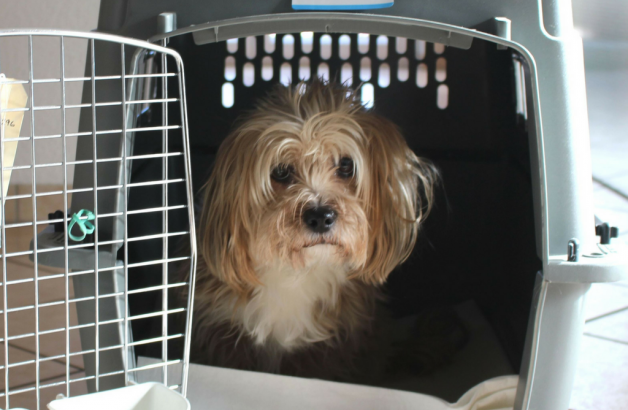
Credit: www.petrelocation.com
Travel Day Tips
Traveling with pets requires careful planning. A smooth travel day keeps your pet safe and happy.
Follow these tips to make crate training easy during travel. Prepare your pet and yourself for the trip.
Packing Essentials For Your Pet
Bring important items to keep your pet comfortable. Packing well helps avoid stress on travel day.
- Crate or carrier with secure locks
- Comfortable bedding or blanket inside the crate
- Water and food bowls
- Enough food for the trip
- Leash and collar with ID tags
- Pet waste bags and cleaning supplies
- Favorite toys or chew items
- Health records and any medications
- Portable water bottle for hydration
Pre-trip Exercise And Feeding
Exercise your pet before travel to burn off energy. A tired pet stays calm during the trip.
Feed your pet a light meal a few hours before travel. Avoid feeding right before the trip to prevent nausea.
- Take your pet for a walk or play session
- Feed smaller meals before travel
- Offer water to keep hydrated
- Do not feed large meals just before departure
Keeping Your Pet Calm During Travel
Help your pet stay calm by creating a safe space inside the crate. Use familiar items to reduce anxiety.
Speak softly and avoid loud noises. Offer breaks for bathroom and water during long trips.
- Place a favorite blanket or toy in the crate
- Cover the crate with a breathable cloth to reduce visual stress
- Talk calmly to reassure your pet
- Take regular breaks for exercise and bathroom needs
- Keep the crate secure and stable in the vehicle
Common Challenges
Crate training pets for travel can be tough. Pets often show resistance and discomfort.
Knowing how to handle common problems helps make travel safer and more comfortable.
Handling Resistance To The Crate
Pets may not like the crate at first. They might bark, scratch, or avoid it.
- Place treats inside the crate to create a positive link.
- Start with short crate times and slowly increase them.
- Use familiar toys or blankets inside the crate.
- Never force your pet inside the crate.
- Speak calmly and praise your pet for calm behavior.
Managing Motion Sickness
Some pets feel sick during travel. This causes drooling, vomiting, or restlessness.
| Symptom | Possible Cause | Tip |
| Drooling | Motion sickness | Keep the crate well-ventilated |
| Vomiting | Car sickness | Avoid feeding before travel |
| Restlessness | Nausea or anxiety | Use calming music or pheromone sprays |
Adjusting To Different Travel Modes
Pets need time to get used to cars, planes, or trains. Each mode feels different.
Tips for adjusting your pet:
- Take short practice trips before long travel.
- Bring familiar items like blankets or toys.
- Talk softly to comfort your pet.
- Check rules for pets on planes or trains.
- Give your pet breaks to stretch when possible.
Post-travel Care
Travel can be stressful for pets, even with crate training. It’s important to care for them after the trip. This helps them adjust back to their normal routine.
Ensuring your pet feels safe and comfortable post-travel is crucial. Here are some tips to help your pet recover and stay calm.
Allowing Recovery Time
After travel, pets need time to relax. Give them space to rest and recover from the journey. This helps them feel secure and calm.
Ensure their environment is quiet and free from disturbances. This allows them to settle down and regain energy.
Monitoring For Stress Signs
Watch your pet for signs of stress after travel. Changes in behavior can indicate they need extra care.
Look for signs like excessive panting, pacing, or hiding. If noticed, offer comfort and reassurance to your pet.
- Provide extra cuddles and attention
- Offer favorite toys or treats
- Maintain a calm environment
Maintaining Crate Training Routine
Keep up with the crate training routine even after travel. This helps your pet feel secure and reduces anxiety.
Continue to use the crate as a safe space. This reinforces positive feelings associated with the crate.
| Routine | Benefit |
| Consistent crate use | Builds trust |
| Regular feeding times | Promotes stability |
| Set sleep schedule | Enhances comfort |

Credit: www.youtube.com
Frequently Asked Questions
How Do I Start Crate Training My Pet For Travel?
Begin by introducing the crate as a safe space. Use treats and toys to encourage your pet inside. Gradually increase crate time to build comfort before travel.
What Size Crate Is Best For Travel Training?
Choose a crate that fits your pet comfortably, allowing them to stand, turn, and lie down. Proper size ensures safety and reduces travel stress.
How Long Should Crate Training Sessions Last?
Start with short sessions of 10-15 minutes, gradually increasing duration. Consistent, brief training helps pets adjust without feeling overwhelmed or anxious.
Can I Use Treats To Improve Crate Training?
Yes, treats are excellent positive reinforcement. Reward your pet for entering and staying calm in the crate to build a positive association.
Conclusion
Crate training makes travel safer and less stressful for pets. Start early and keep sessions short and positive. Use treats and praise to build good habits. Let your pet explore the crate at home first. Patience helps pets feel calm and secure inside.
A well-trained pet enjoys trips more and stays relaxed. Travel time becomes easier for both you and your pet. Try these tips to create a happy travel experience. Safe journeys start with good crate training habits.







